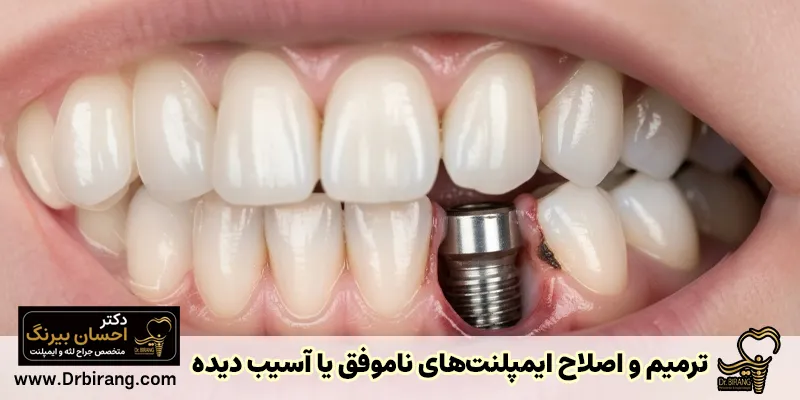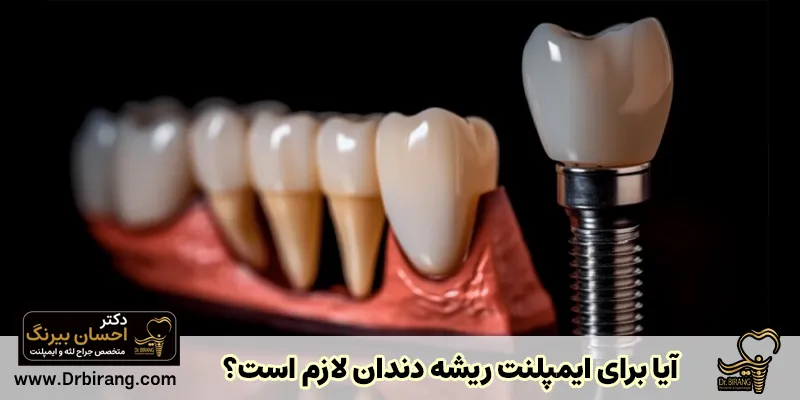


جراحی ایمپلنت دندان، یک راهکار مؤثر و دائمی برای جایگزینی دندانهای از دست رفته است. However, as with any surgery, there may be temporary side effects, one of the most common of which is feeling dizzy or lightheadedness.
If you have experienced dizziness after implant placement, you probably have this question: Is this normal? When to worry?
In this article, Dr. Ehsan Birang, the best digital implant dentist in Zafaranieh, Tehran, comprehensively examines the cause of dizziness after dental implants, explains the difference between normal and dangerous dizziness, and offers effective treatment solutions.
Table of Contents
- 1 Is dizziness normal and transient after dental implants?
- 2 The most important cause of dizziness after implant implantation
- 3 When is dizziness after implant dangerous?
- 4 Solutions to reduce and treat dizziness after implant
- 5 Prevention: how to reduce the risk of dizziness?
- 6 Frequently asked questions
- 7 About Dr. Ehsan Birang
 Is dizziness after dental implant normal and transient?
In many cases, yes.
Feeling mild lightheadedness or transient dizziness in the first 24 to 48 hours after dental implant surgery is often considered normal. This is usually due to the residual effects of anesthesia, blood pressure fluctuations caused by surgical stress, or body fatigue.
-
Normal duration: Dizziness is usually mild and gradually improves with rest, fluid intake, and proper nutrition and disappears completely within a few days.
-
What is not normal? Severe dizziness, a feeling of spinning (vertigo) or dizziness that lasts more than 3-4 days is not normal and should be investigated.
 The most important cause of dizziness after implant placement
Vertigo is rarely related to the implant itself, but is usually related to the side effects of surgery, medications, or effects on nearby structures (such as the ear and sinuses).
1. Complications related to surgery and anesthesia
-
Effects of anesthetics and sedatives: Medications used during surgery can temporarily cause a drop in blood pressure and cause confusion, drowsiness, and dizziness after getting up.
-
Stress and changes in blood pressure: Anxiety and stress from surgery, possible pain, or even prolonged fasting, can cause a sudden drop in blood pressure (orthostatic hypotension) that causes dizziness when changing position (eg from lying to sitting).
-
Decreasing blood sugar and dehydration: Lack of proper nutrition before or after surgery and drinking less can cause a decrease in blood sugar and make the patient weak, shaky and dizzy.
2. Involvement of adjacent structures (very important in the upper jaw)
One of the more specialized causes of vertigo, especially in maxillary surgeries, is inner ear or sinus involvement:
Benign Paroxysmal Positional Vertigo (BPPV)
-
This type of vertigo is most often reported after surgeries involving surgery sinus lift or the use of mechanical impact instruments (such as osteotomes).
-
Mechanical vibrations during impact on the maxillary bone can cause movement of crystal particles (otoconia) in the semicircular canals of the inner ear.
-
Symptom: when the person changes the position of the head (turning, bending, standing up), he experiences severe but short-term rotational vertigo, which is also accompanied by nausea.
Inflammation and infection
-
Severe inflammation or infection at the implant site, especially if it spreads to the sinuses, can be accompanied by fever, severe pain, and a feeling of confusion or imbalance.
3. Reaction to drugs and underlying diseases
-
Prescription drugs: Some strong pain relievers, anti-inflammatories or antibiotics may cause allergies or side effects such as dizziness and nausea in some people.
-
Aggravation of underlying disease: Surgical stress can exacerbate uncontrolled underlying diseases such as hypertension, diabetes, anemia, or previous inner ear disorders, which themselves cause vertigo.
When is dizziness dangerous after an implant?
Dizziness that is a sign of a more serious problem usually occurs with neurological, cardiac or signs of severe infection and requires immediate emergency care.
Otherwise, if the dizziness is mild, contact your dentist first and get the necessary instructions.
Methods to reduce and treat dizziness after implant
Treatment for vertigo depends on the underlying cause, but the following measures will help manage mild symptoms and speed recovery:
1. Self-care and recovery
-
Slow position change: Always rise slowly from a sitting or lying position to avoid a sudden drop in blood pressure. Sit on the edge of the bed for a few seconds and then stand up.
-
Adequate rest: In the first 48 hours, absolute rest and avoiding heavy activities is essential.
-
Liquid consumption and nutrition: Sufficient water, natural fruit juices, soup and soft and light foods help to prevent dehydration and hypoglycemia.
2. Management of specialized causes
-
Stress management: If the dizziness is caused by anxiety, deep breathing and relaxation exercises can be helpful.
-
Take medications: Take prescribed medications (antibiotics or painkillers) as directed. If you suspect drug side effects, consult your dentist immediately.
-
BPPV treatment: If your vertigo is diagnosed as rotational vertigo (BPPV), your dentist will refer you to an otolaryngologist to solve the problem of displaced inner ear particles using special therapeutic maneuvers (such as the Eppley maneuver).
Prevention: how to reduce the risk of dizziness?
The best implant specialists, like Dr. Ehsan Birang, try to reduce the risk of dizziness as much as possible by taking preventive measures:
-
Complete medical history: Be sure to tell your dentist about any history of heart problems, blood pressure, diabetes, migraines, or any previous history of dizziness.
-
Avoid fasting: As directed by your doctor, eat a light meal before surgery and drink enough fluids to keep your blood sugar and blood pressure under control.
-
Choosing a digital implant technique: In sensitive cases or requiring a sinus lift, using more advanced methods and a digital implant that reduces the need for severe mechanical trauma can minimize the risk of inner ear involvement (BPPV).
⚠️ Note
If your dizziness is prolonged or severe after dental implant surgery, visit Dr. Ehsan Birang's clinic as soon as possible so that the condition of the implant, sinuses, and nerves in the area can be carefully checked and, if necessary, coordination with a neurologist or otolaryngologist can be done.
Frequently Asked Questions
1. Is dizziness more common after maxillary implant?
Yes, because of the proximity of the upper jaw to the sinus cavities and inner ear, in cases where sinus lift surgery is required, the possibility of benign paroxysmal positional vertigo (BPPV) is higher.
2. What should I do if I feel dizzy with my medication?
If you experience dizziness, nausea, or an unusual reaction after taking a new medication, contact Dr. Birang's clinic immediately. It may be necessary to change the dose of the drug or its type.
3. How long should I rest for the dizziness to get better?
For dizziness caused by anesthesia or blood pressure, rest for the first 24 to 48 hours is usually very helpful. For other types, the doctor determines the rest period.
About Dr. Ehsan Birang
Dr. Ehsan Birang is one of the best implant specialists in north of Tehran, with expertise in the field of digital implant planting and using the latest techniques and advanced equipment. By providing a personalized treatment plan and focusing on reducing side effects, they guarantee dental implant surgery with the highest precision and the least hassle for you. Contact us today for expert advice on implant placement.