What is a hole in the heart? Symptoms and treatment methods - Dr. Marvarid Dadres

Dr. Marwarid Dadres
TehranCardiologist, echocardiography fellowship
 hole What is the heart? Symptoms, complications and treatment methods
- 9/07/1404
- 8 minutes
The human heart is one of the most important vital organs of the body, which is responsible for pumping blood and delivering oxygen and nutrients to other organs. Any disorder in the structure of the heart can directly affect its function and threaten a person's general health. One of the congenital heart problems that can be seen in some people is a hole in the heart. This disease can be diagnosed in childhood or even remain asymptomatic for years and cause serious problems in adulthood. When many people hear the name of heart hole, they are worried and questions are raised whether heart hole is dangerous. Does a hole in the heart cause death? How to recognize the symptoms of a hole in the heart? And is it possible to treat a hole in the heart? The answer to these questions requires a detailed knowledge of the nature of the disease, its clinical symptoms, and its treatment methods.
In this article, we try to explain in a simple but scientific language what a hole in the heart is, what are its symptoms, how is it diagnosed, and what are the solutions for its treatment. We will also answer the frequently asked questions of patients regarding the risks and complications of this disease so that you get a clear understanding of the issue.
What is a hole in the heart?
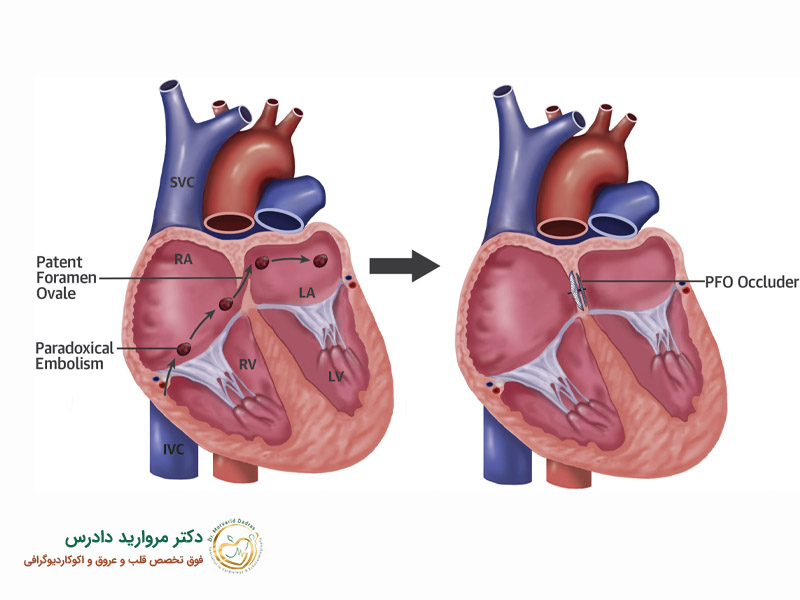
A hole in the heart is a condition in which the wall between the chambers of the heart is not completely closed and a gap or hole is left in it. These holes can be created in different parts of the heart, but the most common types include atrial septal defect (ASD) and ventricular septal defect (VSD). Normally, the heart wall or the septum is responsible for keeping oxygen-rich blood and deoxygenated blood separate. But the presence of a hole causes these two blood streams to mix together. This will reduce the efficiency of the heart and cause more pressure on the lungs. The severity of the symptoms and problems caused by a hole in the heart depends on the size of the hole, its location and the general health status of the person.
Some babies are born with a hole in the heart and this hole may close spontaneously in the first months or years of life. But in some cases, the hole remains and requires medical treatment. Although the symptoms are mild or even imperceptible in many patients, in serious cases it can lead to complications such as heart failure, pulmonary hypertension or stroke.
Symptoms of a hole in the heart

Symptoms Heart piercing can vary depending on the type and size of the piercing. Some patients do not show any symptoms for years, and the disease is only detected during periodical examinations or cardiac ultrasound (Echocardiography) will be But in other cases, the following symptoms may appear:
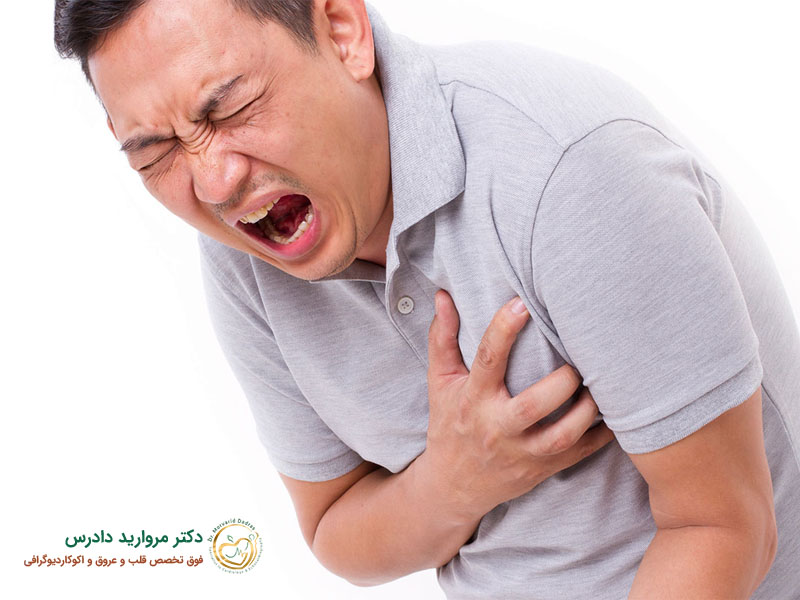
Feeling unusually tired, especially after daily activities, shortness of breath during exercise or even at rest, palpitations or irregular heartbeats, swelling in the legs or abdomen, and frequent lung infections. In children, symptoms such as slower than normal growth, weight loss, sweating profusely during feeding or activity are also symptoms of heart perforation.
The important point is that the symptoms of heart perforation sometimes appear later in adults. A person may live without symptoms for years and only in the third or fourth decades of life will face problems such as shortness of breath, general weakness or stroke caused by a blood clot passing through the hole in the heart. For this reason, early diagnosis is very important.
Methods to detect a hole in the heart
Heart piercing is usually done with a doctor's examination and then additional tests. During the examination with a stethoscope, the doctor may hear an abnormal sound or a heart murmur, which is a sign of a hole.
To confirm the diagnosis, the following imaging methods and tests are used:
- Echocardiography (Echo):
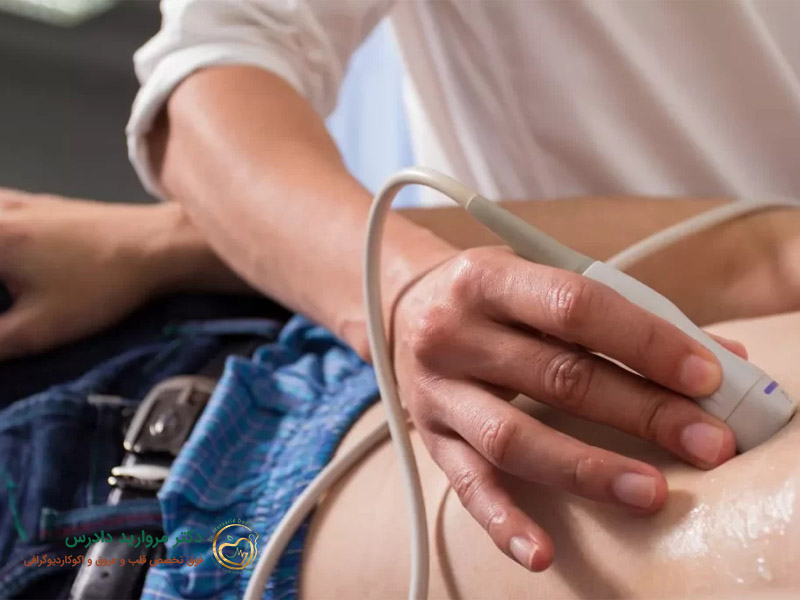
It is the most common method that uses sound waves to provide a detailed picture of the heart structure and shows the presence of a hole.
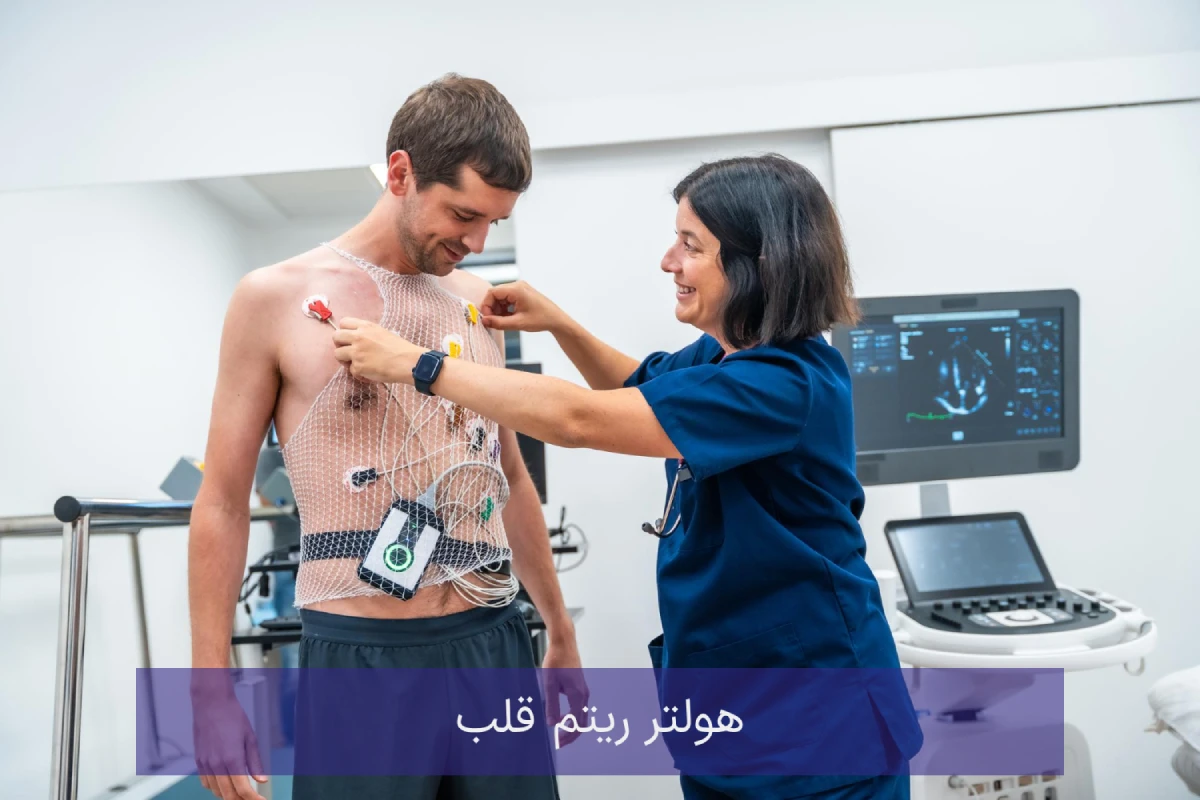
This method is used in certain cases for more detailed observation.
- MRI Cardiac:
In some patients, this method is used to check the heart and lung function.
- Cardiac catheterization:
A more invasive method that allows accurate measurement of pressures and observation of the hole.
These methods help the doctor determine the size of the hole, its location, and the possible effect on heart function and design the best treatment plan.
Is a heart hole dangerous? Is it?
One of the most common questions asked by patients is whether heart piercing is dangerous or not. The answer to this question depends on the individual conditions of each patient. In some cases, the hole is small and does not cause any serious complications; It may even close spontaneously over time.
But in cases where the hole is large or severely affects blood flow, significant complications will follow. Among these complications can be heart failure, heart rhythm disorder and even stroke.
Therefore, it cannot be mentioned Mutlaq said whether heart piercing is always dangerous or not. The severity of the disease must be evaluated by a cardiologist. The important thing is that going to the doctor on time and doing periodical examinations can prevent the occurrence of many of these complications.
Does a hole in the heart cause death?
This question causes great concern for many patients. The fact is that a hole in the heart alone does not necessarily cause death, but if it is not diagnosed and treated in time, it can lead to life-threatening complications.
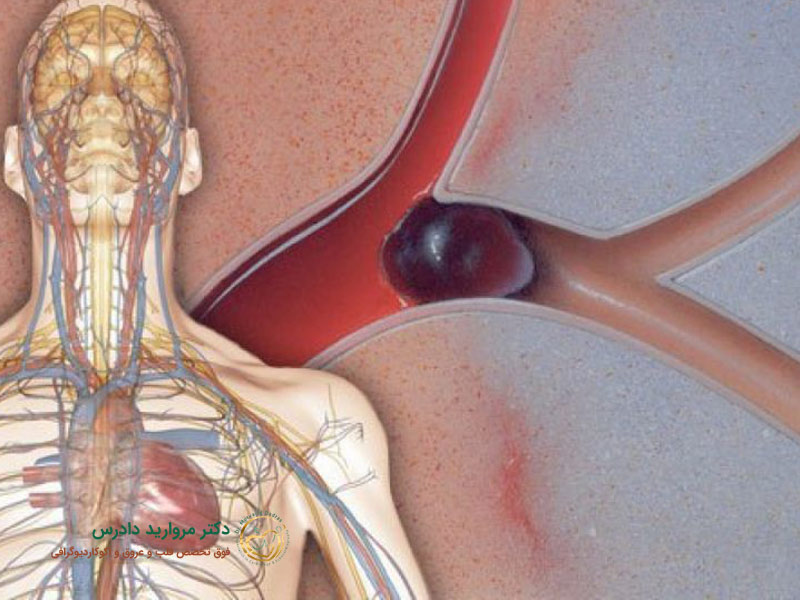
For example, large holes can cause increased pressure in the lungs and heart failure. In this situation, if the disease is not controlled, the possibility of death due to complications increases. Also, in some adult patients, the blood clot passes through the hole and reaches the brain, which can cause a fatal stroke. Therefore, the exact answer to this question depends on the size of the hole, the condition of the heart, and the treatment measures performed. If the patient is under medical supervision and receives appropriate treatment, the risk of death is minimized. src="data:image/svg+xml;base64,PHN2ZyB4bWxucz0iaHR0cDovL3d3dy53My5vcmcvMjAwMC9zdmciIHdpZHRoPSI3NDAiIGhlaWdodD0iNDkzIiB2aWV3Qm94PSIwIDAgNz QwIDQ5MyI+PHJlY3Qgd2lkdGg9IjEwMCUiIGhlaWdodD0iMTAwJSIgc3R5bGU9ImZpbGw6I2NmZDRkYjtmaWxsLW9wYWNpdHk6IDAuMTsiLz48L3N2Zz4=">
Heart hole treatments vary depending on the size of the hole, its location, and the general condition of the patient. In some babies and children, small holes may close over time without the need for special treatment. In these cases, the doctor only recommends periodic follow-up.
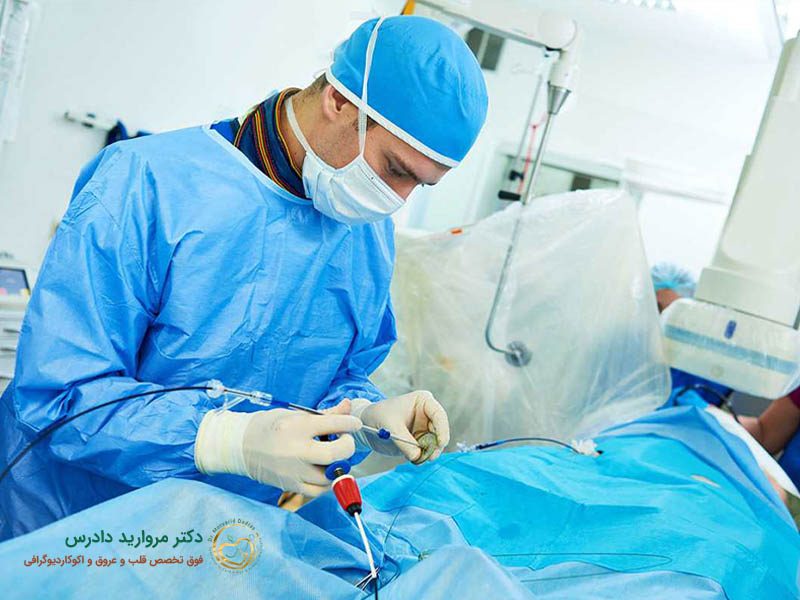
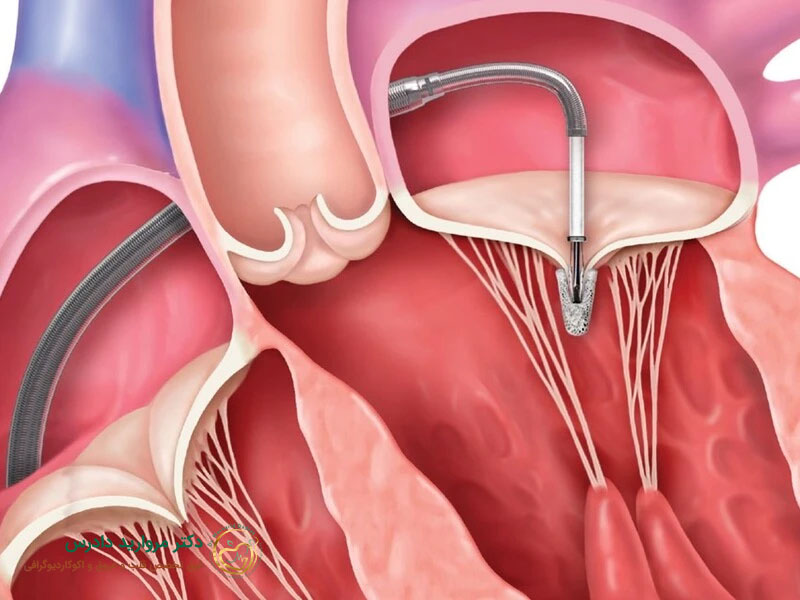
However, in cases where the hole is large or causes significant symptoms, treatment is necessary. The treatment includes two main methods: Catheter-based closure: In this method, a special device is inserted into the heart through the groin vein and the hole is closed with an umbrella-like device. This method is minimally invasive and has a shorter recovery time.
- Open heart surgery:
In complex cases or large holes, open heart surgery is performed to repair the hole. Although this method is more invasive, it has a successful outcome in many patients.
Along with these treatments, medications to control symptoms or prevent blood clots may also be prescribed. The key point is that the treatment of heart perforation should only be done under the supervision of a cardiologist and the choice of treatment method is different depending on the condition of each patient.
Conclusion
Heart perforation is one of the common but controllable congenital problems. The severity of this disease varies from person to person, and depending on the location and size of the hole, it can remain asymptomatic or lead to serious problems. The answer to the question whether a hole in the heart is dangerous or causes death is completely dependent on timely diagnosis and treatment. Today, advanced diagnostic methods such as echocardiography and modern treatments, including closing the hole with a catheter or open heart surgery, have made it possible to effectively manage this disease. The most important thing for patients to do is to see a doctor regularly and follow expert advice.
Frequently Asked Questions
Does the hole in the heart close by itself in children? Yes, in many cases small holes close naturally in the first years of life. But some cases need follow-up and treatment.
What are the symptoms of heart perforation in adults? Symptoms such as shortness of breath, constant fatigue, heart palpitations, swelling of limbs and stroke may be signs of a heart hole in adults.
How is heart hole treatment done? Depending on the patient's condition, treatment can include periodic follow-up, closure of the hole with a catheter, or open heart surgery. The specialist doctor chooses the best method based on the patient's condition.
Is heart piercing dangerous?
The danger of heart piercing depends on the individual's condition. Small holes are usually harmless and may close on their own, but large holes can cause complications such as pulmonary hypertension, heart failure, or stroke. Diagnosing the severity of the disease and regular follow-up by the doctor is necessary to prevent complications.
Related contentIs angiography better from hand or foot? Complete comparison
When talking about detailed examination of heart vessels or vessels
What are the symptoms of nervous hypertension and how to control it?
Blood pressure is one of the most vital indicators of human health
Table of Contents Write your comment Cancel reply