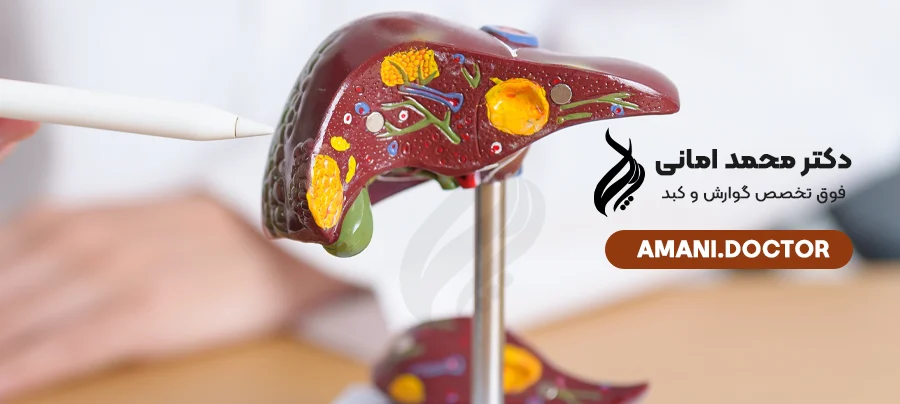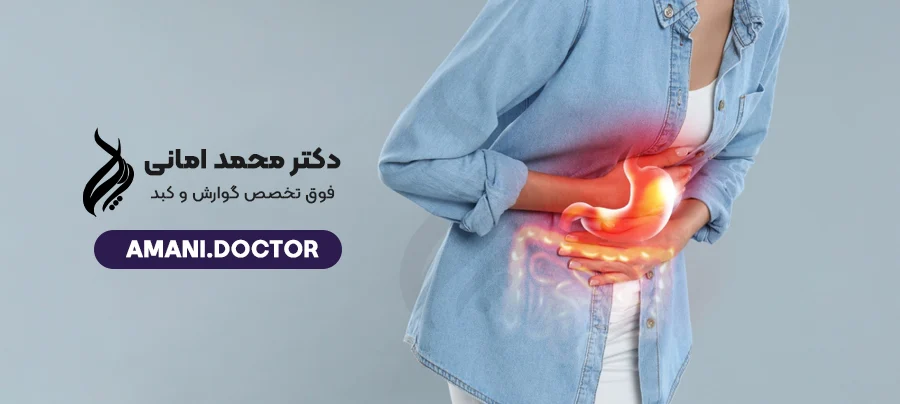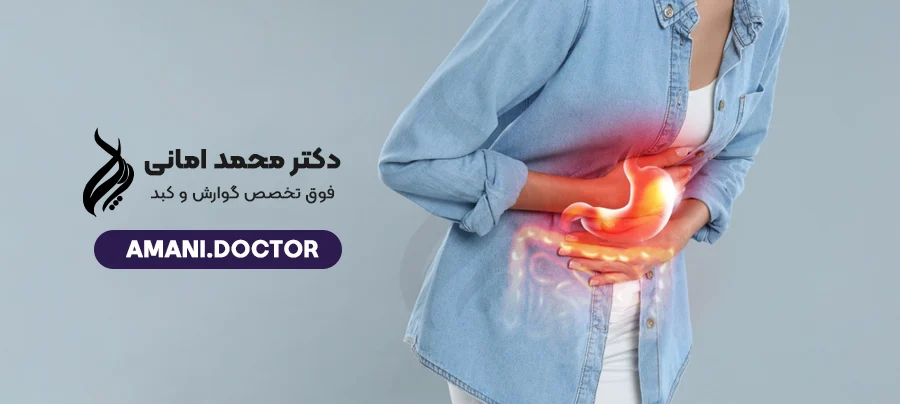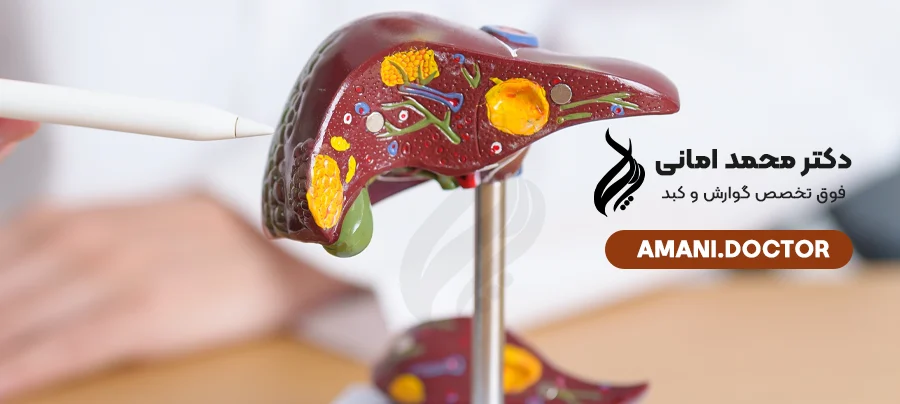

فیبروز کبدی یک بیماری است که در آن بافت سالم کبد به تدریج به بافت اسکار تبدیل میشود. این وضعیت به دلیل آسیبهای مزمن کبدی مانند مصرف الکل، بیماریهای ویروسی (مثل هپاتیتهای B و C)، چاقی و دیابت ایجاد میشود. در مراحل اولیه، فیبروز ممکن است علائمی نداشته باشد، اما با پیشرفت بیماری، مشکلاتی مانند خستگی، زردی پوست و ورم شکم بروز میکنند. تشخیص آن معمولاً از طریق آزمایشهای خون، تصویربرداری و بیوپسی کبد انجام میشود. درمان فیبروز کبدی شامل کنترل عوامل مسبب، تغییرات در سبک زندگی و در موارد شدید، پیوند کبد است. در صورت عدم درمان، فیبروز میتواند به سیروز و نارسایی کبدی منجر شود. In this article from Dr. Amani's website, we examine the causes and symptoms of liver fibrosis.
Symptoms of liver fibrosis
The symptoms of liver fibrosis are usually in the early stages of the disease. They are not visible and people may not have any symptoms until liver damage is more advanced. But with the progress of the disease, when fibrosis reaches more advanced stages, various symptoms may appear that are a sign of functional liver disorders:
- 🔴 Chronic fatigue: a feeling of severe and continuous fatigue that does not improve with rest or sleep.
- 🔴 Yellowing of the skin and eyes (jaundice): A change in the color of the skin and eyes to yellow due to accumulation Bilirubin.
- 🔴 Swelling of the abdomen (ascites): accumulation of fluid in the abdomen, which causes it to enlarge.
- 🔴 Swelling of the legs and ankles (edema): accumulation of fluid in the legs and ankles, which leads to swelling in these areas.
- 🔴 Abdominal pain: a feeling of pain or discomfort in the abdomen, especially in the lower right side Ribs.
- 🔴 Bruising and easy bleeding: Bleeding and bruising easily due to reduced production of blood clotting proteins.
- 🔴 Skin itching: Severe and continuous itching of the skin due to the accumulation of toxic substances in the body.
- 🔴 Decreased appetite and weight loss: Loss of appetite and abnormal weight loss.
- 🔴 Nausea and Vomiting: Nausea and vomiting due to digestive problems caused by liver damage.
- 🔴 Increased blood pressure in the hepatic veins (portal hypertension): Enlarged spleen and bleeding from the esophageal veins due to increased pressure in the hepatic veins
| Decreased appetite and weight loss | Nausea and vomiting |
| Abdominal swelling | Abdominal pain |
| Jaundice of the skin and eyes | Chronic fatigue |
| Itchy skin | Increased blood pressure in the hepatic veins |
These symptoms indicate serious disorders in liver function and, if observed, require immediate evaluation and treatment. Liver fibrosis in the early stages may be without specific symptoms, but as the disease progresses and turns into cirrhosis, more risks arise. Early diagnosis and proper management can prevent the progression of the disease and maintain the quality of life. Therefore, if any of these symptoms occur, it is necessary to see a doctor to check and perform the necessary tests.
What factors cause liver fibrosis?
Hepatic fibrosis occurs when the liver turns its healthy tissue into scar tissue (wounds) in response to chronic and continuous damage. This process can gradually disrupt the normal function of the liver and, if continued, lead to more serious problems such as liver cirrhosis. Various factors can lead to liver fibrosis. Below are the most important factors:
- 🔴 Viral liver diseases (hepatitis B and C): Viral hepatitis is one of the main causes of liver fibrosis due to chronic inflammation in the liver.
- 🔴 Chronic alcohol consumption: Drinking alcohol for a long time and in large quantities causes inflammation and destruction of liver tissue.
- 🔴 Obesity and metabolic syndrome: Obesity and type 2 diabetes can lead to non-alcoholic fatty liver disease (NAFLD), which can progress to fibrosis if left untreated.
- 🔴 Autoimmune diseases: Diseases such as autoimmune hepatitis or primary biliary cholangitis can cause liver damage and fibrosis.
- 🔴 Medications and Toxins: Taking certain drugs or contact with environmental toxins can damage the liver and lead to fibrosis. Genetic diseases: Genetic disorders such as Wilson's disease and hemochromatosis can cause liver fibrosis. Biliary disorders: Diseases such as primary biliary cholangitis or obstruction of the bile ducts can lead to liver fibrosis. Metabolic diseases: Diseases such as diabetes or defects in the processing of fats can cause liver fibrosis.
- 🔴 Malnutrition: Incorrect diets and lack of vitamins and minerals can lead to liver damage and fibrosis.
- 🔴 Physical injuries: Mechanical injuries or previous surgeries that have damaged the liver can increase the risk of fibrosis. increase.
Knowing the various factors that cause liver fibrosis plays a very important role in the prevention and management of this disease. While some of these factors, such as viral and genetic diseases, cannot be controlled, many such as alcohol consumption, obesity, diabetes, and malnutrition can be prevented or managed with lifestyle changes and appropriate treatments. For this reason, being aware of these factors and taking preventive measures can help reduce the risk of liver fibrosis. Also, timely identification of symptoms and risk factors can prevent the progression of the disease and its transformation into more serious problems such as liver cirrhosis. Proper management of these factors can play a key role in maintaining liver health and improving people's quality of life.
Grading of liver fibrosis
Grading of liver fibrosis is used to evaluate the severity of liver damage and disease progression. This grading helps the doctor to better understand the condition of the liver and to prescribe appropriate treatments. Liver fibrosis develops gradually due to various factors such as viral diseases, alcohol consumption or obesity. With the progression of fibrosis, liver function decreases and leads to more serious problems such as liver cirrhosis. To evaluate the degree of fibrosis in the liver, various scales are usually used, such as METAVIR, which determines the severity of liver damage in five stages. This scale ranges from F0 (healthy liver) to F4 (liver cirrhosis).
- 🔴 F0: healthy liver, without fibrosis.
- 🔴 F1: mild fibrosis, damage limited to certain areas.
- 🔴 F2: moderate fibrosis, spread of fibrosis in the liver.
- 🔴 F3: Severe fibrosis, significant damage to liver tissue.
- 🔴 F4: Liver cirrhosis, extensive damage and liver failure.
Can liver fibrosis be detected in ultrasound?
Yes, liver fibrosis may be detected in ultrasound, but its accurate diagnosis depends on the severity of liver damage. Ultrasound can show structural changes in the liver, such as increased stiffness of the liver tissue or changes in the size and shape of the liver, which may indicate fibrosis or cirrhosis. However, for more accurate assessment and staging of liver fibrosis, other methods such as elastography (to measure liver stiffness) or liver biopsy are commonly used. Ultrasound as a basic imaging tool can help identify the early signs of fibrosis, but more accurate methods are needed for definitive diagnosis.
Methods for diagnosing liver fibrosis
Hepatic fibrosis develops gradually with damage to the liver tissue, and its diagnosis in the early stages can be challenging, because there are no specific symptoms in these stages. To diagnose liver fibrosis, doctors use several different methods to assess the severity of liver damage. These procedures include blood tests, special imaging and, if necessary, a liver biopsy. With the help of these methods, the doctor can decide if fibrosis is progressing and how to start the treatment.
Methods for diagnosing liver fibrosis:
- 🔹 Blood tests: check liver enzymes to identify liver damage.
- 🔹 Ultrasound : imaging to check changes in Liver structure.
- 🔹 Elastography: Imaging to measure the stiffness of the liver, which indicates fibrosis.
- 🔹 Liver biopsy: Taking a sample of liver tissue to more closely examine the extent of damage.
- 🔹 FIB-4 and APRI tests: Blood tests to estimate the extent of liver fibrosis without the need for imaging or biopsy.
- 🔹 Hepatic MRI: more accurate imaging to assess liver condition and identify fibrosis.
Diagnosis of liver fibrosis using different methods helps the doctor to evaluate the extent of liver damage and determine appropriate treatments. Each of these methods has its own advantages and limitations, and a combination of several methods is usually used to achieve a more accurate diagnosis. Blood tests can detect early signs, while imaging and liver biopsies provide more detailed information about how the disease is progressing. Early diagnosis and regular follow-up can help prevent disease progression and improve treatment outcomes.
Is liver fibrosis curable?
Yes, liver fibrosis can be treated in the early stages. Its treatment depends on the underlying cause of fibrosis. In the early stages, disease progression can be prevented by controlling causative factors such as treating viral hepatitis, stopping alcohol consumption, managing obesity and diabetes, and making lifestyle changes such as a healthy diet and exercise. In more advanced stages, when fibrosis turns into cirrhosis, treatment becomes more complicated and a liver transplant may be required. Therefore, early diagnosis and treatment can prevent the progression of the disease and help maintain liver health.
Hepatic Fibrosis Treatment
Hepatic fibrosis treatment depends on the cause and severity of the disease. The main goal of treating this disease is to prevent the progression of fibrosis and maintain liver function. In the early stages, by controlling the causative factors and lifestyle changes, further damage can be prevented. But in more advanced stages, when fibrosis turns into liver cirrhosis, treatments become more complicated and a liver transplant may be needed. In the following, we examine the different methods of treating liver fibrosis:
1.Control of factors:
- ✅ Treatment of viral diseases (hepatitis B and C): In the presence of viral hepatitis, treatment with antiviral drugs can help reduce inflammation and prevent the progression of fibrosis.
- ✅ Alcohol consumption: If the fibrosis is caused by alcohol consumption, alcohol consumption can help stop the progression of the disease and heal the liver. Autoimmune diseases such as autoimmune hepatitis with immunosuppressive drugs can prevent further damage to the liver.
2.Drug therapy:
Specific drugs can be useful to reduce inflammation and relieve symptoms of the disease. For example, anti-inflammatory drugs and drugs to control portal blood pressure (if there is portal hypertension) may be used.
3.Lifestyle changes:
Healthy diet: Following a balanced and healthy diet that includes fruits, vegetables, lean proteins and reducing the consumption of sugar and unhealthy fats can improve
4.Regular exercise:
Regular physical activity can help to lose weight and improve metabolism and prevent the development of fatty liver.
5. Quit smoking:
Smoking can lead to the exacerbation of liver damage, so quitting can be effective in managing liver fibrosis.
6.Monitoring and medical supervision:
Performing regular tests to follow the progress of the disease and evaluate liver function is of great importance. These tests include blood tests, imaging and, if necessary, a liver biopsy. 7. Advanced treatments: Liver transplantation: If fibrosis progresses to liver cirrhosis and the liver is severely damaged, liver transplantation may be the only treatment option. Finally, the treatment of liver fibrosis should be adjusted with the cooperation of the doctor and based on individual conditions. Early diagnosis and regular follow-up can prevent the progression of the disease and improve the patient's quality of life.
Is liver fibrosis dangerous?
Yes, liver fibrosis can be dangerous. This disease gradually causes damage to the liver tissue and if not treated or detected in the early stages, it can lead to more serious problems. At first, fibrosis may progress without any symptoms, but over time and continued damage to the liver, fibrosis can progress to liver cirrhosis. Liver cirrhosis means severe liver damage that causes loss of normal liver function and can lead to liver failure, increased blood pressure in hepatic veins, internal bleeding, and even liver transplant.
In addition, liver fibrosis can increase the risk of liver cancer. Therefore, early detection and appropriate treatment of liver fibrosis is very important to prevent it from progressing to cirrhosis and more serious problems. If liver fibrosis is not treated on time, it can be a serious threat to a person's health and quality of life.
Does liver fibrosis cause death?
Yes, liver fibrosis can be dangerous and even lead to death if left untreated and progress to liver cirrhosis. In the early stages, the liver is still able to perform some of its functions, but as time passes and liver damage continues, the healthy liver tissue gradually turns into scar tissue. These changes cause a decrease in liver function and can eventually lead to liver cirrhosis, which is a type of severe and irreversible damage to the liver. In the stage of cirrhosis, the liver is unable to perform its vital functions such as detoxification and production of essential body proteins. This condition can lead to liver failure, internal bleeding, fluid accumulation in the abdomen and even liver cancer. Therefore, liver fibrosis can be a serious threat to life if it progresses, and early diagnosis and treatment can prevent its progression and help maintain quality of life. Liver fibrosis can lead to death if it progresses to serious problems. These problems include:
- 🔴 Liver cirrhosis: loss of liver function and liver failure, which can lead to death.
- 🔴 Liver failure: inability of the liver to perform vital functions such as detoxification, which can be fatal.
- 🔴 Liver cancer: Fibrosis and cirrhosis can increase the risk of liver cancer.
- 🔴 Portal Hypertension: Increased blood pressure in the liver vessels that can lead to internal bleeding and death.
Finally, liver fibrosis, if left untreated, leads to serious and fatal problems such as liver cirrhosis and liver failure. These conditions can lead to loss of liver function, internal bleeding, and even liver cancer. Therefore, early diagnosis, regular follow-up and timely treatment can prevent the progression of the disease and help maintain liver health and improve a person's quality of life.
Summary
Liver fibrosis occurs when healthy liver tissue gradually turns into scar tissue, usually due to hepatitis, alcohol consumption, obesity and diabetes. In the early stages, there are no symptoms, but as the disease progresses, fatigue, yellow skin, swelling of the abdomen and legs may occur. Liver fibrosis is divided into five stages from F0 (healthy liver) to F4 (liver cirrhosis). It is diagnosed through blood tests, imaging and liver biopsy. Treatment includes controlling the causative factors, lifestyle changes and, if necessary, liver transplantation. تشخیص و درمان به موقع میتواند از پیشرفت بیماری جلوگیری کرده و عملکرد کبد را حفظ کند.
سوالات متداول
برخی از بیماریهای ژنتیکی مانند هموکروماتوز میتوانند به فیبروز کبدی منجر شوند، بنابراین ممکن است ارثی باشد.
رژیم غذایی سالم میتواند در کنترل بیماری مؤثر باشد، اما فیبروز کبدی نیاز به درمانهای پزشکی دارد و رژیم غذایی تنها بخشی از آن است.
ورزش منظم میتواند به کاهش وزن و بهبود سلامت کبد کمک کند، بنابراین میتواند در پیشگیری از فیبروز کبدی مؤثر باشد.
زمان تبدیل فیبروز کبدی به سیروز بستگی به عوامل مختلفی دارد، اما معمولاً سالها طول میکشد و به شدت بیماری بستگی دارد.
نه، درمان فیبروز کبدی شامل دارو، تغییرات در سبک زندگی، ترک الکل و در مراحل پیشرفتهتر، پیوند کبد میشود.
در صورت پیشرفت به سیروز، فیبروز کبدی میتواند به سایر اعضای بدن مانند طحال و رگهای خونی آسیب برساند.
بله، فیبروز کبدی ممکن است در سنین جوانی به ویژه در افرادی که مبتلا به بیماریهای ویروسی یا متابولیک هستند، ایجاد شود.
نه، فیبروز کبدی در هر فرد میتواند متفاوت باشد و شدت بیماری بستگی به عوامل مختلف مانند علت ایجاد، سلامت عمومی و شیوه زندگی فرد دارد.