مقاله تخصصی
What is cardiac cardioversion or cardiac shock?
3 months ago
242 بازدید

Dr. Marwarid Dadres
TehranCardiologist, echocardiography fellowship
**What is cardiac cardioversion?**
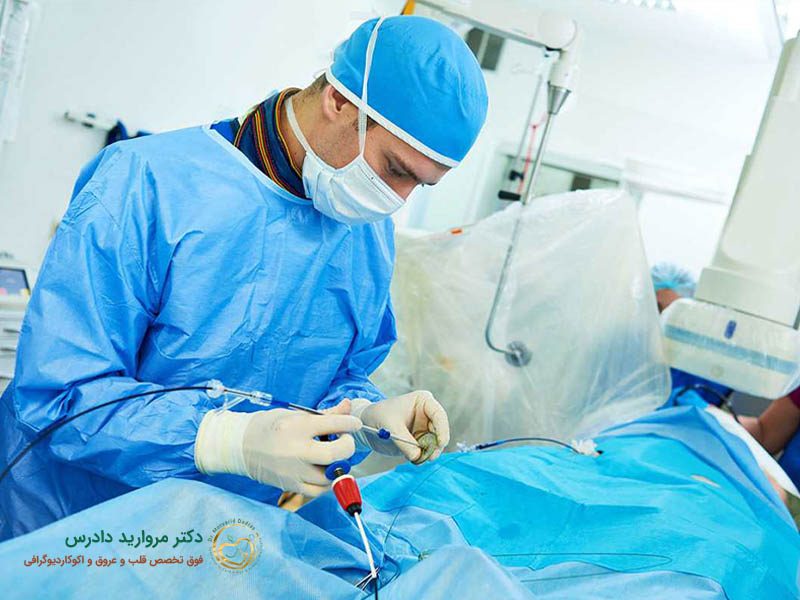
**Cardiac cardioversion** is a treatment method to correct various types of **cardiac arrhythmias**. Usually, this treatment is done with medicine or through **electric shock**, similar to **defibrillator**. The choice of treatment method depends on the type of **arrhythmia and the health status of the patient**. This method is usually prescribed when a person's heart condition is dangerous. In this treatment, a combination of electricity and drugs may be used to restore the heart's normal rhythm. But which **arrhythmias can be treated with cardioversion**? In this article, all the details related to **cardioversion** will be reviewed. The best way to prevent **serious heart problems** is to do **routine heart checkup**. Dr. Dadres, **cardiologist in Tehran**, can help you in diagnosing and treating heart diseases. Call us to book an echocardiogram appointment. **Types of cardiac cardioversion**
Your heart has an internal electrical system that is responsible for beating the heart throughout life. Cardiversion is necessary when these signals are disturbed and cause the heart to beat irregularly or even stop. There are various causes for these rhythm disorders, including medication, electrolyte imbalance, or even aging. Usually, **heart diseases** are the main cause of these arrhythmias. Cardioversion treatment usually uses electrical or drug methods, and the choice of method depends on the underlying causes of the arrhythmia. ### **Electric cardioversion**
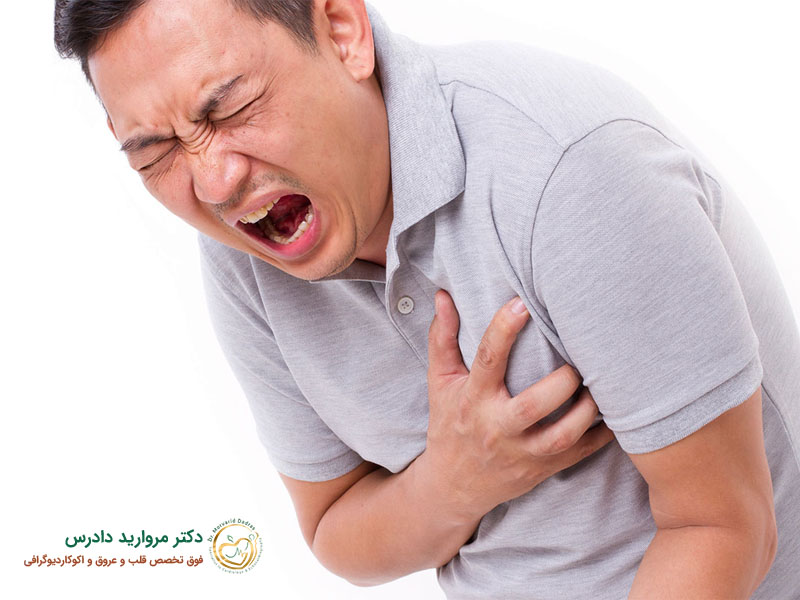
People who are conscious and require electrical cardioversion may experience signs and symptoms that include:
- Feeling tired
- Dizziness
- General weakness
- Pain in the chest area
- shortness of breath
- Confusion and mental confusion
### **Electrocardiogram (EKG)**
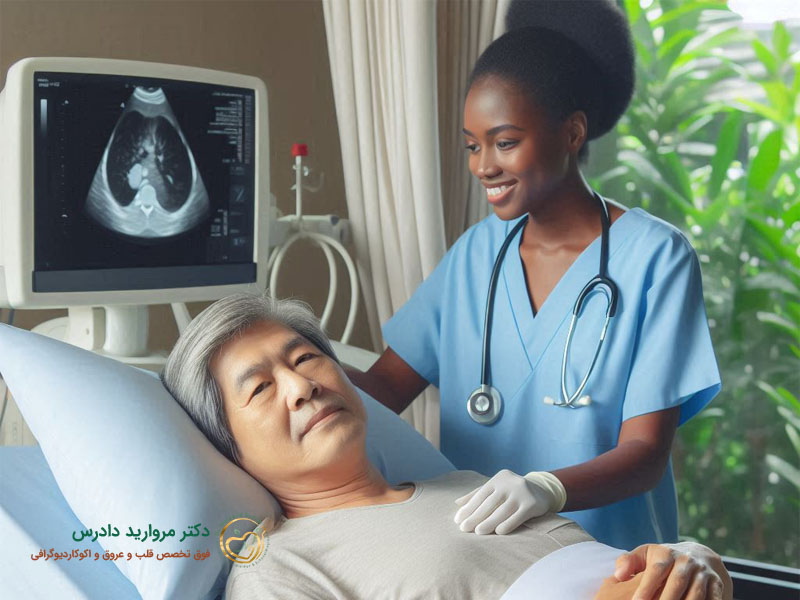
**Electrocardiogram** is used to monitor **heart rhythm**. In this method, electric shock is delivered to the body through adhesive electrodes that are connected to the defibrillator device. If the person is conscious, they may be given a sedative before the procedure. During the cardioversion process, it is very important that the electrodes are in full contact with the skin. Some people may need to shave their chest hair. If a person has a pulse but his **heart rhythm** is not normal and needs treatment, simultaneous **cardiversion** can be used. However, in many cases where cardioversion is necessary, the person does not have a pulse, and this procedure is performed to restore the heart's electrical activity, which is called asynchronous defibrillation or cardioversion. **Defibrillation (asynchronous cardioversion)**
This type of cardioversion is used when the person has no pulse. In such a situation, the patient's condition is dangerous and serious, and prompt treatment with both **cardiversion** methods and the drugs used should be done immediately. ### **Ventricular fibrillation**
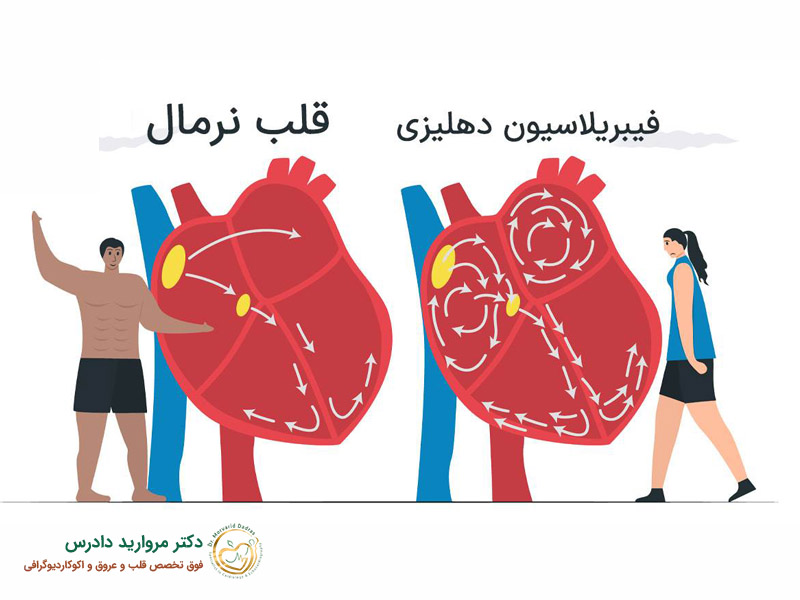
Ventricular fibrillation occurs when the left ventricle of the heart becomes abnormally agitated and flutters. In this case, the heart is unable to pump blood and there is no pulse. Ventricular fibrillation is one of the main causes of sudden cardiac arrest. In these cases, **electrical shock for defibrillation** or stopping the irregular electrical impulses is used for treatment. **Defibrillation** causes simultaneous contraction of more **cardiac muscle cells**. This sudden "shock" gives the heart's natural pacemakers, located in the right atrium, a chance to regain control of the heart's rate and rhythm. This **cardioversion** method is performed with the aim of restoring the normal rhythm of the heart with a pulse. ### **pulseless ventricular tachycardia**
Defibrillation is also used when pulseless ventricular tachycardia occurs. In this type of **cardiac arrhythmia**, the heart beats in a regular rhythm, but it is too fast and is unable to fill itself with blood between beats. A normal heart rate is usually between 60 and 100 beats per minute, but in ventricular tachycardia, it can reach 220 beats per minute. This rapid heart rate and inability of the heart to pump blood makes this rhythm a lethal rhythm. ### **simultaneous cardioversion or defibrillator**
Sometimes, the **rapid heartbeat in tachycardia** is still regular and the person has a pulse. But the pulse is so fast that it cannot be effective in pumping blood to the body. Another type of cardioversion is used to treat this condition. The defibrillator controls the heart rhythm and the shock is delivered at the right time. ### **Cardioversion with drugs**
Medicines can be used to slow or speed up the heart rate or change it to another rhythm. These drugs are also used for long-term control of atrial fibrillation. One of the advantages of using drugs in cardioversion instead of **electric shock** is that there is no need for sedation in conscious people. Electrical cardioversion is mostly used in patients who have dangerously abnormal blood pressure or who have developed serious symptoms. Medical cardioversion is used in conditions such as ventricular fibrillation, where a doctor tries to restart a heart that has no pulse. The drugs used in **cardioversion** depend on the type of disease being treated. People who are treated with **electrical cardioversion** and drugs usually find drug cardioversion easier and less painful. ### **Beta blockers**
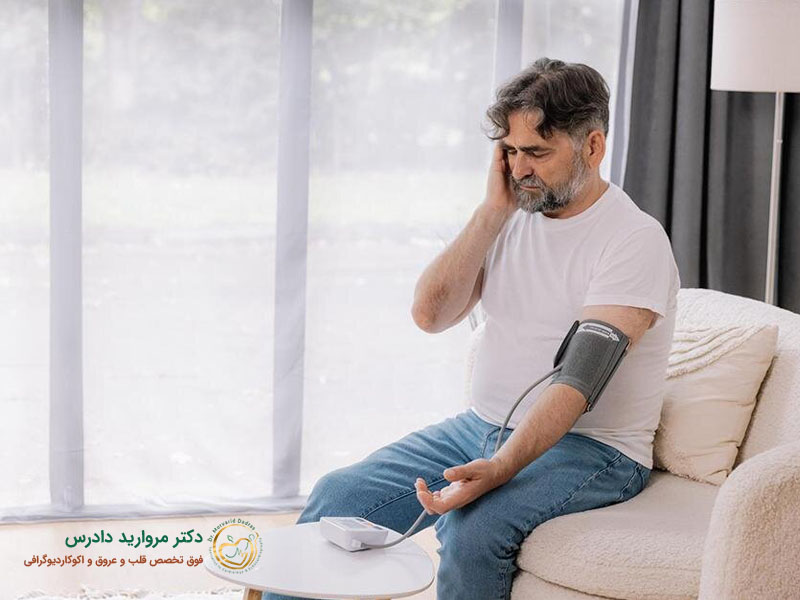
Some **types of SVT rhythms** can be reduced with medications called **beta blockers**. These drugs help restore **normal heart rhythm** and improve blood flow and reduce symptoms. Beta blockers can also be used for long-term control of a fast heart rate. In addition to treating heart rhythm problems, these drugs are also used to treat high blood pressure. Beta blockers commonly used to manage SVT rhythms include:
- Lopressor (Metoprolol)
- Tenormin (atenololol)
- Inderal (propanolol)
- go block (osmolol)
### **planting devices**
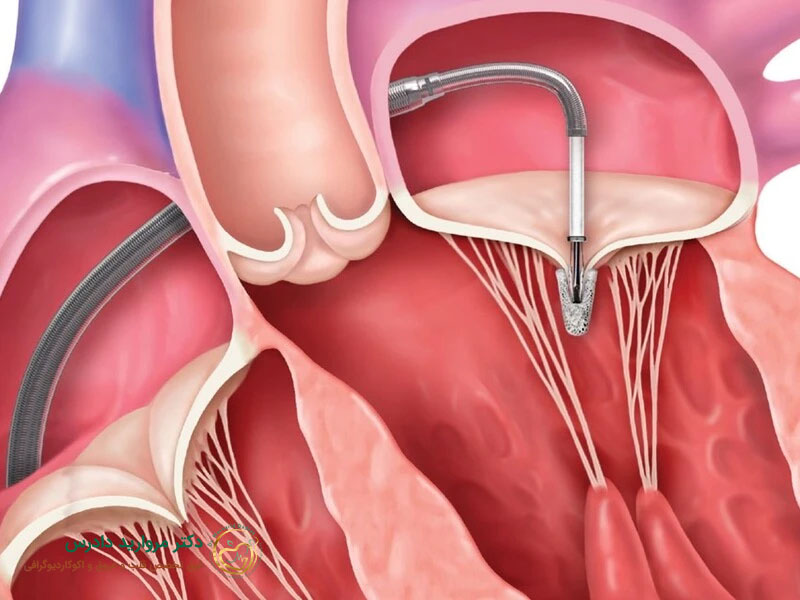
Some heart rhythm disorders may be treated long-term with a surgically implanted device. For people with bradycardia, a pacemaker may be implanted, and for those with life-threatening rhythms such as ventricular tachycardia or fibrillation, a cardioverter defibrillator may be implanted. **In which patients is cardioversion not performed?**
The risks and contraindications of electrical cardioversion depend on the type of procedure and the condition of the individual. For example, patients who have no pulse should not be defibrillated. Also, when a person is in contact with water, such as a swimming pool, using a **defibrillator** may not be appropriate. ### **atrial fibrillation**
Cardioversion, which is used to treat atrial fibrillation rhythms, may lead to serious side effects, including:
- Stroke
- Pulmonary embolism
- **heart attack**
People with heart rhythm problems are usually prescribed blood thinners such as Eliquis, Xarelto, and Pradaxa. Also, heparin and Coumadin are among the most common of these drugs. ### **sedation injection**
It is common for people who are conscious during electrical cardioversion to have a sedative injection. This injection is done to avoid patient discomfort and anxiety during the procedure, even if the treatment is successful. Sedation may also be given to the patient after cardioversion. ### **Medications to restore heart rhythm**
Medicines used to restore the heart's rhythm to normal are effective, but may carry serious risks. These drugs can cause problems such as blood clots, chest pain, or other changes in heart rhythm. ### **after cardioversion**
If the cardioversion is successful, most people will see a rapid and dramatic improvement in their symptoms. After that, the treatment focus will be on the main cause of **cardiac arrhythmia**. In general, patients can receive multiple electric shocks or drug doses without serious harm. ### **Complications due to cardioversion**
After performing **electrical cardioversion**, some side effects may be experienced. These complications include the following:
- Stimulation in the areas around the electrode sites
- Chest pain
- Anxiety
When patients are treated with medication for arrhythmia, they may feel palpitations. This state is due to the change of the heart rhythm by the drug and usually lasts for a few seconds. Some patients may feel this throbbing for a longer period of time. ### Last word
**Cardioversion** is a treatment method** that is used to regulate abnormal heart rhythms and restore the correct **electrical signals** in it. Some of these rhythms, such as **atrial fibrillation**, require treatment, but are usually not life-threatening. In other conditions, disturbance in **heart rhythm** can be dangerous and in such cases, **cardiversion** can save the patient's life. This method is usually safe and effective for treating **cardiac arrhythmias**, although in an emergency the medical team may not be able to provide much information about the details. The heart can be restarted through drugs designed to reset its rhythm, or by using electricity (shock), or a combination of both treatments.
### Online appointment booking request