در سالهای اخیر، اصطلاح «ارتودنسی زودبازده» یا «ارتودنسی سریع» بیش از همیشه در تبلیغات دیده میشود؛ از شبکههای اجتماعی گرفته تا بیلبوردهای شهری، همه جا وعدههایی درباره صاف شدن دندانها در مدت زمان بسیار کوتاه به چشم میخورد. بیمارانی که سالها برای شروع درمان مردد بودند به ویژه افرادی که به دنبال ارتودنسی برای بزرگسالان هستند وقتی میشنوند ارتودنسی میتواند در چند ماه نتیجه دهد، طبیعی است جذب این عنوان وسوسه کننده شوند. اما سوال اصلی اینجاست که آیا واقعاً ممکن است دندانها در زمانی بسیار کمتر از درمان معمول جابهجا شوند؟ یا این عنوان صرفاً یک تکنیک تبلیغاتی برای جلب توجه بیماران است؟
زمانی که درباره ارتودنسی صحبت میکنیم، باید به این نکته توجه داشت که جابهجایی دندانها، برخلاف ظاهر سادهاش، یک فرآیند کاملاً زیستی و فیزیولوژیک است؛ موضوعی که در ارتودنسی برای بزرگسالان اهمیت بیشتری هم پیدا میکند. استخوان فک باید خود را بازسازی کند، ریشه دندان باید در حرکت کنترل شده باقی بماند و بافتهای نگه دارنده باید فرصت تطبیق پیدا کنند. هیچ کدام از این فرآیندها را نمیتوان با عجله پیش برد. از طرفی، برخی روشها توانستهاند مدت زمان درمان را کوتاهتر کنند، اما نه در حد وعده هایی که معمولاً در تبلیغات دیده میشود.
این مقاله دقیقاً به همین موضوع میپردازد: اینکه ارتودنسی زودبازده واقعیت دارد یا خیر، کدام روشها به ویژه در حوزه ارتودنسی برای بزرگسالان معتبر هستند، چرا برخی روشها از نظر علمی تأیید نشدهاند و چه افرادی ممکن است کاندید درمان کوتاه مدت باشند. By scientifically examining these methods, we provide a more realistic picture of what is possible so that the patient can make an informed and accurate decision.
Mechanism of short-term orthodontic treatments
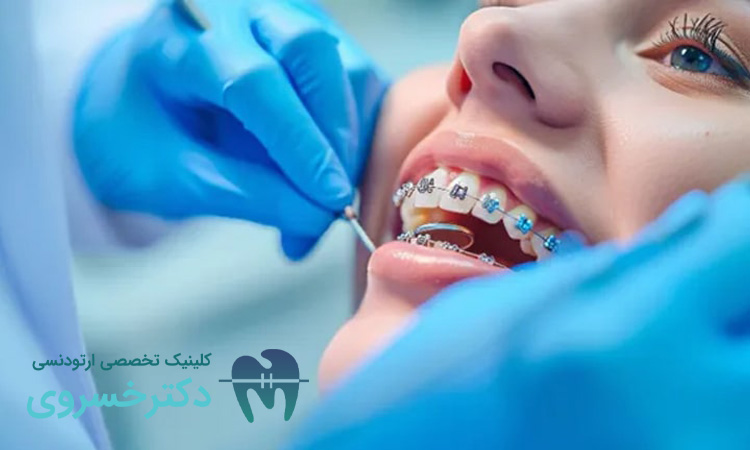
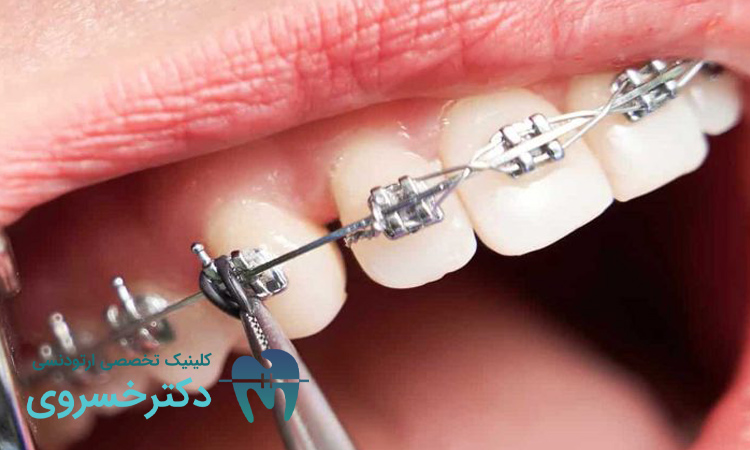
Although the term "quick orthodontics" sounds attractive, first of all, it is necessary to know how the teeth move during the treatment. When the orthodontist applies gentle and controlled forces to the tooth through brackets or aligners, the bone around the root must go through the process of analysis and reconstruction to provide the path for the tooth to move. This process is quite time-consuming and requires between three and four weeks for each step; An issue that is independent of the method of paying for treatment, including
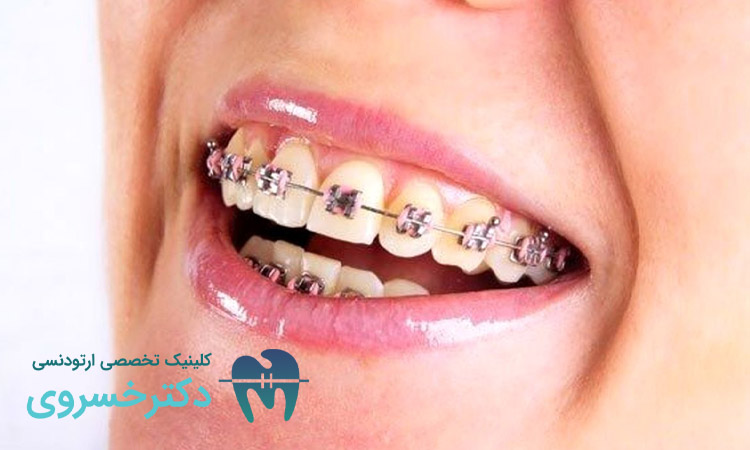
In fact, early orthodontics are often designed for mild problems; Like small displacements or surface modifications. In these cases, you can focus only on the front teeth and skip the comprehensive treatment that includes the entire jaw. This limited focus on the front teeth makes the treatment seem shorter, but in fact it is not full orthodontics.
What should be noted is that early-result orthodontics usually only make a small part of the correction and are not suitable for moderate or severe malocclusions. If the treatment is done too quickly, there is a risk of root resorption, loosening of the teeth and reversal of the treatment. Therefore, the goal of these methods is safe and controlled acceleration, not rushing and removing vital steps of treatment.

Why are some methods not scientifically reliable?
In recent years, various treatments called "fast teeth movement" have entered the market, but not all of them are accompanied by strong scientific support. Some companies try to attract patients with slogans such as "straighten teeth in 6 months", "painless orthodontics in a short period of time" or "immediate result without long follow-up".
The main problem with these methods is that they ignore the biological laws of tooth movement. The bone cannot be regenerated by strong and sudden pressures. Moving the tooth very fast not only does not produce a stable result, but can cause severe damage to the root structure and supporting tissues.
In some unscientific methods, very high forces are used to move faster, which leads to root erosion or loosening of the teeth. Others try to shorten the time by omitting important treatment steps; including removing monthly adjustments, removing the finishing step or using tools that do not have precise control over tooth movement. Valid short-term treatments are all based on scientific control of tooth movement; That is, the amount of pressure, movement path, timing and interaction with the bone are fully monitored. Unreliable methods, however, ignore these principles and create a seemingly quick but unstable result.
Thus, although quick-result orthodontics is real, its advertising versions that make exaggerated claims are not reliable. Safe treatment should always be designed by an orthodontist, not by tools or systems without scientific approval.

Comparison of real results with common advertisements
What is seen in advertisements is usually It is a simple and easy picture of the treatment process. In many advertisements, the teeth are shown to be straight in just a few weeks to a few months, without mentioning the biological and technical details of the treatment. But the reality is not like that. Teeth movement, even with early orthodontics, still requires time, follow-up and care.
One of the important differences between Advertising and the reality is that most advertising only focuses on the front teeth. Straightening a few front teeth is not a difficult task, and using a series of small brackets or limited aligners can quickly change their appearance. But this limited correction may cause the posterior teeth to remain in the wrong position and the tooth contact is not perfect.
To show the difference between advertising and real treatment, the following table provides a detailed summary:
Comparison of advertising claims and real results of early orthodontics
| Comparison case | advertisement Common | Reality of treatment |
| Duration of treatment | A few weeks to 3 months | From 6 months to a year for mild cases |
| Scope of correction | Only the appearance of front teeth | Relative and limited correction, not complete |
| Result stability | Declared permanent and definitive | Retainer need and possibility of return |
| Pressure applied | No pain, no discomfort | A little bit of natural pressure, sometimes need to adapt |
| Who is it for? | All patients | Only for mild abnormalities |
| Expert role | Light and simplified | need for careful treatment planning and expert supervision |
This comparison shows that there is real early-return orthodontics, but what is presented in advertisements is a simplified and often exaggerated version.

Which patients may be candidates for rapid treatment?
Although many patients are interested in short-term treatment, rapid orthodontics is not for everyone. Those who have severe jaw deformities, large gaps between teeth, severe rotations or lack of coordination between the two jaws, need to receive comprehensive treatment.
On the other hand, quick treatment can be a good option for those who have very mild deformities. People whose only front teeth are slightly irregular, or who have had orthodontics in the past and now have minor receding, are usually the best candidates.
The following indicate which patients may get the best results from early orthodontics:
- People who need minor corrections
- Patients who have good contact but a few front teeth need regularization. There are
- People who need to speed up the smile appearance due to the proximity of an important event such as a marriage or a job interview
- People whose previous orthodontic treatment has experienced a very slight reversal
- Patients whose jaws are completely normal and have no structural problems
In this People, because the jaw structure does not need to be modified and the movement of the teeth is limited and superficial, the duration of treatment is significantly reduced. But it is necessary for the patient to know from the beginning that quick-acting orthodontics is only suitable for solving small problems and cannot be a substitute for comprehensive treatment. Finally, it should be remembered that no quick treatment without regular use of retainer will have a stable result. After the treatment is over, fixing the position of the teeth is an important part of the process, and if this part is neglected, the orthodontic results may gradually return to the original state.
Conclusion
Early orthodontics is a reality, but not in the way it is seen in colorful advertisements. This treatment will only be effective for small corrections, minor problems and cases where the jaw structure is healthy. Teeth need time to move, and no method can eliminate the biological basis of tooth movement. Therefore, if a person comes across an advertisement that claims that teeth will be completely straight in a few weeks, he should be aware that such a claim is not scientific and may cause damage to the tooth root and supporting tissues. The best way to choose the right method is to consult with an orthodontist and carefully examine the condition of the mouth and jaw. Finally, early-result orthodontics can be a suitable and efficient option, but only for people who are suitable candidates. Knowing the limitations and realities of this treatment helps the patient make an informed decision and obtain a lasting and healthy result.
Frequently Asked Questions
1. Is early orthodontics really effective?
Quick treatment is effective for some patients with mild deformities, but it cannot replace comprehensive orthodontics. This method has good results only for limited modifications.
2. Why are very fast treatments not reliable?
Because tooth movement is a biological process and accelerating it too much may cause damage to the root, bone loss or treatment reversal. Reliable treatment should be done under expert supervision. 3. Who are the best candidates for early orthodontics?
Patients with minor irregularities, people who have already had orthodontics and experienced mild retraction, or patients who only need limited correction of the front teeth.
4. Does quick treatment have a lasting result?
The result will be stable when the patient uses the retainer after the treatment. Without a retainer, the possibility of the teeth returning is high.