به یاد فرزندان جاویدان این سرزمین

یادشان همواره در قلب این خاک زنده خواهد ماند

What is a tooth cavity? A complete guide to the prevention, treatment and care of tooth decay
مقاله تخصصی

What is a tooth cavity? A complete guide to the prevention, treatment and care of tooth decay

3 weeks ago
586 بازدید
Dr. Mehrzad Zare

Dr. Mehrzad Zare

Marvdasht

Surgeon - Dentist

Dental cavities are one of the most common oral problems that affect millions of people worldwide. If you are looking for an exact answer to the question "What is a tooth cavity?" This comprehensive article will help you learn about all aspects of tooth decay, from causes and symptoms to prevention and modern treatments. Cavities are not only a simple problem, they can lead to serious infections and tooth loss. In this article, we take an in-depth look at dental cavities and provide practical tips for maintaining your oral health. Let's start this journey together and find out how you can prevent tooth decay.

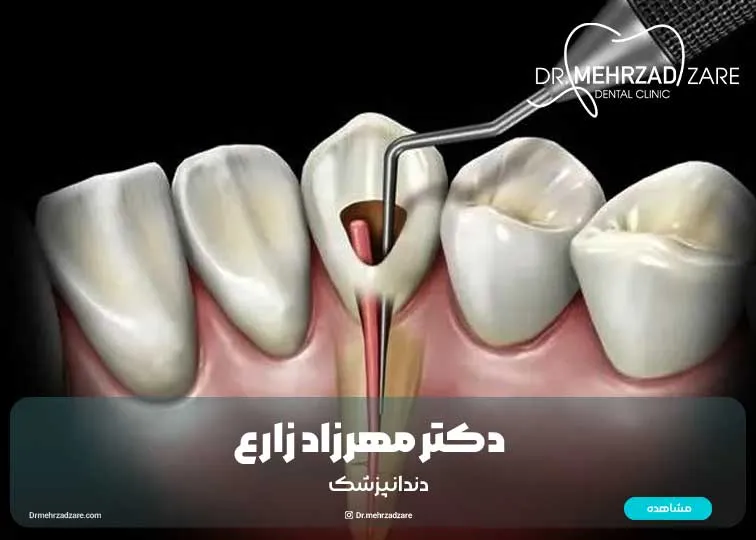
Dental cavity, or tooth decay, is a process in which tooth enamel - the hard and protective outer layer - is gradually destroyed and creates a hole or cavity. This problem starts with the accumulation of harmful bacteria in the mouth and if it is not treated, it penetrates into the deeper layers of the tooth.

Imagine your teeth are strong like a castle; Tooth enamel builds its walls, but bacteria and sugars erode these walls. Due to the high sugar diet and limited access to dental care in some areas, this problem has become a problem. Tooth cavity appears not only in back teeth (molars) where chewing is more common, but also in smooth and interdental surfaces. Early symptoms include sensitivity to hot and cold, mild pain when chewing, or white/brown spots on the enamel. If you recognize it early, you can prevent its progress.

Primary treatment of a cavity is simple, but neglecting it can lead to an abscess. A simple radiograph can reveal hidden cavities.

Reasons Tooth cavity formation: hidden and obvious factors

Dental cavity is the result of a complex interaction of biological, environmental and behavioral factors. Bacteria in dental plaque—the sticky layer of biofilm on teeth—play a major role. These bacteria, such as Streptococcus mutans, convert sugars in food into acids. These acids acidify the pH of the mouth and dissolve tooth enamel, which is called "demineralization".

What is a tooth cavity? A complete guide to the prevention, treatment and care of tooth decay

1. Improper diet

High consumption of sweets, carbonated drinks and simple carbohydrates are the main fuel for bacteria. For example, a can of soda can keep the pH of the mouth acidic for up to 30 minutes. In Iran, with the popularity of sweet tea and traditional sweets, this factor is very common. Studies show that people who consume more than 50 grams of sugar per day are 4 times more exposed to cavities.

2. Poor oral hygiene

None Toothbrush Brushing regularly (twice a day) and not flossing allows plaque to build up. Fluoride – the mineral in toothpaste – can strengthen enamel, but is ineffective without regular use. dry Mouth (xerostomia) caused by drugs or diseases such as diabetes, reduces saliva; Saliva plays the role of an acid buffer and without it, the tooth cavity progresses faster.

3. Genetic and environmental factors

Some people genetically have thinner enamel, which makes them more susceptible to cavities. In areas with low fluoride water, the risk increases. Smoking and alcohol also make bacteria more active. In children, a bottle of milk with sugar before bedtime causes "bottle rot".

4. Lesser known factors

Understanding these reasons will empower you to change your lifestyle and prevent tooth decay.

Prevention of cavities is better than cure, and by following a few simple habits, you can reduce your risk by 80%.

1. Daily oral hygiene

twice every day2. Smart diet

Limit sugar: Choose fresh fruit instead of sweets. After sweet meals, rinse your mouth with water to neutralize the acid. Calcium and phosphorus from dairy products and nuts restore enamel. Fluoridated drinking water (0.7 ppm) is the best prevention.

3. Regular inspections and advanced tools

See a dentist every 6 months. Sealants—resin layers on the grooves of teeth—prevent cavities in children by up to 90 percent. Topical fluoride therapy or homemade gels are also effective. For high-risk people, fluoride varnish is prescribed every 3 months.

What is a tooth cavity? A complete guide to the prevention, treatment and care of tooth decay

4. Side preventions and appropriate exercises

Exercise chewing sugar-free gum (contains xylitol) stimulates saliva and balances pH - 10 minutes daily after meals. For children, it is useful to teach brushing with playful applications. During pregnancy, mothers reduce caries in themselves and the fetus with calcium supplements. Regular exercise also keeps the mouth healthy by reducing stress.

With these methods, you can challenge the tooth cavity and create a lasting smile.

Once a cavity is diagnosed, prompt treatment is essential to prevent the infection from spreading. Treatment steps depend on the depth of decay.

1. Standard treatments

In the initial stages, the dentist removes the decay with a drill and with Composite or amalgam fillings. This process takes 30-60 minutes and is minimally painful (with local anesthesia). For deep cavities, a root canal is necessary; The dentist removes the infected nerve and fills the canal, then places a crown. Laser lasers are also used to remove caries without pain.

2. Alternative and new treatments

If you're afraid of the drill, ozone therapy—the injection of ozone gas to kill bacteria—is a non-invasive option. Nanotechnology with silver particles stops decay without drilling. For children, sedative fillings reduce pain. Home remedies, such as oil pulling with coconut or manuka honey, reduce bacteria, but are not a substitute for a dental visit. In advanced cases, implants or bridges are used to replace missing teeth.

Untreated complications include chronic pain, gum infection and even heart problems (due to bacteria entering the blood).

3. Post-treatment care

After filling, avoid hard foods and keep the mouth clean. Antibiotics are prescribed only for infection. Follow-up with photography ensures the success of the treatment.

By choosing the right treatment, you can save your teeth and say goodbye to cavities.

Complications Tooth cavity: why you should not ignore it

An untreated cavity penetrates the dentine layer (under the enamel) and causes severe pain. In advanced stages, it reaches the pulp (nerve) and forms an abscess – a painful swelling that causes fever and swelling of the face. Studies show that 20% of untreated caries lead to tooth loss. In children, it can disrupt jaw development; In adults, it is related to systemic diseases such as arthritis. Prevention and early treatment is the key to avoid these complications.

Dental cavity is a preventable and treatable problem that can be avoided with awareness and action. From definition10 Frequently Asked Questions

1. What is a tooth cavity and how common is it?
Tooth enamel is destroyed by bacteria. More than 90% of adults experience it at least once.

2. What are the initial symptoms of a tooth cavity?
White or brown spots, sensitivity to cold/heat, and mild pain when chewing. See a dentist soon.

3. Is a tooth cavity reversible?
In the early stages, yes, with fluoride and a low-sugar diet; But the deep hole needs to be filled.

4. How to prevent cavities in children?
Brushing with fluoride from 6 months, limiting sugar, and sealant on back teeth.

5. How long does tooth cavity treatment take?
simple filling 30 minutes; Root canal 1-2 sessions. Painless with anesthesia.

6. Does diet soda cause cavities?
Yes, its acids erode enamel, even without sugar.

7. Is tooth cavity dangerous during pregnancy?
Yes, the infection can reach the fetus; Safe treatment with doctor's advice.

8. How effective is flossing in prevention?
40-60%, because it cleans interdental plaque.

9. Do whitening toothpastes cause cavities?
No, but their abrasiveness can thin the enamel; Use mild types.

10. How much does tooth cavity treatment cost in Iran?
From 200 thousand tomans for filling to 5 million for implants, depending on the city and clinic.

10 common misconceptions

1. Belief: Tooth cavities are caused only by eating sweets.
False: Any food that contains sugar or starch activates bacteria; Even white bread.

2. Belief: brushing your teeth is enough and flossing is not necessary.
False: 40% of plaque is removed with thread; Without it, interdental cavity is common.

3. Belief: Tooth cavities are rare in adults.
False: 90% of adults have caries; Age has nothing to do with it.

4. Belief: candy without sugar is safe.
False: sorbitol alcohol in them is acidic and causes decay.

5. Belief: pain means a deep hole; Painless means healthy.
False: the initial stages are painless; Regular examination is essential.

6. Belief: Fluoride is harmful and causes cancer.
False: In standard amounts, it is safe and reduces decay by 25%.

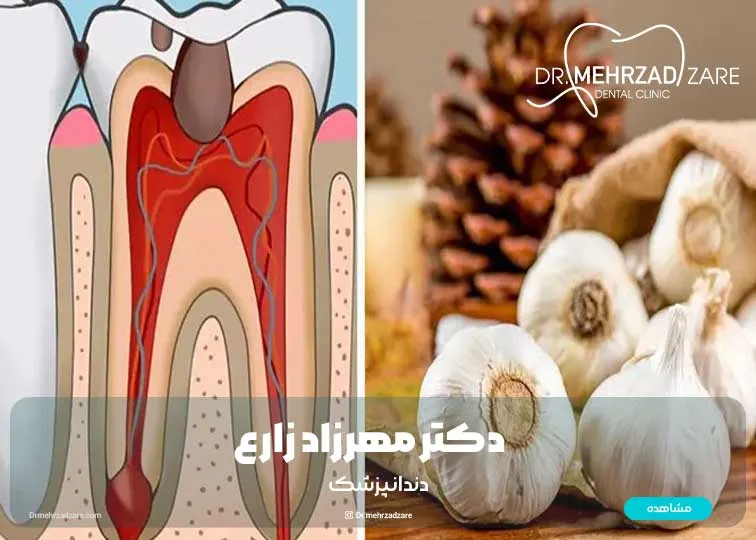
7. Belief: Home remedies like garlic heal cavities.
False: It only relieves symptoms; Infection needs a dentist.

8. Belief: smoking does not dry the mouth and is ineffective.
False: It reduces saliva and doubles the risk of caries.

9. Belief: tooth cavity is genetic and cannot be prevented.
False: genetics play a role, but health and diet control 80%.

10. Belief: Dental fillings are always necessary.
False: In the early stages, fluoride and diet are enough; پر کردن برای حفره‌های پیشرفته.

اشتراک‌گذاری:

مقالات مرتبط

مقالات دیگر از Dr. Mehrzad Zare

77 مقاله
Care after root canal treatment
مطالعه بیشتر

Care after root canal treatment

Endodontic treatment or nerve extraction is one of the most common dental treatments that aims to save the damaged t...

3 weeks ago بخوانید
Prevent bad breath
مطالعه بیشتر

Prevent bad breath

Bad breath is one of the most common oral and dental problems and many people experience it during their lifetime. T...

3 weeks ago بخوانید
The effect of teeth on facial harmony; The role of teeth in the beauty, fit and youth of the face
مطالعه بیشتر

The effect of teeth on facial harmony; The role of teeth in the beauty, fit and youth of the face

The human face is a harmonious set of different components such as eyes, nose, lips, jaw and teeth, which together f...

3 weeks ago بخوانید
Fluoride for Children: The Complete Guide to Prevention and Dental Care
مطالعه بیشتر

Fluoride for Children: The Complete Guide to Prevention and Dental Care

Dental health in children is one of the most important parts of their growth and development. Tooth decay is one of...

3 weeks ago بخوانید
Cracked tongue: causes, symptoms and treatment
مطالعه بیشتر

Cracked tongue: causes, symptoms and treatment

Cracked tongue is one of the common oral problems that many people face in their daily life. This condition, sometim...

3 weeks ago بخوانید
Gum health and smoking: effects, prevention and treatment
مطالعه بیشتر

Gum health and smoking: effects, prevention and treatment

Smoking has been known as one of the biggest enemies of oral and dental health for years. People who smoke are more...

3 weeks ago بخوانید
Home treatment of tooth and gum abscess
مطالعه بیشتر

Home treatment of tooth and gum abscess

Tooth or gum abscess is one of the most painful oral problems that affects many people. This complication occurs whe...

3 weeks ago بخوانید
Children's oral hygiene: from infancy
مطالعه بیشتر

Children's oral hygiene: from infancy

The health of the mouth and teeth is considered one of the most important foundations of the general health of the b...

3 weeks ago بخوانید
How to Get Kids to Brush Their Teeth: A Comprehensive Guide for Parents and Educators
مطالعه بیشتر

How to Get Kids to Brush Their Teeth: A Comprehensive Guide for Parents and Educators

In today's fast-paced world, encouraging children to adopt healthy habits such as brushing teeth not only helps thei...

3 weeks ago بخوانید
Methods to restore chipped teeth: a complete guide to smile restoration
مطالعه بیشتر

Methods to restore chipped teeth: a complete guide to smile restoration

Methods to restore filled lips guarantee overall oral health beyond beauty. Cavities, often caused by trauma or abra...

3 weeks ago بخوانید
Gum cysts in children
مطالعه بیشتر

Gum cysts in children

Gum cyst in children is one of the most common oral and dental problems in infancy and early childhood. Many parents...

3 weeks ago بخوانید
Types of dental implants: which one is better?
مطالعه بیشتر

Types of dental implants: which one is better?

Tooth loss is not just an appearance problem; It can also affect general health, quality of nutrition, speech and ev...

3 weeks ago بخوانید
Locked jaw: causes, prevention and effective treatment
مطالعه بیشتر

Locked jaw: causes, prevention and effective treatment

Locked jaw is one of the common problems in the temporomandibular joint that impairs the ability to open and close t...

3 weeks ago بخوانید
What are the symptoms of a broken jaw?
مطالعه بیشتر

What are the symptoms of a broken jaw?

The jaw plays a key role in speaking, chewing, swallowing and even breathing. Any damage to this important structure...

3 weeks ago بخوانید
Is dental implant better or dental prosthesis?
مطالعه بیشتر

Is dental implant better or dental prosthesis?

Losing teeth can affect the function of the mouth, the appearance of the smile and even the general health of the bo...

3 weeks ago بخوانید
Caries and sweets in children
مطالعه بیشتر

Caries and sweets in children

Tooth decay is one of the most common chronic childhood diseases that affects millions of children worldwide. Contra...

3 weeks ago بخوانید
The difference between orthodontics and laminate to correct teeth
مطالعه بیشتر

The difference between orthodontics and laminate to correct teeth

Having neat, white and symmetrical teeth is not just a matter of beauty; It also plays an important role in self-con...

3 weeks ago بخوانید
Pagedone
Resources
Products
©GCORP LLC 2026, All rights reserved.