What is PRP? Durability, advantages, disadvantages + cost

Dr. Seyed Morteza Tabatabai
تهرانPhysical medicine and rehabilitation specialist


Dr. Morteza Tabatabai ✓
Physical medicine and rehabilitation specialist University faculty memberSpecialized treatment of spine and muscle pains with the latest modern medical methods and electrodiagnosis technology.
- Member of the National Elite Foundation
- Member of the World Association of Physical Medicine
- Research Director of the University of Medical Sciences
- has a specialized board of physical medicine
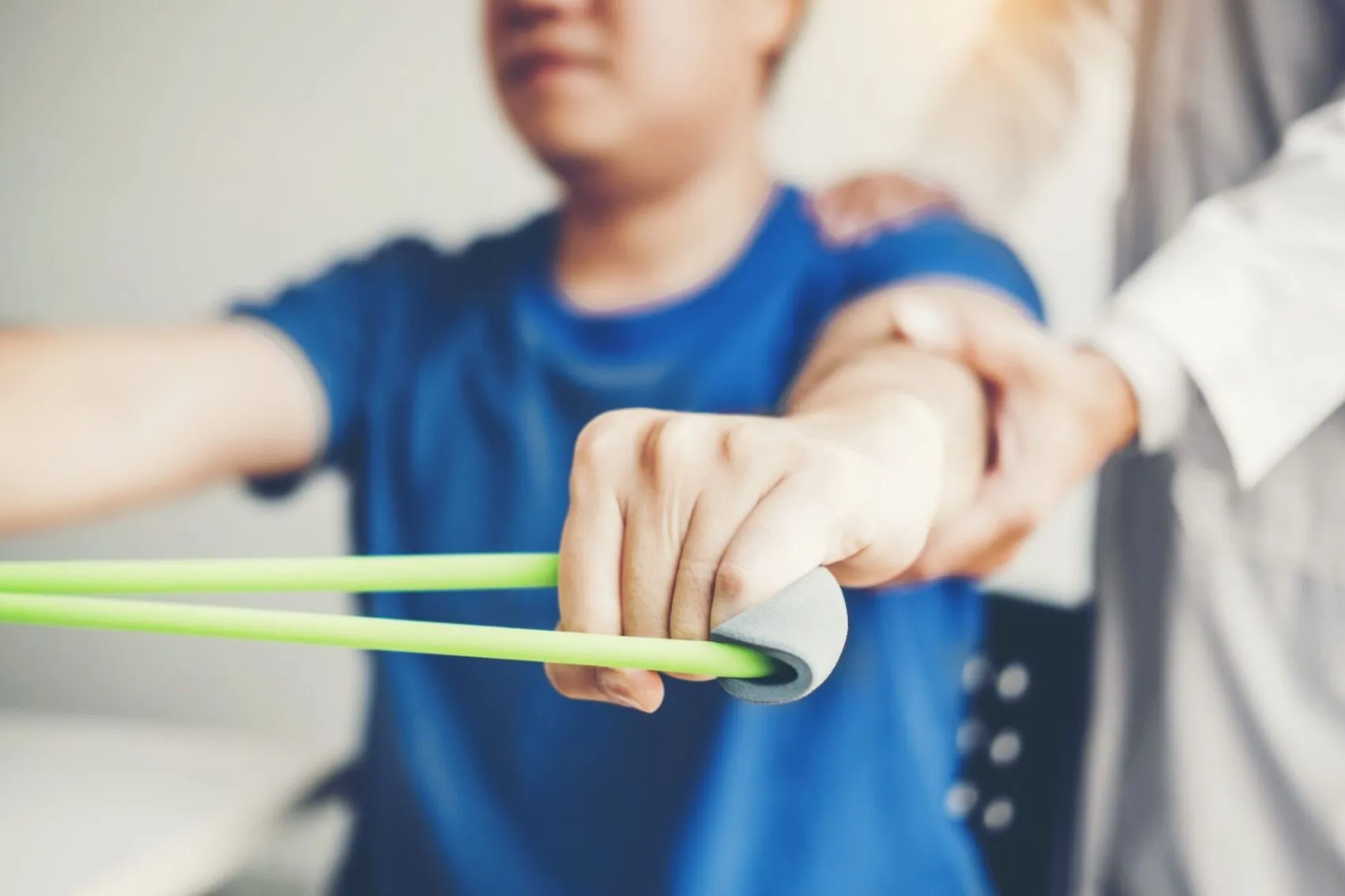
Use of PRP in physiotherapy and joint pain
PRP as one of the new methods in restorative medicine has found an important place in physiotherapy and treatment of musculoskeletal pain.

This treatment uses growth factors in platelets, tissue repair processes, It speeds up the reduction of inflammation and the regeneration of damaged structures, and for this reason, it is used as an effective supplement along with exercise therapy, manual techniques, and physical therapies.
Reducing inflammation and joint pain
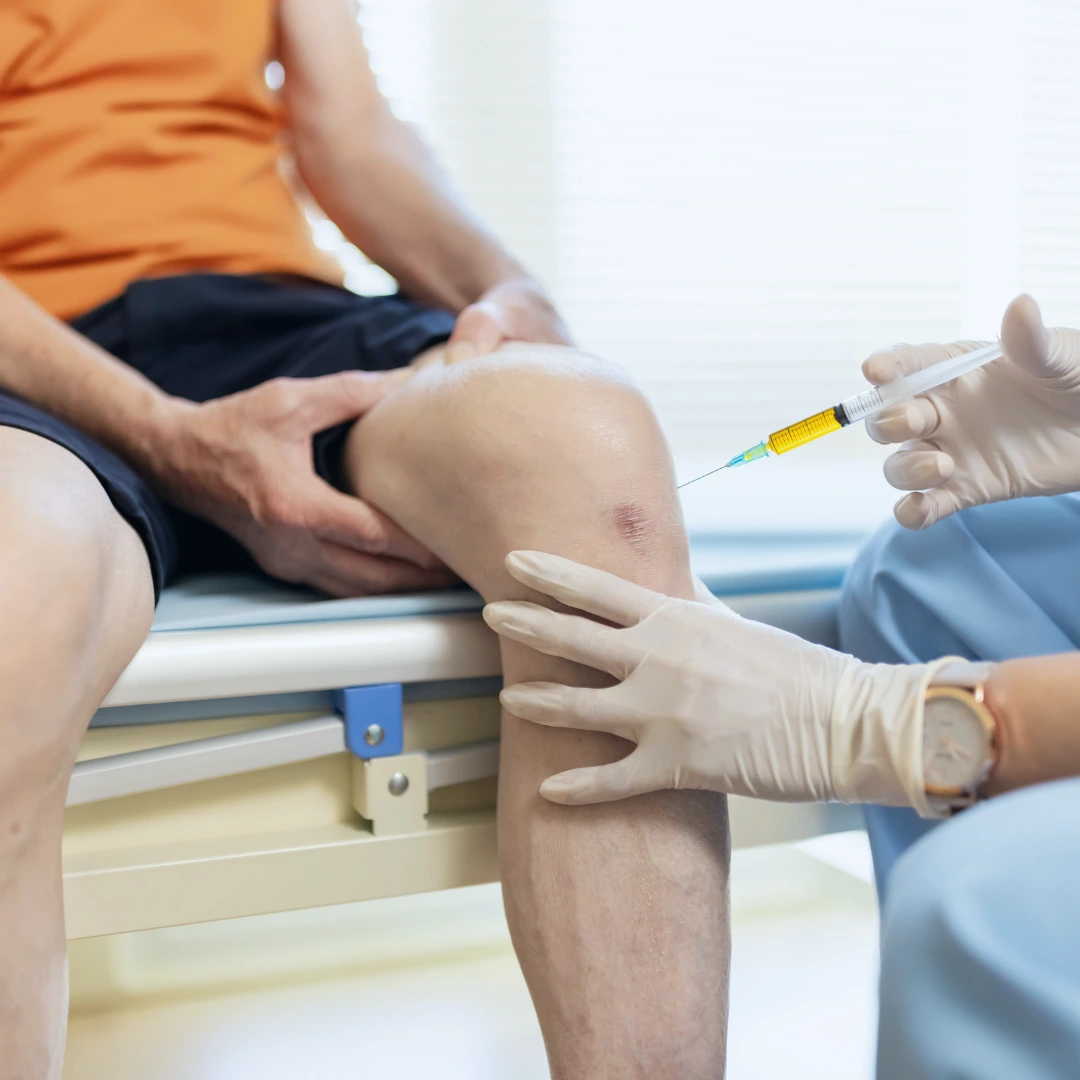
PRP injection can reduce joint inflammation, reduce chronic pain caused by injury or erosion, and help improve joint movement. This application is mostly used for knees, shoulders, elbows, and ankles.
Treatment of tendon injuries
In injuries such as shoulder tendonitis, Achilles tendonitis, and tennis elbow, PRP strengthens the tendon repair process by stimulating fibroblasts and increasing collagen production, and creates better results along with physical therapy exercises.
Helping repair Ligaments
In minor ligament tears, especially knee and ankle ligaments, PRP injection can speed up healing and restore joint stability more quickly.
In a randomized clinical trial (RCT) in anterior cruciate ligament (ACL) reconstruction, results showed that PRP resulted in increased primary angiogenesis and ligament repair, although functional improvement The long term was not clear (source).
Accelerating Recovery After Sports Injuries
PRP is widely used by athletes to shorten recovery time and return to training more quickly. This method strengthens recovery by reducing inflammation and increasing tissue blood supply.
Helping cartilage regeneration
In conditions such as joint wear or mild to moderate arthrosis, PRP can stimulate the activity of cartilage-forming cells and slow down the process of cartilage destruction, and can be helpful along with movement physiotherapy.
Combining PRP with Hyaluronic acid (HA) in the treatment of knee arthritis, in a meta-analysis showed that the combined effect in improving pain and joint function is better than using only one of the two (source).
PRP benefits
PRP is one of the reconstruction methods that use natural growth factors in platelets to help repair damaged tissues, rejuvenate skin and stimulate hair growth.
This autologous method (the use of one's own blood) reduces the risk of complications and many benefits can be seen in cosmetic, wound healing and medical applications. Next, we will review some important benefits of PRP.
Improving skin rejuvenation and reducing wrinkles
PRP can improve skin quality, make skin texture more even, and reduce fine lines and wrinkles. In a scientific review, after PRP sessions, a significant improvement in skin tissue, collagen density, and elasticity has been seen.
Wound repair and improved tissue healing
PRP accelerates the wound healing process by releasing various growth factors (such as PDGF, VEGF, and TGF-β), which is very useful for healing chronic wounds or after surgery.
Increasing growth Hair and hair loss treatment
In scalp therapeutic applications, PRP increases the number of hair follicles and hair density by activating molecular pathways related to hair growth (such as Akt and β-catenin).
Improving angiogenesis (angiogenesis)
Growth factors released by platelets, such as vascular endothelial growth factor (VEGF), induce angiogenesis (formation of blood vessels). new) that helps to increase blood supply and tissue nutrition and accelerates healing.
Reducing scars and improving the regeneration of extracellular matrix
By stimulating fibroblasts to produce collagen and elastin, PRP helps rebuild the structure of the extracellular matrix, which improves scarring and scarring.
Complications and risks PRP
PRP is generally considered safe because it is autologous (using one's own blood), but that does not mean it is without risk.
In clinical studies and systematic reviews, some local and systemic side effects have been reported, which vary depending on the injection site, the type of PRP kit, the concentration of leukocytes, and the preparation protocol. Knowing these risks is very important to make a more accurate decision.
Pain at the injection site
One of the most common side effects after PRP injection is local pain at the injection site. In a meta-analysis of knee treatments, researchers reported that in some protocols up to 45% of patients had a local reaction including pain (source).
Bruising, Redness, and Swelling
It is very common for local bruising (ecchymosis), erythema (redness), and swelling to appear after injection. The Dermatology Applications Review reported that these reactions are usually mild and transient.
Infection
If sterile conditions are not maintained during the preparation or injection process, bacterial contamination is possible. Studies have shown that local infection is one of the known risks.
Systemic effects and other risks
Some reports have mentioned more serious risks: for example, in some scientific literature, rare cases of nerve damage, syncope (fainting) after blood collection, hematoma formation (bleeding) or reaction to the anesthetic have been reported.
In addition, in a A meta-analysis of PRP injection complications in the knee reported a large number of moderate and mild complications (source).
Unknown long-term risk
Although many studies have shown that PRP is not very toxic, long-term data are limited. Some scientific reviews emphasize that it is still not possible to rule out all the neglected effects, especially when it comes to the frequent use of PRP in sensitive areas.
What are the types of PRP and what are the differences?
PRP is actually a regenerative technique based on the person's own blood, which is prepared in different ways.
| Full name / Abbreviation | Cell composition (leukocyte) | Shape and state | Activation method | Main application |
| pure PRP | minimal or no leukocytes | liquid (injection) | Chemical (requires activator) | Skin, rejuvenation, superficial wounds |
| Leukocyte-rich PRP | contains leukocytes | liquid (injection) | chemical (requires activator) | Orthopedics, tendons, deep tissues |
| pure PRF | usually without leukocytes | Natural gel or clot | Natural (no chemicals) | Dentistry, cosmetic surgery, bone repair |
| PRF rich in leukocytes | containing leukocytes | clot matrix | Natural (without chemicals) | Surgeries, repairs requiring durability |
Different types of PRP are classified based on platelet concentration, presence or absence of leukocytes, plasma volume and activation method. Knowing these types is very important to choose the right protocol in medical, cosmetic and orthopedic fields.
Pure PRP
This type of PRP (P-PRP) contains high platelets and minimal or no leukocytes. It is usually used for skin treatment, rejuvenation and repair of superficial wounds.
Leukocyte-rich PRP
Leukocyte-rich PRP (L-PRP) contains leukocytes in addition to the above platelets and is useful for orthopedic applications, treatment of tendons and deep tissues. The presence of leukocytes increases the antibacterial effects and stimulates tissue regeneration.
Pure PRF
Pure PRF (P-PRF) is a platelet-rich gel that coagulates naturally and does not contain activating chemicals. This type is used to repair soft and bone tissue as well as in dental and cosmetic surgeries.
PRF rich in leukocytes
This type of PRF (L-PRF) in addition to rich platelets, also includes leukocytes, and due to the creation of a clot matrix, it has long-term antibacterial and restorative effects.
The difference between types PRP
The main difference between PRP and PRF depends on several key factors. First, in terms of the amount and type of cells, pure PRP and PRF mainly contain high platelets and little or no leukocytes.
On the other hand, we should know that PRP and PRF also include leukocytes, which creates different antibacterial and inflammatory effects.
In terms of shape and concentration, PRP is ready to be injected as a liquid, but PRF It is a gel or clot and is usually used to place in the surgical site or tissue repair.
The activation method is also another difference; Some PRPs require activators such as calcium chloride or thrombin to activate platelets, while PRF is activated naturally and does not require chemicals.
Finally, clinical applications are also different; Liquid PRP is suitable for injection into joints, skin and hair, while PRP is mainly used in surgery, bone and skin repair, and long-term regenerative matrix creation.
Who is PRP suitable for?
PRP is generally suitable for people who are looking for natural and minimally invasive methods to improve tissue repair, skin rejuvenation, hair loss treatment or joint pain relief.
This method is considered a safe and effective option especially for those who do not want to use chemical drugs or have a history of allergies to foreign substances.
Also, people with superficial wounds, tendon injuries, mild joint disorders or the need to strengthen collagen and elastin of the skin can benefit from PRP.
However, people with bleeding problems, platelet disorders, diseases have severe autoimmunity or active infection, they may not be good candidates for PRP and need careful medical evaluation.
Who should not have PRP?
PRP is not suitable for everyone, and certain conditions can increase the risk of complications. People who have bleeding disorders, platelet diseases, coagulation disorders, or taking blood thinners should not usually do PRP. Also, those who have severe autoimmune diseases, active cancer, active infection, or severe inflammation in the injection area are not suitable candidates. Compliance with these restrictions is very important for the safety of the person and to reduce the risk of possible complications.
Clinical applications of PRP
PRP is widely used in reconstructive medicine, orthopedics, skin and hair and cosmetic surgery due to its high concentration of platelets and growth factors. Accelerate collagen production and damage repair. In the following, we examine the most important clinical applications of PRP.
Application in the treatment of tendon and joint injuries
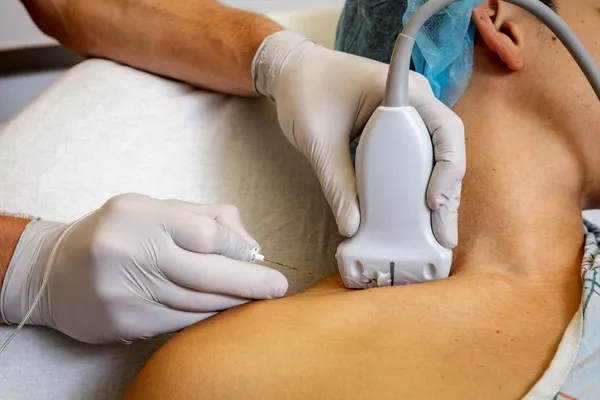
PRP is used as a non-surgical method to reduce pain and improve function in tendon, ligament and joint injuries.
Clinical studies have shown that PRP injections to patients with tendinopathy or osteoarthritis of the knee can Reduce pain and increase the quality of joint movement. Application in wound healing and surgeries PRP helps heal wounds by stimulating angiogenesis and collagen production. This method is used in chronic wounds, orthopedic and oral surgeries, and soft tissue and bone reconstruction.
Use in beauty and skin
Injecting PRP into the skin can strengthen skin tissue, reduce fine lines and wrinkles, and help rejuvenate the skin.
This method is especially effective in treating sun damage, scars, and reducing skin elasticity.
Application in the treatment of hair loss (alopecia)
By stimulating hair follicles and increasing blood supply to the scalp, PRP can strengthen hair growth and increase hair density.
This method is suitable for people with androgenetic alopecia or hair loss after injury or stress.
Application in dentistry and jaw surgery. Face
PRP is used to accelerate healing after dental surgeries, implants, and jawbone reconstruction, and can improve the healing process of soft and hard tissue.
What are the steps of PRP?
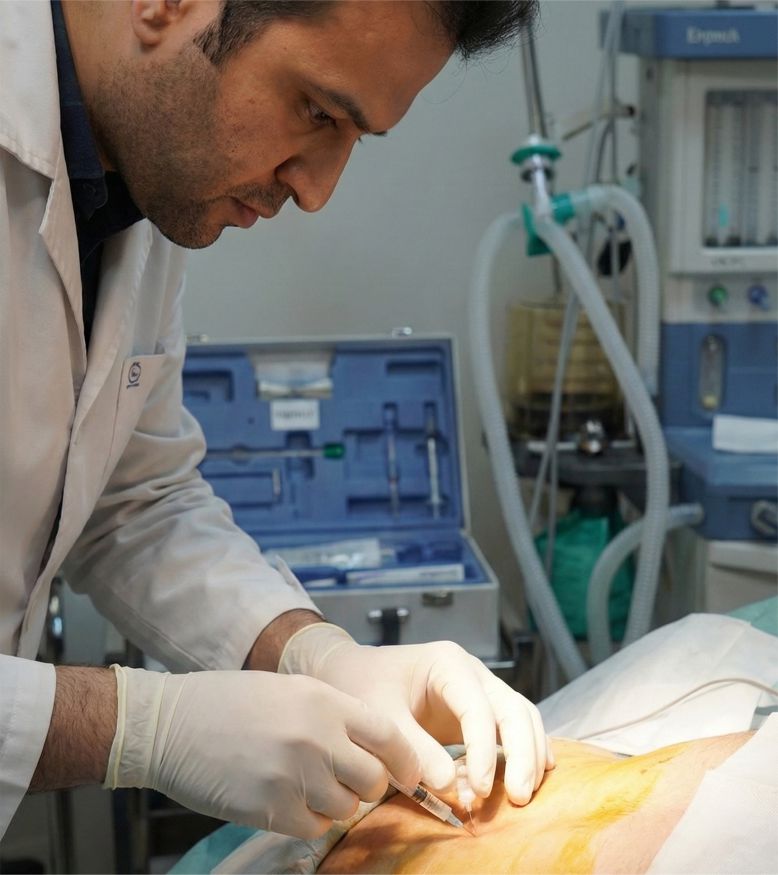
PRP is a precise and controlled process that includes blood preparation, platelet isolation, and injection into the desired area.

How much does PRP cost and how long does it last?
The cost of doing PRP depends on many factors and can be very different in different countries or even different clinics.
Factors such as the type of PRP used (whether PRP is pure or with leukocytes), the number of sessions required, the treatment area, the doctor's expertise and the clinic's equipment all affect the cost.
In addition, the preparation protocol, the use of activators, and the injection method can also affect the final price.
As for the duration of the effect, PRP usually shows its effect in the first few months after the injection, and to maintain long-term results, there is often a need to repeat the sessions at certain intervals. The individual response will determine the number of sessions and appropriate intervals.
How to choose a suitable clinic and doctor for PRP?
Choosing a clinic and specialist doctor to perform PRP is very important to ensure the safety, quality and effectiveness of the treatment.
First, you should choose a clinic that has the necessary medical licenses and standard equipment to prepare PRP.
The specialist doctor must have sufficient experience. in joint injections, skin and hair, or the treatment you want and can determine the appropriate protocol for your individual conditions.
Checking the opinions of previous patients, successful examples of treatment and the degree of transparency of the clinic about the costs and treatment steps can also help to make a decision.
Also make sure that the clinic uses sterile and disposable equipment and all health protocols are followed to minimize the risk of infection and possible complications.