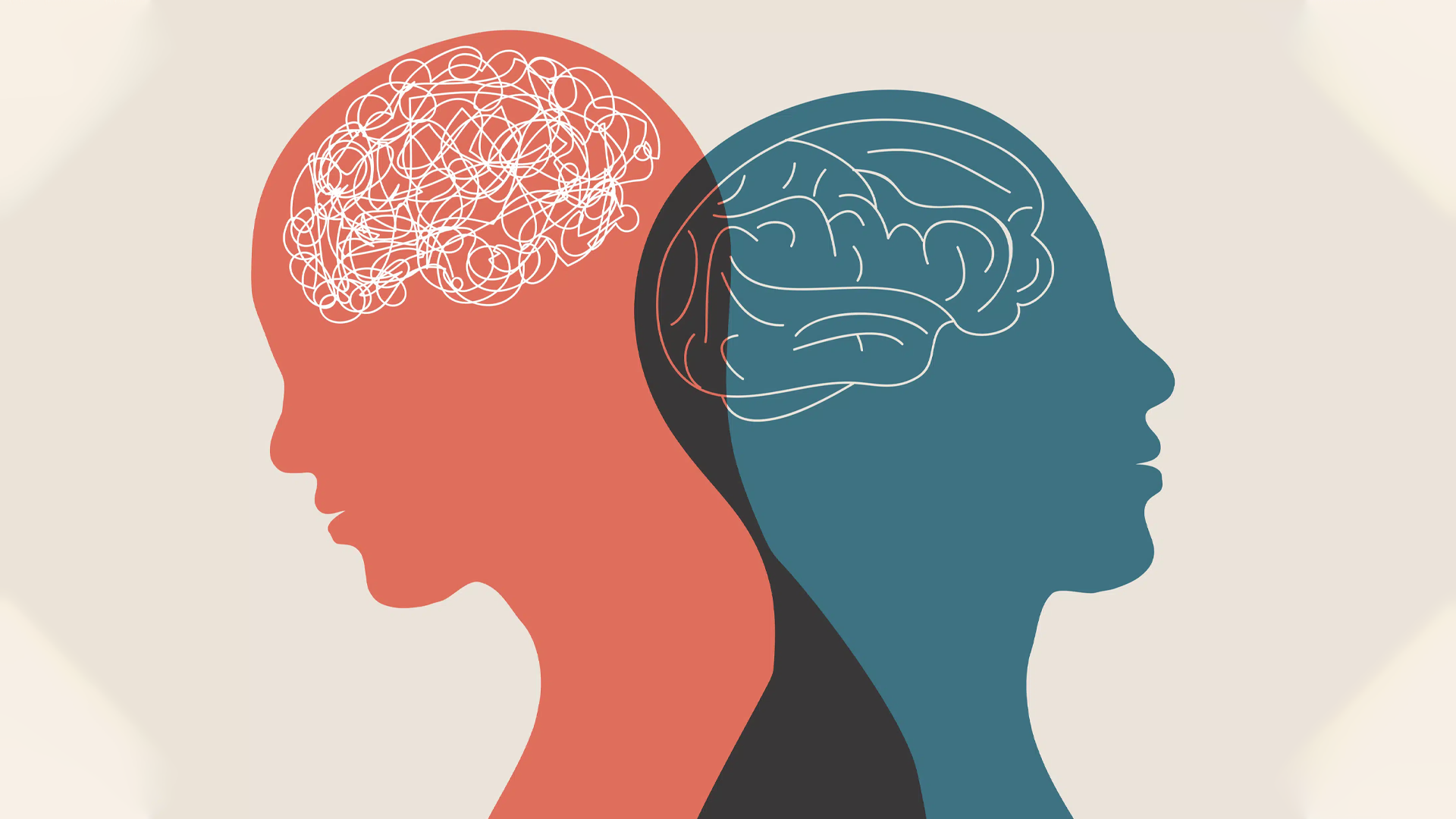

All human lives are full of emotional ups and downs. Days when we are full of energy and days when we prefer to stay in bed. But for some people, these mood swings are more than a simple mood swing; They are riding an emotional rollercoaster that they have no control over its speed and height. This situation, which breaks the boundaries of happiness and sadness, is known in psychology as bipolar disorder. Understanding what bipolar disorder exactly is and how to manage it is the first step to restoring balance to your life.
In this comprehensive article, we intend to remove the hidden layers of bipolar disorder with a deep and human look, recognize its warning signs and examine the latest treatment methods. If you or one of your loved ones is struggling with extreme mood swings, this article will be a road map to achieve peace and stability.
"What is the difference between therapist and psychologist: 3 key differences in treatment approach"
What is bipolar disorder?
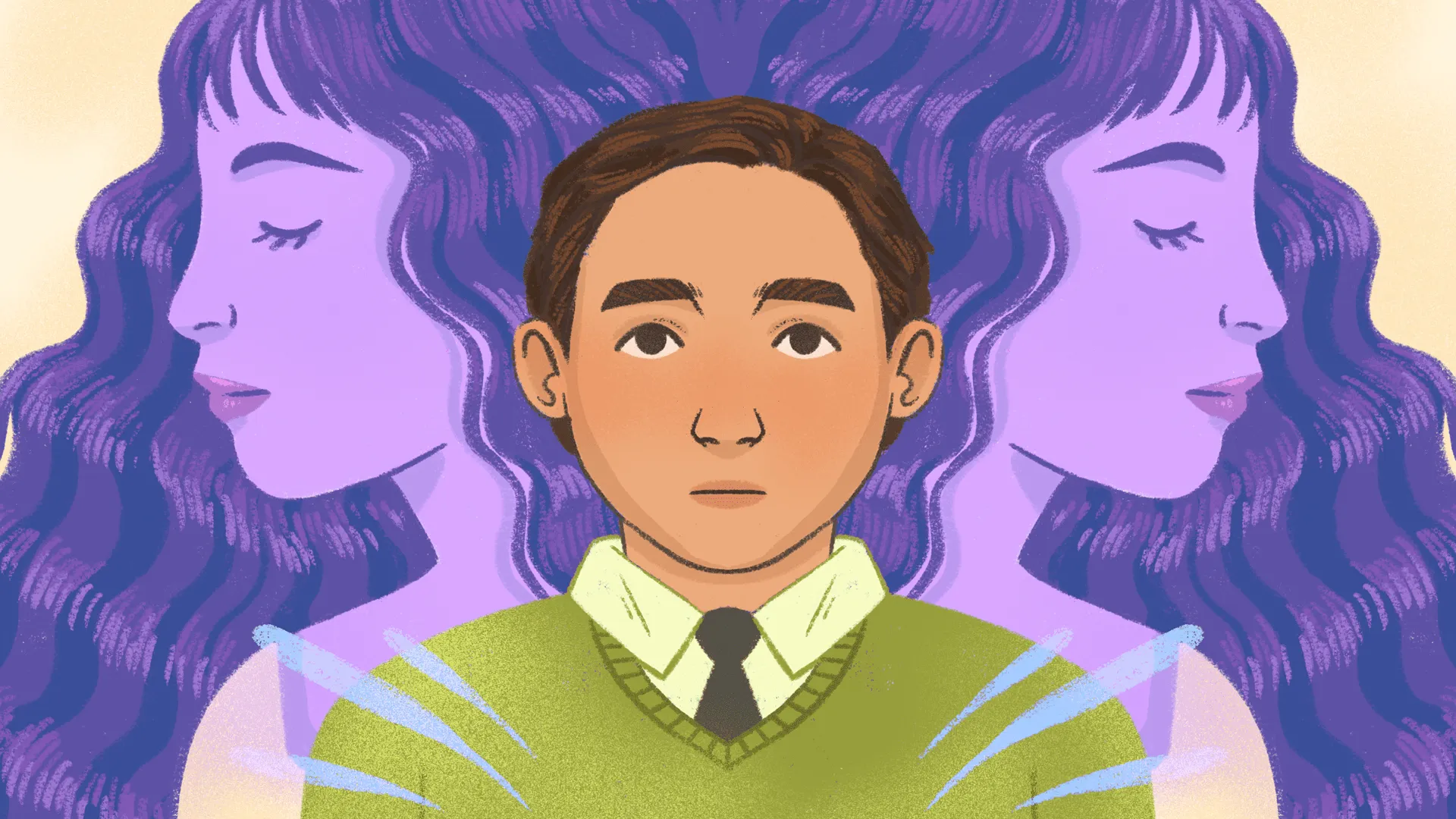
Bipolar disorder, formerly known as manic-depression, is a mental health disorder that causes extreme changes in mood, energy, activity level, and concentration. These changes are different from the normal ups and downs of life. A person with bipolar disorder experiences periods of extreme excitement and false energy (called mania) and periods of deep sadness and hopelessness (depression).
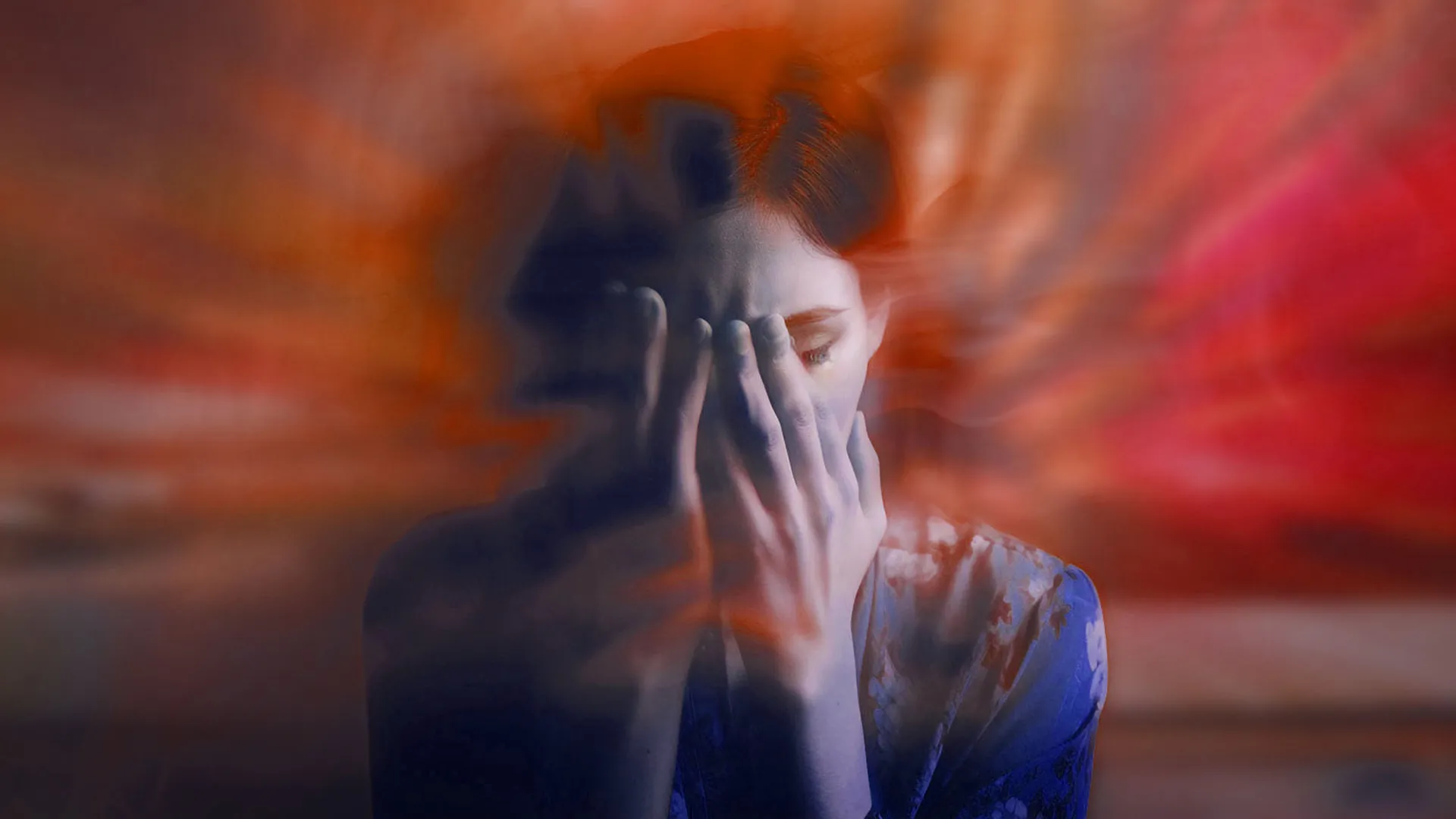
The key to understanding bipolar disorder is that this condition is not a personality weakness or willful emotional instability; Rather, it is a medical and biological condition that requires lifelong treatment and management. The brain of people with bipolar disorder functions differently in regulating chemicals and neurotransmitters, and this causes drastic changes in their behavior and emotions. To know more accurately bipolar disorder, we need to know the two main poles of this disease. These two poles are like two sides of a coin that rotate a person between them. During this phase, a person with bipolar disorder feels unnaturally euphoric, has endless energy and extreme irritability. This situation may seem attractive at first glance, but it can lead to risky behavior, disastrous financial decisions, and disconnection from reality. In its milder form called hypomania, symptoms are less severe but can still disrupt a person's life. At the other extreme of bipolar disorder, the person falls into the depths of despair. Energy drops drastically, interest in daily activities is lost, and negative thoughts and even thoughts of suicide take over the mind. This period is usually longer than the mania period and causes a lot of suffering to the patient. Diagnosing bipolar disorder is not always easy, as its symptoms may overlap with other psychological problems. However, there are 5 key signs that are serious red flags and require immediate attention.
Two sides of the coin: mania and depression
1. Manic period or mania
2. Depression period
5 vital signs to diagnose bipolar disorder
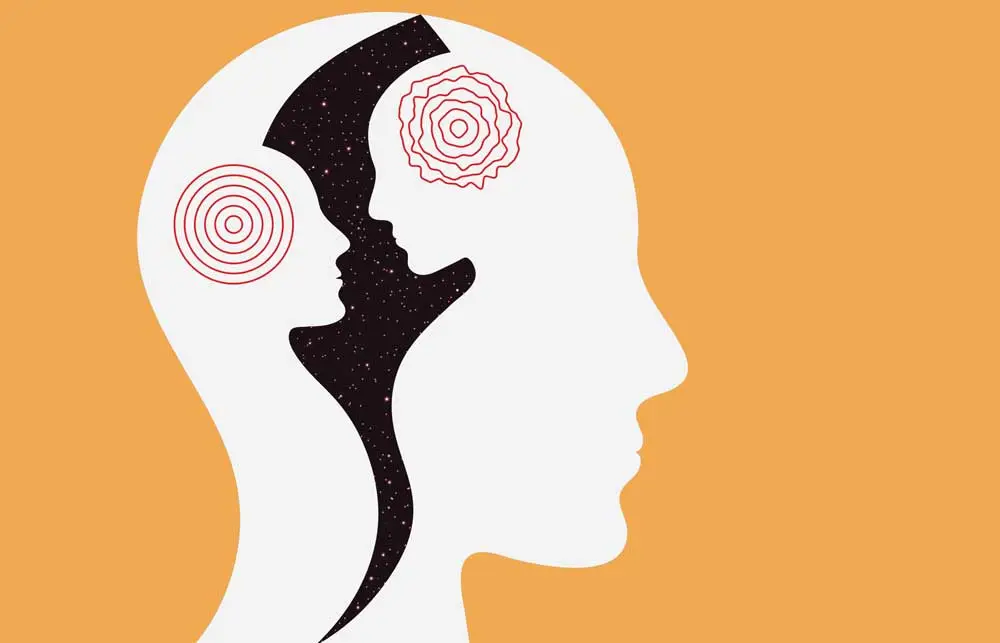
1. Severe and sudden changes in sleep pattern
One of the most obvious symptoms of bipolar disorder is a change in the need for sleep. During the manic phase, a person may feel extremely energized and not need rest despite only sleeping 2 or 3 hours a night. On the contrary, in the depression phase, a person may sleep for long hours and still feel extremely tired.
2. False self-confidence and self-arrogance
During manic episodes of bipolar disorder, the person feels capable of doing anything. He may think of himself as having special powers, start unrealistic projects, and ignore the advice of others. This sense of invincibility often leads to wrong decisions.
3. Risky and impulsive behaviors
Impulsivity is one of the most dangerous aspects of bipolar disorder. Excessive spending of money, dangerous driving, risky sex and thoughtless investments are common symptoms of the mania phase. In these moments, a person is not able to evaluate the consequences of his behavior.4. Fast speech and jumping thoughts
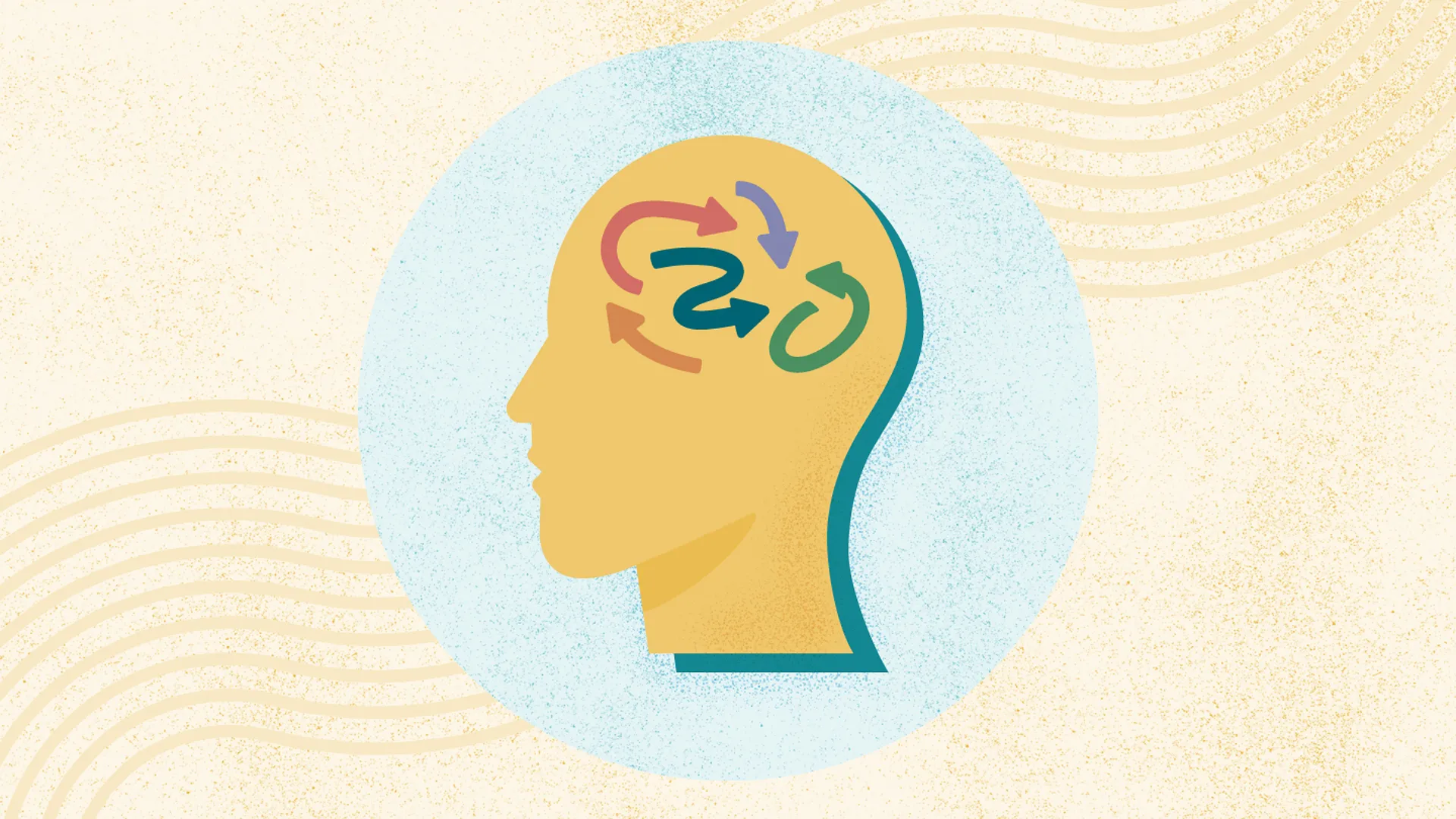
The mind of a bipolar disorder manic phase is like a car race. Thoughts run through the mind very quickly, which leads to speaking very quickly (rapid speaking). A person may jump from one branch to another and others may have trouble understanding what he is saying.
5. Extreme irritability and restlessness
Contrary to popular belief, the mania phase is not always accompanied by happiness. Many people with bipolar disorder experience extreme restlessness and explosive anger during this period, especially if others try to calm them down or disagree with their ideas.
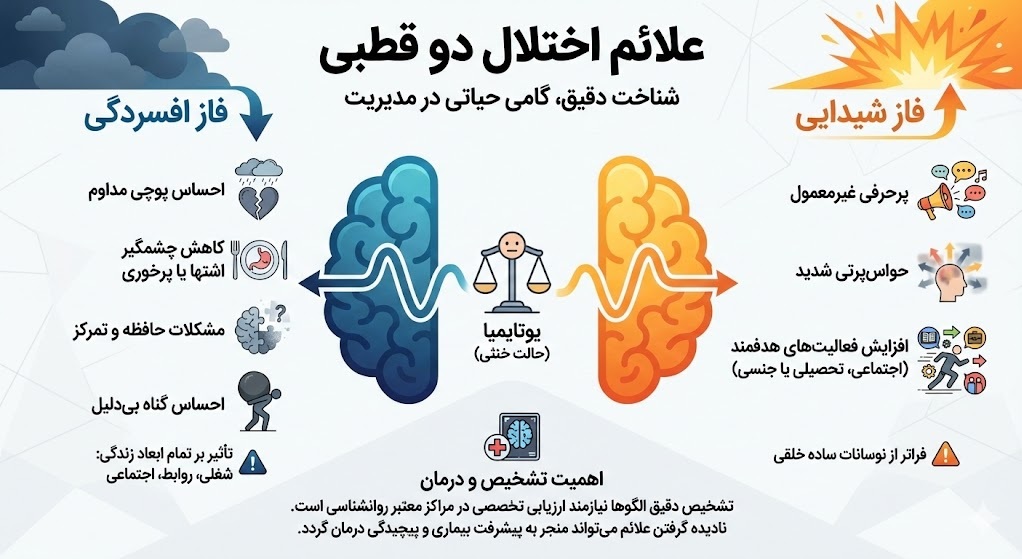
Comparison of symptoms in the two main phases of bipolar disorder
In the table below, we have compared the behavioral differences in the two main phases of this disorder for a better understanding:
| behavior domain | manic phase | depression phase |
|---|---|---|
| Energy Level | very high, tireless | very low, extreme fatigue |
| Sleep pattern | Decreasing the need for sleep | oversleeping or annoying insomnia |
| Thinking and concentration | jumping thoughts, lack of concentration | slowness of thinking, forgetfulness |
| sexual tendencies | strong increase in libido | decrease or lack of libido |
| view of yourself | self-conceit, false confidence | feeling worthless and guilty |
Types of bipolar disorder
An accurate diagnosis of the type of bipolar disorder is very important to choose a treatment method. In general, there are three main types:
- Bipolar disorder type one: includes at least one complete manic episode that may or may not be accompanied by depressive episodes. The intensity of mania in this type is very high and sometimes requires hospitalization.
- Bipolar disorder type 2: includes episodes of major depression and episodes of hypomania (mild mania). In this type, the person never experiences full mania, but episodes of depression can be very debilitating.
- Cyclothymia disorder: is a milder form of bipolar disorder that involves chronic mood swings lasting at least two years, but the symptoms are not as severe as type one or two.
Treatment solutions and life management
The good news is that bipolar disorder is completely manageable. With a correct treatment plan, affected people can live a productive and happy life.Pharmaceuticals: the first line of defense
Medications such as mood stabilizers (such as lithium) and antipsychotics are necessary to control brain chemical imbalances in bipolar disorder. Arbitrarily stopping the drug is one of the main reasons for the relapse of the disease.
Psychotherapy and counseling
Medication alone is not enough. Psychotherapy helps a person cope with their illness, identify triggers and improve their communication skills. Referring to experienced specialists can be an effective step in the path of recovery.
Lifestyle changes
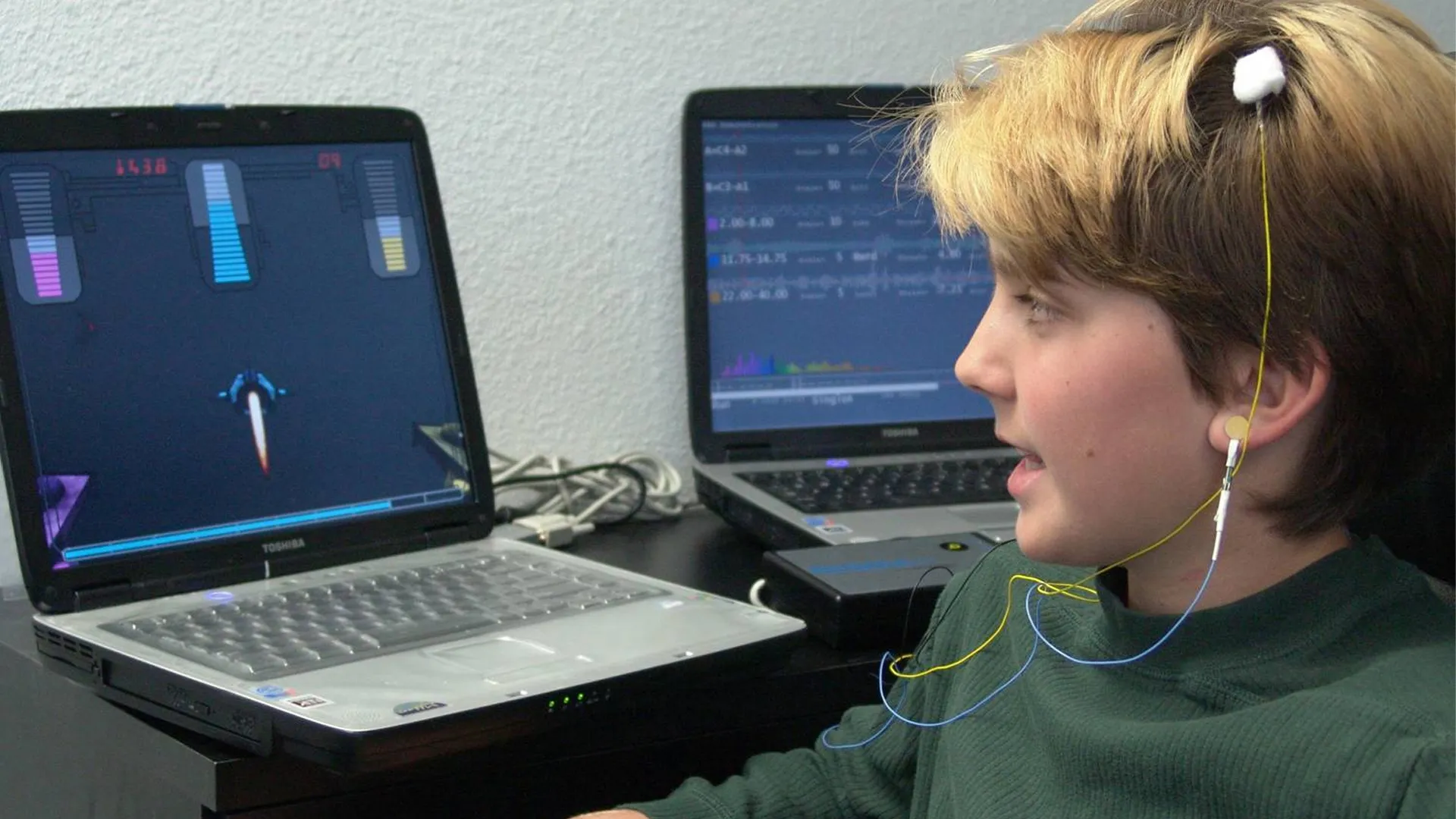
Order in life works wonders for bipolar disorder sufferers. Having specific sleeping and waking hours, avoiding alcohol and drugs, regular exercise and a healthy diet have a tremendous effect on reducing the severity of mood swings.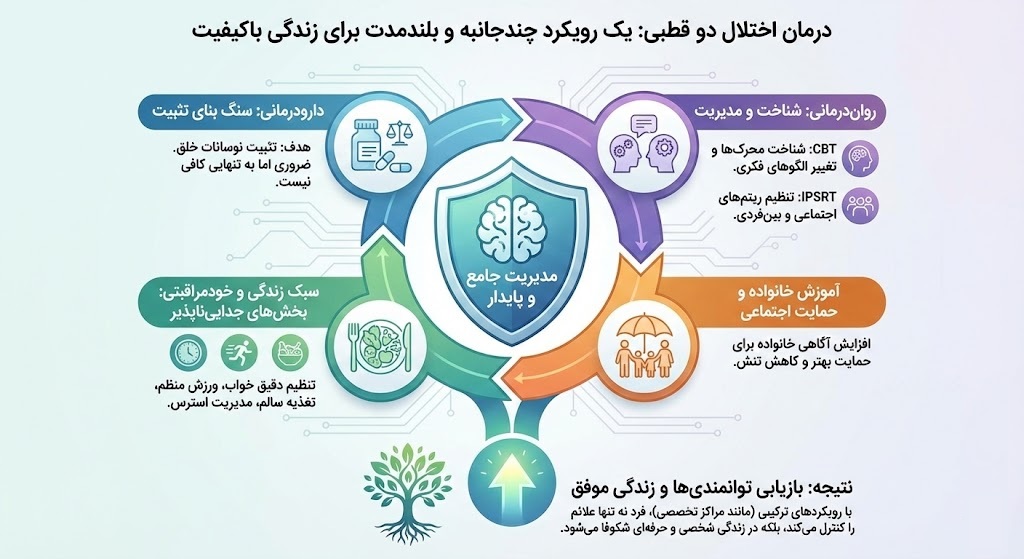
Last word
Facing a diagnosis of bipolar disorder may seem scary at first, but it's not the end of the road. This diagnosis is actually the beginning of a path towards knowing yourself better and taking control of your life. By accepting the disease, adhering to the treatment and using specialized support, one can overcome the raging waves of this disorder and reach the shore of peace. Do not forget that you are not alone in this path and that professional help is always available. Committing to treatment is the key to escaping the prison of mood swings and returning to the life you deserve.
FAQ
1. Does bipolar disorder have a definitive treatment?
No, bipolar disorder is a chronic illness, like diabetes. The goal of treatment is not to completely eliminate the disease, but to control the symptoms and prevent their recurrence so that the person can lead a normal life.
2. Is it possible to marry a person with bipolar disorder?
Yes, definitely. Many people with bipolar have successful marital relationships. The key to success is the spouse's awareness of the nature of the disease, the patient's adherence to treatment, and mutual emotional support. pre-marriage counseling is highly recommended in these cases.
3. Do children also suffer from bipolar disorder?
Yes, bipolar disorder can also occur in children and adolescents, although it is more difficult to diagnose because its symptoms may be confused with normal puberty behaviors or attention deficit hyperactivity disorder (ADHD).