Have you ever thought of optimizing the brain without drugs and with the help of advanced technology? Neurofeedback, this new method based on neuroscience, promises amazing changes with direct feedback from brain activity. But is it really scientific or just an advertising claim? In this article, we examine the scientific basis of neurofeedback, review successful experiences, and see how it has been shown to improve symptoms of disorders such as ADHD, anxiety, and depression (more high-quality trials are needed to draw firm conclusions). If you are curious to know what the miracle of neurofeedback is, stay with us in the rest of this article from your doctor.
What is the miracle of neurofeedback?
In the field of mental health treatment, neurofeedback has emerged as a promising approach to enhancing mental health. Neurofeedback is a type of biofeedback that teaches people self-control of brain functions by measuring brain waves and relying on the science of neuroplasticity (neural flexibility or the brain's ability to change and reorganize), by providing feedback signals.
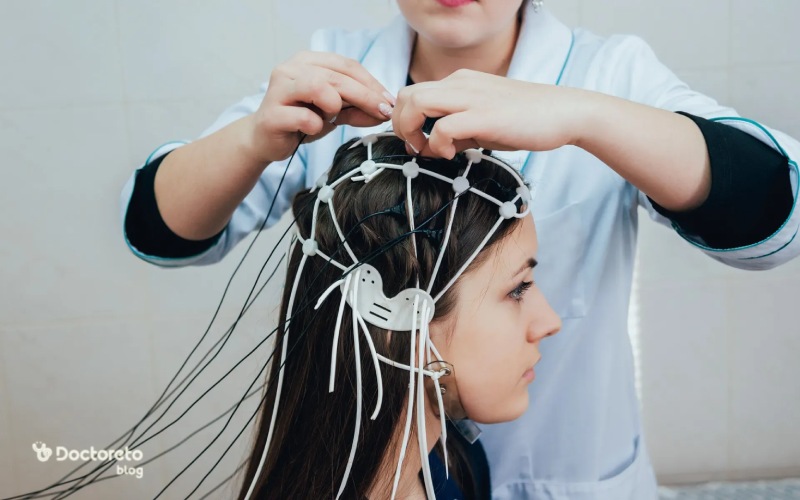
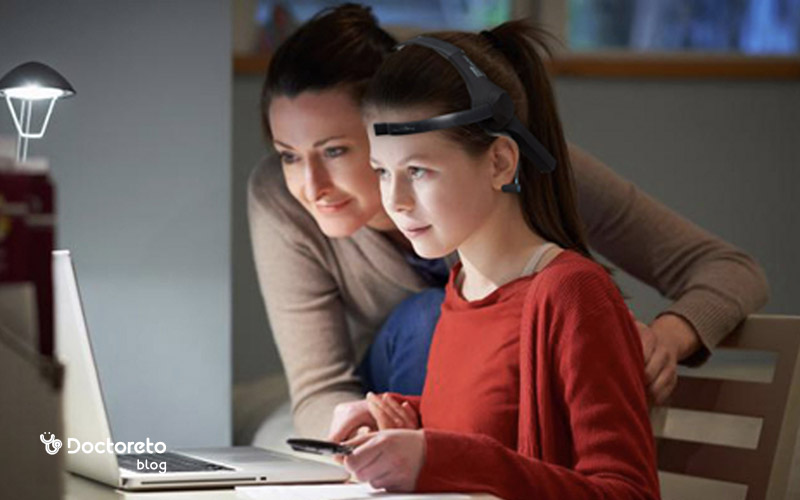
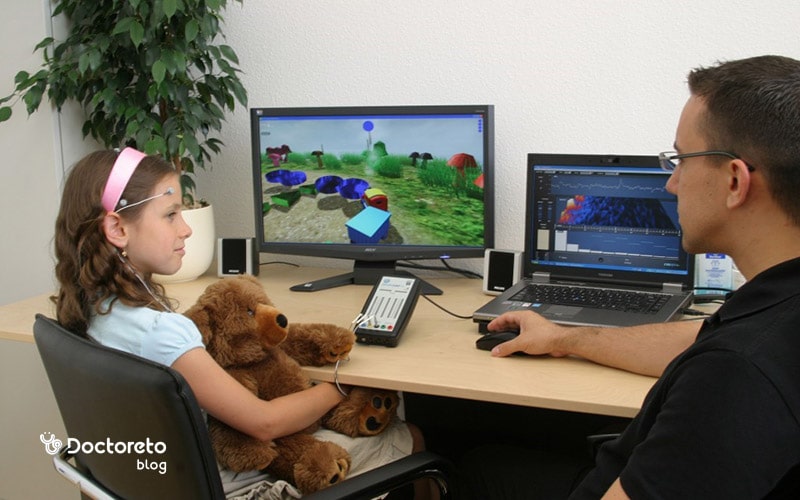
This method is a non-invasive treatment approach and is very popular because it does not require the use of drugs. During a neurofeedback session, sensors are placed on the scalp to record the brain's electrical activity. Next, the collected information will be processed and displayed on the screen in the form of a visual and auditory feedback. By displaying these data, the brain engages with this information and starts self-correction processes in line with the gradual improvement of psychological and mental functions.
In fact, the miracle of neurofeedback is teaching the brain to improve its performance by learning positive and negative behaviors. Neurofeedback is used for a wide range of disorders.
In the table below, you can see some types of disorders that can be improved with neurofeedback. Neurofeedback has been investigated experimentally or adjunctively in some situations.
Disorder or problem
Neurofeedback benefits
Attention deficit hyperactivity disorder (ADHD)
Improving concentration, reducing hyperactivity and increasing cognitive function without medication
Anxiety and Depression
Reduce stress, improve mood
Sleep disorders (such as insomnia)
Improve sleep quality
Autism spectrum disorder
Increase social interaction, improve concentration and reduce repetitive behaviors
PTSD (post-traumatic stress disorder)
Improve Managing emotions and rebuilding brain patterns
Chronic pain and migraines
Pain management, reducing the intensity of attacks and improving quality of life
Cognitive problems
Improving memory and concentration for better performance
Table of disorders whose symptoms neurofeedback can improve or the role You can see that it has help/research.
Neurofeedback is an evidence-based scientific method that measures brain activity using advanced technologies.
Is neurofeedback a scientific method?
Neurofeedback has been used as a scientific method for more than 50 years. To date, many studies have been conducted on neurofeedback therapy and its effectiveness in the treatment of many diseases. Some data confirm its effectiveness, while some research cannot definitively support the full effectiveness of this treatment method, especially for a very long time.
The science behind this treatment method is the use of brain waves and patterns obtained from the brains of different patients. Our brain constantly produces electrical patterns that are measured as brain waves, and their frequency varies depending on our mental state. The miracle of neurofeedback shows itself when therapists can adjust a specific treatment method for each patient and according to their needs just by receiving these brain waves.
This method is an important tool in the field of psychology and neuroscience, and its effectiveness, safety, and long-term effects make it currently an auxiliary or research method alongside traditional treatments. However, despite the fact that the miracle of neurofeedback has created a revolution in how to deal with mental health diseases, more studies are still needed in this field.
English text: neurofeedback therapy helps to rewire brain wave activity through positive reinforcement. When the patient's brain produces optimal activity, the positive reinforcement will start; when the brain waves are not optimal, the positive reinforcement will stop. Farsi translation: Neurofeedback therapy helps to rearrange the activity of brain waves through positive reinforcement. When the patient's brain shows a desirable activity, positive reinforcement (reward) begins; But when the brain waves are not in the optimal state, this reinforcement stops (the reward is cut off).
The miracle of neurofeedback in the treatment of mental disorders
There have been many studies on neurofeedback and its effect on the treatment of various mental disorders. Currently, neurofeedback can be used to improve the symptoms of a wide range of mental disorders, including:
ADHD disorder
Anxiety and depression
Sleep disorders
Autism spectrum disorder
Post-traumatic stress disorder or PTSD
Chronic pain management
reducing side effects and psychological problems caused by menopause
cognitive defects
Migraine and headache
Problems related to memory and concentration
Behavioral problems in children and adolescents
Learning disorders
Addiction
Management of schizophrenia
dyslexia and calculation disorder
Improving brain function in learning music and sports
Neurofeedback is a miracle in improving brain function by examining nerve activity and increasing concentration and relaxation.
The miracle of neurofeedback in improving brain function
Neurofeedback, a scientific method based on neuroscience, trains the brain to correct dysfunctional patterns by measuring brain waves and providing feedback. This non-invasive technology improves cognitive function without dependence on drugs. Taking advantage of neuroplasticity, neurofeedback has been recognized as an important tool for optimizing daily performance.
English text: Alan Pope, a scientist at the NASA Langley Research Center, discovered how neurofeedback could improve pilot's attention and engagement to tasks. Persian translation: Alan Pope, a scientist at the NASA Langley Research Center, discovered how neurofeedback could improve pilots' concentration and attention to tasks.
Patients' experiences of the miracle of neurofeedback
Patients report that neurofeedback has transformed their lives. One of the patients says about the drastic reduction of anxiety and improvement of sleep after a few sessions, while the drugs were ineffective before. Another person says about increased concentration and better management of stress in daily work.
Experiences show the reduction of depression caused by trauma, the improvement of social relationships in people with autism and even the reduction of chronic pain. Some patients also complain about temporary exacerbation of initial symptoms, but most people are satisfied with stable and natural changes without medication.
Conclusion
Continuous scientific research in the field of neurofeedback has highlighted its extensive capabilities in the treatment of mental disorders. This treatment method, which is based on the principles of neuroscience, creates relatively stable and positive changes by providing direct feedback from brain activities and without dependence on chemical drugs. Currently, the miracle of neurofeedback can be seen in improving a wide range of problems such as anxiety and even autism spectrum disorders.
With the deepening of our understanding of brain function and its role in mental health, it is predicted that in the near future, neurofeedback will show more efficiency, even for cases resistant to traditional treatments such as psychotherapy or common drugs, and will appear as a complementary and powerful tool in medicine. For personalized treatment and to prevent complications, be sure to consult an experienced neurologist or neurotherapist before starting treatment.
Your doctor takes care of your health!
Frequently Asked Questions
Neurofeedback as a non-invasive method based on neuroscience, brain waves Checks and reduces the symptoms of disorders such as ADHD, anxiety, depression and brain injuries. However, for better results, be sure to consult a neurologist.
A wide range of mental disorders and diseases can be treated with the help of the method Neurofeedback improved or managed symptoms. Due to the wide range of disorders that can be treated with this method, it can be considered a miracle in the science of psychology.
Research on neurofeedback and its effectiveness continues. Some data support the effectiveness of this method. However, so far the results obtained from this method were positive and it can be compared to a miracle in the field of mental health.
I am Farzaneh, 30 years old and I love the world of SEO and content writing, and I am curious to learn new things. Regardless of any contract, law and special style. The virtual world and the Internet have provided me with an opportunity to be with the best teams, where I can feel the feeling of getting better and improving my job with all my heart every day without any worries. I am proud to achieve this pure feeling with your good team.