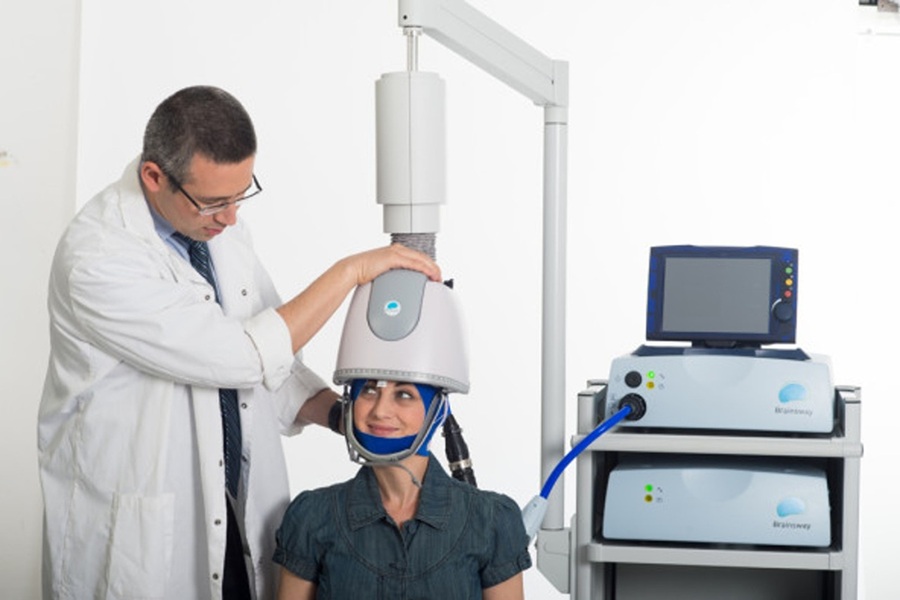
What is the difference between tms and rtms? Which method is more suitable for treatment?

Dr. Melika Akbari Mehr
تهرانNeurologist and neurologist
Magnetic brain stimulation technology, as one of the new and non-invasive methods, has opened new horizons in the field of neuroscience and treatment of brain disorders. Meanwhile, the two terms TMS and rTMS are often used interchangeably, which confuses many people. In fact, a precise understanding of the difference between tms and rtms is a necessity for patients who are looking for the most effective and appropriate treatment method for them. This article clearly explains the difference between tms and rtms to help you in this direction.

What is the difference between tms and rtms; Examining the seven differences between these two treatment methods
To better understand these two advanced treatment methods, it is necessary to examine their key differences, which are rooted in their goals, technology, and implementation methods, separately. In the following, we discuss the seven main differences between these two techniques.
Difference in concept and main use
The first and most fundamental difference lies in the definition of these two terms. TMS, which stands for Transcranial Magnetic Stimulation, is a general concept and a big umbrella that covers any type of brain stimulation using a magnetic field. On the other hand, rTMS, which stands for Repetitive TMS, is a specific and therapeutic subset of TMS in which magnetic pulses are used repeatedly and in specific patterns for therapeutic purposes.
Difference in the pattern of sending magnetic pulses
Another prominent difference is related to the pattern of sending pulses. In general TMS, a single pulse or a pair of pulses may be used for research or diagnostic purposes. For example, specialists use single-pulse to assess the health of neuromotor pathways. But in rTMS, the pulses are sent to the target area in the brain as a fast and consecutive "train" with certain frequencies (for example, 10 pulses per second) to create more lasting effects.
What is the difference between the therapeutic effects of tms and rtms?
The therapeutic effects are perhaps the most important aspect that differentiates the two. The effect of single-pulse TMS is usually immediate and very short-term and is not designed to create lasting changes. On the other hand, rTMS has been developed with the aim of creating lasting changes in neuroplasticity. By repeatedly stimulating nerve cells, this method modifies their function in the long term.
The long-term effects of RTMS are achieved through the following changes:
- Increasing synaptic connections that help strengthen neural networks
- adjusting the level of neurotransmitters such as dopamine and serotonin
- Improving dysfunctional neural circuits that are involved in disorders such as depression

Difference in devices and manufacturing technology
Although the core technology is the same in both methods, the devices used can be different. What is the difference between tms and rtms, it is in the technology of devices. Since rTMS pulses are sent continuously and at high speed, the magnetic coil and power supply of the device generate a lot of heat. For this reason, modern rTMS devices are equipped with advanced cooling systems (liquid or air) and more powerful power supplies to support long treatment sessions without quality degradation or overheating.
treatment protocol; The most important difference between tms and rtms
Treatment with RTMS is a fully structured process based on protocols. It is scientifically accurate. Before starting the treatment, using tools such as electroencephalography (QEEG), specialists determine the exact area of the brain to stimulate, the intensity of the pulses, the frequency (pulses per second) and the total number of sessions. These protocols are essential for maximum effectiveness and ensuring patient safety. In contrast, diagnostic TMS lacks such complex and long-term treatment protocols and is performed on a case-by-case basis for specific evaluations.
The rTMS method is specifically used to treat a wide range of neurological and psychiatric disorders that have not responded to conventional treatments, and its effectiveness has been proven in numerous studies. Many patients are looking for the best Center rtms are in Tehran to benefit from the benefits of this technology. While general TMS has more of a research and diagnostic aspect. RTMS is used in the treatment of a wide range of disorders.
Some of these disorders include the following:
- Depression resistant to drug treatment, which is one of its main uses
- obsessive-compulsive disorder (OCD) and various types of anxiety disorders
- Cognitive and motor rehabilitation in patients after stroke or brain injuries
What is the difference between tms and rtms; Examining the difference in terms of safety and complications
In terms of safety protocol, what is the difference between tms and rtms? Due to the repetitive nature and continuous stimulation of the brain, safety is of utmost importance in rTMS. Before treatment begins, the patient is carefully screened to ensure that there are no risk factors (such as a history of seizures or the presence of metal fragments in the head). rTMS treatment protocols are designed to minimize the risk of serious side effects such as seizures (less than 0.1%). This level of caution is less required in diagnostic single-pulse TMS.

Neural Neurology Clinic; A smart choice for treatment
It can be said that rTMS is a therapeutic, targeted and evolved version of TMS technology, which is designed to create stable and positive changes in brain function. Now that you know the difference between tms and rtms, you can decide to choose your treatment path with a more open vision and more knowledge. This knowledge will help you have realistic expectations of the treatment process. With the help of experienced specialists and the most advanced equipment, Nourali neurology clinic is ready to provide specialized rTMS services for the treatment of various disorders. You can get in touch with our experts to receive detailed advice and evaluation.frequently asked questions
What is the difference between tms and rtms?
TMS method is a general technology for stimulating the brain, while rTMS is considered a therapeutic and repetitive type to create lasting changes in neural activity.
Is rTMS treatment painful?
No, this method is non-invasive and painless. The patient may only feel light blows on his scalp, which he quickly gets used to.
What is the most important difference between tms and rtms?
The main difference is in the pattern of pulses. TMS uses single pulses, but rTMS uses a train of rapid, sequential pulses for treatment.





