مقاله تخصصی
What is the difference between a migraine and a normal headache?
3 months ago
829 بازدید

Dr. Majid Kihani Fard
TehranNeurologist
Most people cannot tell the difference between a migraine and a normal headache. Migraines, unlike normal headaches, disrupt your life and even take away your ability to do a small task. In some cases, a variety of symptoms such as severe eye pain, throbbing in the temples, and nausea help to distinguish between a migraine and a normal headache. There are several ways to understand the difference between a migraine and a regular headache. Migraine botox is one of the effective methods for treating and improving migraines, which helps to reduce the number of migraine attacks. In addition, **brain tape (EEG)** is also effective for diagnosing migraine and its difference from other headaches, which will be prescribed by a neurologist. Stay with us in this article to provide you with the difference between migraine and normal headache, migraine symptoms and their treatment methods. What are common headaches? Normal headaches are common and are caused by various headache factors such as stress and anxiety, overwork, improper sleep, brain damage, and similar cases. Common types of headaches include:
### Tension Headaches
**Tension headache** occurs due to factors such as stress, anxiety, emotional worry and physical fatigue. One of its signs is the feeling of pressure on both sides of the head or temples and around the forehead, neck and even eyes. This type of headache is often confused with migraine; But on the other hand, it is more tolerable and can be solved with simple methods such as lifestyle changes, physical activity and regular painkillers. This difference between migraine and normal headache in intensity is very important. ### Sinus Headache
Sinus headache also has similar symptoms to migraine. It is often accompanied by a runny and stuffy nose, which is due to sinus infections. On the other hand, you may feel pain in the front of the forehead, the parts above the eyes and even around the nose, i.e. the cheekbones. When the sinuses become inflamed, the pressure inside them increases and headaches occur. To recognize it, be sure to pay attention to the color of the nasal mucus; In sinus headaches, the mucus is yellow. ### Cluster Headache
**Cluster headache** is a type of severe headache that is usually felt only on one side of the head and near the eyes. These headaches occur as periodic and sudden attacks, and each attack can last between 15 minutes and 3 hours. In this type of headache, people may tear up, have a stuffy nose, or feel inflammation around the eyes in addition to severe pain. You may have several attacks for a few weeks or months, and then there is no news of the attack for a long time. To treat cluster headaches, doctors may prescribe methods such as oxygen therapy or drugs such as sumatriptan, corticosteroids, or antidepressants to reduce the number and severity of attacks. In addition, maintaining regular sleep habits and avoiding alcohol and tobacco use can help reduce attacks. In the diagnosis of common headaches, if the symptoms are severe, **cerebral doppler ultrasound** and the like are prescribed for patients. Be sure to see a neurologist after the symptoms of this condition appear. In this video, Dr. Kihani Fard talks about the types of headaches
**I suggest you read:**Identifying dangerous headaches
Migraine and its symptoms
**Migraine** is a type of severe and frequent headache that is usually felt on one side of the head. Migraine headache triggers can be varied, including stress, hormonal changes, certain foods, and lack of sleep. Migraine and tension headache symptoms are similar and can vary from person to person; But it usually includes severe attacks and may be accompanied by throbbing pain, nausea, vomiting, and sensitivity to light, sound, and smell. These symptoms can appear suddenly during a migraine attack or occur separately between attacks. Migraine attacks can last from a few hours to a few days and affect the process of daily activities. We have examined the symptoms of migraine in the following table:
Migraine symptoms:
- Headache
- Nausea
- Mood changes
- Fatigue
- sensitivity
- Concentration problems
- Trembling
Migraine symptoms in women reach their peak before and after menstruation. They may also experience sleep disturbances. ### Mild migraine symptoms:
- Slight pain
- Feeling nauseous
- Boredom and aggression
- Normal fatigue
- Low sensitivity to light and sound
- Losing focus on issues
- Slight shivering
### Symptoms of severe migraine:
- Pulsating pain with high intensity
- Constant nausea and vomiting
- Incidence of depression and excessive stress
- Excessive fatigue, blurred vision or double vision
- Extreme sensitivity to smell, sound and light
- Inability to speak
- Severe shivering in the body
The difference between migraine and regular headaches
The difference between a migraine and a normal headache is recognized by the symptoms they cause. Migraine pain is more intense and annoying than a normal headache. Migraines are often throbbing and felt on one side of the head. In people with this type of headache, its intensity increases by doing different activities. If normal headaches can be solved with a normal pain reliever. In addition to severe pain, migraines are usually accompanied by other symptoms that distinguish migraines from regular headaches. For example, many people with migraines experience nausea, vomiting, and vision problems. In general, migraine is a complex disorder that affects not only the head but also the overall quality of a person's life. This difference between migraine and normal headache shows that migraine needs to be diagnosed and controlled far more than a normal headache in order to help improve the quality of life of sufferers. Migraine diagnosis methods
To diagnose migraine, doctors first review the patient's medical history and perform physical and neurological examinations. They ask patients to describe their symptoms, such as the type and severity of headaches, when attacks occur, and any accompanying symptoms. In some cases, the doctor may use imaging methods such as MRI and CT scan, especially if other problems are suspected. Also, in more severe cases, it is common to prescribe an electroencephalogram (EEG), which is considered a more accurate diagnosis to identify migraine. Treating migraines and common headaches
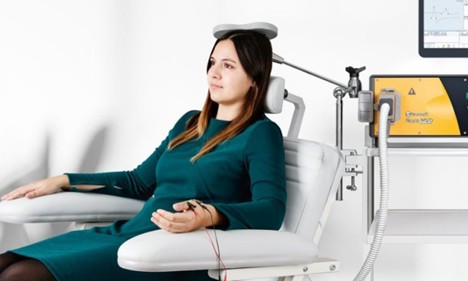
Migraines or regular headaches both require proper treatment. The goal of treating migraines is to relieve symptoms and prevent frequent attacks, while treating common headaches with over-the-counter pain relievers or sinus medications can quickly reduce symptoms. One of the common methods in migraine treatment is RTMS, which helps to improve migraine symptoms by using a special device and magnetic waves. Common migraine and headache treatment methods include:
### Immediate treatment of migraine
- Rest in a dark and quiet room
- Using an ice pack and placing it on the forehead or neck
- Drinking enough fluids and consuming caffeine properly
- Migraine Botox
**I suggest you read:**
7. Immediate treatment of severe headache
### Drug treatment of migraine
- Triptan drugs such as Sumatriptan that increase serotonin levels. - Ergots such as ergotamine, which are serotonin receptor blockers. - CGRP drugs such as Atogepant that help reduce pain. - Ibuprofen and aspirin for mild migraines. Common headaches are easier to treat and are usually relieved by using medications such as acetaminophen and ibuprofen. Be sure to consult a specialist doctor before taking the above medicines so that their side effects do not cause you any problems. summary
Migraine or common headache are both explored to learn about their symptoms, diagnosis and treatment. Migraines are accompanied by severe symptoms such as blurred vision, nausea, severe eye pain and throbbing pain on one side of the head, while normal headaches may only present with pain in the forehead and temples. The difference between migraine and normal headache is clearly evident in the severity of the symptoms and their impact on the quality of life. In case of worsening symptoms, be sure to see a neurologist to diagnose your headache type using diagnostic methods such as EEG, brain doppler ultrasound and similar things. This difference between migraine and normal headache will help you to make the right treatment decision. With years of experience in the diagnosis and treatment of various brain diseases, Dr. Majid Kihani Fard provides you with suitable services for diagnosing migraines such as EEG and helps you recover by using treatment methods such as **RTMS** and Botox. For your convenience, home visits are also available for your loved ones. Understanding the difference between a migraine and a regular headache is critical to starting the right treatment.