

مقدمه
پوسیدگی دندان یکی از رایجترین مشکلات دهان و دندان است که در صورت تشخیص زودهنگام بهراحتی قابل درمان است. But sometimes the decay progresses so much that the tooth can no longer be saved and the only option left is to extract it. In this article, with the help of the specialized dental team Dr. Farbad Seifi and Dr. Farzane Dashkhane, we investigate why some teeth with a lot of decay can no longer be preserved and it is necessary to extract them. It will.
What is tooth decay and how does it start?
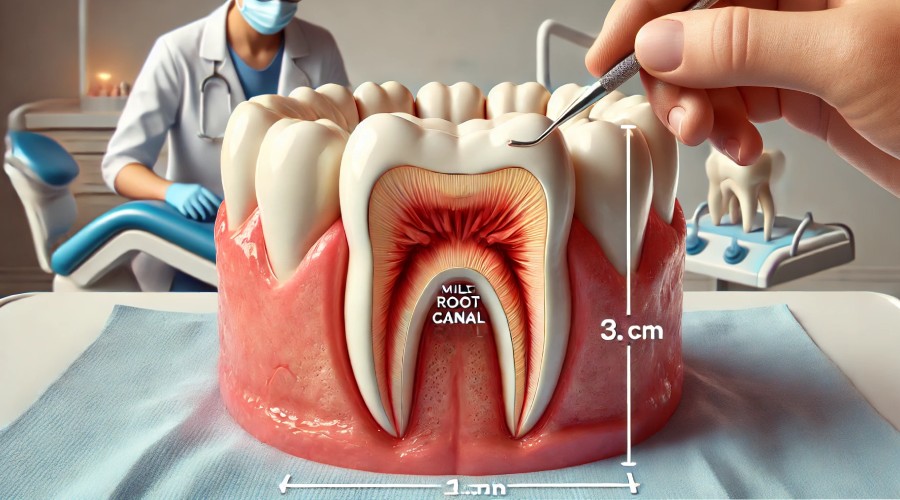
Tooth decay, or "cavitation," begins when acids produced by oral bacteria gradually erode tooth enamel. In the early stages, this damage is limited to the surface layer of the tooth (enamel). But if not treated, it penetrates to the dentin and then to the pulp (dental nerve).
Stages of tooth decay development
-
white spot on tooth enamel (initial reversible stage)
-
Caries penetration into the dentine layer (need to fill)
-
Involvement of the tooth nerve (pulp) (Need nerve removal)
-
Abscess formation or severe infection in the root (in some cases incurable)
-
Severe destruction of tooth structure and loss of supporting bone (tooth pulling)

Why some teeth can no longer be preserved?
1. Severe and extensive decay
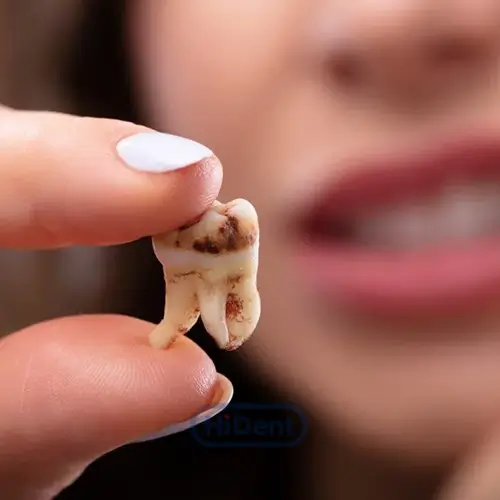
When decay destroys a large surface of the tooth and no healthy walls remain, there is no possibility of reconstruction. In this case, even if the root treatment is done, the tooth will be fragile and unstable.
2. Penetration of infection into the jaw bone
If not treated in time, the tooth infection can spread to the underlying bone. If the bone is depleted or has an abscess, it is no longer possible to save the tooth.
3. Tooth root fracture
In some cases, the tooth suffers vertical root fracture due to deep decay or excessive pressure during chewing. This type of damage usually cannot be repaired and the tooth must be extracted.
4. Previous failed treatments
A tooth that has been restored or denervated several times and did not have a favorable result, gradually loses its structure and its extraction becomes inevitable.
5. Severe degeneration of the gums and supporting bone
In cases where a tooth with a lot of decay is accompanied by gum disease, its maintenance is high risk and it is better to pull it to prevent further damage.
Symptoms that show that the tooth can no longer be saved
-
Severe and persistent pain even after taking painkillers
-
Swelling or pus around the tooth
-
Loose teeth
-
Extensive blackness or deep holes in the tooth crown
-
The presence of bad breath caused by chronic infection
-
Severe tooth color change (darkening or graying)
Is it always possible to save a decayed tooth?
In the early stages yes. If the decay is detected in time, it can be treated with a filling or root canal. But if the decay goes beyond the root or the surrounding bone and tissues are damaged, the treatment will be useless. In these cases, the dental team Dr. Saifi and Dr. Dashkhane may suggest that the tooth be extracted and replaced with an implant, bridge or prosthesis.

What does pulling teeth mean?
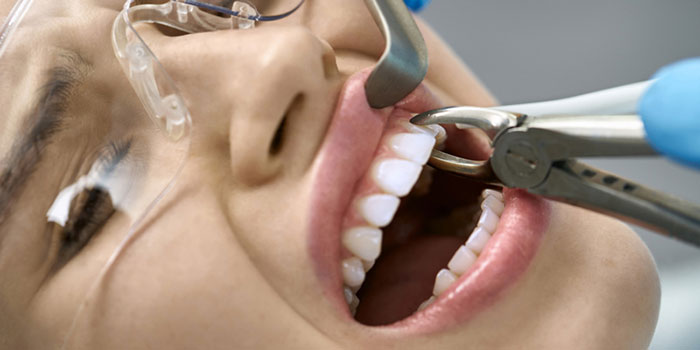
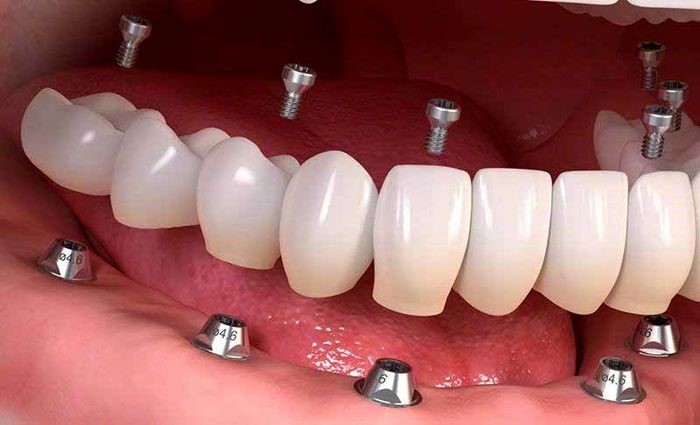
Tooth extraction means to completely remove the tooth from the jawbone. If needed, this is done under local anesthesia and with professional tools. After tooth extraction, alternative methods such as dental implants or dental bridges can be used to maintain the function and beauty of the mouth.
Does tooth extraction hurt?
With the development of anesthetic methods, tooth extraction is now almost painless. You may only experience minor discomfort or temporary swelling after the anesthesia wears off, which is controlled with prescribed medication.
Is it possible to use implants instead of tooth extraction?
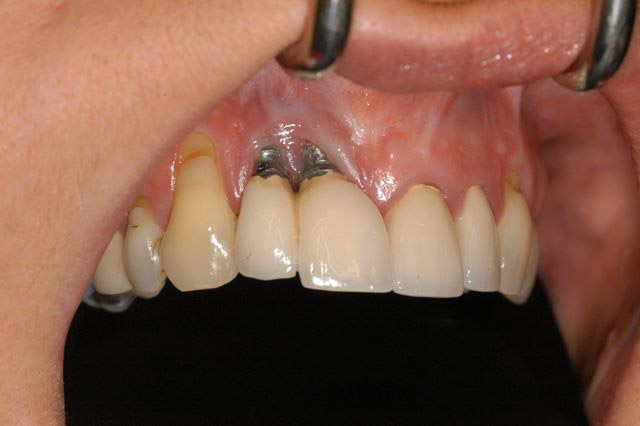
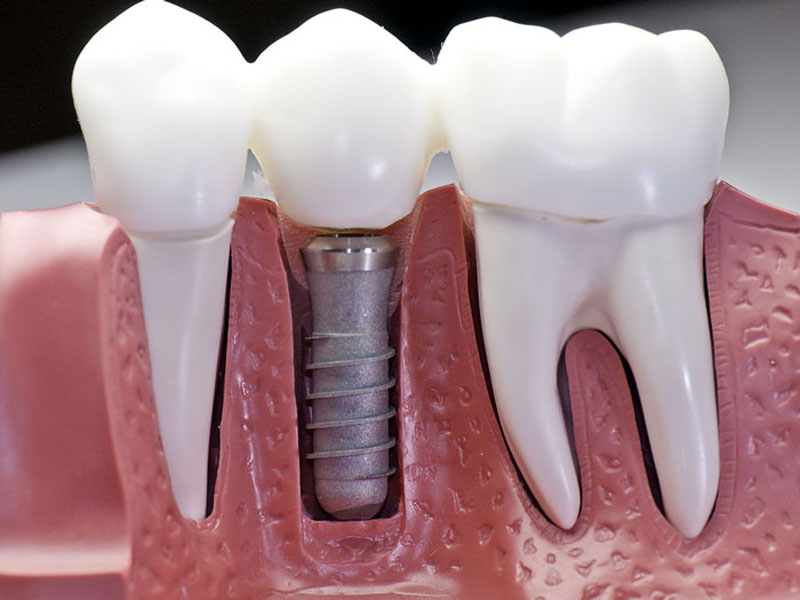
Yes. One of the best ways to replace a missing tooth is dental implant. After removing the decayed tooth, the implant can be replaced by checking the health of the jaw bone. This work preserves the function of chewing, the beauty of the smile and prevents the degeneration of the jaw bone.
Prevention of severe tooth decay and tooth extraction
To prevent decay from reaching the stage where the tooth can no longer be treated, the following measures are recommended:
-
Regular visits to the dentist (every 6 months)
-
Strict observance of oral hygiene
-
Less consumption of sugar and sweet substances
-
use of fluoride and antibacterial mouthwash
-
avoid smoking
-
Rapid treatment of small caries
The role of early diagnosis in tooth preservation
The sooner the caries is detected, the easier and more successful the treatment will be. By regularly visiting the dental clinic of Dr. Farbad Seifi and Dr. Farzane Dashkhane, you can prevent hidden caries and protect your natural teeth more.
FAQs about tooth extraction due to severe decay
Can a very decayed tooth be covered?
If enough structure remains and the root is healthy, veneering is possible. Otherwise, drag is recommended.
When can an implant be placed after tooth extraction?
In many cases, the implant can be done immediately after extraction. But sometimes there is a need for time to repair the tissue (3 to 6 months).
Do wisdom teeth with severe caries always need to be extracted?
In most cases yes, because wisdom teeth are more difficult to treat and usually not worth keeping.
Conclusion
Finally, it should be said that A tooth with severe decay will inevitably be extracted if it does not have enough structure to restore it. The diagnosis of this issue must be done by a specialist dentist. If you have a tooth that is severely decayed or you think that it can no longer be preserved, it is better to contact the dental clinic of Dr. Farbad Seifi or Dr. Farzane Dashkhane today so that the best decision can be made to preserve your oral health.
Dr. Farbad Seifi and Dr. Farzaneh Dashkhaneh Dental Center in Maragheh is one of the most equipped specialized centers for consultation and treatment of gum and dental diseases. You can call 04137223003 for more detailed information and reservation. You can also find other ways to contact us on the Contact Us page. To see the trainings and routines of the office, you can also Dr. Farbod Seifi's Instagram page and Follow the page of Dr. Farzaneh Dashkhane on Instagram.