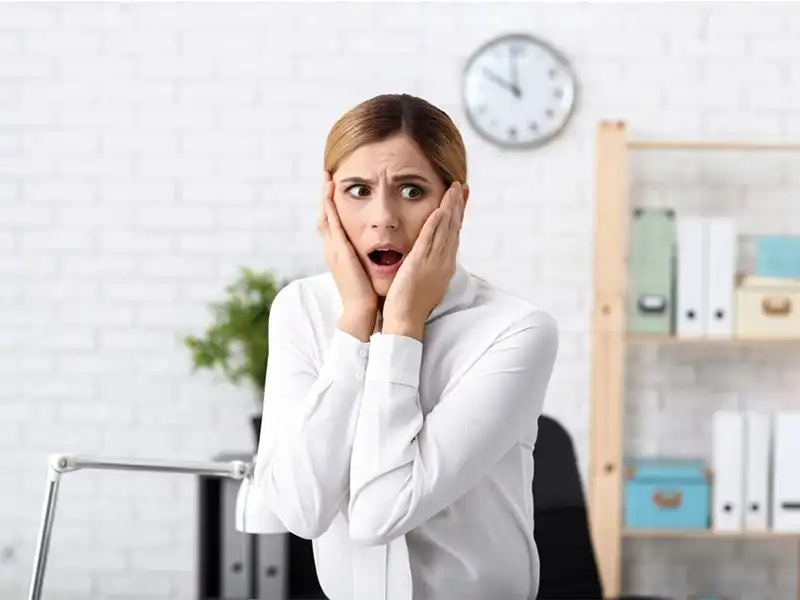
حمله پانیک یا حمله اضطرابی یک حالت ناگهانی اضطراب شدید است که بدون هشدار مشخص بروز میکند و با علائمی مانند تپش قلب، تنگی نفس و ترس شدید همراه است. Many people think they have a serious physical problem when this attack occurs, while a panic attack is not life-threatening. Familiarity with the causes of this attack and its control methods play an important role in reducing the severity of symptoms. In this article, we examine why panic attacks happen and how to control them.
What is a panic attack?
How panic attack is different from normal anxiety
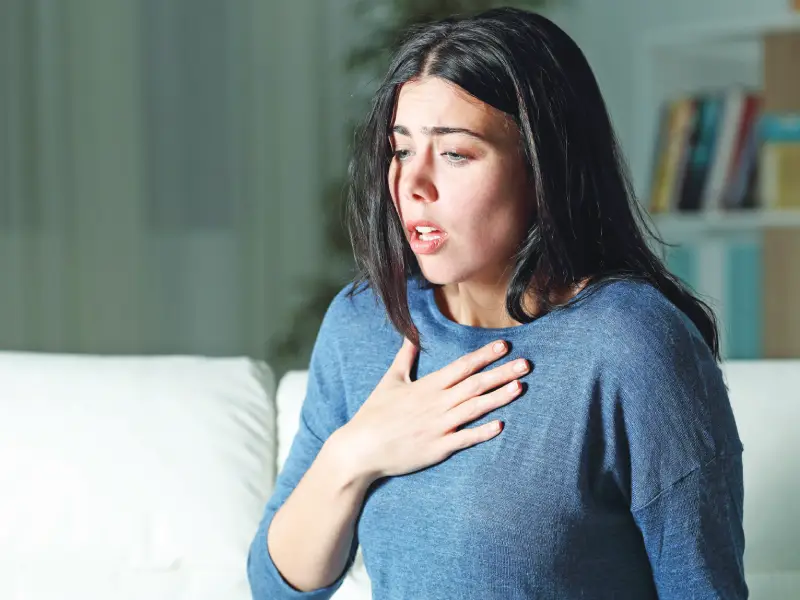
Panic attack is a type of anxiety disorder in which a person suddenly experiences intense fear and worry without any specific cause or stimulus. These attacks usually start suddenly and can last from a few minutes to even a few hours. The severity of symptoms in an anxiety attack is very high and a person may experience symptoms such as rapid heartbeat, pain or pressure in the chest, shortness of breath, dizziness, excessive sweating, tremors, nausea, numbness of the limbs and a feeling of losing control or even fear of death. These physical and mental symptoms are sometimes so severe that a person thinks he is in serious danger.
In contrast, normal anxiety or social anxiety is a natural reaction to situations. It is stressful and everyday pressures, and it usually develops gradually and its intensity is more controllable. While a panic attack occurs without prior warning and with a very high intensity, and often occurs without a specific stimulus. For this reason, timely diagnosis and treatment of panic attacks is very important. If you experience such symptoms, you can consult with Mehrbod Psychology and Psychiatry Group for proper guidance and treatment. For panic treatment, you can consult with Mehrbod Psychology and Psychiatry Group.

Panic attack symptoms
Panic attack is associated with severe physical and mental symptoms that may occur suddenly and without warning. These symptoms can include the following:
- Severe heart palpitations or fast and abnormal heartbeats.
- Shortness of breath or a feeling of suffocation, which may sometimes make a person think they are suffocating.
- Sweating profusely or feeling of overheating of the body.
- Trembling or strong feeling of weakness in the body.
- Pain or pressure in the chest that may make a person mistakenly think of heart problems.
- Dizziness, nausea or lightheadedness that may be close to fainting or unconsciousness.
- A feeling of numbness or burning in the hands, feet or face.
- Feeling of losing control or fear of going "crazy" or "dead".
- Feeling real from reality and distance from it (feeling of unreality or derealization).
These symptoms usually peak within a few minutes, after which they may gradually decrease.
| Feature | Panic attack | Heart problem |
|---|---|---|
| Onset of symptoms | Sudden | Gradual |
| Heart palpitations | Severe and Rapid | irregular |
| dyspnea | common | possible |
| duration of symptoms | short term | long |
| response to sedation | usually improves | No |
| not life-threatening | has |
How to handle a panic attack right away
When a panic attack occurs, taking a few simple steps can help reduce the severity of the symptoms. At the same moment, try to control your breathing and take slow and deep breaths. Inhale slowly through the nose and hold for a few seconds, then exhale slowly through the mouth. This work reduces the heartbeat and relaxes the body.
Sitting or standing in a fixed and safe position is also very effective. Avoid walking fast or constantly changing your body position, as this can aggravate the feeling of restlessness. Remind yourself that a panic attack is not life-threatening and that its symptoms are temporary and will soon subside. This reminder plays an important role in reducing fear and feeling out of control. You need to learn how to manage panic attack control.
Getting away from the crowded and noisy environment and going to a quieter place can help reduce the stimulation of the nervous system. Focusing on a specific point, a stationary object, or even counting numbers slowly, distracts the mind from fearful thoughts. You can also bring your attention back to the present by naming a few things you see or touch.

causes of panic attack
Panic attack can be caused by a combination of psychological, genetic and environmental factors. The main causes of panic attacks are:
- Genetic factors: people who have a family history of disorders stress treatment.
- Anxiety and other mental disorders: People who suffer from other anxiety disorders, such as general anxiety or social anxiety, are more likely to have panic attacks. Also, people suffering from depression are also subject to these attacks.
- Usage of drugs and drugs: The use of drugs such as cocaine, amphetamines, or caffeine can stimulate the nervous system and cause panic attacks. Also, leaving some medicines or using them incorrectly can also lead to panic attacks.
- Traumatic experiences and past traumas: Unpleasant and stressful experiences, such as accidents, domestic violence or other traumatic events can affect a person's psychological system and cause panic attacks.
Read more: white marriage
How is the cycle of a panic attack formed?
The panic attack cycle usually starts with a simple feeling or physical change. This feeling can be heart palpitations, shortness of breath, dizziness or a feeling of heat in the body. Normally, such symptoms are not dangerous, but the person interprets them as a sign of a serious problem, such as a heart attack or loss of control. This misinterpretation causes intense fear.
With the increase of fear, the body enters a state of alert and the nervous system is more active. As a result, the physical symptoms are aggravated and symptoms such as stronger heartbeat, sweating, tremors, feeling of suffocation and restlessness increase. Seeing these more severe symptoms, the person experiences more fear and imagines that his condition is getting worse.
This fear again increases the physical tension and further stimulates the nervous system, and in this way the panic attack cycle continues. A person may focus completely on the body and its symptoms and consider any small change as a sign of danger. This excessive attention to symptoms reinforces the panic cycle.
Finally, when the body naturally drains the energy caused by anxiety, the intensity of the symptoms will gradually decrease and the panic attack will end. However, if the person after the attack is still afraid of repeating it, the ground is prepared for the formation of subsequent attacks. Knowing this cycle and understanding that the symptoms are not dangerous plays an important role in controlling and preventing panic attacks.
Preventing panic attacks in everyday life
Prevention of panic attacks in daily life requires paying attention to lifestyle and observing some healthy habits. By creating a balance between sleep, physical activity, nutrition and stress management, the probability of panic attacks can be reduced and the quality of life can be improved.
In this context, there are some simple but effective solutions:
- Adequate and regular sleep: Lack of sleep or poor quality sleep makes the nervous system more sensitive and provides the basis for panic attacks. It is better to sleep at a certain time every night and give your body enough time to rest.
- Regular exercise: Physical activity releases relaxing hormones and reduces daily tensions. Walking, swimming or light stretching exercises are suitable options to maintain mental and physical balance.
- Reduce caffeine intake: Beverages such as coffee, strong tea and energy drinks can cause panic attack-like symptoms. Limiting the consumption of these drinks helps to reduce anxiety and maintain calmness. When you are anxiety treatment by your doctor, you should also reduce your caffeine intake.
- Stress management: Learning relaxation techniques, deep breathing, meditation and proper planning for work reduces mental pressure and reduces the likelihood of panic attacks.
Following these simple tips, along with paying attention to your mental state, can help prevent panic attacks and keep calm in your daily life.
Read more: Complications of insomnia
Ways to recognize a panic attack
Diagnosis of panic attack is usually based on examination of clinical symptoms and medical records of the person. A doctor or psychologist may use psychological assessment tools and a clinical interview to identify the cause of the attacks. In some cases, medical tests may be done to rule out other physical problems that cause similar symptoms, such as heart disease or breathing problems.
effect of counseling for treatment of panic attack
Psychological counseling and treatments can significantly help a person manage panic attacks. Cognitive-behavioral therapies (CBT) teach people to identify their negative thoughts and behaviors and change them to more positive ones. Psychiatric consultations can also help reduce the severity of attacks using medication and psychotherapy techniques. Mehrbad psychology and psychiatry department helps people with panic attacks by providing expert advice and treatment programs so that they can control panic treatment without drugs and improve their quality of life.
Factors that increase the risk of having a panic attack
Various factors can increase the risk of panic attack. Some of these factors include a family history of anxiety or other mental disorders, stressful experiences or trauma, hormonal changes (especially during adolescence or pregnancy), drug or stimulant use, and other anxiety disorders such as social anxiety disorder or panic disorder.

Panic attack effects
Panic attacks can have many negative effects on a person's life over time. A person may be afraid of repeated attacks and therefore refrain from doing social activities or even leaving home. This type of avoidance can lead to social anxiety disorder and other psychological problems such as depression. Also, frequent panic attacks can severely reduce a person's quality of life and lead to job and social problems.
Frequently Asked Questions About Panic Attacks
No, a panic attack is not fatal, but it creates an intense feeling of fear.
It usually lasts between 10 and 30 minutes.
In many people, yes, with psychotherapy and anxiety control training.
If not treated, there is a possibility of recurrence. Drinking a little water, relaxing the body muscles and releasing the shoulders and jaw are also effective in reducing symptoms. These simple actions at the moment of a panic attack can help you to have more control over your situation and reduce the severity of the symptoms.
Conclusion
Panic attack is a mental disorder that can affect a person's quality of life. Although these attacks can be scary and annoying, with timely diagnosis and proper treatment, people with this disorder can make a significant recovery and resume their normal lives. Psychological treatments such as cognitive-behavioral therapy and psychological counseling can be very effective in managing panic attacks.