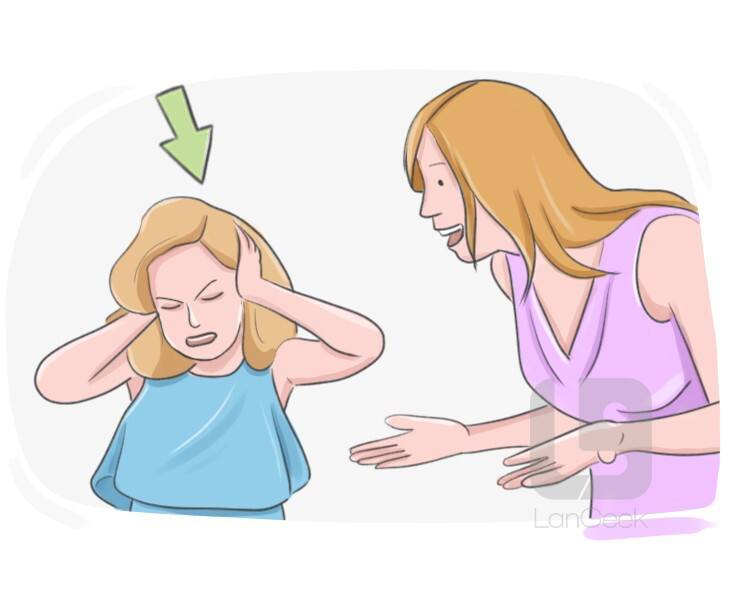

Definition of fancy-underline
Playing is part of the natural process of children's development. At this stage, the child tries to discover his identity and independence. In other words, stubbornness is a kind of child's attempt to have more control over the surrounding environment and their decisions. For example, the child may resist even simple things like wearing certain clothes or eating food. This behavior is an opportunity for parents to get to know the child better and find a more suitable strategy for raising him.

The natural age of fancy-underline
At the ages of 2 to 4 years old, children become more capable of expressing their wishes and objections due to their cognitive and language development. For this reason, this age is known as "age nine"; Because children have a great desire to use this word! Of course, delinquency in school can also manifest itself in other forms, such as being late for homework or disobeying school rules. At any age, these behaviors are usually nothing to worry about if they are temporary and manageable.
Fancy management solutions
In managing children's stubbornness, it is effective to pay attention to these points:
1- Maintaining stability in the rules:
For example, if there is a rule that you read a story before going to sleep, stick to it. This strengthens the child's sense of security.
2-Use of entertainment:
You can turn everyday tasks into games. For example, when cleaning the room, hold a competition to see who can collect things faster. The purpose of this method is not to institutionalize stubbornness in the child.
3- Maintaining control in difficult moments:
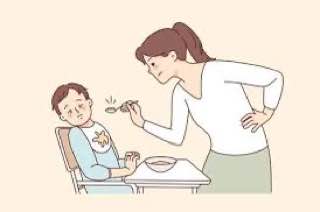
When the child is stubborn, try to keep calm and talk to him in a soft voice.
4- Encouraging independence:
Let the child make his own decisions for some small issues. For example, choosing favorite clothes or food.
Disorders related to stubbornness

Stubbornness can sometimes be a warning sign of more serious problems, such as:
– Oppositional defiant disorder (ODD):
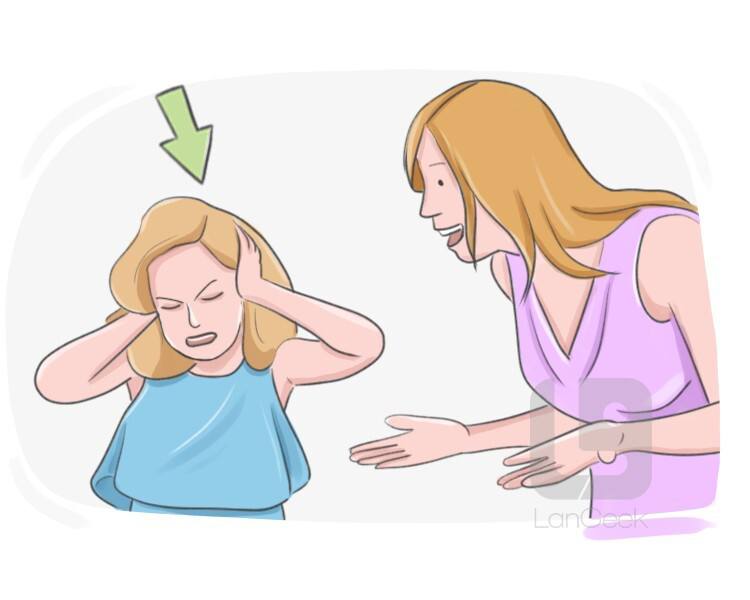
This disorder includes persistent oppositional and provocative behavior towards powerful people.
-disorder Hyperactivity (ADHD):
These children may show behaviors such as inattention, impulsivity, or resistance to doing things that look like stubbornness.
– Depression or prevention
1-
Teach the child how to manage his problems using games or stories.
3- Prediction of difficult conditions:
If you know that you have a situation ahead where there is a possibility that the child will be naughty (such as shopping), prepare him in advance.
4- Strengthening positive behaviors:
When the child shows good behavior, immediately encourage him to reinforce these behaviors.
To manage and treat stubbornness in children, referring to related professionals can be very useful. Below are a few things:
-consultant or child psychologist:
- Child psychologists can identify the reasons for stubbornness and help parents manage it.
- If stubbornness has turned into behaviors such as aggression, persistent defiance or other problems, the counselor can help the child using therapeutic approaches such as play therapy or talk therapy.
Family:
- Sometimes children's behavior is influenced by family conditions. A family counselor can help identify environmental factors and provide appropriate solutions.
-child psychiatrist specialist:
- If stubbornness is associated with disorders such as attention deficit hyperactivity disorder (ADHD) or anxiety disorders, there may be a need for examination and treatment by a child psychiatrist. In certain cases, drug therapy may also be part of the treatment.
Treatment methods and management of stubbornness
1-Positive educational techniques:
Using incentive and reward systems to reinforce positive behaviors.
2-Problem solving skills training:
Helping the child to find better solutions and manage conflicts.
3-Strengthening communication with the child:
When a child feels that his parents understand him, he will be less inclined to be stubborn.
4-reducing stress:
Creating a calm and safe environment at home and stable behavior of parents can reduce the child's stress.
5-play therapy:

This method allows the child to express his feelings through play and learn how to control his behavior.
In play therapy, children's stubbornness can be managed using certain techniques. This method helps children understand their feelings better and learn healthier ways to express their wishes.
Some effective techniques in play therapy to reduce gambling include the following:
– role-playing games:
The child can take on different roles and learn how to cope with challenging situations.
- Collaborative games: These types of games help the child to strengthen social skills such as cooperation and negotiation.
- Relaxation exercises:
Such as "playing with bubbles" or "slow motion games" that help the child control his emotions.
– Using toys
Special: Some toys allow the child to express his feelings through play and learn new ways to interact with others.
Studies have shown that play therapy can have a significant effect in reducing stubborn and aggressive behaviors.
Remember that knowing exactly the cause of stubbornness and using appropriate strategies play an important role in improving the child's behavior. If you need further guidance, we will be happy to consult with ABA experts. We have professional game therapists in the ABA team.
Video description:
-Watch this video: a child who picks up vegetables with curiosity and a mother who reacts violently...**
Have you experienced such a situation? 👶💔
Stubbornness at this age is not "misbehavior", but a natural part of brain development!
Children under two years old are in the process of discovering the world. When we react with violence, we actually transmit fear and anxiety to them instead of education.
⚠ Consequences of this bad behavior of parents:
- Anxiety in the child: the child may be afraid of discovering the world in the future.
- Intensification of stubbornness: every violent encounter prolongs the cycle of stubbornness
- Decreased self-confidence: the child gradually feels that he is not doing anything right
- Modeling aggressive behaviors: the child learns violence and repeats it in the future.
Simple and practical solutions:
Clever distraction: "Come see this advance!"
Substitution: Instead of vegetables, give him another toy.
Keep calm: take a deep breath, the child senses your stress or anger.
Allow safe discovery: if there is no risk, let him experience.
Remember:
Your child is not "stubborn", he is just learning. If you feel that you are out of control, consult a child psychologist, this is a sign of your alertness, not weakness! 💛
#raising_a_child #one-year-old_child #aware_parents #forbidden_violence
Key words: playfulness, play therapy, child, child playfulness
Book introduction

Worried parents and naughty children

Decreasing children's stubbornness and aggression with cognitive behavioral method

Raising stubborn children

Why does my child become stubborn

The keys to raising a hearing child

Children's stubbornness

A scientific, practical and simple guide for parents in the treatment of stubbornness
Teach the child how to manage his problems using games or stories.
3- Prediction of difficult conditions:
If you know that you have a situation ahead where there is a possibility that the child will be naughty (such as shopping), prepare him in advance.
4- Strengthening positive behaviors:
When the child shows good behavior, immediately encourage him to reinforce these behaviors.
To manage and treat stubbornness in children, referring to related professionals can be very useful. Below are a few things:
-consultant or child psychologist:
- Child psychologists can identify the reasons for stubbornness and help parents manage it.
- If stubbornness has turned into behaviors such as aggression, persistent defiance or other problems, the counselor can help the child using therapeutic approaches such as play therapy or talk therapy.
Family:
- Sometimes children's behavior is influenced by family conditions. A family counselor can help identify environmental factors and provide appropriate solutions.
-child psychiatrist specialist:
- If stubbornness is associated with disorders such as attention deficit hyperactivity disorder (ADHD) or anxiety disorders, there may be a need for examination and treatment by a child psychiatrist. In certain cases, drug therapy may also be part of the treatment.
Treatment methods and management of stubbornness
1-Positive educational techniques:
Using incentive and reward systems to reinforce positive behaviors.
2-Problem solving skills training:
Helping the child to find better solutions and manage conflicts.
3-Strengthening communication with the child:
When a child feels that his parents understand him, he will be less inclined to be stubborn.
4-reducing stress:
Creating a calm and safe environment at home and stable behavior of parents can reduce the child's stress.
5-play therapy:
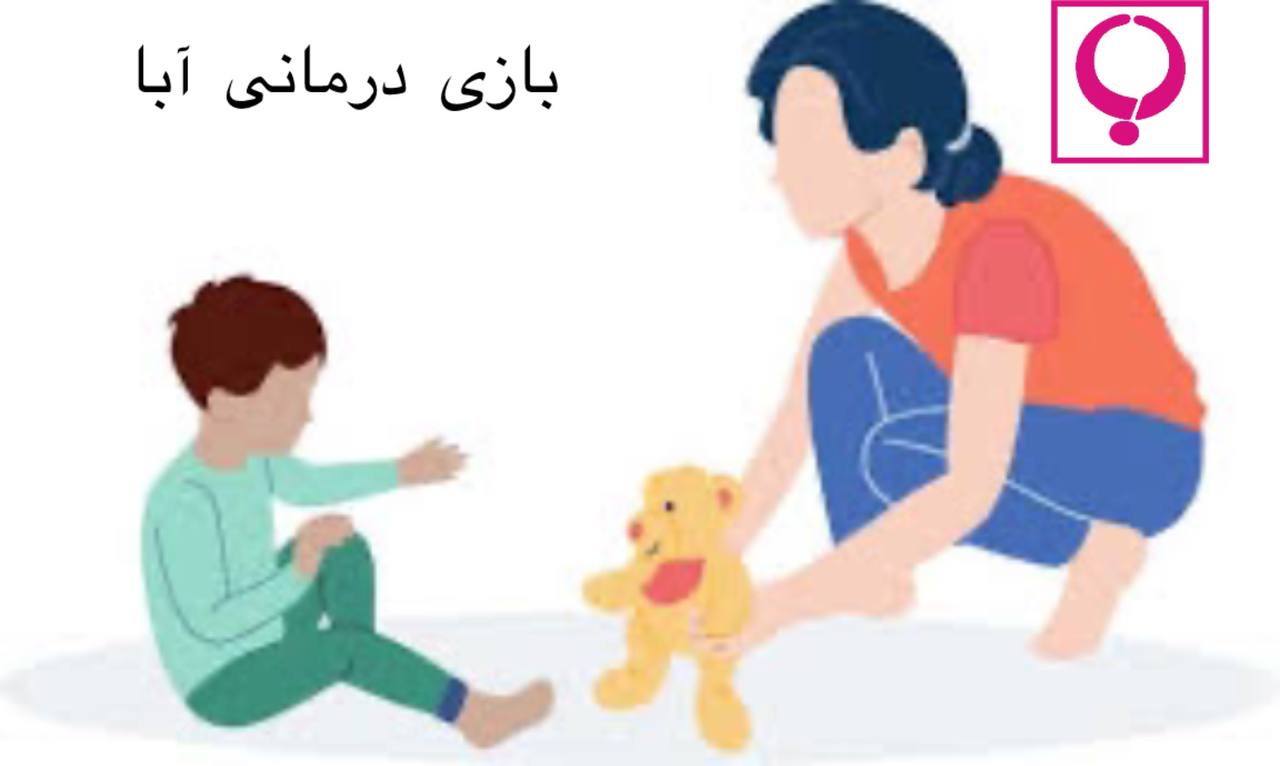
This method allows the child to express his feelings through play and learn how to control his behavior.
In play therapy, children's stubbornness can be managed using certain techniques. This method helps children understand their feelings better and learn healthier ways to express their wishes.
Some effective techniques in play therapy to reduce gambling include the following:
– role-playing games:
The child can take on different roles and learn how to cope with challenging situations.
- Collaborative games: These types of games help the child to strengthen social skills such as cooperation and negotiation.
- Relaxation exercises:
Such as "playing with bubbles" or "slow motion games" that help the child control his emotions.
– Using toys
Special: Some toys allow the child to express his feelings through play and learn new ways to interact with others.
Studies have shown that play therapy can have a significant effect in reducing stubborn and aggressive behaviors.
Remember that knowing exactly the cause of stubbornness and using appropriate strategies play an important role in improving the child's behavior. If you need further guidance, we will be happy to consult with ABA experts. We have professional game therapists in the ABA team.
Video description:
-Watch this video: a child who picks up vegetables with curiosity and a mother who reacts violently...**
Have you experienced such a situation? 👶💔
Stubbornness at this age is not "misbehavior", but a natural part of brain development!
Children under two years old are in the process of discovering the world. When we react with violence, we actually transmit fear and anxiety to them instead of education.
⚠ Consequences of this bad behavior of parents:
- Anxiety in the child: the child may be afraid of discovering the world in the future.
- Intensification of stubbornness: every violent encounter prolongs the cycle of stubbornness
- Decreased self-confidence: the child gradually feels that he is not doing anything right
- Modeling aggressive behaviors: the child learns violence and repeats it in the future.
Simple and practical solutions:
Clever distraction: "Come see this advance!"
Substitution: Instead of vegetables, give him another toy.
Keep calm: take a deep breath, the child senses your stress or anger.
Allow safe discovery: if there is no risk, let him experience.
Remember:
Your child is not "stubborn", he is just learning. If you feel that you are out of control, consult a child psychologist, this is a sign of your alertness, not weakness! 💛
#raising_a_child #one-year-old_child #aware_parents #forbidden_violence
Key words: playfulness, play therapy, child, child playfulness
Book introduction

Worried parents and naughty children

Decreasing children's stubbornness and aggression with cognitive behavioral method

Raising stubborn children

Why does my child become stubborn

The keys to raising a hearing child

Children's stubbornness