تخمککشی در IVF یکی از مراحل حساس و مهم درمان ناباروری به شمار میرود. Although the name may sound a bit scary, the reality is that this step is not painful or complicated at all and is done safely and comfortably with the help of a professional medical team. The main purpose of ovulation is to collect mature eggs from the ovaries to combine with sperm in the laboratory and form an embryo. In this article from the website Dr. Mahshid Karimi, we intend to explain this process in simple language and with understandable details, so that every person who is on the path of IVF can follow the treatment steps more confidently and calmly.
What is IVF?
IVF or in vitro fertilization is a method that helps couples who cannot conceive naturally to have a chance to have a child. In this method, the egg and sperm outside the body are combined in a laboratory environment and after the formation of the embryo, it is transferred to the uterus. The stages of IVF include ovarian stimulation, ovulation, in vitro fertilization and embryo transfer. Each step is done carefully and under the supervision of a specialist doctor to increase the probability of success.
Gender determination doctor Using modern IVF methods, in the sensitive stage of ovulation It extracts healthy eggs and by carefully choosing the embryo, it provides the possibility of planning to determine the gender of the child.

importance of ovulation in IVF
Ovulation in IVF is a vital step without which the IVF process is not possible. The quality and number of collected eggs have a direct role in the success of fertilization and embryo formation. Carrying out this step carefully and under the supervision of an expert will significantly increase the probability of a successful pregnancy.
Stimulation of ovulation before puncture is one of the vital steps of IVF, which makes several mature eggs ready to be collected and the chance of fertilization success increases. This step is done carefully and under the supervision of a specialist doctor.
How is puncture or ovulation in IVF done?
Ovulation or puncture is one of the most important stages of IVF in which mature eggs are collected from the ovaries to be combined with sperm in a laboratory environment and an embryo is formed. This step is the main key to the success of IVF and is done carefully and under the supervision of a specialist doctor.
1. Preparation before ovulation
Before starting ovulation in IVF, the doctor examines the patient and prescribes the necessary drugs for sedation or local anesthesia. This action makes the patient comfortable during the operation and minimizes pain or discomfort. Also, ultrasound before puncture helps determine the exact position of ovaries and follicles.
2. Stimulation of ovaries and growth of follicles
Before ovulation, the patient is treated with hormones so that several mature eggs grow in the ovaries. Using ultrasound, the doctor controls the growth of the follicles and determines the right time for ovulation.
3. Puncture
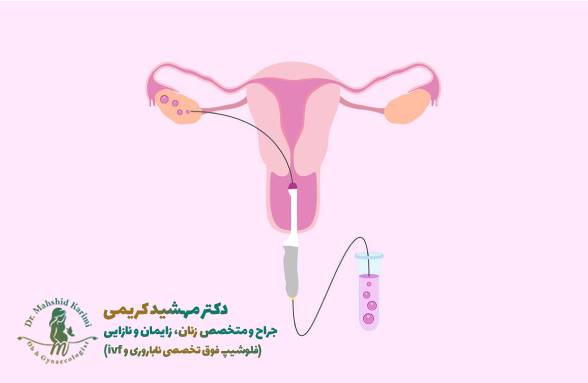
Ovulation in IVF is usually done by transvaginal ultrasound. The doctor inserts a special needle into the ovary through the vaginal wall and carefully collects the follicular fluid containing the eggs. Each ovary takes a few minutes and the whole process usually takes between 10 and 20 minutes.
4. Transfer of eggs to the laboratory
Collected eggs are immediately transferred to the laboratory to be prepared for fertilization with sperm. At this stage, the eggs are kept under controlled conditions to maintain their quality.
5. Care after ovulation
After ovulation in IVF, the patient is monitored for a few hours and then discharged. You may experience some mild soreness, cramping, or spotting, which is usually normal and resolves within a few days. The doctor gives instructions for rest, nutrition and daily activities to speed up the healing process.

ovulation stimulation process before puncture
Before Panchkar, we need to stimulate ovulation, which is done in the following ways:
- Prescription of hormonal drugs: The doctor prescribes special hormonal drugs to stimulate the ovaries. These drugs cause several follicles to grow in the ovaries, not just one egg, to increase the chances of IVF success. Medicines are usually taken in the form of injections or pills.
- Follicle growth control: During the treatment, the patient undergoes ultrasound several times to control the growth of follicles. Hormonal tests are also performed so that the doctor can determine the exact time when the eggs reach full maturity.
- Final hormone injection (HCG or similar): When the follicles have reached the appropriate size, the doctor injects a special hormone such as HCG. This hormone causes the final maturation of the eggs and their preparation for ovulation. Usually, 36 hours after injection, ovulation is done in IVF.
- Preparation for puncture: After stimulating and maturing the eggs, the patient is ready for ovulation. The doctor examines the patient's condition and prescribes sedatives or anesthesia so that the puncture can be done safely and comfortably.
actions before puncture
Before ovulation in IVF, it is very important to follow a series of tips and preparations to make the process more safe and successful. These measures help the patient to have a more comfortable experience, both physically and psychologically.
1. Medical consultation and examination
Before the puncture, the doctor examines the patient and measures the medical history, allergies and medications. This step helps reduce possible risks and adjust the treatment plan in a more precise way.
2. Pre-puncture tests
The doctor may perform blood tests, hormone tests, and ultrasound to check the condition of the ovaries and follicles. These tests determine the right time for ovulation and the number of eggs that can be collected.
3. Compliance with medication instructions
If ovulation stimulation drugs or sedatives are prescribed, the patient should take them exactly as prescribed. Regular use of medicines causes follicles to grow properly and eggs to be ready for collection.
4. Food and drink restrictions
A few hours before ovulation in IVF, the patient usually should not eat or drink water, especially if they are receiving anesthesia or sedation. This action reduces the risk of problems during the operation.
5. Mental and psychological preparation
Ovulation can be a little stressful. Talking to the doctor and getting enough information about the procedure, medications and aftercare will help reduce anxiety.
6. Planning for after operation
After ovulation in IVF, the patient needs rest and it is better to have someone with him to take him home. Also, heavy activities and intense exercise are not recommended until a few days after the operation.
Complying with these measures before the puncture will make the egg collection process more safe and comfortable and increase the probability of IVF success.
Conclusion
Ovulation in IVF is a crucial and decisive stage in the infertility treatment. By following the stages of stimulation of ovulation, pre-puncture preparation and performing the operation carefully under the supervision of a specialist doctor, egg collection is done more safely and successfully. Knowledge of the process, pre- and post-ovulation care, and the companionship of the medical team not only increase the chances of IVF success, but also make the patient's experience more relaxed and safe. Finally, fully understanding these steps will help couples to follow the path of pregnancy with more confidence and peace and achieve their goal of starting a family.