مقاله تخصصی
How smoking affects dental implants
3 months ago
292 بازدید

Dr. Farin Shamshirgar
TehranSpecialist in dental prostheses
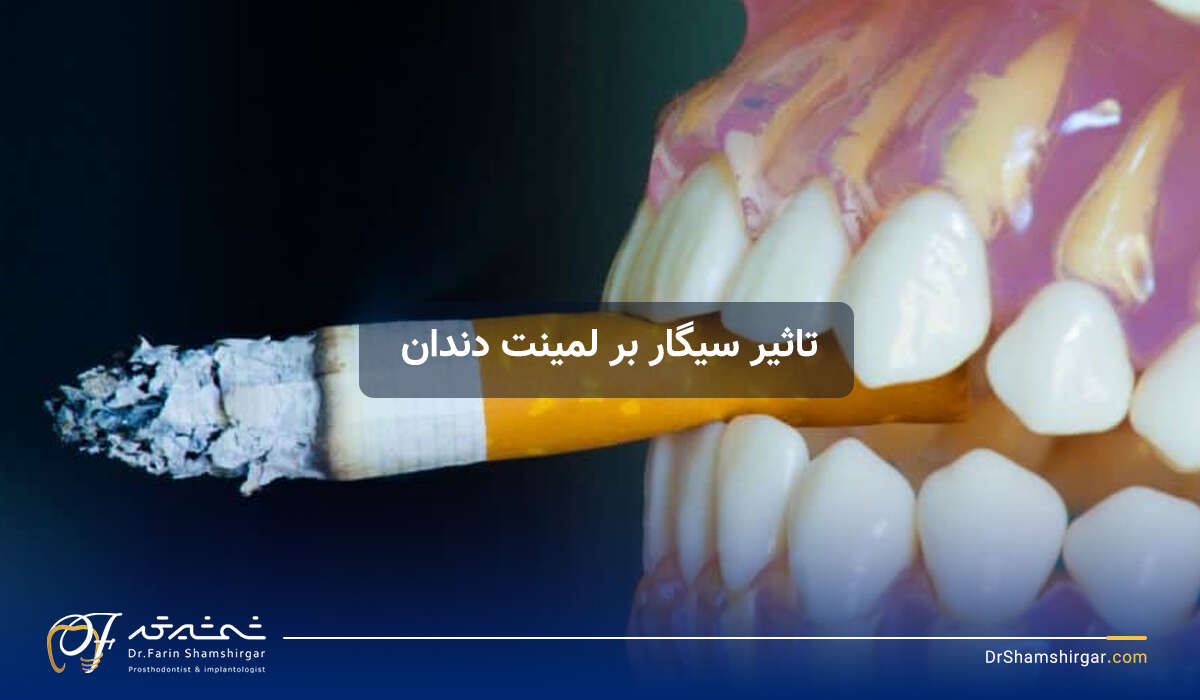
One of the problems faced by smokers for implants is the effect of smoking on dental implants. The effect of smoking on the implant is very serious and can even cause the loss and failure of this operation. It is very important for smokers to get the necessary information about the effect of smoking on dental implants before dental implants, so that they can do this in an informed manner. In the rest of this article, we will discuss the effect of smoking on dental implants.
> *“The Effect of Smoking on the Success of Dental Implants: A Meta-Analysis”\* Published in International Journal of Oral and Maxillofacial Surgery, February 2016. > his comprehensive study analyzed data from 15 articles, including both randomized and non-randomized clinical studies, to assess the effects of smoking on implant failure rates and marginal bone loss. > The findings revealed a statistically significant increase in implant failure rates and marginal bone loss among smokers compared to non-smokers. > Specifically, the odds ratio for implant failure was 1.96 (95% CI 1.68–2.30), indicating nearly double the risk of failure for smokers. Additionally, smokers experienced greater marginal bone loss, particularly in the maxilla.”*
> *«Smoking has a great negative impact on oral and dental health and can lead to the failure of dental implants. A comprehensive study published in the International Journal of Oral and Maxillofacial Surgery analyzed data from 15 articles, including randomized and non-randomized clinical trials, to assess the effects of smoking on implant failure rates and marginal bone loss.*
> *The findings showed that there is a significant increase in the rate of implant failure and marginal bone loss among smokers compared to non-smokers. Specifically, the odds ratio for implant failure was 1.96 (95% CI 1.68–2.30), indicating an almost doubling of failure risk for smokers. > In addition, smokers experienced more marginal bone loss, especially in the maxilla.*
> *This study provides valuable insights into the harmful effects of smoking on the success of dental implants and emphasizes the importance of smoking cessation for patients undergoing implant surgery.»*
>
> *Source: PubMed*
What is meant by dental implant?
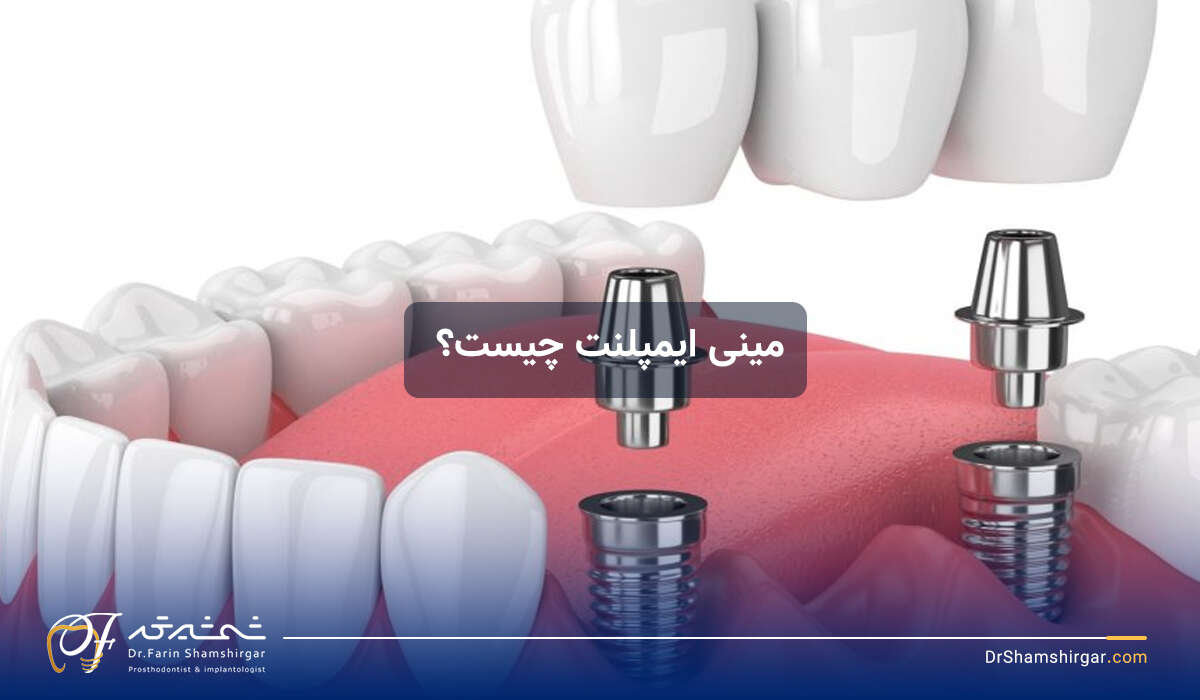
Dental implant is known as the most efficient and popular method of replacing a missing tooth. The implant consists of a titanium-shaped base that is placed inside the jawbone, and after its complete connection, a crown or crown is placed on it. The implant has the same appearance and function as a person's natural teeth, and for this reason, many people go for this method to replace their lost teeth.
Is it possible to implant dental implants in smokers?
There is also the possibility of dental implants for smokers; But to do this requires changes in the lifestyle of smokers. Since the effect of smoking on dental implants can have destructive effects on the process of dental implants, smokers must stop smoking to get dental implants.
How smoking affects dental implants
How to reduce the effect of smoking on dental implants
In order to understand the effect of smoking on dental implants, it is very important to consider the following:
### Quit smoking even temporarily
It is best for people to quit smoking at least a few weeks before the implant and two months after the implant surgery. This will help the wound to heal better and on the other hand, the success of the implant will increase. ### Reduce smoking
If it is not possible for people to quit smoking, it is recommended to drastically reduce smoking. This is especially important after implant placement. ### Oral and dental hygiene
It is very important for smokers to brush their teeth twice a day with a suitable toothbrush and use antibacterial mouthwash and dental floss. ### Drink a lot of water
Since smoking can reduce saliva, by drinking more water, you can avoid dry mouth and creating a suitable environment for infection. ### Use of medical aids
Certain medications or supplements, such as smoking cessation sprays or nicotine gum, can help you quit or reduce smoking and can be used in consultation with your dentist. ### Avoid alcohol consumption
The simultaneous use of cigarettes and alcohol can multiply the negative effects of smoking, and for this reason, the simultaneous use of alcohol and cigarettes should be strictly avoided after the implant.
What are the consequences of implant planting in smokers?
Some people may insist on getting dental implants despite smoking. It should be known that this work has consequences, including the following:
- Increased risk of implant failure
- Delay in wound healing
- Increase in postoperative infections
- Faster analysis of the jaw bone
Gum diseases (peri-implantitis)
Free consultation with Dr. Farin Shamshirgar, dental implant specialist in Zafaranieh
Free consultation!
Make an appointment or call us for a free consultation or online.
Free consultation and appointment booking
Telephone: 0640 2202 021
Does smoking affect the success of dental implants?
Yes, smoking is one of the main factors in reducing the success of dental implants. Nicotine reduces the blood flow in the gums, which disrupts the healing process and fusion of the implant to the jaw bone.
Why does smoking cause implant failure?
Cigarette:
It prevents proper blood supply to the gums. - Increases the risk of infection after surgery. - It slows down the process of ossification around the implant. - Increases the possibility of gum disease and bone loss.
Are implants strictly prohibited for smokers?
No, but it has a higher risk of failure. The dentist may offer alternatives or specific recommendations based on your oral health status.
Can you smoke before and after the implant?
It is recommended to refrain from smoking at least \*2 weeks before and 2 months after the implantation\*. Ideally, it should be left out altogether.