
Table of contents
The importance of the menstrual calendar in women's health
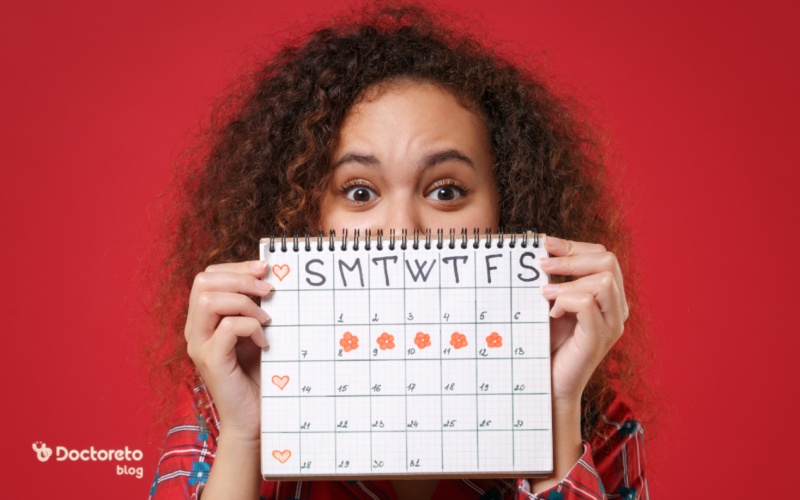
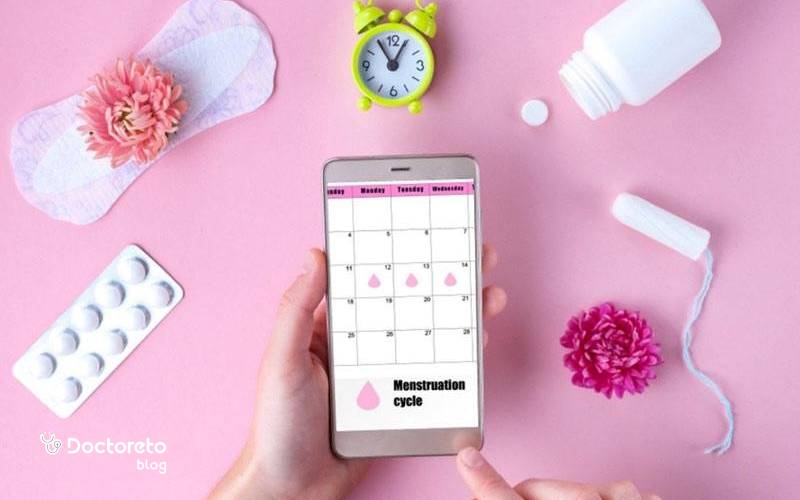
Everyone's body is different and irregular period is more common than you might think. The easiest way to track your menstrual cycle is to record the start of your period so that you gradually become familiar with your average cycle length and less likely to be surprised by the next period. Among the most important uses of the menstrual calendar, we can mention the following:
- Approximate information about the fertility period and calculation of ovulation date
- Better understanding of public health and identification of diseases such as polycystic ovary syndrome
- Recording symptoms for a more detailed explanation to the doctor
- Help to identify heavy or irregular periods
- Better understanding and management of mood swings
- Possibility of better planning for work and daily life
English text:
Quoted from tampax
Healthy periods generally last between three and seven days.
Persian translation:
Healthy periods usually last between three and seven days.
How does the menstrual cycle work and why is it important for fertility?
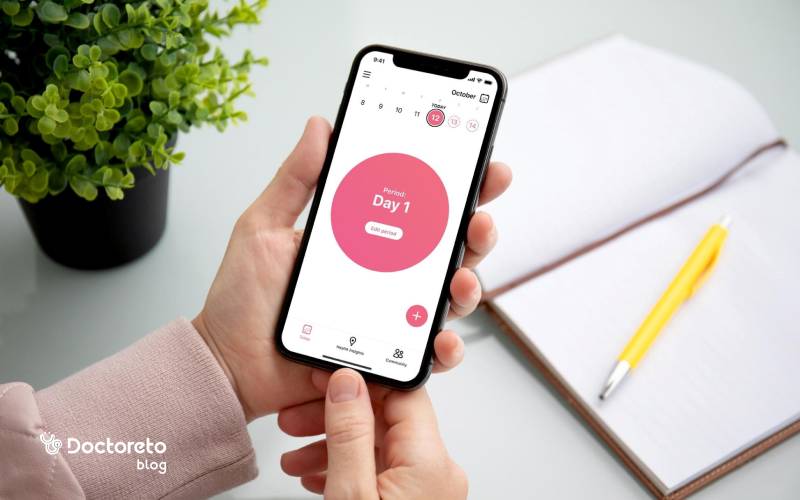
The menstrual cycle is a set of changes that your body goes through every month to prepare for a possible pregnancy. This cycle consists of four phases: menstruation, which is accompanied by bleeding and shedding of the uterine wall, the follicular phase, when the ovaries prepare to release an egg, ovulation, where an egg is released, and the luteal phase, when the body prepares for a possible pregnancy.
Knowing the menstrual cycle will help you better understand when you are most likely to get pregnant and have a proper planning in your fertile period.
English text:
Ovulation is when the ovary releases a mature egg and waits for It to be fertilized by the sperm.
Persian translation:
Ovulation is when the ovary releases a mature egg and waits for it to be fertilized by the sperm. href="https://www.motherhoodindia.com/period-calculator-period-tracker/" target="_blank" rel="noreferrer noopener">motherhoodindia
How to use the menstrual calendar to predict fertility
To prepare a menstrual calendar and find out the fertility age of women, record the first day of your period and count to the day before the start of the next period. Then repeat this process for several consecutive cycles and divide the total length of all cycles by the number of cycles to get your average cycle length.
The length of the menstrual cycle usually varies between 21 and 35 days and may be different for each person. Also, in the first years after the onset of menstruation, the cycles may be longer or irregular. This information will help you predict the approximate time of your next period and also know your fertile and ovulation days better.
| Things that should be included in the menstrual calendar | Things that can affect the menstrual calendar |
|---|---|
| When the period starts | Onset of menopause (45-55 years old) |
| Cycle length Menstruation | Hormonal contraceptive methods (pill, IUD) |
| Approximate time of ovulation and fertile period | Severe weight loss or gain |
| Average cycle length (21-35 days) | Stress and anxiety |
| Fertile days (fertile window about 7 day) | Excessive exercise |
| Accompanied symptoms (such as pain, mood changes) | Insomnia |
When are the fertile days in the menstrual calendar?
Fertile days in the menstrual calendar mainly include the day of ovulation, but also include another interval. For example, if intercourse occurs 5 days before ovulation, sperm can survive in the woman's body for up to 5 days and have a chance of fertilization. Also, if the intercourse is done on the day of ovulation or even about 24 hours after, the egg is still alive and there is still a possibility of pregnancy.
What does the fertility window mean?
The fertile window includes the five days before ovulation and the day of ovulation, which means that this period lasts about six days in total. Knowing this interval is very important for women who plan to get pregnant or, on the contrary, want to prevent pregnancy, and it can help to better manage reproductive health.
What things mess up the menstrual calendar and fertility time?
Menstrual and fertility calendars can change and become irregular under the influence of various factors. The most important reasons for the irregularity of the menstrual calendar are the onset of menopause (usually between 45 and 55 years old), the use of hormonal prevention methods such as pills and the intrauterine device (IUD), severe weight loss or gain, stress and anxiety, excessive exercise, and lack of sleep.
Conclusion
Menstrual and Fertility Calendar is a simple but practical way to get to know your body better and manage your reproductive health. By tracking your menstrual cycle, identifying fertile days and being aware of body changes, you can have a more accurate plan for your daily life, sexual health and fertility. Even if there is irregularity in the cycle, this calendar will help you identify the changes in time and make more informed decisions for your body's health.
Your doctor takes care of your health!