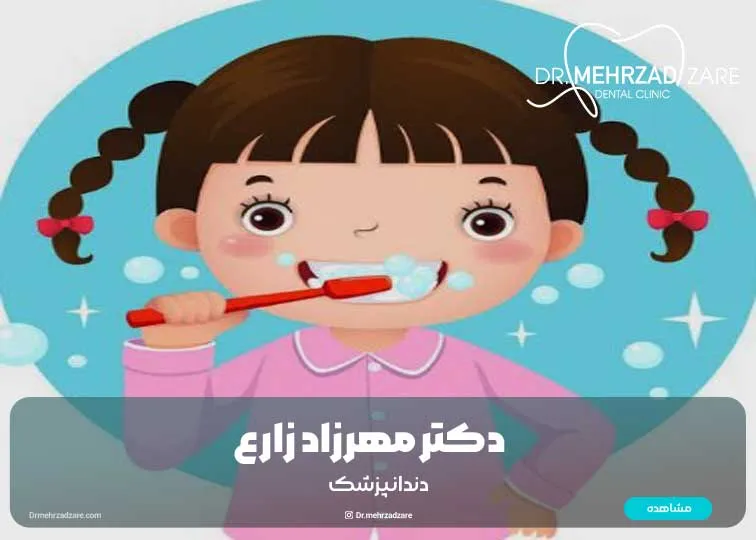

In today's fast-paced world, encouraging children to adopt healthy habits such as brushing teeth not only helps their oral health, but also lays the foundation for a responsible lifestyle in the future. How to encourage children to brush their teeth? This is a common question that parents and educators face, as children often find brushing their teeth a tedious task. Encouraging to brush your teeth can become a pleasant experience with creative and playful methods.
This article examines the issue in depth and offers solutions, focusing on psychological, educational and practical aspects, so that parents can encourage children to brush their teeth. From introduction to conclusion, we cover the key areas: defining the problem, reasons for children's resistance, ways to prevent bad habits, motivational and alternative therapies, and finally, practical tips for lasting success. With a repeated focus on "how to get children to brush their teeth", this guide will help you take an effective step for your children's health. Encouraging brushing not only prevents tooth decay, but also increases the child's self-confidence.
What is hitting and what does it mean to encourage children to do it?
Brushing, as a simple but vital action, includes cleaning the surfaces of the teeth, gums and tongue using a toothbrush and fluoride toothpaste to remove plaque and bacteria. But encouraging children to brush their teeth goes beyond technical education; It is a psychological and behavioral process that aims to create a permanent habit twice a day (morning and night) for at least two minutes. How to encourage children to brush their teeth? It means using strategies to transform this task from a compulsion to a spontaneous activity, where the child is internally motivated to make brushing a part of the daily routine.
Aspects Biological and developmental in motivation to brush teeth
From a biological point of view,
In toddlers (1-3 years old), encouragement to brush teeth is done with parental supervision and playful tools. For children aged 6-12, the focus is on teaching responsibility. Understanding these differences personalizes persuasion strategies and prevents resistance. The reasons for children's resistance to brushing their teeth are multi-layered and include psychological, sensory and environmental factors. Often, the taste or the discomfort of the toothbrush is the main obstacle. How to encourage children to brush their teeth? First, we must identify these reasons in order to provide targeted solutions. Children may
Sensitivity to the taste of mint or the texture of the toothbrush repels children. In sensory cases like autism, this issue is more severe. How to encourage children to brush their teeth by choosing mild toothpaste or soft toothbrushes? This reduces resistance and facilitates habituation. If the parents do not brush their teeth, the child will not imitate. A busy environment or irregular routine makes it difficult to motivate. Related words such as "encouraging healthy habits" or "the role of the family in brushing children's teeth", emphasize the importance of the environment. Preventing oral problems is the basis of encouraging children to brush their teeth. How to encourage children to brush their teeth before Rot occur? By creating early and positive routines. From 6 months, start with a finger toothbrush so that the baby gets used to touching the teeth. A consistent routine (after meals) without forcing ensures plaque prevention. Persuasion with happy songs, such as counting to 120 seconds, is effective. Avoiding sticky sweets (such as candy) and encouraging fluids after meals can prevent cavities. How to encourage children to brush their teeth by integrating them into meals? This makes prevention natural. For sensitive children, using fluoride-free toothpaste in the beginning and gradual introduction will prevent future avoidance. Mindfulness techniques for relaxation before brushing are part of prevention. Role-playing games with dolls that brush their teeth encourage the child without pressure and prevent bad dental habits. Treatment in this context means interventions to overcome resistance. How to encourage children to brush their teeth with different methods? From incentive to alternative. Using a reward chart (sticker chart) creates motivation for every successful teeth brushing. Encouraging with family competition (who brushes teeth better?) or game-like apps reinforces the habit. In cases of early decay, sealant (protective varnish) and fluoride therapy encourage the child to brush the teeth because it reduces the pain. Regular dentist visits turn fear into a positive experience. Exercises like "hunting for bacteria" with a colored toothbrush, or oral yoga (simple tongue movements), amuse the child. A 2-minute routine with a music timer increases motivation. How to encourage children to brush their teeth with these exercises? with daily and positive repetition. Traditional medicine such as oiling with coconut oil (for children over 5 years old), is a gentle alternative. Children's acupuncture or aromatherapy with mild scents can reduce sensitivity. These methods are complementary to the main persuasion and should be used with expert supervision. Consultation with a child psychologist for cases of extreme resistance will treat the emotional roots. Persuasion with story therapy (books about healthy teeth) changes the child's mind. Encouraging children to brush their teeth is a journey that reaches success with patience and creativity. Build a permanent habit by combining prevention, encouragement, and positive routines. The role of parents is key: model, play and be patient. This not only builds healthy teeth, but also teaches responsibility. Start today – choosing your baby's favorite toothbrush and a happy song is the first step. Guide your children to a healthy smile by following this guide. 1. How to encourage children to brush their teeth if they don't like the taste of toothpaste? 2. What is the right age to start encouraging teeth brushing? 3. Are games really effective in encouraging children to brush their teeth? 4. What should we do if the child forgets to brush his teeth? 5. How is the encouragement to brush teeth in sensitive children? 7. Is fluoride toothpaste necessary for persuasion? 9. How much do apps help in encouraging children to brush their teeth? 10. If the resistance continues, should we go to the dentist? 1. False belief: children automatically learn the habit of brushing their teeth. 2. False belief: coercion is the best way to encourage teeth brushing. 3. Misconception: baby teeth are not important, so no persuasion is needed. 4. False belief: Toothpaste is dangerous for children under 2 years old. 5. False belief: electric toothbrush makes persuasion harder. 6. False belief: Persuasion to brush teeth is only a mother's duty. 7. False belief: one minute of brushing your teeth is enough. 8. False belief: herbal treatments are an alternative to brushing your teeth. 9. False belief: children over 5 years old do not need persuasion anymore. 10. Misconception: Mint flavor is suitable for all children.Difference Persuasion at different ages
Psychological reasons for not being motivated to brush your teeth
sensory and physical reasons
Environmental and family factors
Methods Prevention: how to prevent bad dental habits in children?

Educational and routine prevention
nutritional prevention
Prevention of sensory problems
Role in prevention
Encouraging and behavioral therapies
Medical and dental treatments
Proper exercises and playful routines
Alternative therapies
Psychological treatments
Conclusion
Frequently Asked Questions
Start with fruit flavored toothpaste and gradually get used to mild flavors.
From the time the first tooth grows (6 months old) with a soft toothbrush and parental supervision.
Yes, role-playing games or apps turn resistance into fun.
Create a consistent routine with gentle reminders and a reward schedule.
Use soft toothbrushes and relaxing techniques such as music.
Yes, but a small amount (the size of rice) for children under 3 years old.
very They count time and give virtual rewards.
Yes, to explore sensory or medical roots and professional solutions.False beliefs
Fact: They need active encouragement from parents from a young age.
Fact: Coercion creates resistance; Positive encouragement is more effective.
Fact: Milk caries affects permanent teeth.
Fact: Small amounts of fluoride are safe and beneficial.
Fact: It's more fun and engages the child more.
Fact: The involvement of both parents makes a better example.
Fact: It takes at least two minutes to clean thoroughly.
Fact: They are complements, not substitutes; The toothbrush is the most important.
Fact: Supervision until adolescence is necessary to establish the habit.
Fact: Milder flavors work better for persuasion.





