مقاله تخصصی
Gum curettage Complete guide + pros, cons and cost
3 weeks ago
154 بازدید

Dr. Mohammad Hossein Tajik
تهرانdentist
Gingival curettage | Complete Guide + Pros, Cons & Cost
All about gum curettage: a comprehensive guide from Dr. Tajik Dental Clinic
Introduction
Is Are your gums swollen, red and bloody? Do you bleed when brushing or flossing? Maybe to Dr. Tajik Dental Clinic, we will fully review gum curettage. We'll cover everything from the what and why of this treatment to the procedures, pros, cons, post-operative care, and costs. Our goal is to help you make an informed decision about this treatment by providing accurate, scientific and up-to-date information.
What is gingival curettage?
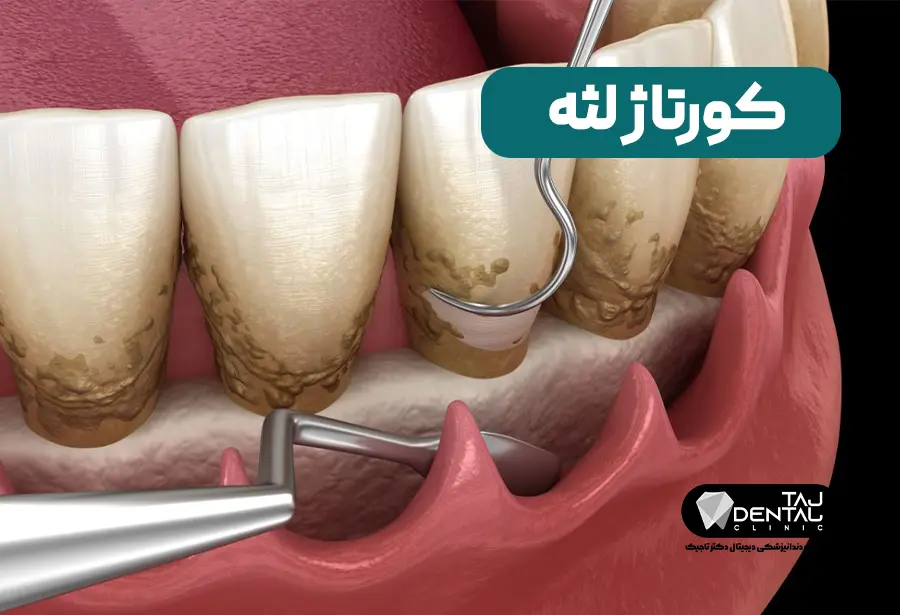
Gum curettage, sometimes called deep caulking or undergum cleaning, is a non-surgical treatment method in dentistry that is used to treat gum diseases (periodontitis). In this method, the dentist or periodontist (gum surgeon) uses special hand tools or ultrasonic devices to clean plaque, debris and bacteria accumulated under the gum line and on the surface of the tooth root.
Difference between regular scaling and gingival curettage:
You may be wondering what is the difference between regular scaling and gingival curettage. Scaling is usually done to clean the surface of the teeth and above the gum line and is sufficient to prevent gum disease or treat mild gum inflammation (gingivitis). But gum curettage is a deeper treatment that is done to clean below the gum line, where regular scaling can't reach.
Reasons for performing gum curettage
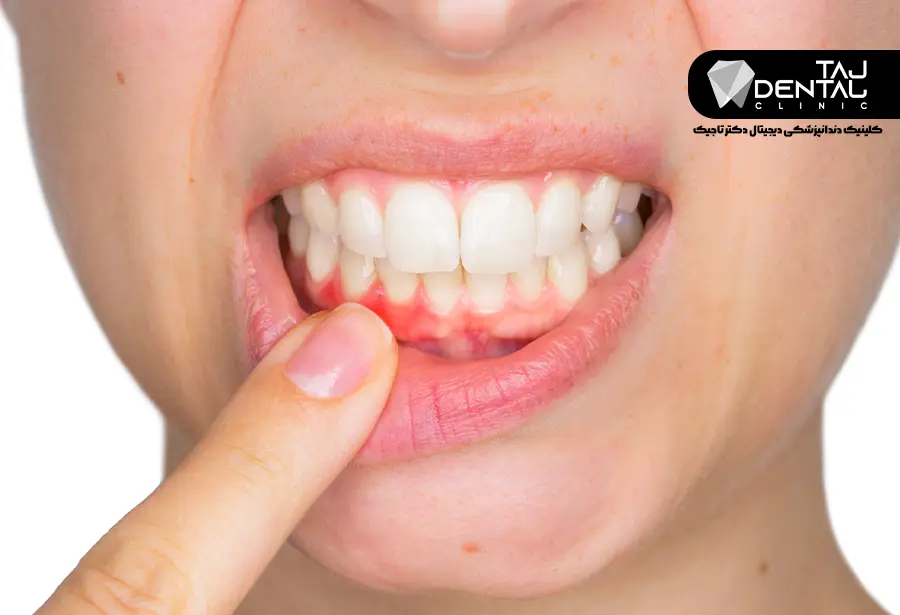
This process is performed when gum disease (periodontitis) has progressed. Gum disease is a bacterial infection that causes inflammation, gum degeneration, and finally the loss of teeth. Gingivitis: Mild inflammation of the gums that is accompanied by redness, swelling and bleeding of the gums. At this stage, gum disease can usually be treated with regular scaling and oral hygiene.
2. Mild Periodontitis: The inflammation of the gums becomes more severe and damages the underlying tissues of the gums. At this stage, periodontal pockets (the space between the gums and teeth) are formed, which are the places where bacteria accumulate.
3. Moderate Periodontitis: Periodontal pockets become deeper and the bone supporting the tooth begins to degenerate.
4. Severe Periodontitis: Bone and gum loss reaches the point where the teeth become loose and may fall out.
Purpose of gingival curettage
This process is usually for treatment Mild to moderate periodontitis is recommended. The purpose of gum curettage is:
Plaque and plaque removal: Complete removal of plaque and plaque from the tooth surface and tooth root.
Reduction of gum inflammation: By removing bacteria and irritants, gum inflammation is reduced.
Decreasing the depth of periodontal pockets: By removing infected and inflamed tissues, the depth of periodontal pockets decreases and the gum sticks to the tooth.
Preventing the progress of gum disease: By controlling infection and inflammation, further bone and gum erosion is prevented.
Protection of teeth: Treating gum disease prevents loose and falling teeth.
Types of gum curettage methods
Gum curettage is done in two main ways:
1. Gum curettage with manual tools
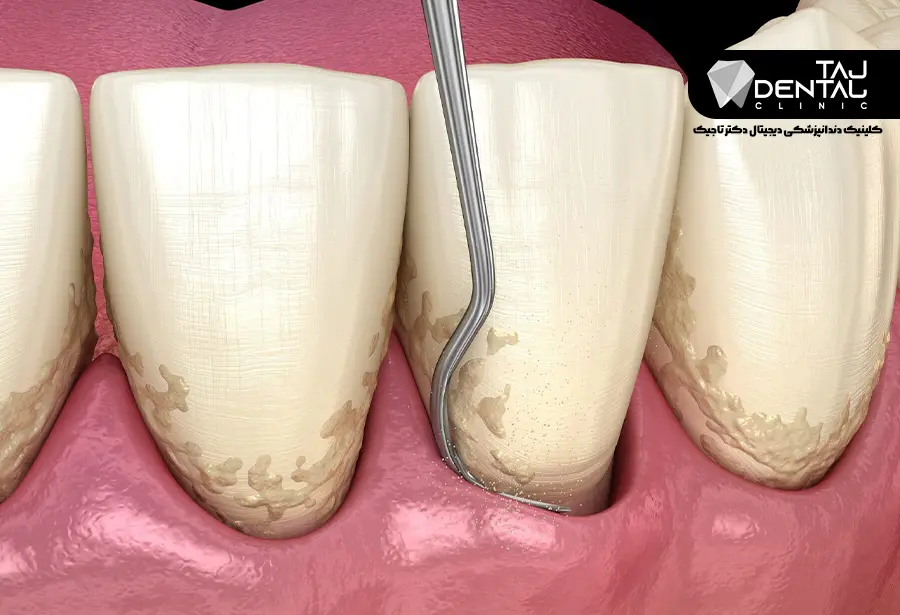
In this method, the dentist cleans the mass and infected tissues from under the gum line and on the surface of the tooth root using special manual tools called plaque curettage. Courts have sharp and delicate edges that allow the dentist to clean with precision and delicacy.
2. Gum curettage with an ultrasonic device (Ultrasonic Curettage)
In this method, an ultrasonic device is used. By creating high-frequency sound vibrations, this device removes mass and plaque from the surface of the tooth and root. Also, the water flow of the device helps to wash the periodontal pockets and keep the area cool.
Advantages of using the ultrasonic device:
More speed: Cleaning with the ultrasonic device is usually done faster than the manual method.
More comfort for the patient: The vibrations of the ultrasonic device usually cause less discomfort to the patient than manual instruments.
Better access to deep areas: The tip of the ultrasonic device can access deeper areas of periodontal pockets.
3. Surgical Flap Curettage
In more advanced cases of gum disease, flap surgery may be needed. In this method, the dentist makes a small incision in the gum and pushes it aside to access the root of the tooth and the underlying bone. Then, using hand tools or an ultrasonic device, deep cleaning is done. Finally, the gum is pushed back into place and sutured.
Gum curettage steps
The steps are as follows:
1. Examination and diagnosis: The dentist first examines your gums and teeth. Radiography (photograph) may be used to check the condition of the underlying bone.
2. Local anesthesia: Before starting the curettage, the target area is numbed by injecting local anesthesia so that the patient does not feel any pain during the treatment.
3. Cleaning: Using hand tools or an ultrasonic device, the dentist cleans the plaque, mass and infectious tissues from under the gum line and on the surface of the tooth root.
4. Smoothing the root surface (Root Planing): After cleaning, the surface of the tooth root is smoothed to prevent the re-accumulation of plaque and mass.
5. Washing: The target area is washed with disinfectant solutions to remove the remaining bacteria.
6. Medication prescription: Your dentist may prescribe antibiotics or antiseptic mouthwash.
7. Post-operative care: The dentist will provide you with the necessary instructions for taking care of the gums after curettage.
Advantages of gum curettage
Treatment of gum disease: This operation removes gum infection and inflammation, helps to treat the disease.
Preventing the progression of the disease: By controlling gum disease, further bone and gum erosion is prevented.
Preserving teeth: By treating gum disease, loosening and falling of teeth is prevented.
Improving the appearance of the gums: By reducing inflammation and swelling, the gums look healthier and more beautiful.
Reduction of bad breath: By removing the bacteria that produce bad breath, bad breath is reduced.
Improve general health: Gum disease can affect the general health of the body. Gum curettage helps improve general health by controlling gum disease.
Disadvantages and possible side effects
- Pain and discomfort: After anesthesia, you may feel some pain and discomfort in the treated area. This pain can usually be controlled with regular pain relievers.
- Bleeding: You may have some bleeding from the gums for a few hours after the curettage.
- Swelling: The gums may be slightly swollen. This swelling usually resolves within a few days.
- Tooth sensitivity: Teeth may be sensitive to cold and heat. This sensitivity is usually temporary and resolves within a few weeks.
- Infection: In rare cases, an infection may develop in the treated area. If you notice signs of infection (such as fever, severe pain, severe swelling, discharge of pus), see your dentist immediately.
Care after gum curettage
Following care after gum curettage is necessary for faster recovery and prevention of complications. Your dentist will give you specific instructions, but in general, the following care is recommended:
- Brushing and flossing: Brush and floss gently. Use a soft toothbrush and avoid putting too much pressure on the gums.
- Mouthwash: Use the disinfectant mouthwash prescribed by the dentist.
- Diet: Avoid eating hard, hot, spicy and acidic foods. Eat soft and cool foods.
- Medications: Take medications prescribed by your dentist as directed.
- Non-smoking: Smoking and using other tobacco products can slow the healing process and increase the risk of infection.
- Regular visits to the dentist: See your dentist for periodic checkups and scaling.
Cost of gum curettage
The cost of gum curettage depends on various factors, including:
- Severity of the gum disease: the more advanced the gum disease, the more expensive the treatment will be.
- The number of teeth involved: the more The more teeth that require curettage, the more the cost of the treatment will be.
- Treatment method: The cost of curettage with an ultrasonic device may be slightly higher than the manual method.
- Dentist expertise: The cost of treatment by a periodontist specialist (gum surgeon) may be higher than that of a general dentist. Tajik, you can contact us and book a free consultation.
Comparison table of conventional scaling and gingival curettage
property style="padding: 12px; border: 1px solid #ddd; font-weight: bold;">Gum Curettage Goal Prevention of gum disease, treatment Gingivitis Treatment of mild to moderate periodontitis Cleaning site Teeth surface and above the gum line Under the gum line and on the surface of the tooth root Cleaning depth Surface deep need numbing yes (numbing local) treatment time shorter longer cost suitable for All people, as part of routine care People with periodontitis Contraindications for gingival curettage
In some cases, gingival curettage may not be recommended or performed with caution:
- Uncontrolled systemic diseases: such as uncontrolled diabetes, severe cardiovascular diseases, disorders Bleeding.
- Use of certain medications: such as anticoagulants.
- Pregnancy: In some cases, gum curettage may be delayed.
- Acute oral infections: such as herpes.
Frequently asked questions about gum curettage (FAQ)
1. Does gum curettage hurt?
No, this process is done with local anesthesia and the patient does not feel any pain during the treatment. After anesthesia, there may be some pain and discomfort that can be controlled with regular pain relievers.
2. How long does gum curettage take?
The duration of gum curettage depends on the severity of the disease and the number of teeth involved. It may take from 30 minutes to several hours.
3. Does gingival curettage cause receding gums?
No, gingival curettage does not cause gingival recession. Rather, by treating gum disease, it prevents further receding of the gum.
4. Can I eat after gum curettage?
Yes, you can eat. But it is recommended to avoid eating hard, hot, spicy and acidic foods. Eat soft and cool foods.
5. Is gum curettage once and for all enough?
Gum disease can be controlled with this process, but to maintain the results of the treatment, you must maintain good oral and dental hygiene and visit the dentist regularly for periodical examinations and scaling.
6. Does curettage eliminate bad breath?
Yes, one of the reasons for bad breath is the accumulation of bacteria and plaque under the gums. By cleaning these areas, it effectively reduces or completely eliminates bad breath.
7. Is it possible to perform curettage during pregnancy?
It is not recommended to perform any unnecessary dental treatment during pregnancy, especially in the first and third trimesters. But if necessary and with the discretion of the dentist and gynecologist, gum curettage may be performed in the second trimester of pregnancy.
Conclusion
Gingival curettage is an effective treatment method for gum disease (periodontitis). This method helps to control infection and inflammation, reduce the depth of periodontal pockets, prevent disease progression and preserve teeth by removing plaque, mass and bacteria accumulated under the gum line. If you have gum disease, visit **Dr. Tajik Dental Clinic** for consultation and to determine whether gum curettage is right for you. Using the latest technologies and an experienced team of dentists and specialists, we offer you the best medical services.
Our experience and expertise at Dr. Tajik Clinic
We at Dr. Tajik Dental Clinic, with years of experience in the field of treating gum diseases and performing gum curettage, to our patients. We help them to have a healthy and beautiful smile. Using the latest equipment and techniques, we perform gum curettage with the least pain and discomfort and the most effectiveness. Our expert team will carefully and patiently answer all your questions and accompany you in all stages of treatment.
Call Dr. Tajik Dental Clinic today to book a free consultation and take an important step towards maintaining your oral health.