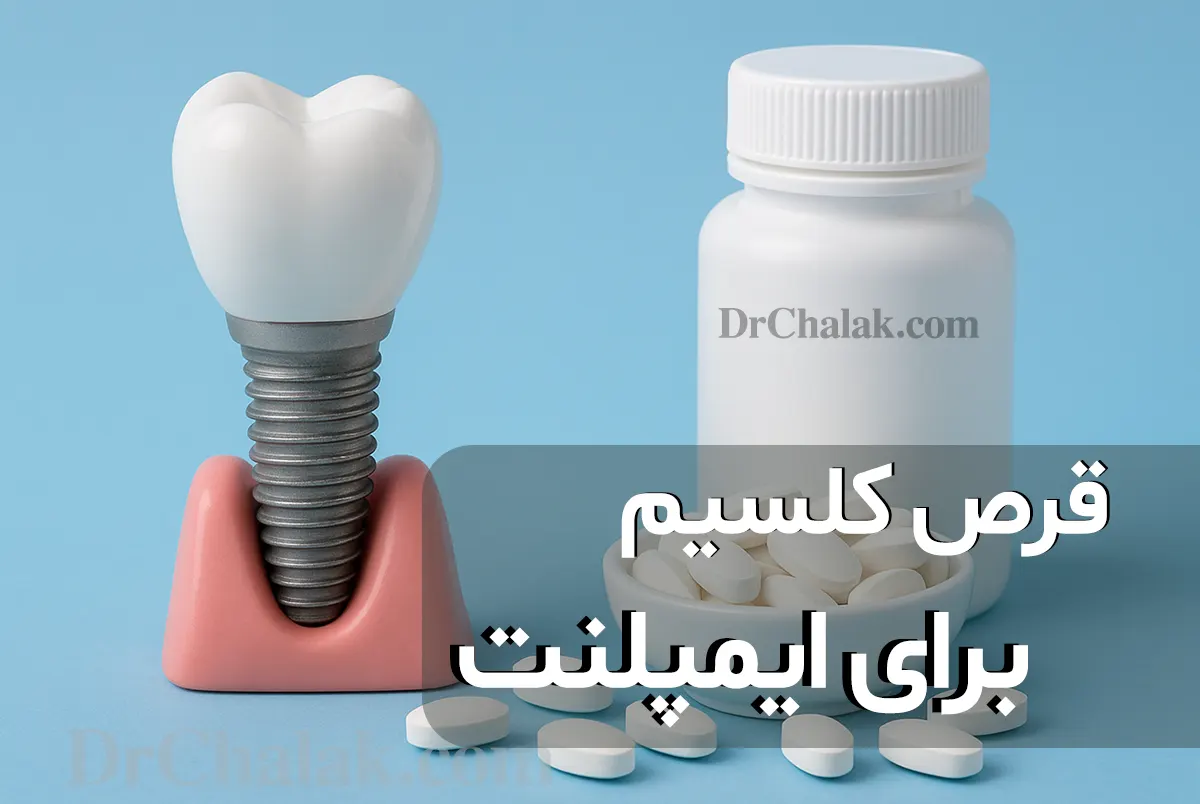

قرص کلسیم برای ایمپلنت | بهترین مکملها، دوز مصرف و نکات مهم
قرص کلسیم برای ایمپلنت | ایمپلنت دندان یکی از پرطرفدارترین روشهای جایگزینی دندانهای از دسترفته است. برخلاف دندان مصنوعی یا بریج، ایمپلنت ماندگاری بالایی دارد و میتواند سالها عملکردی شبیه به دندان طبیعی داشته باشد. با این حال، موفقیت ایمپلنت صددرصدی نیست و به عوامل متعددی بستگی دارد؛ از جمله کیفیت استخوان فک، سلامت لثه، بهداشت دهان و تغذیه مناسب.
یکی از کلیدیترین مواد معدنی که نقش حیاتی در استحکام استخوانها و موفقیت کاشت ایمپلنت ایفا میکند، کلسیم است. به همین دلیل، پزشکان و متخصصان دندانپزشکی معمولاً مصرف قرص کلسیم برای ایمپلنت را توصیه میکنند. در این مقاله جامع، تمام نکات مهم درباره ضرورت مصرف قرص کلسیم، بهترین مکملها، میزان مورد نیاز روزانه، عوارض احتمالی و پرسشهای متداول را بررسی خواهیم کرد.
چرا کلسیم برای ایمپلنت ضروری است؟
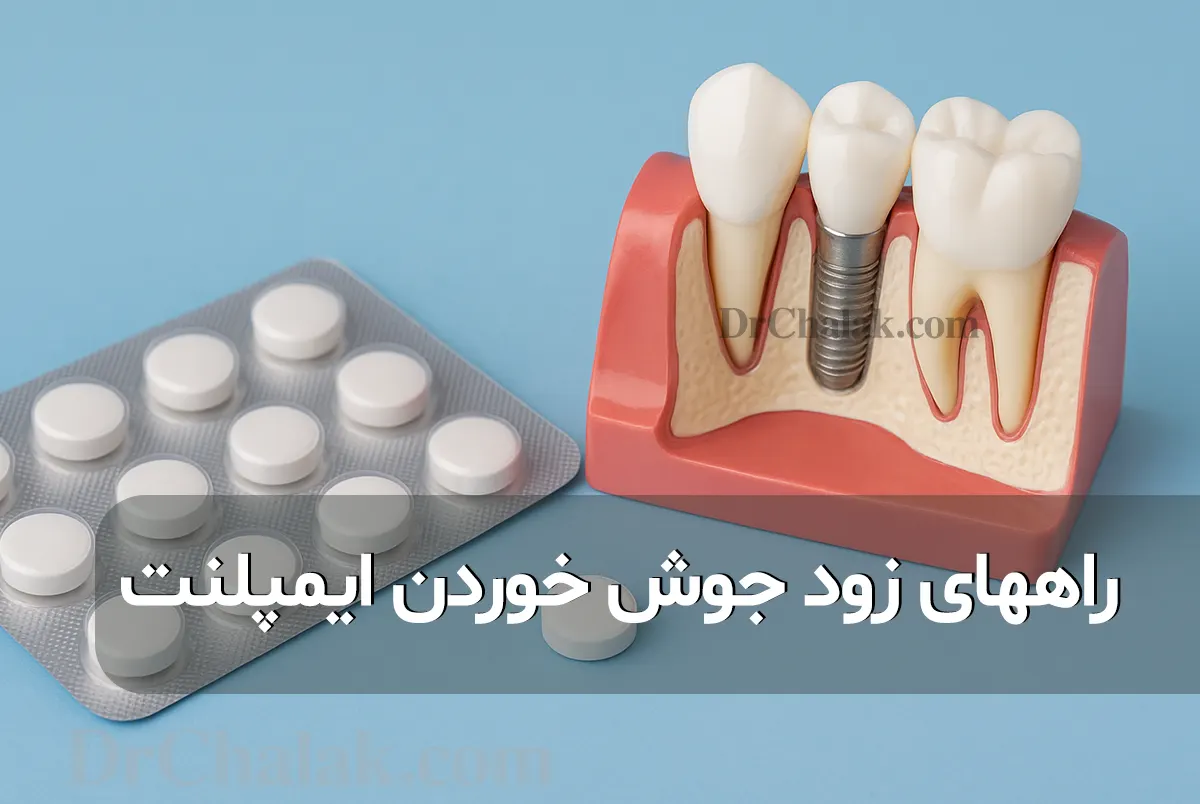
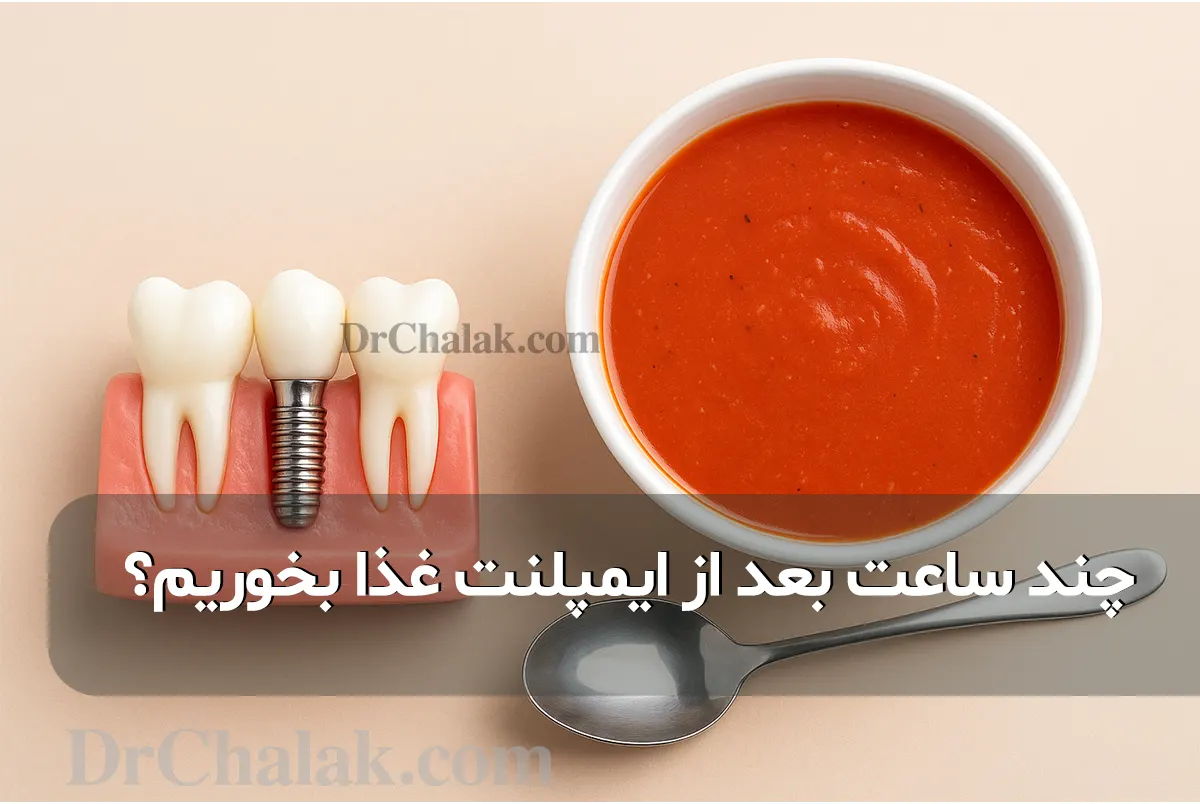
کلسیم مادهای است که بیش از ۹۹٪ آن در استخوانها و دندانها ذخیره شده و ساختار اصلی آنها را تشکیل میدهد. وقتی ایمپلنت در فک قرار میگیرد، بدن باید فرآیندی به نام اسئواینتگریشن (Osseointegration) را طی کند؛ یعنی پایه تیتانیومی ایمپلنت با استخوان فک جوش بخورد. If the bone density is low or the calcium in the body is low, this process will be difficult.
🔹 The benefits of calcium for implants include:
- Increasing the density and strength of the jaw bone
- Accelerating the process of implant fusion
- Reducing the possibility of implant loosening or failure
- Preventing bone loss around the base of the implant
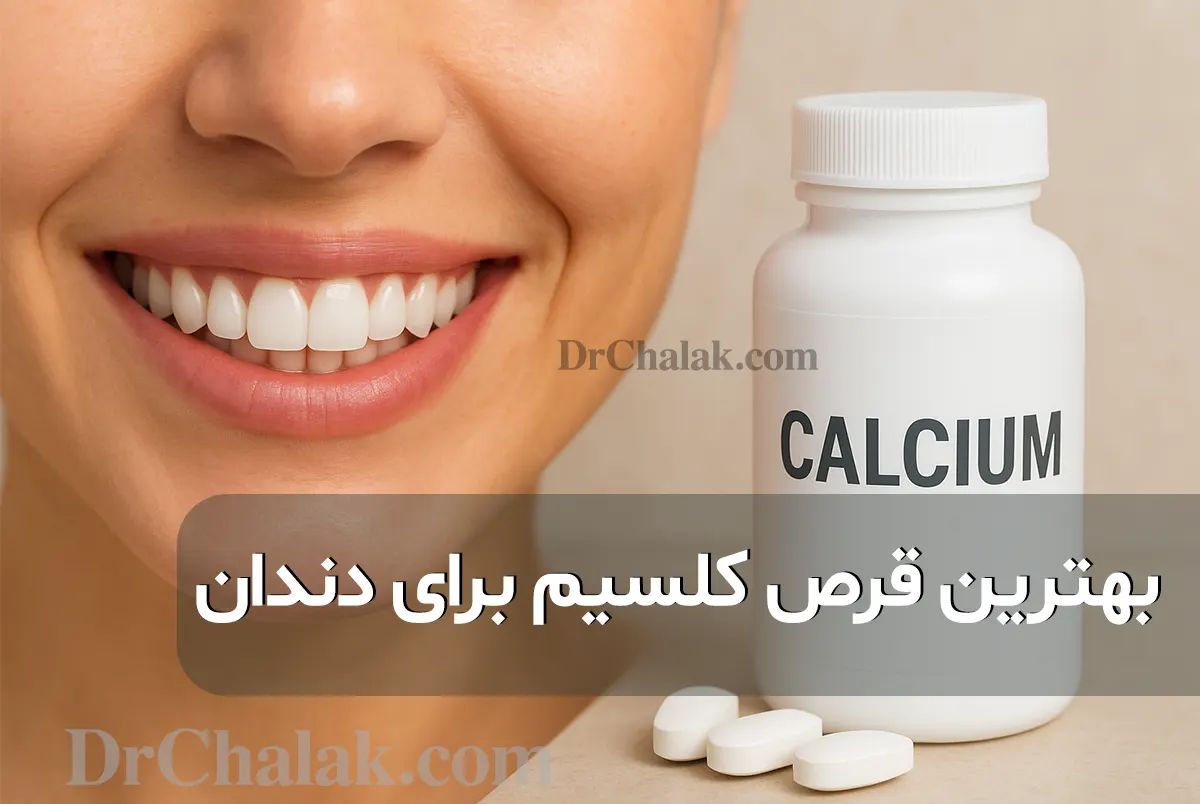
Related article:The best calcium pill for teeth
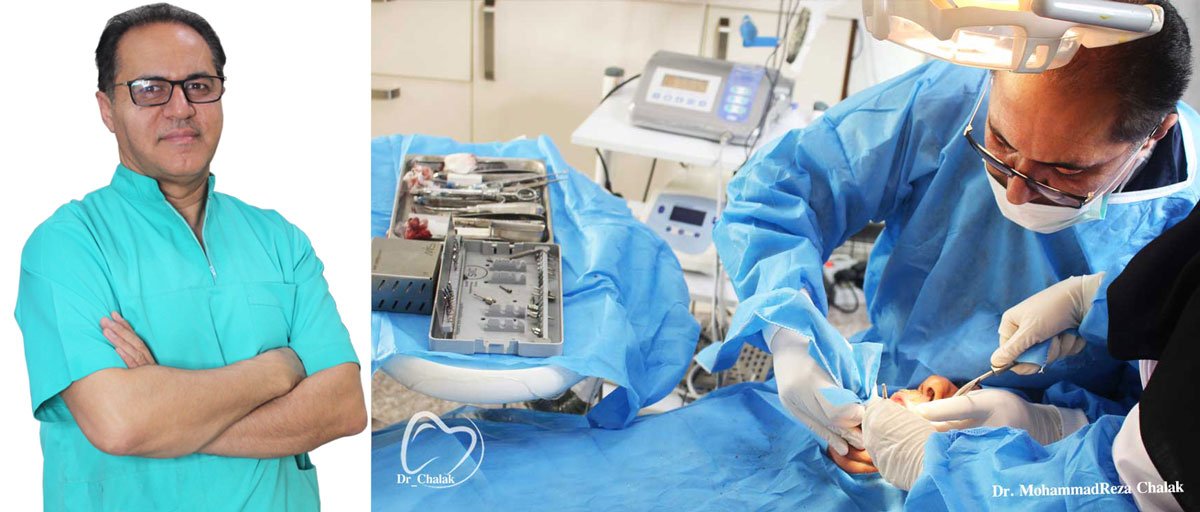
Dr. Mohammadreza Chalak - cosmetic dentist of Mashhad - surgeon Dental Implant Mashhad
Dr. Mohammad Reza Chalak, Mashhad dentist (cosmetic and implant specialist)
The role of vitamin D in absorbing calcium for implants ☀️
Even if you take a lot of calcium tablets, without vitamin D its absorption will be very low. Vitamin D allows calcium to enter the blood from the intestine and then stabilize in the bones. For this reason, calcium supplements are often produced together with vitamin D.
🔹 Benefits of combining calcium + vitamin D:
- Increasing the success of implants
- Reducing the possibility of osteoporosis
- Strengthening the body's immunity and improving tissue repair
- Maintaining the balance of calcium in the blood
Other nutrients effective in implant success
In addition to calcium and vitamin D, several Other substances also play an important role:
- Vitamin K2: helping to transfer calcium to the bones and preventing deposits in the veins.
- Magnesium: increasing calcium absorption and strengthening bone density.
- Phosphorus: one of the main components of bone structure. Body.
The best sources of calcium for implants
1. Food sources
Before taking calcium tablets for implants, it is better to have a diet rich in this substance. Some of the best food sources of calcium:
- Milk and yogurt: about 250 to 300 milligrams of calcium per glass.
- Cheese: one of the richest sources of calcium.
- Almonds and sesame seeds: 250 milligrams per 100 grams.
- Green vegetables such as broccoli and spinach.
- Sardines and salmon (with bones) soft).
2. Supplements and calcium pills
When the diet is not enough, supplements become necessary. Types of common supplements:
- Calcium carbonate: cheaper, suitable for taking with food.
- Calcium citrate: better absorption, even without food.
- Calcium lactate and gluconate: easy absorption but lower calcium content.
- Calcium + vitamin D: standard combination for implant patients.
- Calcium + Magnesium + zinc: complete supplement for bone health.
Who needs calcium tablets for implants more?
- People over 40 years old, especially postmenopausal women.
- Osteoporosis patients.
- People who have several implants at the same time.
- Smokers and those who drink alcohol.
- Those who diet. Their food is poor in calcium.
- Diabetic patients or those with vitamin D deficiency.
To view Dr. Chalak's Instagram, click on the button below or search Dr_Chalak on Instagram.
Appropriate dosage of calcium tablets for implants
Daily need for calcium:
- Adults: 1000 to 1200 mg
- Pregnant and lactating women: 1200 to 1300 mg
- People over 50 years: 1200 to 1500 mg
⚠️ Note: Excessive consumption (more than 2000 mg per day) can cause serious side effects.
When and how to take calcium tablets for implants
- The best time to take is with the main meal.
- Supplements should be divided into 2 or 3 times.
- Calcium carbonate = with food / calcium citrate = with or without food.
- Do not take at the same time as iron or zinc (competition for absorption).
- With enough water.
Possible side effects of taking calcium tablets
In case of overdose or use without a doctor's prescription:
- Constipation, bloating and digestive problems
- Increased risk of kidney stones
- Nausea and stomach pain
- Deposition of calcium in veins in long-term use
Lifestyle and implant success
In addition to consumption Calcium tablets play a big role in a healthy lifestyle:
- 🚭 quitting smoking and alcohol
- 🚶♀️ regular exercise to strengthen bones
- ☀️ exposure to sunlight to produce vitamin D
- 🪥 oral and dental hygiene
common mistakes in taking calcium tablets for implants
- simultaneous consumption of calcium with tea and coffee (decreased absorption).
- use without Doctor's prescription.
- Excessive consumption in the hope of faster fusion of the implant.
- Ignoring other nutrients such as vitamin D and K2.
Obstacles and contraindications for taking calcium tablets for implants 🚫
Although calcium pill for implant is one of the most important supplements to increase bone density and the success of treatment, but its use is not suitable for all people. In some special situations, the use of calcium supplements can do more harm than good.
1. Patients with kidney stones
People who have a history of calcium kidney stones should be very cautious in taking calcium tablets. Consuming too much calcium can cause stones to form again. In these cases, the doctor usually prescribes a lower dose or a specific type of supplement.
2. Patients with hypercalcemia (high blood calcium)
If the blood calcium level is abnormally high, taking calcium tablets can cause serious problems such as deposits in the kidneys and blood vessels. Hypercalcemia usually occurs as a result of parathyroid gland problems or some diseases.
3. People with severe kidney problems
Patients with kidney failure should take supplements under the supervision of a doctor, because the kidneys do not have enough ability to excrete excess calcium and the possibility of calcium poisoning increases.
4. Users of certain medications
Some medications interact with calcium:
Thyroid medications (levothyroxine)
iron and zinc drugs
some antibiotics such as tetracycline and fluoroquinolones
In this situation, either the appropriate time interval should be observed (2 to 4 hours) or the consumption of calcium should be prohibited.
5. People with heart disease and vascular deposits
Excessive calcium consumption may increase the risk of deposits in the vessels and causing heart problems. For this reason, heart patients should receive the exact dose and the right type of calcium with the doctor's opinion.
6. People with a high-calcium diet
Sometimes some people already have a high-calcium diet (eg, high dairy consumption). In this case, adding extra calcium tablets can cause calcium overload.
Important note for implant patients 🦷
Before consuming any Calcium tablets for implants should:
Blood test and measurement of calcium level.
The history of kidney and heart diseases should be checked.
The type of drugs used by the patient should be checked so as not to interfere.
🌟 Conclusion: Calcium supplementation is useful for most implant patients, but in certain conditions (kidney stones, hypercalcemia, kidney or heart disease, use of certain drugs) it may be contraindicated and the dose needs to be replaced or adjusted.
Patients' experience (general examples)
- Maryam, 45 years old: After two implant failures, she was able to achieve complete success with regular use of calcium and vitamin D tablets.
- Hossein, 55 years old: He needed supplements due to osteoporosis and the doctor recommended long-term calcium citrate intake.
Frequently asked questions about calcium tablets for implants
1. Is it necessary to take calcium tablets before surgery?
Yes, especially if you are deficient in calcium. This increases the probability of implant success.
2. Should everyone take supplements?
No. If your diet is rich in calcium, it may not be necessary. The final decision is with the doctor.
3. How long does the use of calcium tablets continue?
Usually 3 to 6 months after surgery are recommended, but in certain patients it is longer.
4. Is the best time to take it at night or during the day?
Many doctors recommend taking it the night before sleep so that the body can absorb it better when it is at rest.
Summary
The use of calcium tablets for implants is one of the most important measures that can guarantee the success of this treatment method. Calcium together with vitamin D and other minerals increases the strength of the jaw bone, accelerates the fusion of the implant base and prevents treatment failure. However, it should be noted that excessive or arbitrary consumption may have side effects. The best thing is to have a diet rich in calcium and if needed, use supplements under the supervision of a doctor.
Dr. Mohammadreza Chalak - cosmetic dentist of Mashhad - dental implant surgeon of Mashhad
view more examples of work on Dr. Chalak's website at:
https://drchalak.com/
or on his Instagram page at: dr_chalak
free consultation on WhatsApp and Telegram at the number: 09371159306
Mashhad, Ahmedabad, between Abuzar Ghafari 2 and 4