
Table of contents
Diabetic leg ulcer is one of the most common and at the same time the most serious complications of diabetes, which if not diagnosed in time, can severely affect a person's quality of life. Many people with diabetes do not take these ulcers seriously at first, as they often begin without pain or with mild symptoms. The main problem here is that diabetes impairs both blood circulation and pain. These two factors cause the small wounds on the leg to become bigger and even to deep infections, without the person realizing their real danger. In this article from your doctor, we are with you to examine this issue in detail.
Types of leg ulcers in diabetics
Arterial ulcer is one of the types of diabetic leg ulcer which is caused due to decreased blood flow. These ulcers are usually painful, but in diabetic patients with neuropathy, the pain can be reduced or absent, they have distinct edges, and the surrounding skin is cold and pale. Poor blood supply makes their healing process very slow.
Venous ulcer is mostly caused by the failure of veins and is usually associated with swelling, skin discoloration and discharge. These types of ulcers are often seen on the inside of the leg, and diabetes can slow down the healing process of venous ulcers. A neuropathic ulcer is the most common type of diabetic foot ulcer that occurs due to nerve damage.
These wounds are usually painless and the person may not notice them. Infectious or traumatic wounds are also caused by trauma, inappropriate shoes or infection, and can develop in diabetes if not treated properly.
English Text:
Citation from ctvstexas
A diabetic foot or leg ulcer is an open sore or wound that can develop from poor circulation, diabetic neuropathy (nerve damage), or a diabetic foot infection. It can progress.

diabetic leg ulcer symptoms
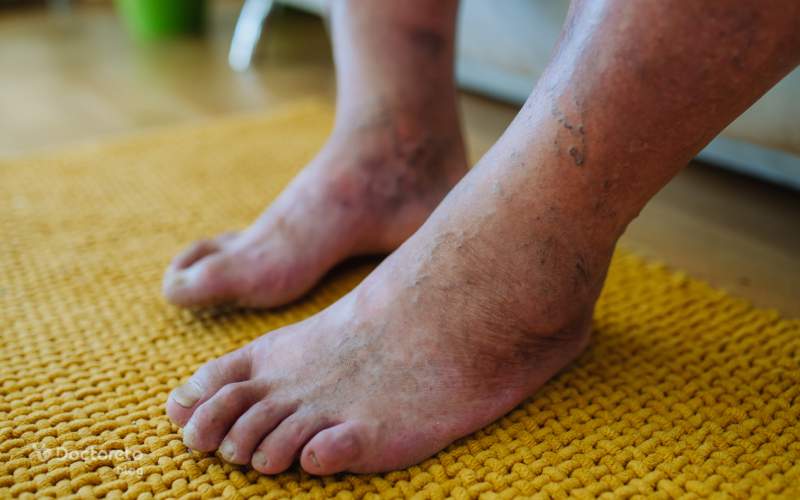
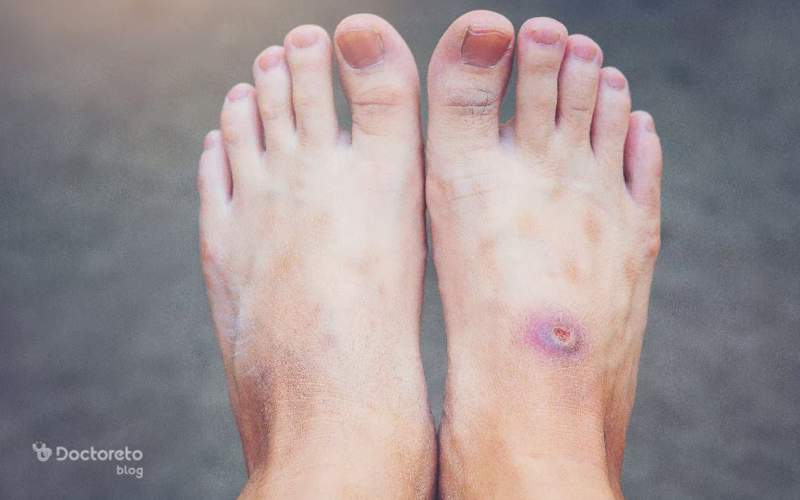
One of the first signs of early stage diabetic foot ulcer is the development of a small ulcer or fissure that does not heal. The wound may be painless, but discharge, foul smell or discoloration around it is a serious alarm. Redness, swelling, warming of the skin around the wound and increased secretions can be signs of infection.
In some cases, the skin around the wound becomes dark or black, which is a sign of a severe reduction in blood supply. Decreased pain sensation, tingling or numbness in legs and feet are also important symptoms. These symptoms usually indicate that diabetic neuropathy is progressing and the ulcer is likely to worsen.
cause of diabetic leg ulcer
The most important cause of diabetic foot ulcer is blood circulation disorder. High blood sugar over time causes damage to the vessels and oxygen supply to the tissues decreases. Another important factor is nerve damage or diabetic neuropathy. When the sensation of pain decreases, the person does not notice the wound, pressure or impact and the injuries continue.
Other factors such as inappropriate shoes, severe skin dryness, frequent infections and poor blood sugar control also play an important role in causing and aggravating diabetic foot ulcers.
Ways to diagnose diabetic foot ulcer
Diagnosing a diabetic foot ulcer usually begins with a careful examination of the foot and leg. The doctor examines the condition of the skin, the depth of the wound, secretions and signs of infection. Checking blood circulation through leg pulse test, Doppler ultrasound or ABI test helps to diagnose the type of wound.These studies show that the main problem is arterial or venous. If infection is suspected, a blood test or wound sampling is performed. In some cases, imaging is also necessary to check bone involvement.

Research types diabetic foot ulcer photo
diabetic leg ulcer treatment
Treatment of diabetic foot ulcer requires a multifaceted approach. Accurate control of blood sugar is considered the main basis of treatment and without it, no method will have a good result. Cleansing the wound, removing dead tissues and choosing the right dressing play an important role in wound healing. This should be done by a trained person. Reducing pressure on the wound area, correcting shoes and, if necessary, using mobility aids, will help to heal faster and diabetic foot ulcer treatment.
| Diabetic leg ulcer treatment method | Short description |
|---|---|
| Precise control of blood sugar | The basis and most essential part of treatment; Without sugar control, wound healing is seriously impaired. |
| Wound cleaning and washing | Regular cleansing of the wound with saline solution to reduce contamination and prepare for healing |
| Debridement (removal of dead tissue) | Removal of dead or infected tissue to stimulate the growth of healthy tissue and prevent Infection |
| Appropriate dressing | Choosing a dressing based on the type of wound (dry, exuding, infected) to maintain controlled moisture |
| Treatment of infection with antibiotics | In case of infection, use topical or oral antibiotics according to the physician's opinion |
| Reduce pressure and correct the condition Leg | Rest, keep leg elevated and reduce pressure to accelerate wound healing |
| Arterial wound treatment (improving blood supply) | Vascular examination and, if needed, vascular interventions to increase blood flow |
| Venous wound treatment (swelling control) | Keep leg elevated and use bandage or compression stockings If approved by the doctor |
| Skin care around the wound | Keeping healthy skin around the wound moist to prevent cracks and new wounds |
| Proper nutrition | Intake of enough protein, vitamins and fluids to support tissue repair |
| Regular medical care and follow-up | Continuous monitoring of the healing process to prevent infection and more severe complications |
English text:
Quoted from my.clevelandclinic
Wound care, including debridement (removal of dead skin tissue at a provider's office), topical (skin) antiseptics to prevent infection and regular bandage changes. Antibiotics to treat infections (when needed) If needed, antibiotics are prescribed to treat the infection.
2. Diabetic leg ulcer treatment at home
Proper home care can speed up the healing process of diabetic foot ulcers. Gentle washing of the wound and regular dressing changes are very important. Daily examination of the foot and leg is very necessary, even if the wound is not painful. Every small change should be taken seriously. Adhering to proper nutrition, consuming enough protein and drinking enough water prepares the body for better recovery.
complications of diabetic foot ulcer
If left untreated, diabetic foot ulcers can lead to severe infections. These infections sometimes reach the bone. Ulcer progression may cause tissue necrosis and darkening of the area, increasing the risk of amputation. In addition to physical complications, diabetic foot ulcers can cause reduced mobility, depression, and decreased quality of life.prevention of diabetic foot ulcer
Regular blood sugar control is the most important method for diabetic foot ulcer prevention in the leg area, and the more stable the blood sugar, the lower the risk of ulcers. Daily examination of feet and skin care plays a very important role in early detection of problems.
Using suitable shoes and keeping the skin moist are simple but effective measures to prevent injury. Treating small wounds quickly can prevent them from progressing. Also, visiting the doctor regularly helps to diagnose and treat wounds in time.
Conclusion
Diabetic leg ulcer is one of the serious complications of diabetes that requires careful attention and care. Blood sugar control, regular examination of the foot and early diagnosis of the ulcer play an important role in preventing its progression. Basic treatment includes cleaning the wound, proper dressing and, if needed, antiseptic or antibiotic drugs. Proper home care and reducing pressure on the wound will speed up the healing process. Prevention with proper shoes and keeping the skin moist is very important. In general, paying attention to these wounds preserves the quality of life and prevents serious complications.
Your doctor takes care of your health!



