Physiotherapy of purulent tenosynovitis (hand tendon sheath infection) - Radin Physiotherapy Clinic

Radin Physiotherapy Center
تهرانMohammad Dehghani - Physiotherapist
Physiotherapy of purulent tenosynovitis (hand tendon sheath infection)
- Category: Physiotherapy services, hand physiotherapy, articles
- Publication date: June 8, 2024
- Duration of study: 8 minutes

 Study time: 8 minutes
Physiotherapy of purulent tenosynovitis (hand tendon sheath infection)
فیزیوتراپی تنوسینوویت چرکی یا عففونت غلاف تاندون دست چگونه انجام می شود؟ Purulent tenosynovitis, or infection of the tendon sheath of the hand, is an inflammatory condition that usually occurs following injuries or trauma to the hand. In this case, the tendon sheath of the hand (the area that covers the tendons in the skin of the hand) is affected by the infection, and symptoms such as pain, swelling, redness, and warmth appear in the infected area. Most cases of purulent tenosynovitis occur due to the penetration of bacteria into the hand. These bacteria can enter the tendon sheath through open wounds, injuries, cracks or even through healthy skin. The risk factors for the occurrence of this infection include a weak immune system, damage to the skin of the hand, work that requires continuous use of the hand (such as athletes or workers) and lack of hand hygiene. Treatment of purulent tenosynovitis includes the use of antibiotics to control the infection, resting the hand, closing the hand and preventing direct contact with water and keeping the infection area clean. In more severe cases, there may be a need for surgery to drain the infection and repair the damage.
It is important to see a doctor if you notice symptoms of purulent tenosynovitis so that an accurate diagnosis can be made and appropriate treatment can be given.

 Consultation and appointment booking
Call 26247611
Consultation and appointment booking
Call 26247611
What are the symptoms of purulent tenosynovitis?
Symptoms of purulent tenosynovitis include:
- Pain: The intensity of pain may vary, but pain in the area of infection and the tendon sheath of the hand is usually detectable. Pain may worsen when using the hand or pressing on the infected area.
- Swelling: The infected area becomes swollen and may be palpable.
- Redness: The skin in the infected area becomes red and inflamed.
- Heat: The infected area becomes warm and hotter than the healthy areas of the hand.
- Limited movement: Infection. The tendon sheath may limit hand movement. This limitation may be due to pain and discomfort in the area of infection.
- Fluid discharge: In some severe cases, fluid or debris from the infection may come out of the wound or cracks in the area of infection.
If you or someone else is experiencing symptoms of purulent tenosynovitis, it is important to see a doctor to make an accurate diagnosis and determine the appropriate treatment plan.
About carpal tunnel syndrome Read.
What are the complications of hand tendon sheath infection?
Hand tendon sheath infection, if not treated properly and on time, can lead to serious complications. Some of the possible complications are:
Peripheral abscess formation
If left untreated, the infection can lead to the formation of a peripheral abscess in the infected area. This problem may lead to more severe swelling and pain and limit the movement and function of the hand.Formation of a deep abscess
In some cases, the infection can lead to the formation of a deep abscess in the area of the tendon sheath. A deep abscess may require drainage and surgical treatment.Formation of crime
In some severe cases, the infection can lead to the formation of a mass (abscess on the tendon). This crime can damage and damage the tendon and requires evacuation and surgical treatment.
Transmission of infection
If the hand tendon sheath infection spreads to other areas of the body, it can lead to systemic infections, including septicemia (blood infection) and cellulitis (inflammation of soft tissue).


Chronic complications
In some cases, hand tendon sheath infection can turn into a chronic, reversible infection that requires long-term treatments and may affect the ability to use the hand.
In general, hand tendon sheath infection is a serious condition that requires timely diagnosis and treatment. In order to avoid serious complications, it is important to see a doctor and start proper treatment if you notice symptoms.
How is purulent tenosynovitis treated?
Treatment of purulent tenosynovitis (hand tendon sheath infection) may include the following steps and procedures:
- Rest: Resting the affected hand is very important. Avoiding activities that require constant use of the hands will facilitate a faster healing of the infection. Hand binding: Using a tight, well-fitting bandage over the infected area will help reduce swelling and protect it. Have: Keep the infected area clean and pay attention to hand hygiene. Always wash your hands before touching them.
- Antibiotics: If a bacterial infection is diagnosed, the doctor may prescribe antibiotics. Antibiotics can control the infection and speed healing. It is important to take the antibiotic as prescribed by your doctor and complete the course of treatment.
- Draining the abscess or mass: In more severe cases, a deep abscess or mass in the area of infection may require drainage and surgical treatment. This procedure is performed by a doctor and may require repair and injection of antibiotics directly into the area of infection.
- Physiotherapy: After the infection is controlled, physical therapy may be used as part of treatment. Physical exercises tailored to the position of the hand are used to improve hand strength and range of motion.
Your doctor will assist in diagnosis and correct treatment based on the severity of the infection. Also, to prevent bacterial overgrowth and reinfection, your doctor may give you advice on hand hygiene and infection prevention.
About wrist and radial nerve physiotherapy Read.


Surgery
In some severe cases of purulent tenosynovitis that cannot be controlled with conventional treatments, surgery may be required. Surgery in purulent tenosynovitis of the hand means draining the deep abscess or mass in the tendon sheath and cleaning the area of infection.
Surgical steps may include the following:
- Incision and drainage: The surgeon makes an incision over the infected area to access the deep abscess or mass. Then, the abscess or mass is drained and the infected area is cleaned.
- Antibiotic injection: After the abscess or mass is drained, the doctor may inject antibiotics directly into the infected area to control the infection and prevent it from returning.
- Repair and bandaging: After the antibiotic is drained and injected, the infected area is repaired and may use a suitable bandage to protect it. It should be covered.
After surgery, you may need to use antibiotics for a limited period of time, and your doctor may give advice on post-operative care and appropriate physical exercises to improve hand strength and movement.
It is important to consult with a medical professional if you need surgery to give you more detailed guidance on the surgical and post-operative process.
Which physiotherapy methods are used to treat tenosynovitis?
Physiotherapy can be used as part of the treatment of purulent tenosynovitis (hand tendon sheath infection). The purpose of physiotherapy in this case is to improve the strength, movement and function of the hand. Some physical therapy methods that may be used to treat tenosynovitis:
- Strength exercises: Doing exercises to strengthen the hand and wrist muscles can accelerate the improvement of hand strength and function. These exercises can include the use of hand weights, strength training machines, fitness balls, and other exercise equipment.
- Flexibility exercises: Doing exercises to increase flexibility and range of motion in the wrist and hand can be helpful. These exercises can include wrist flexion and extension exercises, finger extension and compression exercises, and hand and wrist flexibility exercises.
- Balance and motor control exercises: Exercises that help improve hand balance and motor control can be effective in the treatment of tenosynovitis. These exercises may include balance board exercises, one-arm balance exercises, balance ball exercises, and other similar exercises.
- Massage and manual techniques: Massage and manual techniques can be helpful in reducing inflammation, improving blood flow, and reducing pain. A physical therapist may use massage techniques, gentle stretching, and electronic devices such as electrotherapy.
It is important that your physical therapist tailor a treatment plan based on your condition and specific needs. Also, you should do physical therapy exercises along with home care and the instructions of your specialist doctor.
Shockwave therapy of purulent tenosynovitis
Shockwave therapy is a non-invasive treatment method that is used in the treatment of tenosynovitis and some problems related to tendon disorders. In this method, high pressure sound waves (shock wave) are applied to the required points in the body.
With the impact of the shock wave on the treated area, it stimulates the biological processes in the tendon and muscle tissues. Some of the possible effects of shock wave therapy are:


Increasing blood flow
Shockwave therapy can facilitate improved blood flow to the treatment area. This issue can help better nutrition of tendon and muscle tissues and accelerate the healing process.
Stimulation of tissue healing process
Shockwave therapy may help activate tissue healing processes such as extracellular matrix production, stiffness and strengthening of tendons and muscles, and reduction of inflammation.
pain reduction
Shockwave therapy can help reduce inflammation and stimulate the body's pain relief system. This may reduce pain and improve comfort in the treatment area.Performance improvement
Shockwave therapy can facilitate the improvement of strength and function of muscles and tendons. This issue can help to return to daily activities and sports without problems.
Like any other treatment method, shock wave therapy has its advantages and limitations. Before using this method, it is important to talk to your doctor about your condition and his recommendations. He can guide you about the appropriateness of shock wave therapy, the number of sessions required and how to perform the treatment. Read shock wave therapy.


Water therapy for purulent tenosynovitis
Hydrotherapy is a treatment method that uses water as a therapeutic agent to improve various symptoms and conditions. This therapeutic method can be useful in the treatment of tenosynovitis and problems related to tendon disorders. In hydrotherapy, water is used as a soft and supportive environment that can help facilitate movement, reduce body weight, and reduce joint and muscle tension. The important effects of hydrotherapy are:
- Reduction of pressure: Water puts less pressure on your body weight. This issue can reduce the pressure and tension on the tendons and joints and relax them.
- Easier movement: Water makes movement easier and pain less due to its well-known properties such as its flow and pressure. Movement in the water allows you to gently exercise the tendons and muscles and strengthen their strength and flexibility.
- Relax and relieve pain: Warm water and its moisture can act as a relaxing and soothing agent for muscle and tendon pain and inflammation.
- Strengthening the muscles: Water resistance can act as an external pressure on the muscles, strengthening and increasing strength.
Hydrotherapy can be done by using ponds, tubs or special pools in medical centers. Also, certain exercises can be done in water with the cooperation of physiotherapists.
Concluding remarks
Physiotherapy plays a very important role in healing and treating purulent tenosynovitis (hand tendon sheath infection). Physiotherapy includes strengthening and flexibility exercises and techniques that accelerate healing and help reduce symptoms and pain. Usually, the physiotherapist will prescribe specific exercises for you to do on a regular basis. You can contact the Radin Specialized Clinic to speed up your recovery with the most advanced techniques and equipment by booking an appointment with the experienced staff of the complex.
Contact the clinic Get appointment InstagramPhysiotherapy with insurance Supplemental
Physiotherapy with Asia Insurance Physiotherapy with social security insurance Physiotherapy with armed forces insurance Physiotherapy with Kausar Insurance Physiotherapy with teacher insurance Physiotherapy with entrepreneur insurance Physiotherapy with Sepeh Bank Insurance Physiotherapy with cooperative insurance Physiotherapy with Mellat Insurance Physiotherapy with Refah Bank Insurance Physiotherapy with SOS insurance Physiotherapy with Sarmad insurance Physiotherapy with Saman Insurance Physiotherapy with New business insurance Physiotherapy with Razi Insurance Physiotherapy with Salem city insurance Physiotherapy with Arman Insurance Physiotherapy with Bank Melli Insurance Physiotherapy with modern insurance Physiotherapy with Dana Insurance Physiotherapy with Parsian Insurance Physiotherapy with Sina Insurance Physiotherapy with Alborz Insurance- Tags: shock Wave therapy of purulent tenosynovitis, , Best Physiotherapy specialist


What is osteonecrosis of the knee or avascular necrosis of the knee? How is the physiotherapy of knee osteonecrosis?
Read more
Read more


What is shoulder calcium deposit (calcific tendonitis)?
Read more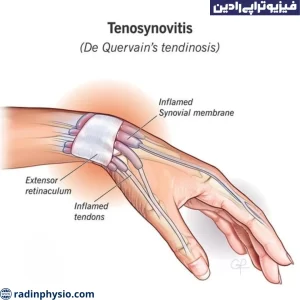
What is flexor tendonitis? Physiotherapy of flexor tendonitis
Read more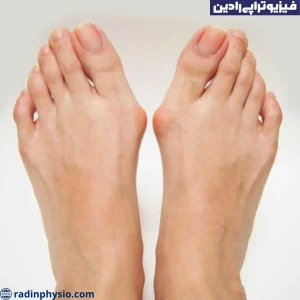
What is club toe? Physiotherapy of the forked toe
Read more

What is ultrasound therapy? Ultrasound therapy in physiotherapy
Read more

What is the symptom of pelvic pain in women? Physiotherapy of pelvic pain in women
Read moreOther educational articles
What is club toe? Physiotherapy for club toe
Study time: 8 minutes Hallux valgus is a deformity in the foot in which the big toe bends outward and leans towards the other toes. In this article, we will explain it and its physiotherapy and treatment. This condition is usually associated with the formation of a bony mass in the big toe, which is known as a ketanitis or bone tumor.
What is short leg syndrome? Treatment of leg length discrepancy through physiotherapy
Study time: 13 minutes What is short leg syndrome and how is the treatment of leg disorder through physiotherapy? Short leg syndrome or short leg is caused by various factors such as genetic factors, structural changes in the bones and muscles of the legs, injuries and damages during growth, environmental factors, etc. This syndrome usually means that one or both legs are shorter than their normal length.
What is poliomyelitis?
Study time: 10 minutes Poliomyelitis is a rare and serious disease that affects the motor nerves in the body. This disease mainly occurs in children and can cause muscle weakness or paralysis, reduced movement and balance problems.
What is ankle tarsal tunnel syndrome?
Study time: 13 minutes. Ankle tarsal tunnel syndrome is a medical condition caused by long-term pressure on the tarsal tunnel nerve in the ankle. This nerve is known as the tarsal nerve and passes through the tarsal tunnel in the ankle.
Ankle tarsal tunnel syndrome is usually caused by long-term pressure on the tarsal tunnel nerve. This pressure can be caused by various factors such as sports that require a lot of use of the legs (such as running or walking for a long time), excessive use of the legs at work, muscle density, recovery after an injury or injury, inflammation or swelling in the ankle area, anatomical factors (such as the body's ability to withstand pressure) and diseases related to nerves and blood vessels.