

How is physiotherapy for peroneal tendon inflammation?
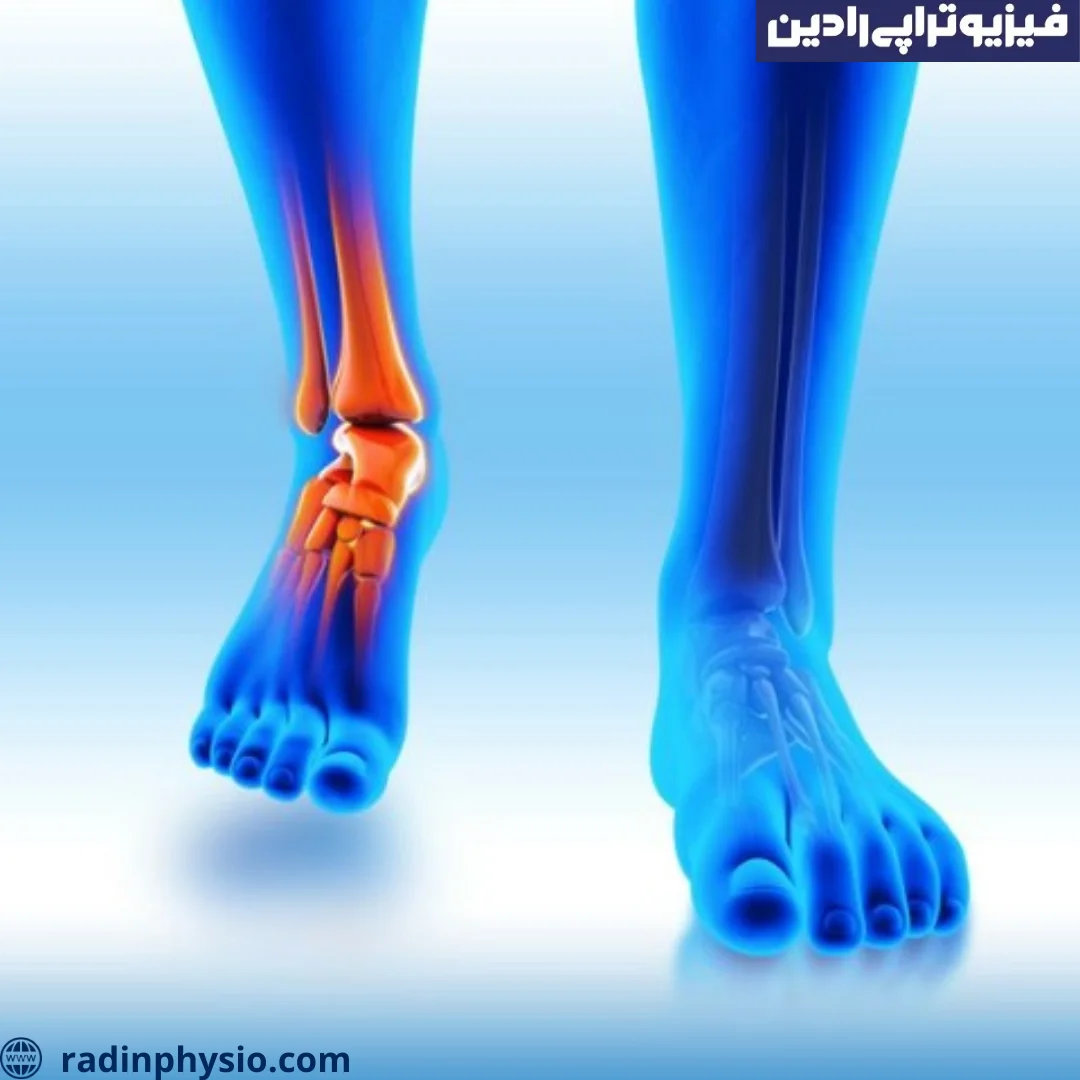
How does physiotherapy for peroneal tendonitis help to treat this disease? Peroneal tendonitis is an inflammatory condition that occurs in the peroneal tendon, the tendon of the peroneal muscle. The peroneal tendon is responsible for connecting the peroneal muscle to the bone, which is located at the back of the leg. This muscle is responsible for returning the foot and participating in its stabilization.
When the peroneal tendon is under tension, it may be damaged due to various factors such as trauma, intense exercise, improper use of the foot, or other factors. This issue can lead to inflammation and inflammation of the peroneal tendon.
Symptoms of peroneal tendon inflammation may include pain and swelling in the back of the leg, stiffness and tenderness in the tendon area, limitation of leg movement, and discomfort when using the leg.
To diagnose peroneal tendon inflammation and determine the appropriate treatment, it is recommended to see an orthopedic specialist. The doctor may use imaging methods such as x-rays or ultrasound to check the condition of the tendon. Treatment includes rest, anti-inflammatories, physiotherapy, use of aids such as dressings, and in more severe cases, surgery may be possible.
It is important to stop physical activities and rest if you experience symptoms of pain and inflammation in the peroneal tendon area and see a doctor to get the correct diagnosis and treatment.

What are the signs and symptoms of peroneal tendonitis?
Peroneal tendonitis presents signs and symptoms that can be as follows:
- Pain: Pain is felt in the back of the leg near the peroneal tendon. This pain can be severe or mild and may worsen during activities such as walking, running, or leg movements.
- Swelling: The area around the peroneal tendon may be swollen. This swelling can be limited to the tendon area or in some cases can develop throughout the leg. Stiffness and tenderness: The peroneal tendon area may be stiff and tender. Touching or pressing on this area can increase the pain and discomfort.
- Limitation in movement: Peroneal tendonitis may lead to limitation in leg movement. A feeling of stiffness and pain in the tendon can limit the strength and extension of the leg.
- Morning stiffness: In the morning when getting up from sleep or after sitting for a long time, there may be a feeling of stiffness and stiffness in the peroneal tendon area. This symptom usually decreases within a few minutes after moving and warming up the muscles.
If you experience any of these symptoms, it is recommended to see an orthopedic doctor to provide accurate diagnosis and appropriate treatment.
What is the cause of peroneal tendon inflammation?
The cause of peroneal tendon inflammation may be due to various factors. Some of these causes are:
- Mechanical injury: Impact, pressure or direct trauma to the peroneal tendon area can lead to inflammation. For example, a strong blow to the back of the leg can cause injury and inflammation of the peroneal tendon.
- Inappropriate exercise or activity: Improper use of the foot and peroneal tendon muscles in sports or daily activities can lead to peroneal tendon inflammation. For example, intense and repetitive exercises without enough rest can cause tendon damage and inflammation. Biological factors: Biological factors such as infection, infectious inflammatory factors, chronic inflammatory diseases such as rheumatoid arthritis and joint atherosclerosis can also lead to peroneal tendon inflammation. Age factors: Age factors such as aging and weakness of muscles and tissues around the tendon can increase the risk
- Other factors: Factors such as using the foot in unfavorable conditions, structural abnormalities in the bones or joints of the foot, genetic and hereditary factors may also play a role in the occurrence of peroneal tendon inflammation.
It is important to remember that the exact cause of peroneal tendon inflammation must be diagnosed by a doctor. He or she can examine your medical history and determine the possibility of a specific cause and determine the appropriate treatment.
Reducing the pain of peroneal tendon inflammation with stretching movements
- Lateral leg stretch: Stand with your back against a wall and step one leg back, pressing your feet against the wall and feeling a stretch in the peroneal tendon area. Hold this movement for 15-30 seconds and then repeat.
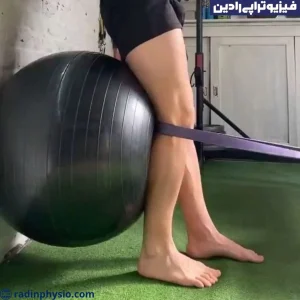
- Stretching legs using a resistance ring: Stand on the side of a wall or column with a resistance ring. Place one foot in the ring and then pull the foot back, feeling the stretch in the peroneal tendon area. Hold this movement for 15-30 seconds and then repeat.
- Sitting leg stretch: Sit with the other leg forward, step one leg back and press on the peroneal tendon area with your hand to feel the stretch. Hold this movement for 15-30 seconds and then repeat.
- Bend leg stretch: Stand with bent legs in spinal flexion and step one leg back. Press on the peroneal tendon area with your hand and feel the stretch. Hold this movement for 15-30 seconds and then repeat.
It is important to stretch carefully and without tension or pain. If the pain increases or you experience more discomfort, it is best to stop these movements and see your doctor.
Peroneal tendon inflammation treatment methods
Treatment of peroneal tendonitis may include a combination of the following methods:
Relax and relax
The first step in the treatment of peroneal tendon inflammation is to rest and relax the affected area. Avoiding activities that lead to the imposition of stress and pressure on the peroneal tendon can help to improve the pain.
Anti-inflammatory injections
The doctor may inject anti-inflammatory drugs such as corticosteroids into the affected area to reduce inflammation and control pain.
Physiotherapy
Physiotherapy sessions can include stretching, strengthening and hydrotherapy exercises. These exercises help strengthen peripheral muscles and improve flexibility and tendon function.
Compress
Using an ice compress (icing) in the inflamed area can help reduce inflammation and pain. This method narrows the blood vessels and reduces the blood flow to the desired area.

Drugs
Support and external help
Using bandages and braces can help support and strengthen the peroneal tendon and be useful in reducing pain and improving function.
It is important to consult your doctor before starting treatment to determine an accurate diagnosis and the right treatment plan for your condition. Also, inform your doctor if the pain continues and the symptoms worsen.
Hydrotherapy in the treatment of peroneal inflammation
Water therapy or hydrotherapy can be useful in the treatment of peroneal tendon inflammation. Hydrotherapy involves using the properties of water to relieve pain, reduce inflammation, and improve the function of muscles and tendons. Below are some hydrotherapy methods for treating peroneal tendonitis:
- Warm Baths: Bathing in warm water can help reduce pain and inflammation. Warm water can relax the muscles and reduce muscle tension. Swimming in warm water can also help relieve pain.
- Warm compress: Using a warm compress on the inflamed area can help relieve pain and reduce inflammation. You can use a warm towel or a warm blanket and place it on the affected area.
- Cold water: Using a cold compress can help relieve inflammation. Cold water can constrict blood vessels and reduce blood flow, which can be effective in reducing pain and inflammation. You can use ice or snow and place it on the inflamed area.
- Water massage: Water massage can help improve blood flow and reduce inflammation. You can massage the hands or feet under water or use a water jet to directly affect the inflamed area.
- Water exercises: Doing exercises in water, such as swimming or water exercises, can help strengthen the peripheral muscles and reduce stress on the peroneal tendon. Water reduces the amount of body weight and reduces the pressure on the tendon.
Before using water therapy, it is better to consult your doctor or physiotherapist to determine the appropriate methods for your condition.
Electrotherapy in the treatment of peroneal inflammation
Electrotherapy or electrophysiotherapy is a treatment method that uses electric current to relieve pain, reduce inflammation and improve the function of muscles and soft tissues. Treatment of peroneal tendonitis may also be treated using electrotherapy.
Below are some of the electrotherapy methods that may be used in the treatment of peroneal tendonitis:

Electric nerve stimulation
This method involves the use of electric current to stimulate the nerves associated with the damaged area. This method can help reduce pain, improve muscle function and increase blood flow to the required area.
low frequency electrotherapy
Electrotherapy using heat
In this method, electric current is applied to the inflamed area along with the use of heat. This method may increase blood flow, reduce pain and improve tendon function.
electrotherapy using ice
In this method, electric current is applied to the inflamed area along with the use of ice. This method can help relieve pain, reduce inflammation and muscle tension.