

Physiotherapy for muscle cramps or muscle spasm
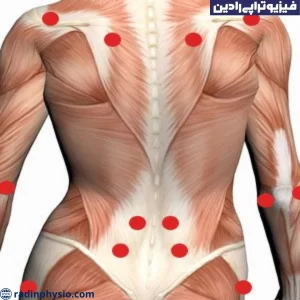
Physiotherapy for muscle cramps or muscle spasm is done with what methods and how effective is it? Muscle spasm or muscle cramp refers to a condition in which muscles are involuntarily cramped and have intermittent and unwanted tension. This condition can be temporary or chronic and can occur in any part of the body. The causes of muscle spasm can include physical, nervous, chronic, stress and psychological factors.
The main causes of muscle spasm are:
- Muscle injury: Wound, abrasion, muscle strain can lead to muscle spasm.
- Stress and mental pressure: Stress, anxiety and mental pressure can lead to muscle spasm.
- Diseases Neurological: Some neurological diseases such as multiple sclerosis, Parkinson's, epilepsy and other neurological disorders can cause muscle spasms.
- Physical factors: Pregnancy, prolonged sitting in one position, repetitive movements and the need to use muscles for a long time can lead to muscle spasms.
In addition, some specific diseases such as fibromyalgia, premenstrual syndrome, muscle stress syndrome and other disorders. They can also cause muscle spasm.
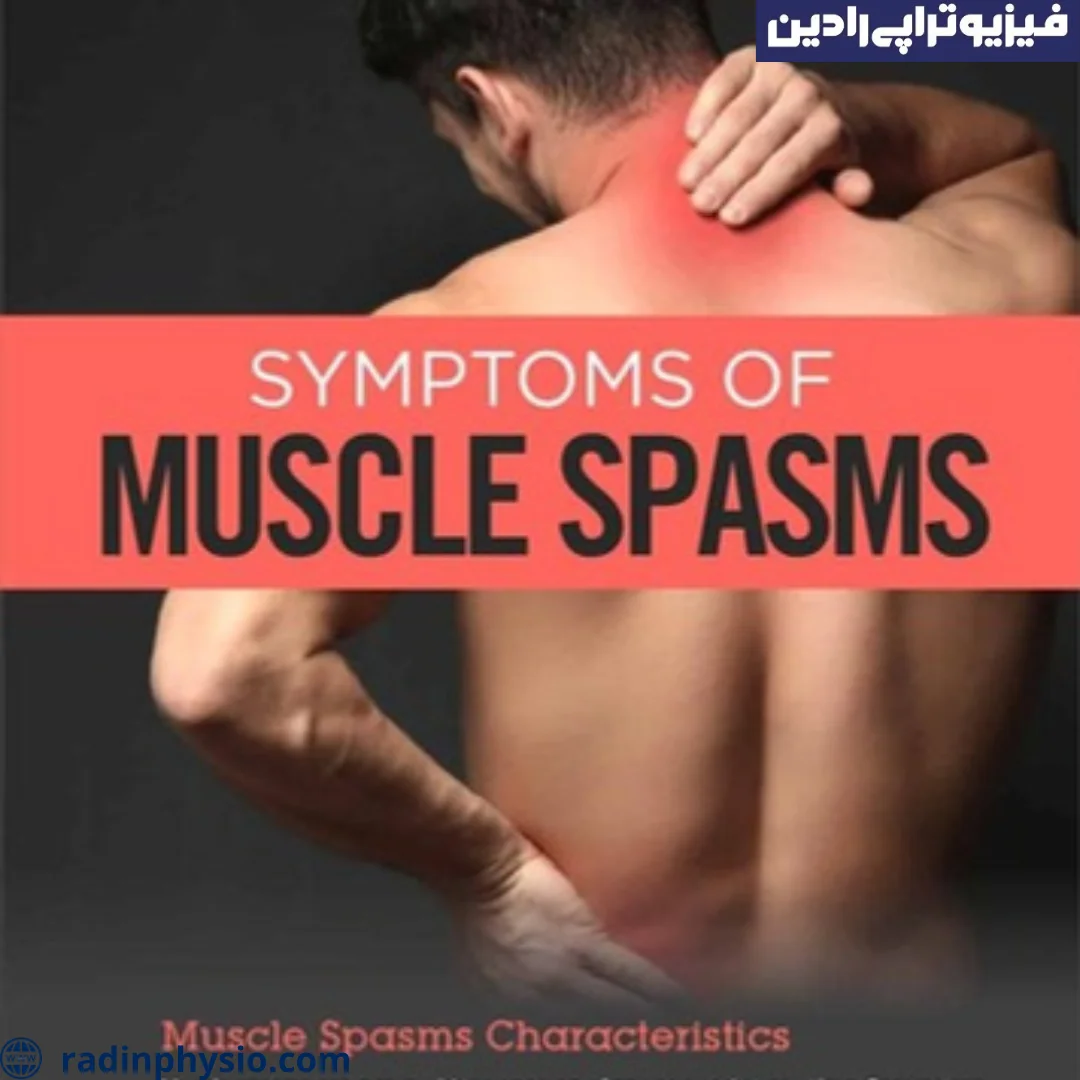
In case of muscle spasm or muscle cramping, symptoms such as pain, muscle stiffness and stiffness, limited mobility of the affected muscles and general discomfort may result. If these symptoms occur, it is useful to see a specialist doctor so that the cause of the muscle spasm is determined and appropriate treatment is carried out.

What is the cause of muscle cramps?
The causes of muscle cramps can be diverse and can generally be divided into two main categories: muscular causes and neurological causes. در زیر به برخی رایج هر دسته اشاره میکنیم:
- Hormonal changes: During pregnancy, the level of various hormones including estrogen and progesterone increases. These hormonal changes can lead to muscle changes, increased muscle sensitivity, and muscle spasms.
- Pregnancy weight: With the growth of the fetus and the increase in pregnancy weight, the pressure on muscles and joints increases. This pressure can lead to muscle tension and spasm in areas such as the back, waist, shoulders and legs.
- Changes in body posture: As pregnancy progresses, changes occur in the body's center of balance and body posture changes. These changes can increase stress and pressure on muscles and stimulate muscle spasms.
- Stress and mental pressure: Pregnancy may be associated with a lot of stress and mental pressure. Stress and pressure can lead to increased muscle tension and muscle spasm.
The type and location of muscle spasm in pregnancy may be diverse and depend on many factors. Usually, back, waist, shoulder, neck and leg muscles are more exposed to muscle spasm during pregnancy.
If you experience symptoms of muscle cramps during pregnancy, it is important to consult your doctor. He can make an accurate diagnosis based on your symptoms and provide the necessary guidance.
Muscle cramps in sleep
Sleep cramp is commonly known as "sudden muscle cramp" or "muscle cramp" and refers to the occurrence of muscle spasm during sleep. This condition may occur suddenly and without warning and includes a feeling of pain and tightness in the target muscle.
The exact cause of muscle cramps in sleep is not yet known, but some factors can be effective:
- Long-term activity or rest: The body may be unfairly placed in a fixed position during sleep, which can lead to muscle tension and spasm.
- Vitamins and substance deficiency. Minerals: Deficiencies in vitamin D, vitamin B12, calcium, magnesium, and potassium may be associated with muscle spasms. These minerals and vitamins play a role in maintaining muscle health.
- Stress and anxiety: Stress and anxiety may cause muscle tension and as a result lead to muscle cramps in sleep.
- Muscle weakness: Muscle weakness and their lack of proper strength can lead to muscle spasms and cramps in sleep.
If you frequently suffer from muscle cramps in sleep, see a specialist doctor or A physiotherapist can help. They can diagnose the exact cause and recommend treatment strategies such as muscle strength exercises, proper nutrition, and mineral and vitamin supplements. Also, it is better to manage and prevent muscle cramps in sleep by improving sleep conditions and reducing stress and anxiety.
How to treat muscle cramps
Treatment of muscle cramps depends on its cause and severity. Here are some common treatment methods to reduce muscle cramps: Rest: If the muscle is painful, rest and avoiding heavy activities can speed up recovery. But maintaining very long-term activities and not using the muscles for a long time is also not recommended, because it may cause muscle weakness.
Also, muscle cramp symptoms may take time to improve, so be patient and follow the treatment regimen regularly.

The role of physiotherapy in the treatment of muscle spasm
Physiotherapy plays an important role in the treatment of muscle spasm and facilitates improvement of symptoms and reduction of muscle tension. Physiotherapy treatment is determined based on the type and severity of muscle spasm and its causes. Below are the roles of physical therapy in the treatment of muscle spasm:
reducing muscle tension
Physiotherapy using relaxation exercises and techniques, muscle stretching and flexibility exercises can help reduce muscle tension and release tight muscles.
strengthening exercises
muscle stimulation
balance exercises and movement control
Physiotherapy can teach you balance and movement control exercises. These exercises can help improve muscle control and prevent muscle spasms.
Learning breathing techniques
Breathing techniques can help reduce muscle tension and relax muscles. Physiotherapy can teach you how to breathe deeply and regularly.

Motion pattern modification
Learning stress management methods
Stress and anxiety may aggravate the effects of muscle spasm. Physical therapy can teach you stress management and relaxation techniques that can help reduce muscle spasms.
In general, physical therapy plays an important role in treating muscle spasms. By combining various physical therapy methods such as strengthening exercises, flexibility exercises, muscle stimulation, and teaching breathing techniques and movement control, it is possible to help reduce muscle tension, improve muscle control, and improve muscle spasm symptoms. In any case, it is best to consult a physical therapist to determine the right treatment plan for your specific condition.
Dry needling in muscle spasms
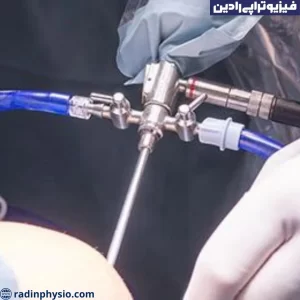
Dry needling or acupuncture is one of the traditional Chinese treatment methods that plays an important role in the treatment of muscle spasm. This method involves inserting very thin needles into specific points in the body that are located along the path of nerves and blood vessels. These needles are used to relieve tension and balance the flow of energy in the body.
In muscle spasm, dry needling can have the following effects:
- Reducing muscle tension: By inserting the needles into specific points around the spasmed muscles, muscle tension is reduced and the muscles return to their normal state.
- Pain relief: Acupointer It can help reduce pain caused by muscle spasms. Long needles can help send soothing signals to the brain, thereby reducing pain.
- Regulation of nerve function: Acupuncture can affect the regulation of nervous system function. This method can help balance nerve activity and reduce stress and anxiety that may play a role in muscle spasms.
- Improving blood flow: Acupuncture can help improve blood flow in areas of need. This can provide better muscle nutrition and faster recovery from muscle spasms.
electrotherapy in the treatment of muscle spasm
- Pain reduction: Electrotherapy can help reduce pain caused by muscle spasms. Electric current can soothe nerves and reduce pain.
- Control of muscle tension: Electrotherapy can help control muscle tension and restore muscles to their normal state. Electric current can relax muscles and reduce tension.
- Improving muscle function: Using electrotherapy, you can strengthen muscles and improve muscle function. Electric current can help stimulate muscles and increase their strength and ability to contract.
- Improving blood flow: Electrotherapy can help improve blood flow in needed muscle areas. This issue can help to better nourish the muscles and reduce inflammation and the release of anti-inflammatory substances.
- Facilitating movement control: By using electrotherapy, movement control can be improved. Electric current can help stimulate muscles and nerves to establish better movement control and reduce muscle spasms.
It is important to know that electrotherapy should be performed by experienced and professional specialists. Before using this method, it is better to consult your doctor or a physiotherapist so that a complete examination of your condition can be done and the right decision can be made about the use of electrotherapy.

High power laser in the treatment of muscle spasm
High-power laser (Low-Level Laser Therapy or LLLT for short) is one of the methods used in the treatment of muscle spasm. In this method, laser light with appropriate frequency and intensity is applied to the muscles to create biological effects in the cells. High power laser can be useful in the treatment of muscle spasm.
Hydrotherapy in the treatment of muscle spasms
Water therapy, or hydrotherapy, is another method used in the treatment of muscle spasm. In this method, exercises and treatments related to muscles and joints are performed in water. Water therapy can have the following effects in the treatment of muscle spasm:
- Reduction of pressure and body weight: Water, as a semi-floating environment, reduces pressure and body weight. This can help reduce pressure and stress on the muscles and reduce muscle spasms.
- Pain relief: Warm water and water massage can help relieve pain caused by muscle spasms. The heat of the water and the movements in the water can relax the muscles and reduce the feeling of pain.
- Facilitation of movement: In the water, the weight of the body decreases and the movement becomes easier. This can help facilitate movement and reduce movement restrictions in muscle spasm. Strengthening muscles: Exercises in water can help strengthen muscles. Water resistance and movements in water can strengthen muscles and improve muscle function.
- Improving balance and muscle control: In water, the use of body balance and muscle control improves. This can help improve motor control and reduce muscle spasms.
ultrasound therapy in the treatment of muscle spasm
Ultrasound therapy is another method used in the treatment of muscle spasm. In this method, ultrasound waves with high frequency and low intensity are applied to the areas that need treatment. Ultrasound therapy can have the following effects in the treatment of muscle spasm.
Endnote
همچنین میتوانید از خدمات فیزیوتراپی با بیمه آسیا نیز بهرمند شوید.