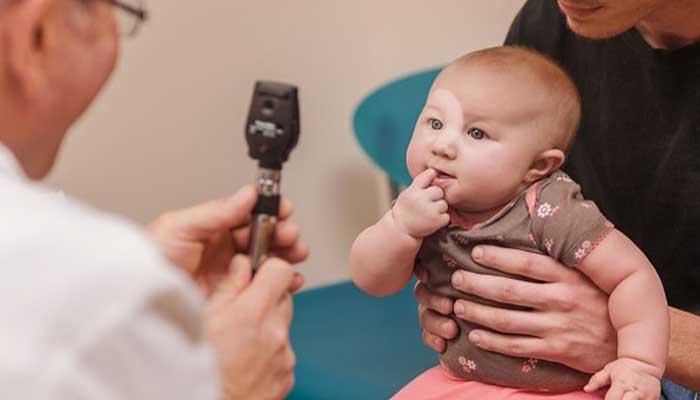
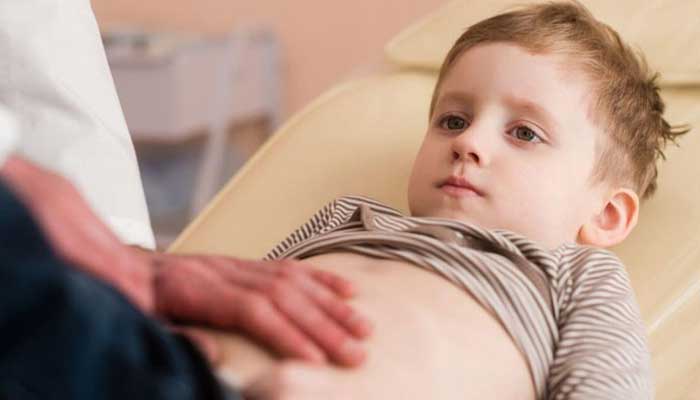
Specialist in infectious diseases for children - Dr. Mehdi Afshari, specialist in newborns, children and adolescents
Child Infectious Specialist
The world of children is a world of discovery, play and growth. But in this energetic path, their immature immune system is always exposed to the relentless attack of invisible pathogens, from viruses and bacteria to fungi and parasites. .
When dealing with infections that threaten children's lives or have diagnostic and treatment complications, the role of pediatric infectious disease specialist becomes vital and irreplaceable.
With in-depth knowledge of children's developing immune system and the specific pathogens of this age group, these doctors are the protectors who ensure the health and future of our smallest heroes against these invisible invaders.
Who is the pediatric infectious disease specialist?
A pediatric infectious disease specialist is a specialist doctor who successfully completes a pediatric specialty course (pediatric medicine) after completing a general medical course and then enters a pediatric infectious disease subspecialty course to gain deeper knowledge and skills in the field of infectious diseases specific to children. This long and challenging path enables these doctors to:
have a comprehensive understanding of the child's immune responses at different ages.
Prepare accurate and rapid diagnosis of common and rare infections in children.
Manage the complexities of treating infections, including antibiotic resistance and choosing the right drug.
With the latest vaccination protocols and prevention of infectious diseases. Be familiar.
Know the subtle differences in the symptoms of infections between babies, toddlers and teenagers.

When should you visit a pediatric infectious disease specialist?
While many common childhood infections are diagnosed by a doctor general or the best pediatrician in Tehran are treated, referral to pediatric infectious specialist is necessary in certain situations:
- Severe or life-threatening infections
- Meningitis and encephalitis (infection of the brain and meninges).
- Sepsis (infection blood) or septic shock.
- Osteomyelitis and septic arthritis (bone and joint infection).
- Complicated pulmonary infections such as severe pneumonia or lung abscess.
- Cardiac infections such as endocarditis.
- Recurrent or refractory infections
- Recurrent urinary tract infections.
- Recurrent middle ear infections.
- Chronic bronchitis or sinusitis that do not respond to standard treatments.
- Prolonged fevers of unknown cause
- Fevers that last more than a few days and whose cause is not determined after initial investigations.
- Rare or unusual infections
- Fungal infections Aggressive.
- Complex parasitic infections.
- Diseases caused by insect bites (such as Lyme, Malt fever) in certain areas.
Immunocompromised children:
Children with congenital immunodeficiency diseases.
Children receiving chemotherapy or taking immunosuppressive drugs (such as organ transplant patients).
Children with HIV/AIDS.
Need to prescribe specific or intravenous antibiotics:
In cases where the infection does not respond to common antibiotics or long-term intravenous treatments are required.
Consultation on specific vaccinations:
In children with special medical conditions or immunodeficiencies that require a different vaccination schedule.
Consultation on non-routine vaccines or vaccinations for travel.
Diagnosis and treatment process
Pediatric infectious disease specialist from Uses a comprehensive approach to evaluation, diagnosis, and treatment that includes the following steps:
Detailed medical history: collection of complete information about symptoms, course of illness, history of previous illnesses, vaccinations, medications, travel, and exposure to pathogens.
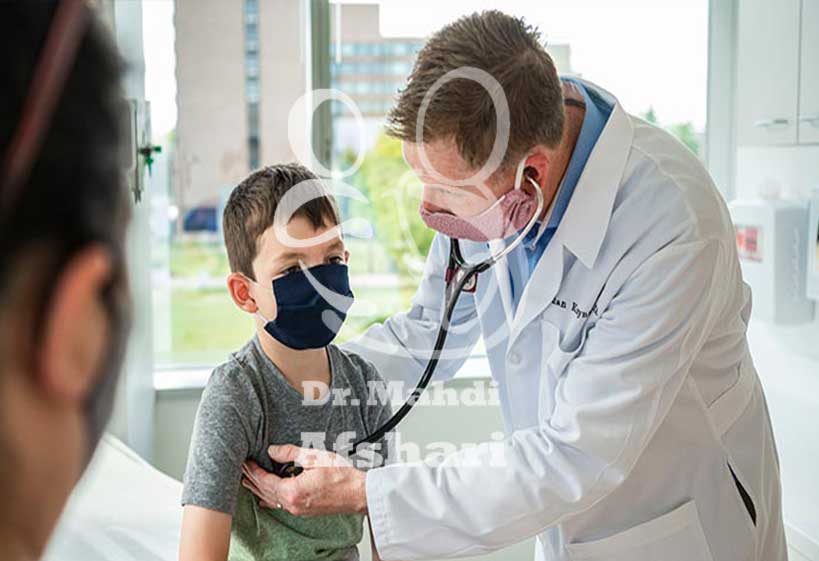
Complete physical examination: careful examination of all body systems to identify the focus of infection and associated symptoms.
Advanced diagnostic tests:
Blood tests: blood culture, blood cell count, examination of inflammatory markers
Microbiological cultures: cultures from body fluids (urine, fluid spinal fluid, joint fluid), wounds and secretions to accurately identify the pathogen.
Molecular tests (PCR): to detect DNA/RNA of pathogens, especially viruses.
Serological tests: to detect antibodies against specific infectious agents.
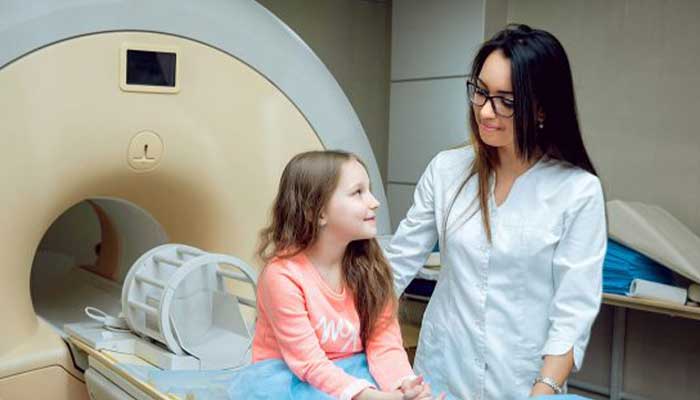
Imaging: radiography, ultrasound, CT scan and MRI to detect abscesses, bone infections or organ involvement Internal.
Sampling (biopsy): in certain cases for the definite diagnosis of infection in the tissues.
Treatment planning: based on the diagnosis, the pediatric infectious specialist formulates a specific treatment plan, which may include:
Prescribing antibiotics, antivirals, antifungals or anti-stigmatism drugs: with a careful selection of the appropriate drug, dose and duration, according to the type of pathogen and resistance pattern Pharmaceutical.
Supportive treatments: fluid therapy, antipyretic, and special care if needed.
Collaboration with other specialists: if surgery is needed (for example, to drain an abscess), cooperation with a pediatric surgeon.
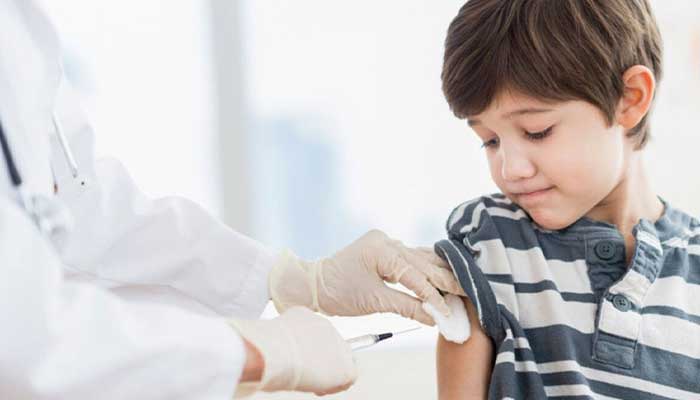
Vaccination: providing necessary recommendations for routine and supplementary vaccinations.
The role of a pediatric infectious specialist in prevention
In addition to treatment, a specialist Infectious diseases of children play an important role in the prevention of infectious diseases:
Education of parents: about the importance of hygiene, proper nutrition, and necessary measures to prevent the spread of infections.
Supervision of the vaccination program: ensuring that the child's vaccination is complete according to the national program and expert recommendations.
Travel advice: providing the required vaccines and preventive recommendations for children who plan to travel to certain areas.
Management Infection in health centers: cooperation in controlling hospital infections and preventing their spread. With their deep expertise in diagnosing and treating the most complex infections, they protect children's lives and help them grow and develop healthy.
In today's world where there are challenges such as antibiotic resistance and the emergence of new pathogens, the role of these doctors is more critical. Parents should not hesitate to refer to a pediatric infectious specialist if they see worrisome symptoms or recurrent infections in their children so that the best course of treatment can be determined for them.
To get an appointment, call 02166602506 or make an appointment online.
TagsDiagnosis of urinary tract infection Treatment of lung infection href="https://doctorafshari.ir/tag/%d8%af%d8%b1%d9%85%d8%a7%d9%86-%d8%b9%d9%81%d9%88%d9%86%d8%aa-%da%af%d9%88%d8%b4/">ear infection treatment href="https://doctorafshari.ir/author/drafshari/">drafshari July 9, 20250 1,123 It takes 4 minutes to read this article Facebook Twitter LinkedIn Tumblr Pinterest Reddit VKontakte Share by email Print
drafshari
Similar articles
symptoms and treatment of heat stroke in children
May 13, 2023symptoms of cold in children Children
April 26, 2022