

کم خونی در نوزادان یکی از مشکلات شایع در دوران اولیه زندگی است که تاثیرات قابل توجهی بر رشد و سلامت آنها داشته باشد. This condition occurs when the amount of hemoglobin or red blood cells in the baby's blood is lower than normal. Since red blood cells are responsible for carrying oxygen to the tissues of the body, their reduction leads to fatigue, weakness, loss of appetite and even impaired brain development of the baby. Parents should be familiar with the symptoms of anemia in babies and see a doctor if they see symptoms such as pale skin, lethargy or weight loss.
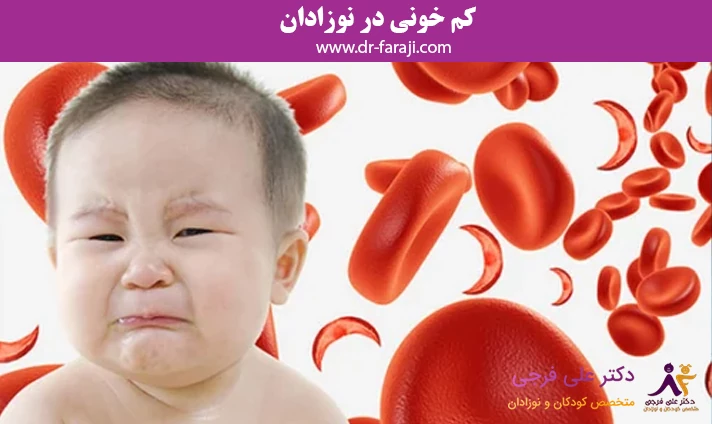
Definition of anemia in babies
Anemia in newborns refers to a condition in which the hemoglobin level of the newborn's blood is lower than normal. Hemoglobin is a protein that is in the red blood cells and is responsible for carrying oxygen to the tissues and organs of the body. When the amount of hemoglobin in the baby's blood decreases, it causes abnormal symptoms in the baby. Early diagnosis and treatment of anemia in infants by best pediatrician for growth And their health is very vital.
If you have any questions about your baby's anemia, you can contact Dr. Ali Faraji, pediatrician, and get a consultation.
Symptoms of anemia in babies
Anemia in babies has different symptoms that depend on the severity of anemia and its cause. Among the most important symptoms of anemia in babies, the following can be mentioned:
-
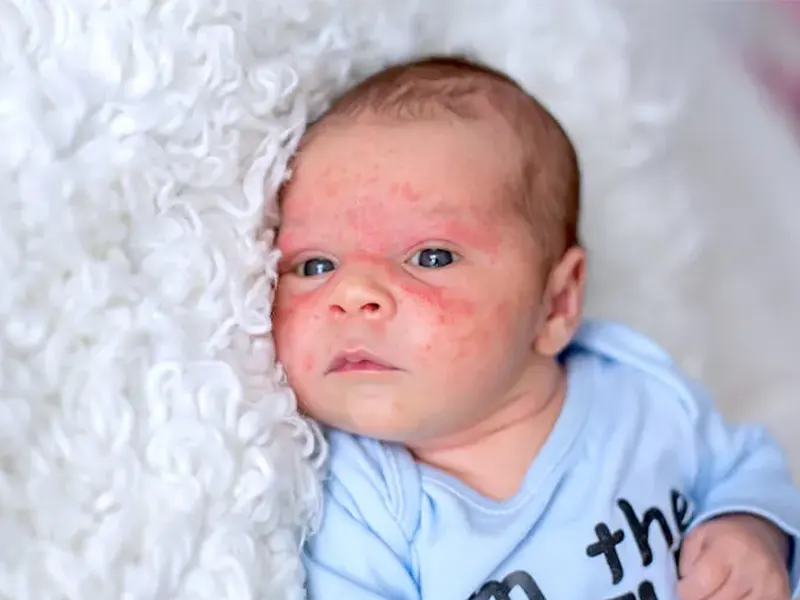
Pale skin and gums: One of the most common symptoms of anemia is pale skin, especially in areas such as the face and gums.
- Fatigue and weakness: In some cases of anemia, the baby sleeps more than usual and has less energy for activity.
- Lack of gaining weight: A baby with anemia has problems gaining weight and its growth is slower than normal.
- Faster heart rate: In response to the decrease in the amount of oxygen in the body, the baby's heart rate becomes faster than usual.
- Rapid breathing: the baby will breathe faster due to lack of oxygen.
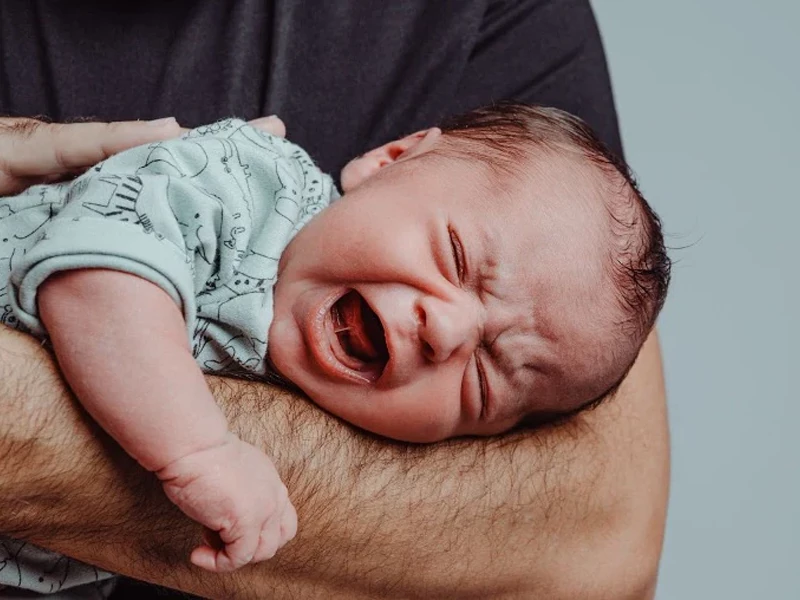
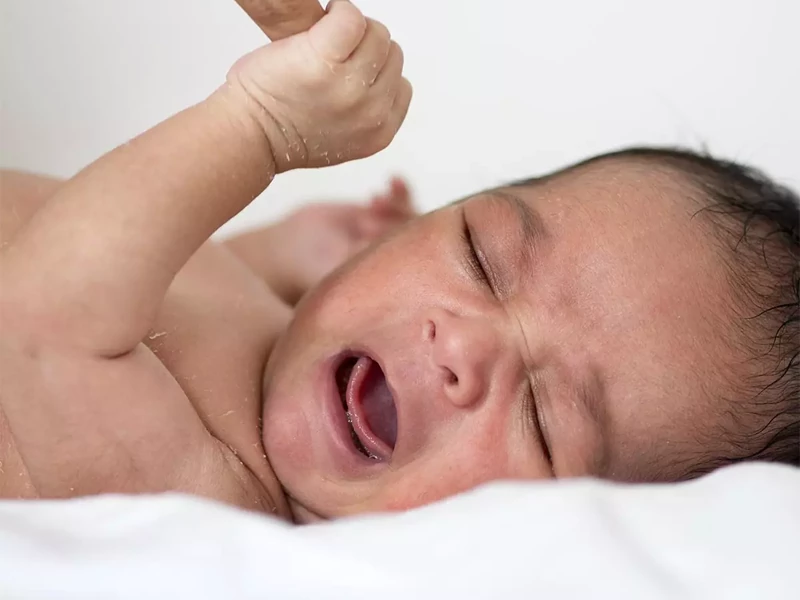
- Restlessness and irritability: Babies with anemia are more restless, nervous or irritable than usual.
- Decreased appetite: The baby shows less desire to eat food or milk.
- Decreased activity level: The baby moves less than usual or reduces his physical activities.
- Jaundice: In some cases, anemia is accompanied by yellowing of the skin and eyes, which indicates faster destruction of red blood cells.
Read more: Child Ear Infection

What are the causes of anemia in babies?
Anemia in babies is caused by various reasons, some of which are temporary and others are associated with serious problems. The most important causes of anemia in babies are:
Iron deficiency:
One of the most common causes of anemia in babies is iron deficiency. Iron is necessary for the production of hemoglobin, and if the baby does not get enough iron, it will suffer from anemia. This problem is especially observed in babies who do not have adequate or adequate nutrition from breast milk or formula.
Vitamin B12 or folate deficiency:
Deficiency of these vitamins, which play a role in the production of red blood cells, causes anemia in babies. These deficiencies occur in babies who are not breastfed and whose mothers are deficient in vitamin B12 or folate.
Hemolytic anemia:
In this type of anemia, the baby's red blood cells are destroyed abnormally. This problem is caused by genetic diseases such as defects in red blood cell enzymes or blood group incompatibility between mother and baby.
Bone marrow dysfunction:
In some cases, the baby's bone marrow is not able to produce enough red blood cells. This problem is caused by congenital disorders or other diseases.
Infections:
Some severe infections reduce the production of red blood cells or destroy them, resulting in anemia in infants.
Congenital defects: some genetic disorders such as thalassemia cause anemia in babies. These diseases lead to the production of unhealthy red blood cells and a decrease in their number.Pre-eclampsia in the mother:
If the mother has preeclampsia during pregnancy, the baby will suffer from anemia.
Bleeding:
Heavy bleeding in a baby, either at the time of birth or after, leads to anemia. This bleeding is due to problems in the umbilical cord or other disorders.
Read more: Colds Children
Diagnosis of anemia in babies
Diagnosis of anemia in babies is done by evaluating clinical symptoms and performing blood tests. The doctor first examines symptoms such as paleness, fatigue, weakness, loss of appetite and lack of weight gain. Then, by performing blood tests, the level of hemoglobin and the number of red blood cells of the baby are measured. If anemia is present, further tests such as white blood cell and platelet counts, iron, folate and vitamin B12 levels or diagnostic tests to check for hereditary disorders such as thalassemia or hemolytic anemia are performed. Based on the results of these tests, the doctor diagnoses the exact cause of anemia and starts the appropriate treatment.
Is neonatal anemia dangerous?
Anemia in babies is dangerous if not diagnosed and treated in time. Anemia causes a decrease in the amount of hemoglobin and the capacity to carry oxygen in the blood, which leads to a lack of oxygen in the vital organs and tissues of the baby's body. This condition causes a disturbance in the growth and development of the baby, a decrease in energy levels, a weak immune system, and breathing and heart problems. In more severe cases, anemia can lead to more serious problems such as heart and brain damage. Therefore, timely diagnosis and treatment of anemia is necessary to prevent serious complications.
Time to see a doctor
Seeking a doctor is necessary if the baby shows signs of anemia. Some of the symptoms that require immediate medical attention are:
- Abnormal paleness of the skin, gums or nails.
- Severe fatigue and constant weakness, the baby sleeps more than usual and is less active.
- No weight gain or growth problems.
- Rapid heartbeat and breathing.
- Unusual impatience or irritability.
- Decreased appetite and less desire to eat milk.
- Jaundice of the skin or eyes.
If any of these symptoms are observed in a baby, parents should immediately consult a doctor so that anemia is diagnosed and the necessary treatments are administered. Also, if the baby is breastfed and the mother has a history of anemia or nutritional deficiency, consulting a doctor is also recommended.
Treatment of anemia in babies
The treatment of anemia in babies depends on the main cause of this problem. In general, common treatments for anemia in infants include the following:
- If anemia is due to iron deficiency, the doctor prescribes iron supplements. These supplements are usually given to the baby in the form of iron drops. Also, feeding with breast milk or iron-enriched formula helps in treatment.
- In case of deficiency of vitamin B12 or folate, the doctor prescribes supplements of these vitamins. In babies who are breastfed, if the mother is deficient in these vitamins, supplements are also needed for the mother. If the anemia is due to the abnormal destruction of red blood cells, the treatment depends on the underlying cause. These treatments include special drugs or even blood transfusion in severe cases.
- If the anemia is due to bone marrow failure, treatment includes drugs to stimulate red blood cell production or specific treatments for inherited disorders.
- If the anemia is caused by an infection, the doctor will prescribe antibiotics to treat the infection and improve the anemia.
Ways to prevent anemia in babies
Prevention of anemia in babies is very important, because this condition damages the growth and development of the baby. Here are some effective ways to prevent anemia in babies:
-
Breastfeeding: Breast milk is a rich source of iron and other nutrients that help prevent anemia. It is recommended that the baby be exclusively breastfed for at least the first 6 months of life.
- Using enriched formula: If the baby is not breastfed, using iron-enriched formula helps prevent anemia.
- Sufficient supply of iron: from about 6 months, the baby needs iron supplements, because the supply of iron from breast milk is insufficient. It is also possible to increase the amount of iron by introducing iron-rich foods such as pureed vegetables and meat to the baby's diet.
- Nutrition of the mother: proper nutrition of the mother during pregnancy and breastfeeding is very important. Mothers should use iron supplements and B group vitamins, especially vitamin B12 and folate, during pregnancy and breastfeeding to prevent deficiency of these nutrients.
- Prevention of infections: Infections reduce the production of red blood cells in the baby's body, so maintaining proper hygiene and preventing the baby from coming in contact with sick people helps to prevent anemia caused by infection.
- Regular medical consultation: Regular medical checkups can help identify nutritional or other health problems that lead to anemia. These examinations are especially important in babies who are at risk of anemia, such as babies born prematurely or with low birth weight.
Frequently Asked Questions
Can anemia in babies be genetic?
Some genetic disorders such as thalassemia cause anemia in babies. In these cases, special treatments are necessary.
Is breast milk enough to prevent anemia?
Breast milk provides the baby with iron until about 6 months of age, but after this age, iron supplements or feeding with iron-rich foods are needed.
Can anemia in babies lead to neurological problems?
Anemia in newborns, if not treated, has a negative effect on the development of the baby's brain and nervous system and causes cognitive and behavioral problems in the future.
Conclusion
As you know, anemia in babies is a serious problem that can be prevented from serious complications if diagnosed on time and treated appropriately. By observing proper nutrition, following up on the baby's health and paying attention to warning signs, this situation can be prevented and help the baby grow and develop better. Paying attention to health care and regular consultation with a doctor is of particular importance in order to maintain the health of the baby and prevent problems caused by anemia.