Anemia in children
Anemia in children is a common complication that occurs when the child's body does not have enough healthy red blood cells to carry oxygen to tissues and organs. Red blood cells contain a protein called hemoglobin, whose main function is to bind to oxygen in the lungs and transport it throughout the body.
If your baby doesn't have enough red blood cells or hemoglobin, the body won't get enough oxygen, which can lead to fatigue, weakness and a range of health problems. Early diagnosis and appropriate treatment are vital to ensure the healthy growth and development of the child.
Common types of anemia in children
Anemia in children can have various reasons, but the most common type is iron deficiency anemia. Besides that, there are other types:
Iron deficiency anemia
The most common type is anemia in children.
It occurs when the body does not have enough iron to produce hemoglobin. Iron is necessary for the production of hemoglobin.
Causes: insufficient iron intake in the diet (especially in infants who only drink breast milk or early cow's milk and do not eat complementary foods rich in iron), rapid growth (increased iron requirements), blood loss (such as gastrointestinal bleeding or heavy menstruation in teenage girls), or poor absorption of iron.
megaloblastic anemia
It is caused by vitamin B12 or folate (folic acid) deficiency. These vitamins are essential for the production of healthy red blood cells.
Causes: (improper diet (especially in vegan children who do not take B12 supplements), absorption disorders (such as celiac disease or Crohn's disease).
aplastic anemia
A rare and serious type in which the bone marrow loses the ability to make enough new blood cells (including red blood cells, white blood cells, and platelets).
Causes: can be congenital or acquired (caused by infections, drugs, exposure to toxins or autoimmune diseases).
Sickle cell anemia
It is an inherited blood disorder in which red blood cells become abnormally shaped (sickle-like). These blood cells are hard and sticky, break easily and can block blood vessels.
These blockages can lead to severe pain, organ damage, and other serious complications.
Thalassemia
It is another hereditary blood disorder in which the body produces less hemoglobin than normal. This makes red blood cells smaller and with less hemoglobin.
It has different types (alpha thalassemia and beta thalassemia) and its severity varies from mild to severe (Mananger). Thalassemia major requires regular blood transfusions.
hemolytic anemia
It occurs when red blood cells are destroyed faster than the bone marrow can produce them.
Causes: can be hereditary (such as G6PD enzyme deficiency) or acquired (such as drug reactions, infections or autoimmune diseases).
Signs and signs
Symptoms of Anemia in children can range from mild to severe and sometimes appear so slowly that parents may not notice it at first. The most common symptoms are:
- Pale skin, lips and nail beds
- Fatigue and lethargy (the child has less energy and gets tired sooner).
- Weakness and reduced ability to perform activities (such as playing).
- Shortness of breath or rapid breathing, especially during activity.
- Mood and restlessness
- Decreasing appetite.
- Poor growth (especially in chronic iron deficiency anemia).
- Concentration and learning problems at school.
- The desire to eat non-food materials (pica) such as dirt, plaster or ice (especially in iron deficiency).
- Fast heartbeat.
- Cold hands and feet

Diagnosis of anemia in children
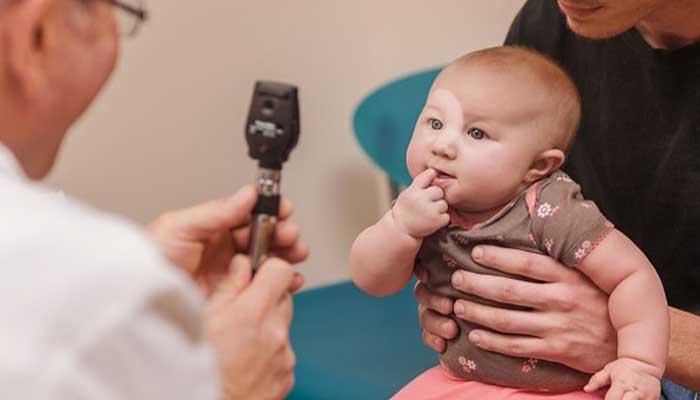
The diagnosis of anemia usually begins with a detailed clinical examination by The Best Pediatrician Tehran and blood tests:
- Full blood count
- hemoglobin
- Hematocrit
- Supplementary tests (if necessary)
- serum iron and ferritin level
- Vitamin B12 and folate
- Hemoglobin electrophoresis
- genetic tests
- bone marrow biopsy
treatment of anemia in children
Anemia treatment completely depends on its underlying cause:
Iron deficiency anemia
Iron supplementation: the prescription of oral iron supplements, which must be taken according to the doctor's prescription and for a sufficient period of time (usually at least 3 months after the normalization of hemoglobin to replenish iron stores).
Dietary changes: Add iron-rich foods to your child's diet, such as red meat, chicken, fish, legumes (lentils, beans), dark green leafy vegetables, and fortified cereals.
Increasing iron absorption: Taking vitamin C together with foods containing iron (such as orange juice) can improve iron absorption.
megaloblastic anemia
Vitamin B12 or folate supplement: prescribing oral or injectable supplements
aplastic anemia
More complex treatments include immunosuppressive drugs, blood transfusions, and in severe cases, bone marrow transplants.
Sickle cell anemia and thalassemia
Management of these inherited diseases requires specialized care by pediatric blood and cancer specialists (pediatric hematologists).
It may include regular blood transfusions, special medications to reduce complications (such as hydroxyurea in sickle cell anemia), and in some cases a bone marrow transplant.
hemolytic anemia
Treatment of the underlying cause (such as discontinuation of the active drug) and, if needed, immunosuppressive drugs or blood transfusion.
Summary
Anemia is a public health concern in children that can negatively affect their physical and cognitive development. Attention to symptoms, early diagnosis and appropriate treatment, especially in the case of preventable and treatable iron deficiency anemia, are essential to ensure a healthy and energetic future for our children. Parents should consult the best pediatrician in Tehran Dr. Mehdi Afshari himself about any concerns about paleness, fatigue or other symptoms of anemia in their child.