What is normal blood pressure?
Blood pressure is the force with which the blood presses against the walls of the vessels. This force is represented by two numbers:
- Systolic pressure: A number that refers to blood pressure during heart contraction.
- Diastolic pressure: A number that refers to blood pressure when the heart is at rest.
Normal blood pressure is generally considered to be less than 80/120 mmHg. This means that the systolic pressure is less than 120 and the diastolic pressure is less than 80.
Why is blood pressure important?
High blood pressure is one of the most important risk factors for heart disease, stroke, kidney failure and other health problems. On the other hand, low blood pressure can also cause dizziness, weakness and even shock.
factors affecting blood pressure
Many factors affect blood pressure, including:
- Genetics: Some people are prone to high blood pressure due to genetic factors.
- Age: As we age, the arteries become stiffer and blood pressure may increase.
- Diet: High consumption of sodium, saturated fats and added sugars can help increase blood pressure.
- Exercise: Lack of sufficient physical activity can contribute to the increase of blood pressure.
- Stress: Chronic stress can increase blood pressure.
- Obesity: Overweight and obesity are one of the important risk factors for high blood pressure.
- Smoking and alcohol consumption: Smoking and alcohol can help increase blood pressure.
- Some diseases: Some diseases such as diabetes, kidney diseases and thyroid diseases can affect blood pressure.
How to measure your blood pressure?
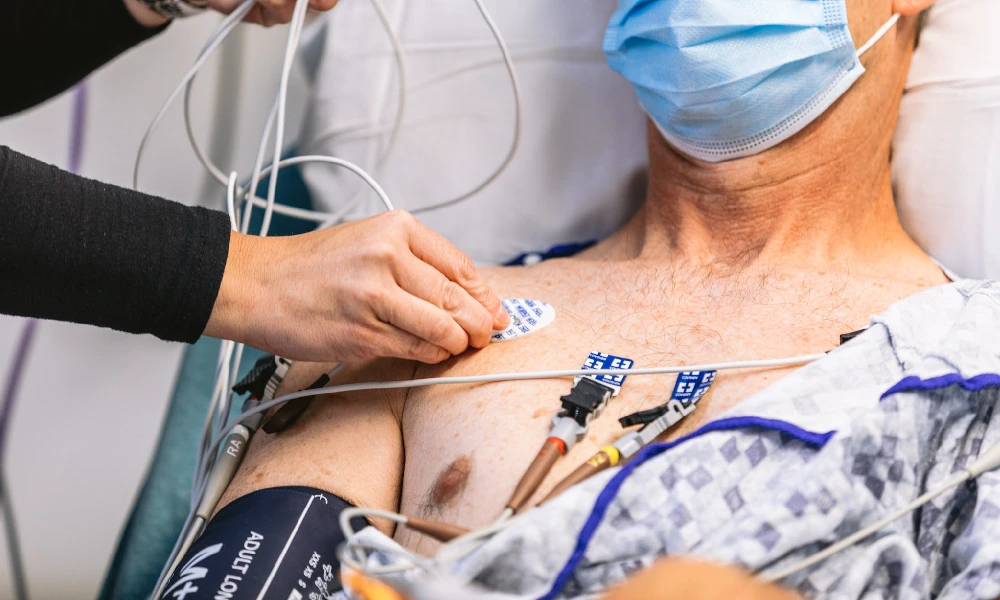
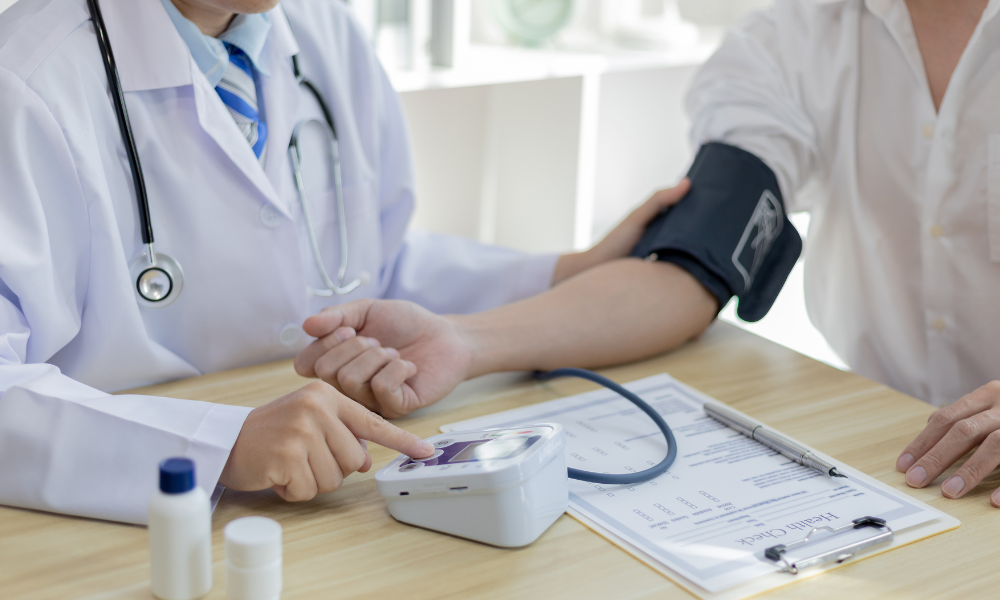
You can use a blood pressure device or see a doctor to measure your blood pressure. It is important to measure your blood pressure regularly, especially if you are in a high-risk group.
Treatment of high blood pressure
Treatment of high blood pressure includes lifestyle changes and in some cases, medication. Lifestyle changes include:
- Healthy diet: Reduce sodium intake, increase fruit and vegetable intake, reduce saturated fat and added sugar intake.
- Regular exercise: At least 30 minutes of moderate physical activity on most days of the week.
- Lose weight: If you are overweight, losing weight can help lower your blood pressure.
- Stress control: Relaxation techniques such as meditation, yoga and deep breathing can help lower blood pressure.
- Quit smoking and reduce alcohol consumption: Smoking and alcohol can help increase blood pressure.
Prevention of high blood pressure
To prevent high blood pressure, you can follow the same methods used to treat it. Also, it is very important to have regular checkups and see a doctor to control blood pressure.
Note: This article is for informational purposes only and should not be considered a substitute for medical advice. To diagnose and treat diseases, you should always visit a specialist doctor.
High blood pressure during pregnancy
High blood pressure during pregnancy can have serious complications for the mother and fetus. This condition is known as preeclampsia and can cause damage to the kidneys, liver and other organs. Also, it increases the risk of premature delivery, insufficient growth of the fetus and even the death of the mother or the baby.
Symptoms of preeclampsia:
- Sudden weight gain
- Swelling of hands, feet and face
- Severe headache
- Visual disorders
- Abdominal pain
Treatment: Preeclampsia treatment usually includes close monitoring of blood pressure, medication and in severe cases, premature delivery.
High blood pressure in children
High blood pressure in children is usually caused by secondary factors such as kidney disease, heart disease, hormonal disorders, or certain medications. در برخی موارد، فشار خون بالا در کودکان ممکن است به دلیل عوامل ژنتیکی یا سبک زندگی نامناسب رخ دهد.
علائم: فشار خون بالا در کودکان اغلب بدون علامت است و تنها با اندازهگیری منظم فشار خون قابل تشخیص است.
درمان: درمان فشار خون بالا در کودکان به علت ایجاد آن بستگی دارد.
عوارض فشار خون بالا
فشار خون بالا اگر درمان نشود، میتواند عوارض جدی زیر را به همراه داشته باشد:
- بیماریهای قلبی: حمله قلبی، نارسایی قلبی
- سکته مغزی: انسداد یا پارگی رگهای خونی در مغز
- بیماریهای کلیوی: نارسایی کلیه
- مشکلات بینایی: آسیب به رگهای خونی چشم
- آневریسم: گشاد شدن و ضعیف شدن دیواره یک رگ خونی
تغذیه مناسب برای بیماران مبتلا به فشار خون بالا
- کاهش مصرف سدیم: نمک یکی از مهمترین عوامل افزایش فشار خون است.
- افزایش مصرف میوهها و سبزیجات: این مواد غذایی سرشار از پتاسیم هستند که به کاهش اثرات سدیم بر فشار خون کمک میکنند.
- کاهش مصرف چربیهای اشباع و ترانس: این نوع چربیها میتوانند سطح کلسترول خون را افزایش داده و خطر بیماریهای قلبی و عروقی را بالا ببرند.
- کاهش مصرف قندهای افزوده: مصرف زیاد قندهای افزوده میتواند به افزایش وزن و چاقی کمک کند که هر دو عامل خطر برای فشار خون بالا هستند.
ورزشهای مناسب برای بیماران مبتلا به فشار خون بالا
- پیادهروی: یکی از سادهترین و موثرترین ورزشها برای کاهش فشار خون است.
- دوچرخهسواری: یک ورزش هوازی عالی که به تقویت قلب و عروق کمک میکند.
- شنا: یک ورزش کم فشار که برای مفاصل نیز مفید است.
- یوگا: به کاهش استرس و بهبود گردش خون کمک میکند.
توجه: قبل از شروع هر برنامه ورزشی، حتما با پزشک خود مشورت کنید.
نکات مهم:
- فشار خون بالا اغلب بدون علامت است و تنها با اندازهگیری منظم فشار خون قابل تشخیص است.
- تغییر سبک زندگی نقش مهمی در کنترل فشار خون دارد.
- مراجعه منظم به پزشک برای کنترل فشار خون ضروری است.
- خوددرمانی نکنید و از مصرف خودسرانه داروها خودداری کنید.
عوارض جانبی رایج داروهای فشار خون:
- سرگیجه و سبکی سر: این عارضه به ویژه در ابتدای مصرف دارو و هنگام تغییر وضعیت ناگهانی ممکن است رخ دهد.
- خستگی و ضعف: برخی افراد ممکن است احساس خستگی و ضعف عمومی کنند.
- سرفه خشک: این عارضه جانبی اغلب در افرادی که از مهارکنندههای ACE استفاده میکنند، مشاهده میشود.
- تورم مچ پا و پا: این عارضه جانبی معمولاً در اثر مصرف دیورتیکها رخ میدهد.
- تغییرات ضربان قلب: برخی داروها ممکن است باعث کاهش یا افزایش ضربان قلب شوند.
- اختلالات خواب: برخی افراد ممکن است مشکلاتی در خوابیدن تجربه کنند.
- مشکلات گوارشی: تهوع، استفراغ، اسهال یا یبوست از جمله عوارض گوارشی برخی داروها هستند.
- اختلالات جنسی: برخی داروها ممکن است باعث کاهش میل جنسی، مشکلات نعوظ یا کاهش لذت جنسی شوند.
عوارض جانبی کمتر شایع:
- مشکلات پوستی: راش، خارش و قرمزی پوست
- تغییرات در سطح پتاسیم خون: افزایش یا کاهش سطح پتاسیم میتواند عوارض مختلفی را به دنبال داشته باشد.
- مشکلات کلیوی: برخی داروها ممکن است به کلیهها آسیب برسانند.
- مشکلات کبدی: در موارد نادر، برخی داروها ممکن است باعث آسیب به کبد شوند.
عوامل موثر بر بروز عوارض جانبی:
- نوع دارو: هر گروه از داروهای فشار خون ممکن است عوارض جانبی متفاوتی داشته باشد.
- دوز مصرفی: افزایش دوز دارو میتواند احتمال بروز عوارض جانبی را افزایش دهد.
- شرایط فردی بیمار: بیماریهای زمینهای، سن، جنس و سایر عوامل فردی میتوانند بر بروز و شدت عوارض جانبی تأثیر بگذارند.
چه زمانی باید به پزشک مراجعه کنیم؟
اگر هر یک از عوارض جانبی ذکر شده در شما شدید یا طولانی مدت بود، حتما به پزشک خود اطلاع دهید. Also, if you experience any new or unusual symptoms, consult your doctor.
How to prevent the side effects of drugs?
- Exact use of the medicine according to the doctor's order: Avoid changing the dose or stopping the medicine arbitrarily.
- Tell your doctor about all the medications you are taking: Some medications may interact with blood pressure medications.
- Blood pressure monitoring: Measure your blood pressure regularly and share the results with your doctor.
- Report any side effects to your doctor: Your doctor may change the dose of the drug or substitute another drug.
Note: This information is for informational purposes only and should not be considered a substitute for medical advice. To diagnose and treat diseases, you should always visit a specialist doctor.
The most important thing to remember is that the side effects of blood pressure medications are usually mild and get better with time.