
What is normal blood pressure? - Dr. Seyed Alireza Najafi
What is normal blood pressure?
Blood pressure is the force with which the blood presses against the walls of the vessels. This force is like water being forced out of a hose. The higher the water pressure, the more forcefully the water is sprayed around. Likewise, the higher the blood pressure, the stronger the blood hits the walls of the vessels.
Easy accessShare content
Instagram Facebook X-twitter TelegramWhat is normal blood pressure?
Blood pressure is the force with which the blood presses against the walls of the vessels. This force is represented by two numbers:
- Systolic pressure: A number that refers to blood pressure during heart contraction.
- Diastolic pressure: a number that refers to blood pressure when the heart is at rest.
Normal blood pressure is generally considered to be less than 80/120 mmHg. This means that the systolic pressure is less than 120 and the diastolic pressure is less than 80.
Why is blood pressure important?
High blood pressure is one of the most important risk factors for heart disease, stroke, kidney failure and other health problems. On the other hand, low blood pressure can also cause dizziness, weakness and even shock.Factors affecting blood pressure
Several factors affect blood pressure, including:
- Genetics: Some people are prone to high blood pressure due to genetic factors.
- Age: As we age, the arteries become stiffer and blood pressure may increase.
- Diet: High consumption of sodium, saturated fats and added sugars can help increase blood pressure.
- Exercise: Lack of sufficient physical activity can contribute to the increase of blood pressure.
- Stress: Chronic stress can increase blood pressure.
- Obesity: Overweight and obesity are one of the important risk factors for high blood pressure.
- Smoking and alcohol use: Smoking and alcohol can help increase blood pressure.
- Some diseases: Some diseases such as diabetes, kidney diseases and thyroid diseases can affect blood pressure.
How to measure our blood pressure?
To measure blood pressure, you can use a blood pressure device or see a doctor. It is important to measure your blood pressure regularly, especially if you are in a high-risk group.Treatment of high blood pressure
Treatment of high blood pressure includes lifestyle changes and in some cases, medication. Lifestyle changes include:
- Healthy diet: Reduce sodium intake, increase fruit and vegetable intake, reduce saturated fat and added sugar intake.
- Regular exercise: At least 30 minutes of moderate physical activity on most days of the week.
- Lose weight: If you are overweight, losing weight can help lower your blood pressure.
- Stress control: Relaxation techniques such as meditation, yoga and deep breathing can help lower blood pressure.
- Quit smoking and reduce alcohol consumption: Smoking and alcohol can help increase blood pressure.
Prevention of high blood pressure
To prevent high blood pressure, you can follow the same methods used to treat it. Also, it is very important to have regular checkups and see a doctor to control blood pressure.
Note: This article is for informational purposes only and should not be considered a substitute for medical advice. To diagnose and treat diseases, you should always visit a specialist doctor.
High blood pressure during pregnancy
High blood pressure during pregnancy can have serious complications for the mother and fetus. This condition is known as preeclampsia and can cause damage to the kidneys, liver and other organs. Also, it increases the risk of premature delivery, insufficient growth of the fetus and even the death of the mother or the baby.Symptoms of preeclampsia:
- Sudden weight gain Swelling of hands, feet and face
- Severe headache
- Visual disorders
- Abdominal pain
Treatment: Preeclampsia treatment usually includes close monitoring of blood pressure, medication, and in severe cases, premature delivery.
High blood pressure in children
High blood pressure in children is usually caused by secondary factors such as kidney disease, heart disease, hormonal disorders or certain medications. In some cases, high blood pressure in children may occur due to genetic factors or an inappropriate lifestyle.Symptoms: High blood pressure in children is often asymptomatic and can only be detected by regular blood pressure measurements.
Treatment: Treatment of high blood pressure in children depends on the cause.
Complications of high blood pressure
If left untreated, high blood pressure can have serious complications. Bring the following:
- Cardiac diseases: Heart attack, heart failure
- Stroke: Blockage or rupture of blood vessels in the brain
- Kidney diseases: Kidney failure
- Vision problems: Damage to blood vessels in the eyes
- Aneurysm: Widening and weakening of the wall of a blood vessel
Suitable nutrition for patients with high blood pressure
- Decreasing sodium intake: Salt is one of the most important factors in raising blood pressure.
- Increasing consumption of fruits and vegetables: These foods are rich in potassium, which help reduce the effects of sodium on blood pressure.
- Reduce consumption of saturated and trans fats: These types of fats can increase blood cholesterol levels and increase the risk of cardiovascular diseases.
- Reduce consumption of added sugars: High consumption of added sugars can contribute to weight gain and obesity, which are both risk factors for high blood pressure.
Suitable exercises for patients With high blood pressure
- Walking: is one of the easiest and most effective exercises to lower blood pressure.
- Cycling: An excellent aerobic exercise that helps strengthen the heart and blood vessels.
- Swimming: A low-stress exercise that is also good for the joints.
- Yoga: Reduces stress. and improving blood circulation helps.
Note: Be sure to consult your doctor before starting any exercise program.
Important points:
- High blood pressure is often asymptomatic and can only be detected by regular blood pressure measurement.
- Lifestyle changes play an important role in blood pressure control.
- Regular visits to the doctor to control blood pressure. It is necessary.
- Do not self-medicate and avoid self-administration of medications.
Common side effects of blood pressure medications:
- Dizziness and lightheadedness: This complication may occur especially at the beginning of taking the medication and when changing the situation suddenly.
- Fatigue and weakness: Some people may feel tired and general weakness.
- Dry cough: This side effect is often seen in people using ACE inhibitors.
- Swelling of ankles and feet: This side effect usually occurs as a result of diuretics.
- Changes in heart rate: Some drugs may cause a decrease or increase in heart rate.
- Disorders Sleep: Some people may experience problems sleeping.
- Digestive problems: Nausea, vomiting, diarrhea or constipation are among the side effects. Some medications are digestive.
- Sexual disorders: Some medications may cause decreased libido, erection problems, or decreased sexual pleasure.
Less common side effects:
- Skin problems: Rash, itching, and redness of the skin
- Changes in blood potassium levels: Increased or decreased potassium levels can cause various complications.
- Kidney problems: Some drugs may damage the kidneys.
- Liver problems: In rare cases, some drugs may cause damage to the liver.
Factors affecting the occurrence of side effects:
- Type of drug: Each group of blood pressure drugs may have different side effects. Be sure to inform your doctor. Also, if you experience any new or unusual symptoms, consult your doctor.
- Exact use of the medicine according to the doctor's order: Avoid changing the dose or stopping the medicine arbitrarily.
- Tell your doctor about all the medications you are taking: Some medications may interact with blood pressure medications.
- Blood pressure monitoring: Measure your blood pressure regularly and share the results with your doctor.
- Report any side effects to your doctor: Your doctor may change the dose of the drug or substitute another drug.
How can side effects of drugs be avoided?
Note: This information is for informational purposes only and should not be considered as a substitute for medical advice. To diagnose and treat diseases, you should always visit a specialist doctor.
The most important thing to remember is that the side effects of blood pressure medications are usually mild and improve over time.
Edit Clone Comments read more Why care about leg veins? Solutions to prevent vascular problems
02
April
Why care about leg veins? Solutions to prevent vascular problems
02
April
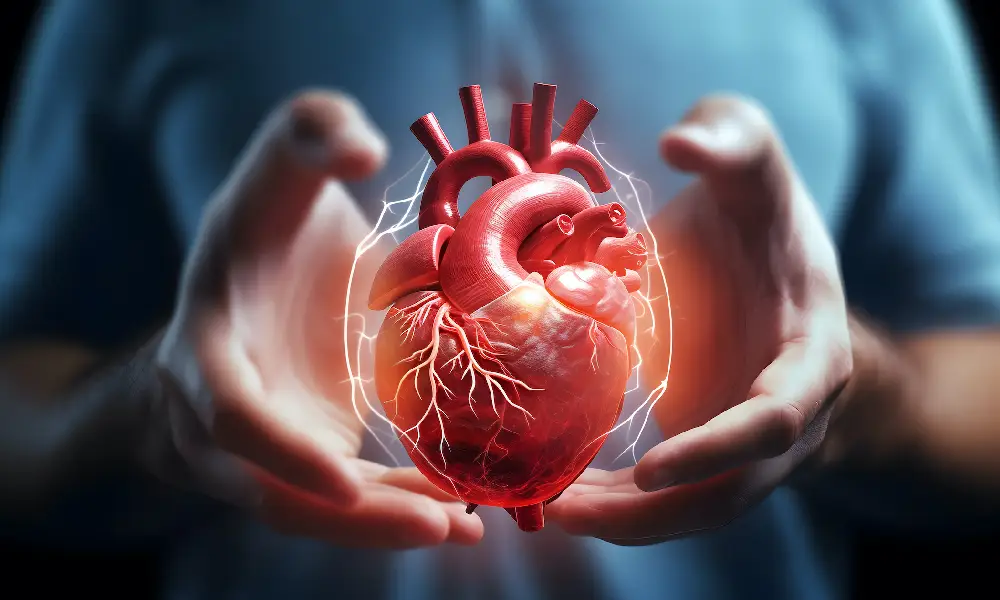 10 effective ways to maintain heart health and prevent cardiovascular diseases
02
April
10 effective ways to maintain heart health and prevent cardiovascular diseases
02
April
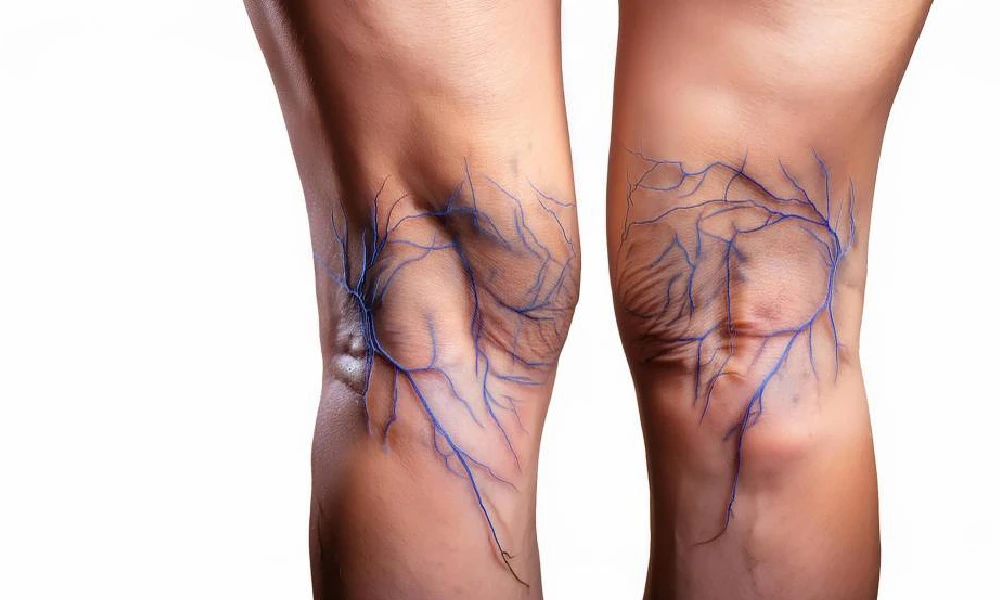 introduction of several home treatment methods for varicose veins
07
D
introduction of several home treatment methods for varicose veins
07
D
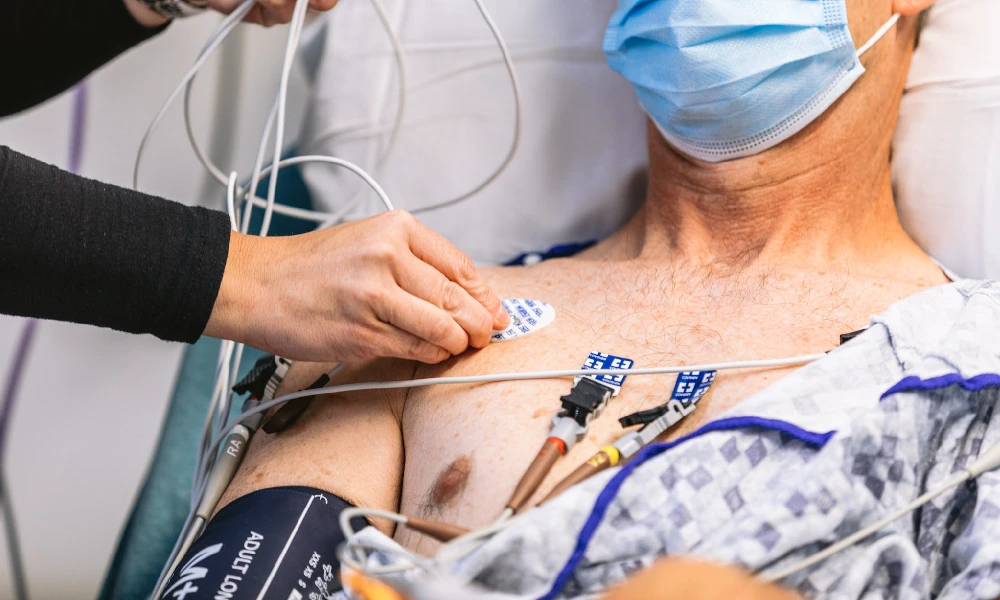 Preparation before taking an ECG; Should we be fasting to take an ECG?
07
D
Preparation before taking an ECG; Should we be fasting to take an ECG?
07
D
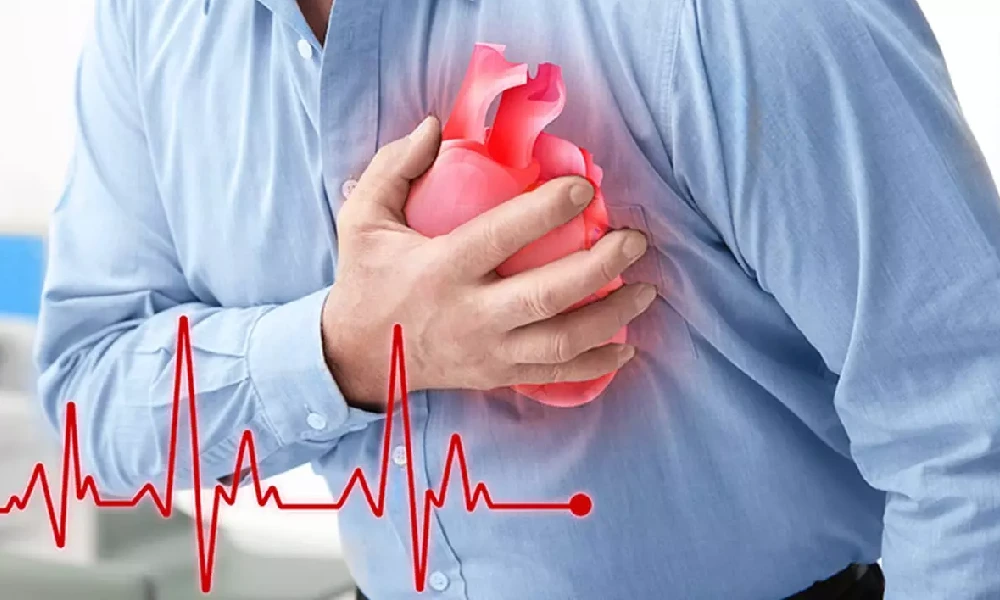 The least dangerous methods of treating coronary artery occlusion
07
D
The least dangerous methods of treating coronary artery occlusion
07
D
 3-day apple weight loss diet
07
D
Your comments
0
0
votes
Article Rating
Subscribe to
Login
0 Comments
the oldest
the most recent
The most votes
Feedback (Feedback) inline
View all comments
3-day apple weight loss diet
07
D
Your comments
0
0
votes
Article Rating
Subscribe to
Login
0 Comments
the oldest
the most recent
The most votes
Feedback (Feedback) inline
View all comments





