
خونریزی پس از نزدیکی یکی از مسائل نسبتاً شایع در میان بانوان است که میتواند نگرانی زیادی ایجاد کند. In most cases, this condition is caused by simple and treatable reasons, but sometimes it can be a sign of a problem in the reproductive system. Knowing the possible causes of bleeding after sex helps to make a correct diagnosis and choose the right treatment. In this article, we review the various causes of this condition, medical examination methods, and prevention strategies. For accurate assessment and appropriate treatment, it can be helpful to refer to Dr. Mahshid Karimi gynecologist.
reasons of bleeding after intercourse
The causes of bleeding after intercourse are very diverse and can be from simple and temporary factors to more serious diseases. Knowing the exact cause plays an important role in choosing the right treatment method. In the following, we will fully examine the main reasons for this situation.
vaginal dryness
Vaginal dryness is one of the most common causes of bleeding after sex. When the natural secretions of the vagina decrease, the friction increases during intercourse and this issue may cause scratches or surface tears in the vaginal wall. Decreased vaginal moisture is usually seen during menopause, breastfeeding, taking antidepressants, birth control pills or even high stress. Using lubricating gels and maintaining sufficient stimulation before intercourse can prevent this problem.inflammation or infection of the vagina (vaginitis)
Fungal, bacterial or viral infections can cause inflammation, redness and sensitivity of the vaginal wall. In such a situation, any kind of contact or pressure may cause slight bleeding. Vaginitis is usually accompanied by symptoms such as burning, itching, abnormal secretions and unpleasant odor. Timely treatment with antifungal drugs or antibiotics can prevent the continuation of damage and bleeding.
Inflammation of the cervix (cervicitis)
Cervix may also become inflamed due to infection or irritation. This inflammation, which is called cervicitis, is another common cause of bleeding after intercourse. Sexual infections such as chlamydia, gonorrhea or human papilloma virus (HPV) are the main causes of cervical inflammation. In case of timely diagnosis, drug treatment and sexual hygiene can prevent the progress of infection.
Cervical polyp or ulcer
Cervical polyps are benign and small masses that are caused by abnormal growth of cells. These lumps are usually painless, but due to direct contact with the penis during intercourse, they may bleed.
Cervical wound is also caused by Chronic infections or frequent irritations are another possible cause of bleeding after intercourse. Treatment in these cases is usually done with simple methods such as medicine or cauterization (burning the surface of the wound).

Rough intercourse or without sufficient preparation
In some cases, rough or unstimulated sex can lead to tears or superficial scratches in the vaginal tissue. These types of injuries are often associated with pain, burning or discomfort in the following days.
hormonal changes or disorders
Changes in the level of estrogen and progesterone hormones during certain periods, such as perimenopause, after childbirth or when taking hormonal drugs, can cause thinning of the vaginal tissue and increase the possibility of bleeding. In these cases, the use of topical estrogen treatments under the supervision of a doctor may be useful.
wounds or physical damages
In some cases, bleeding after intercourse, using sex tools or intercourse in inappropriate positions can cause damage to the internal tissue of the vagina or cervix. These injuries sometimes appear as mild and sometimes severe bleeding and may require a doctor's examination.
presence of genital warts or HPV infection
Some types of human papilloma virus (HPV) cause genital warts in women or tissue changes in the cervix. they become In this case, contact during intercourse may lead to bleeding. Regular examination with pap smear test and HPV vaccination are among the best ways to prevent problems caused by this virus.
more serious diseases like cervical cancer
In rare cases, bleeding after intercourse can be one of the early symptoms of cervical cancer. This disease is usually painless or obvious in its early stages and can only be detected with regular screenings.
Warning sign in reasons of bleeding after intercourse that you should take seriously!
Bleeding after intercourse is not always alarming, but in some cases it can be a sign of a serious problem. If the bleeding after intercourse is heavy or repeated several times in a row, it should be taken seriously. This condition may be related to polyps, ulcers or abnormal changes in the cervix. Symptoms such as:
- pelvic or lower abdominal pain
- Abnormal secretions or unpleasant smell Spotting during menopause
- Weakness, dizziness or feeling tired
Required examinations to diagnose the cause of bleeding after intercourse
To diagnose the cause of bleeding after intercourse, the doctor usually performs some simple and detailed tests to determine the source of the bleeding and its main cause. The most important of them are:
- Pelvic and vaginal examination: The doctor examines the vagina and cervix with a speculum in order to identify a possible wound, inflammation or polyp.
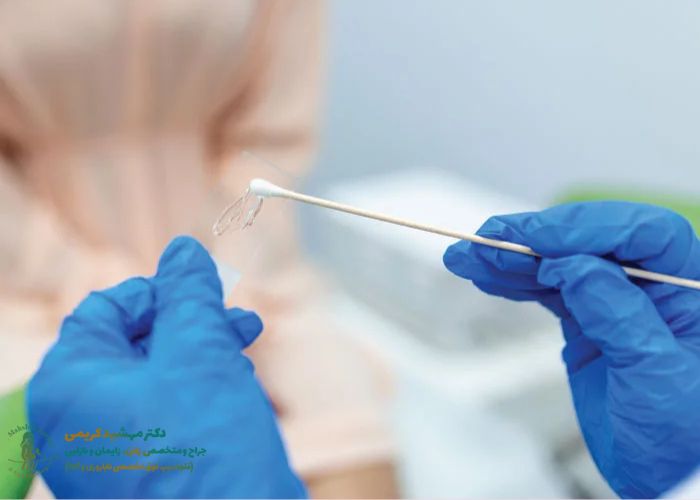
- Pap smear test: It is used to check cervical cells and detect abnormal changes or early signs of cancer.
- HPV test: If the human papillomavirus (HPV) is suspected, it is done to detect infection or genital warts.
- Testing for sexually transmitted infections: Sampling of vaginal discharge is done to detect diseases such as chlamydia and gonorrhea.
- Pelvic ultrasound: It is used to check the uterus, ovaries and the presence of cysts or polyps in the reproductive system.
- Colposcopy: If suspicious changes are observed in the pap smear or cervix, the doctor examines the details of the tissue with magnification.
treatment of bleeding after intercourse
The treatment of bleeding after intercourse depends on its main cause and is determined by the doctor after examination. The most important treatment methods are:
- Treatment of vaginal dryness: Using lubricating gels or topical estrogenic creams to reduce friction and dryness.
- Treatment of infections: use of antifungal drugs or antibiotics in case of vaginal or sexual infection.
- Cervical polyp or wound treatment: Removal of polyp or wound treatment with medicine and simple methods such as cauterization.
- Sexual behavior improvement: Being gentler in the relationship, using a lubricant and having enough preparation before intercourse.
- Regulating hormones: In cases caused by hormonal changes, use hormonal treatments under the supervision of a doctor.
Finally, timely diagnosis and treatment under the supervision of a gynecologist prevents the occurrence of more serious problems.

Is bleeding after intercourse dangerous?
Bleeding after intercourse is not always alarming, but in some cases it can be a sign of a serious problem and requires medical attention. Heavy or frequent bleeding, accompanied by pelvic or lower abdominal pain, abnormal or foul-smelling discharge, menopausal bleeding, or bleeding accompanied by weakness and dizziness are warning signs and should be taken seriously. On the other hand, light bleeding during first sex or early marriage often occurs due to a torn hymen, vaginal dryness, or rough sex, and is usually temporary and harmless.
final speech
Bleeding after intercourse is a relatively common phenomenon and in many cases it has simple and treatable causes. However, repeated bleeding, its intensity or accompanied by pain and abnormal discharge can be a sign of more serious problems. Knowing the possible causes, performing the necessary examinations and tests and following the treatment under the supervision of a gynecologist is the best way to prevent complications and maintain the health of the reproductive system.