
The cause of tooth decay - symptoms, methods of prevention and treatment

Dr. Mehdi Ali Babaei
TehranDentist
What you need to know about the stages of tooth decay
Dr. Mehdi Ali Babaei > Blog > Weblog > What you need to know about the stages of tooth decay
- August 3, 1402
- dr.alibabaei
- Views: 0
- blog
Tooth decay has various causes. Certain types of food wear down your teeth. The more these foods stick to the surface of your teeth, the more acidic your mouth becomes and eventually leads to cavities. When this happens, tooth decay begins and damages tooth enamel in five different stages.
If left untreated, tooth decay will damage your teeth and gums to the point where the only real treatment is nerve removal a root canal or tooth extraction. To learn more about tooth decay, how it progresses and how to treat it, stay with us at the best dental clinic in West Tehran until the end of this article.
What is tooth decay?
Table of Contents
Tooth decay occurs when foods high in carbohydrates such as fruits, candy, bread, or milk stick to the surface of your teeth. Then, the bacteria in the mouth digest these pieces of food and turn them into acid, and as a result, plaques are created on your teeth. Since plaque is acidic, it can dissolve the enamel coating and create holes called cavities in them.
What are the symptoms of tooth decay?
Symptoms of tooth decay include:
- Sudden toothache, especially when drinking or eating cold, hot or sweet things.
- Dark spots on your teeth
- Pain when biting
- Cavities, also known as caries.
Five stages of tooth decay
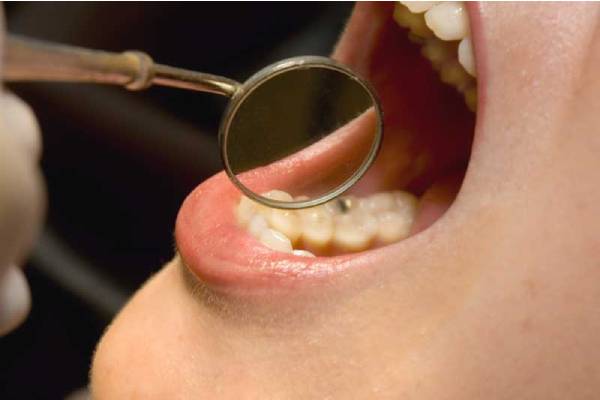
Over time, tooth decay progresses through five stages. Here we take a look at each step.
- Demineralization
In the first stage of tooth decay, the outer layer of the tooth (enamel) begins to weaken due to the presence of plaque. Tooth enamel is the hardest substance in the body, even harder than your bones. However, the acid produced by plaque can demineralize and weaken tooth enamel.
As demineralization begins, you will likely begin to see white spots on your teeth. This is where plaque begins to erode your tooth enamel. You can reverse the damage caused by plaque by using more fluoride mouthwash or getting fluoride treatment from your dentist.
- Enamel decay
If you allow your tooth enamel to continue to break down, the white spots will start to turn brown. Now, you've reached the second stage of tooth decay, when the enamel starts to break down and cavities start to form.
Important note:
To prevent cavities from getting bigger, you need to fill your teeth. Your dentist will remove the decayed part of the tooth and fill the hole with resin, gold, silver amalgam, or ceramic.
- dentine caries
If your cavities are not filled in time, your dentin may also end up being damaged. Dentin is the part of the tooth that is under the enamel. It is softer than tooth enamel and is much more sensitive to acid damage.
If you do not go to the dentist, tooth decay will increase rapidly from this stage onwards. You will know that you are in the third stage of tooth decay when you feel extreme sensitivity of your teeth when you drink hot or cold drinks, especially sweet ones, and also when you eat.
If tooth decay is detected early, it can be fixed with filling. If significant damage has occurred, your dentist will likely remove the decayed portion of your tooth and place a crown over the remaining tooth structure.
- damaged pulp
The pulp is the layer below the dentin. This is the lowest part of your tooth and contains the blood vessels and nerves that hold the tooth in place. When tooth decay spreads to the pulp, your tooth may begin to swell. Pressure begins to build up because your tooth cannot expand with the pulp, causing pain. The final stage of pulp damage involves pulp death, also known as pulp necrosis.
When the pulp is destroyed, you may experience the following symptoms:
- The tooth color changes from white to gray and black.
- Teeth bad breath.
- Swelling around the teeth
- Unpleasant taste in the mouth
To treat the damaged pulp of your tooth, you must have a root canal. During the procedure, your dentist will remove the damaged pulp, fill the cavity, and place a protective crown on the tooth.
- Abscess formation
In this final stage of tooth decay, bacteria invade the decaying pulp, which typically leads to infection. Eventually, an abscess may develop at the end of your tooth, causing severe pain that can spread to the rest of your mouth, gums, face, and jaw.
If a root canal doesn't do the trick, you may need to pull the tooth to prevent the infection from spreading to your jawbones or other parts of your head. You may also need to take antibiotics to kill the bacteria.
How to prevent tooth decay?
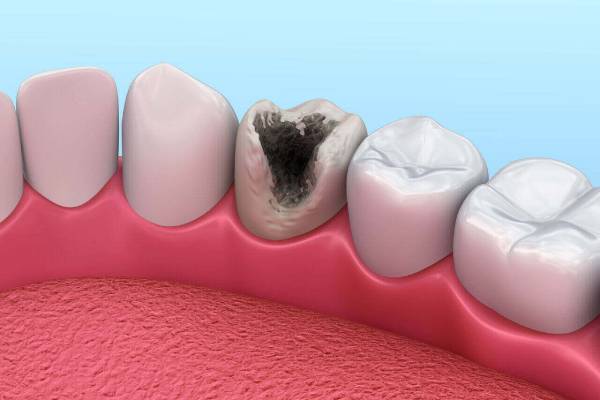
Prevention of tooth decay starts with stopping the accumulation of plaque. You can do this:
- Brush your teeth at least twice a day with fluoride toothpaste
- Brush and floss your teeth every time you eat something sticky, acidic, or high in carbohydrates, especially chocolate and citrus fruits.
- Using interdental cleaners and dental floss to get rid of as much food residue as possible
- Using fluoride mouthwash at least once a day to remove plaque
- Ask your dentist about using dental sealants on your molars to protect them from decay.
- drinking fluoridated water
- Visit your dentist at least once a year for examination and oral cleaning.
- If you want to prevent tooth decay, it is important to watch what you eat. Avoid drinking acidic carbonated drinks and avoid eating sweet and sticky snacks such as candy and caramel.
- If you eat these foods, be sure to brush your teeth immediately after eating them. The longer you stay without brushing your teeth after eating these types of foods, the more likely you are to develop tooth decay.




