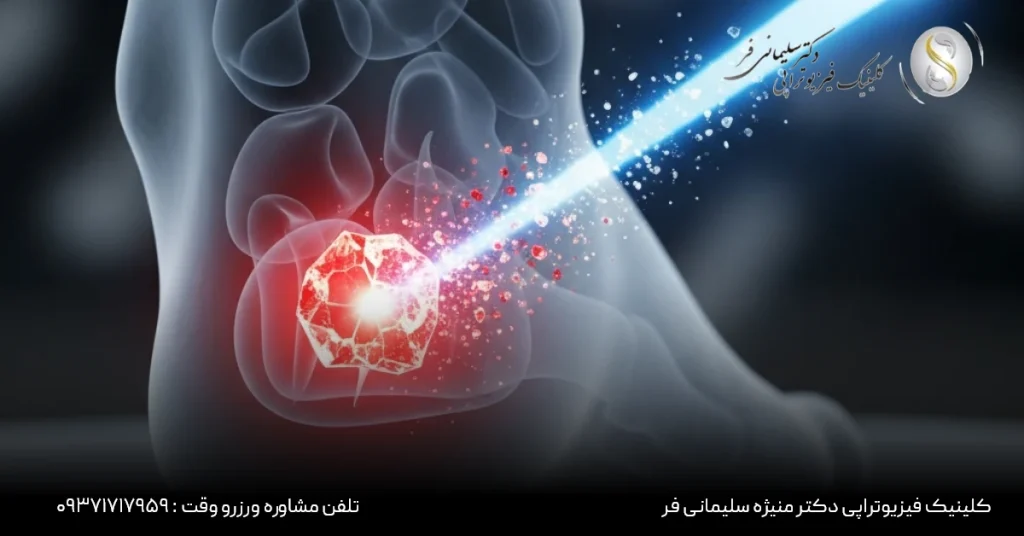
درد پاشنه پا نباید به بخشی دائمی از زندگی شما تبدیل شود. If you feel a sharp and persistent pain in the bottom of your foot, you may be dealing with a condition called "heel spur". This small bony appendage can have a big impact on your comfort and mobility. But what is the solution?
Fortunately, you no longer need to think only about rest or aggressive methods. By offering a series of powerful and non-invasive treatments, from targeted exercises to advanced technologies such as laser and shockwave, modern physiotherapy has provided an effective way to relieve pain and treat the root of this problem. In the continuation of this article from Physiotherapy Dr. Soleimanifar, join us to learn about these new treatment methods and how to return to a pain-free life.
What is a heel spur?
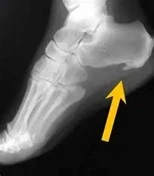
Heel spur is a type of bony growth in the heel part that causes discomfort and pain in the sole of the foot, this condition develops over time. Most of them are not diagnosed until they feel pain.
The size of this bony appendage can reach 2 cm, but it is not always visible to the naked eye. It is often diagnosed through imaging tests or tests done to diagnose other foot problems.
Symptoms of heel spurs
Symptoms of this complication usually include the following:
- Pain (especially when walking or running)
- Inflammation
- Swelling in the front of the heel
Complications of heel spurs
-
Undoubtedly, walking disorder is the most important complication of this disease. The pain caused by the heel spur makes you not have a good posture while walking. This, in turn, puts pressure on the spine and can cause other problems.
The cause of heel spurs
Deposition of calcium mineral in the heel over a few months causes bone protrusion in this area. This problem occurs when there is a lot of stress and pressure on the ligaments and ligaments of the soles of the feet.
Heel spurs do not appear suddenly after a workout or sporting event, but rather repeated pressure from walking, running, or jumping on hard surfaces. For this reason, it is common among highly active athletes. Wearing inappropriate or old shoes also plays a role in creating this bone appendage. Other possible reasons include:- Arthritis (joint diseases)
- Obesity and overweight
- Increasing age that reduces the flexibility of the sole of the foot
- standing for a long time
- intense exercises
- Improper shoes
Given that several reasons such as overweight, inappropriate shoes or foot structural problems can contribute to the occurrence of heel spurs, accurate diagnosis of the main cause is necessary to choose the best treatment approach. In such a situation, a consultation with a Physiotherapy specialist in Karaj can be the first step to fully evaluate the foot condition and design a personalized treatment plan for the residents of Karaj.
Physiotherapy treatment for heel spurs
stretching exercises:
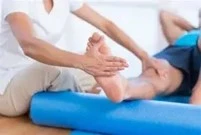
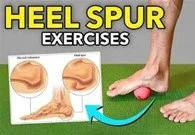
These exercises are designed to stretch the muscles of the sole of the foot (plantar) and calf muscles to reduce the tension on the heel area. Stretching the Achilles tendon and plantar fascia increases flexibility and reduces pressure on the heel spur.
strengthening exercises:
The physiotherapist prescribes exercises that help strengthen the muscles of the soles of the feet and legs. These exercises improve leg stability and reduce pressure on damaged structures.
Manual treatments and massage:
Massage therapy and manual techniques can reduce muscle tension and improve blood flow to the injured area, which speeds up the healing process.
Use of medical insoles:
The physiotherapist may recommend the use of medical insoles that help distribute the pressure evenly on the foot.
These techniques combined can reduce the effects of heel spurs and help in healing.
Shockwave Therapy (ESWT)
One of the best solutions is to use shock wave therapy. The shock wave therapy device using ultrasonic waves (Ultra Sonic) offers an effective treatment to solve this problem. Shockwave waves cause microscopic tears in the relevant tissue as a result of a strong impact, causing an increase in tissue capillaries and the transfer of reparative cells from the body to the damaged area. In this way, the process of repair and recovery in the relevant tissue is activated.
Use of electrical stimulation
Surface electrical stimulation such as tennis and ultrasound also reduce pain, inflammation and increase blood supply in the lesion site
Use of high power laser
In the treatment of heel spurs with a high-power laser, the energy of the laser light helps the body to reduce the pain naturally. This light causes the release of endorphins, which are the body's natural pain relievers and help relieve pain.
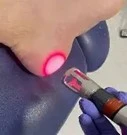
Also, the laser increases blood flow and enhances the drainage of lymphatic fluids, which helps reduce swelling and inflammation around the heel spur.
The high-power laser also stimulates the production of collagen and proteins necessary for the repair of damaged tissues and helps to heal the plantar fascia and surrounding tissues faster.
Dry needling:
A technique in which very thin needles are used to stimulate specific muscle and soft tissue points, which can help reduce pain and improve muscle function.
Use of electric acupuncture or electroacupuncture
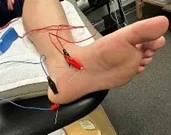
Electroacupuncture is the penetration of electric current and its stimulation by means of a special electroacupuncture device and needle, which improves the pain and discomfort caused in the foot and heals heel spurs.
Heel spur surgery
According to research, 90% of patients recover within 10 months without the need for surgery. However, if the usual methods to treat this condition are not useful, the doctor uses surgery to remove the bone growth.Full recovery after surgery takes time. Observing the following tips during the recovery period will help you recover faster:
- resting the feet
- Using a cold compress
- Use of support equipment
Conclusion
Physiotherapy for the treatment of heel spurs is an effective and non-invasive method that helps reduce pain, increase flexibility and improve foot function. Using a combination of stretching exercises, strengthening and manual techniques such as massage and physical treatments such as ultrasound and low power laser, this method can reduce the pressure on the heel area and accelerate the healing process.
With strict adherence to physical therapist exercises and guidance, many patients experience significant improvement without the need for surgery or other invasive procedures.