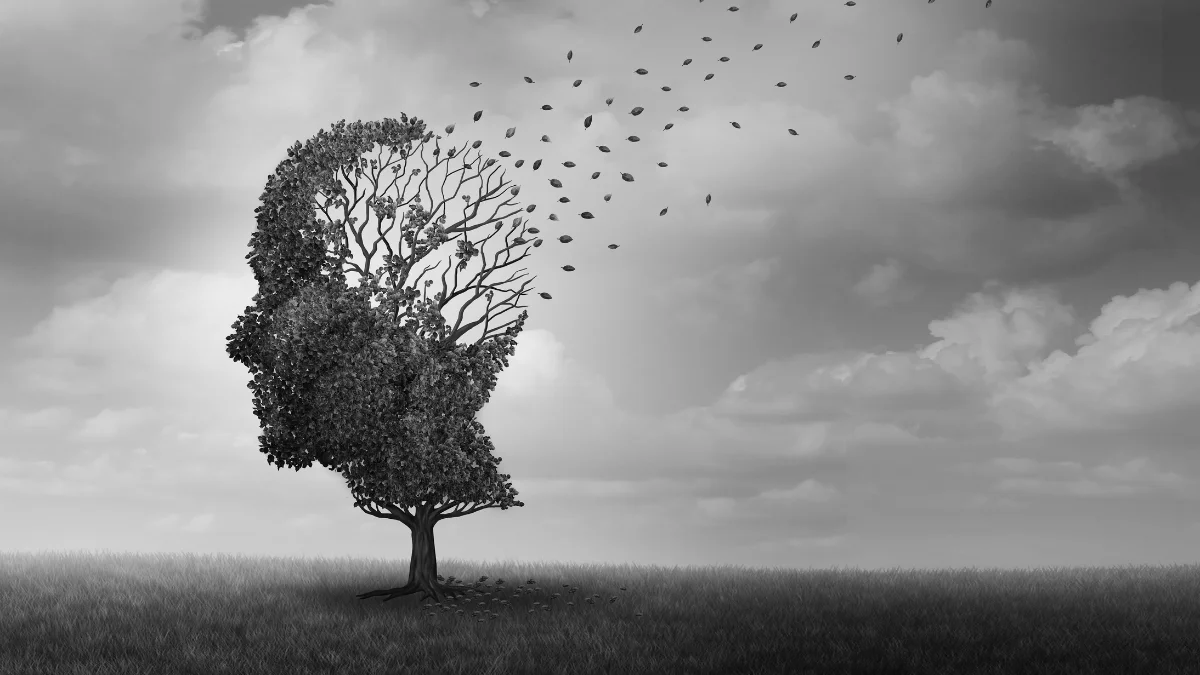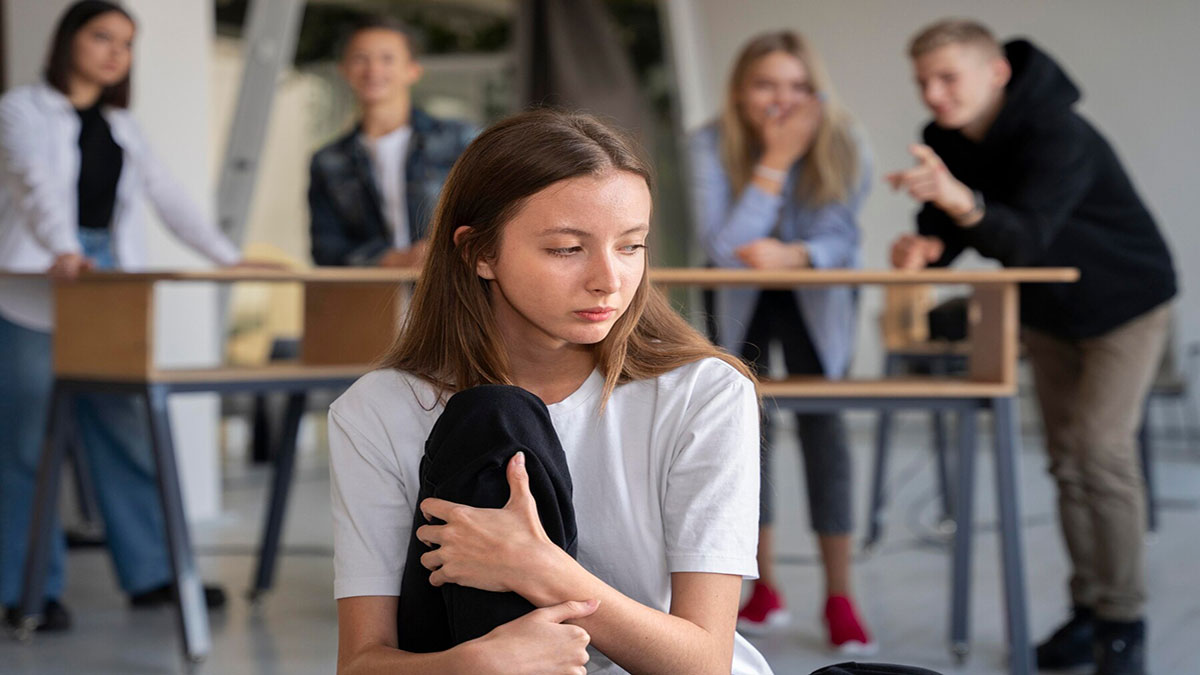


اضطراب اجتماعی نوعی ترس شدید از حضور در موقعیتهای اجتماعی به شمار میآید و در صورت عدم درمان میتواند زندگی روزمره افراد را تحتالشعاع قرار دهد. This fear is associated with the worry of being judged, ridiculed and saying inappropriate sentences in different groups. But fortunately, there are ways to treat and reduce this mental disorder in people.
These strategies include performing a series of exercises with a psychotherapeutic approach and modifying behavioral patterns, which we are trying to investigate better and more in this article. If you are also looking for a way to treat social anxiety disorder, stay with us until the end.
What is social anxiety?
According to the statements of the American Psychological Association APA medical website, social anxiety or so-called social phobia Social anxiety disorder is actually a type of anxiety disorder that manifests itself with a strong and continuous fear of being in social situations. This fear can be so severe that it creates disturbances in people's daily life. People with social anxiety are always worried that they will be negatively judged by others in social situations or show embarrassing behavior.
Imagine when you're at a party and you want to meet someone new, but you're so afraid that you'll say something that sounds ridiculous! Or, for example, you have to attend a business meeting and present a topic, but just thinking about it makes you feel nauseous and dizzy. These are actually small examples of the impact of social anxiety on people's lives. In the following, we will provide some other examples.
The difference between social anxiety and shyness and normal stress
Based on scientific statements on the Mayo Clinic website, it is interesting to know that, contrary to popular belief, social anxiety, shyness and stress are three concepts related to each other. But there will also be differences. Social anxiety should be considered a mental disorder that, as we mentioned, is associated with the fear of being weird or being negatively evaluated by others. People who suffer from this disorder always avoid social situations and when faced with them, they will experience intense stress and anxiety.
But being shy is known as a personality trait and refers to the feeling of not being comfortable in different social situations. Shy people may feel uncomfortable in public, but this feeling is not as severe as social anxiety and will usually be manageable.
Stress, however, is considered a natural response to the pressures and challenges of life. Stress can be caused by various factors such as work, education or type of relationships. Keep in mind that stress can also show itself in social situations, but this does not mean fearing the judgments of others.
Some examples for better understanding
A shy person may feel uncomfortable at a large party and tend to stand against the wall or join smaller groups. He may be hesitant to talk to new people, but in general, with a little effort, he can put himself in different social situations and enjoy them.
On the other hand, there are people who struggle with social anxiety and even refuse to participate in parties. These people may worry that others will judge them or misinterpret them in conversations. This concern can become so severe that the person refuses to enter public places or interact with others.
For example, a shy person may feel unable to speak easily in a business meeting. But if asked to speak his mind, he might do well with a little encouragement. While a person suffering from social anxiety may even refuse to attend work meetings and put his job position at risk due to the fear of judgment and negative evaluations.
Do you also suffer from social anxiety? (Investigation of behavioral and emotional signs of social anxiety)
On this topic, it is said on the National Institute of Mental Health (NIMH) medical website: nimh.nih.gov that experiencing a feeling of embarrassment or discomfort in certain situations alone is not a sign of social anxiety disorder. The level of comfort in social situations will vary depending on personality traits and life experiences. Some people are naturally quiet and conservative, while others are sociable and warm! Unlike everyday feelings of anxiety and anger, social anxiety disorder includes fear, withdrawal, and anxiety that will affect relationships, jobs, studies, or other activities.
Some of the emotional and behavioral signs and symptoms of this disorder are as follows:
- Feeling of fear of negative judgment from others;
- feeling of worry and shame of being humiliated by others;
- Extreme fear of communicating or talking to strangers and new people;
- Worried about appearing anxious;
- Fear of physical symptoms such as reddening of the face, profuse sweating, hand tremors or voice tremors;
- Avoid being noticed.
Sometimes, physical signs and symptoms are also associated with social anxiety disorder and can cause the following symptoms:
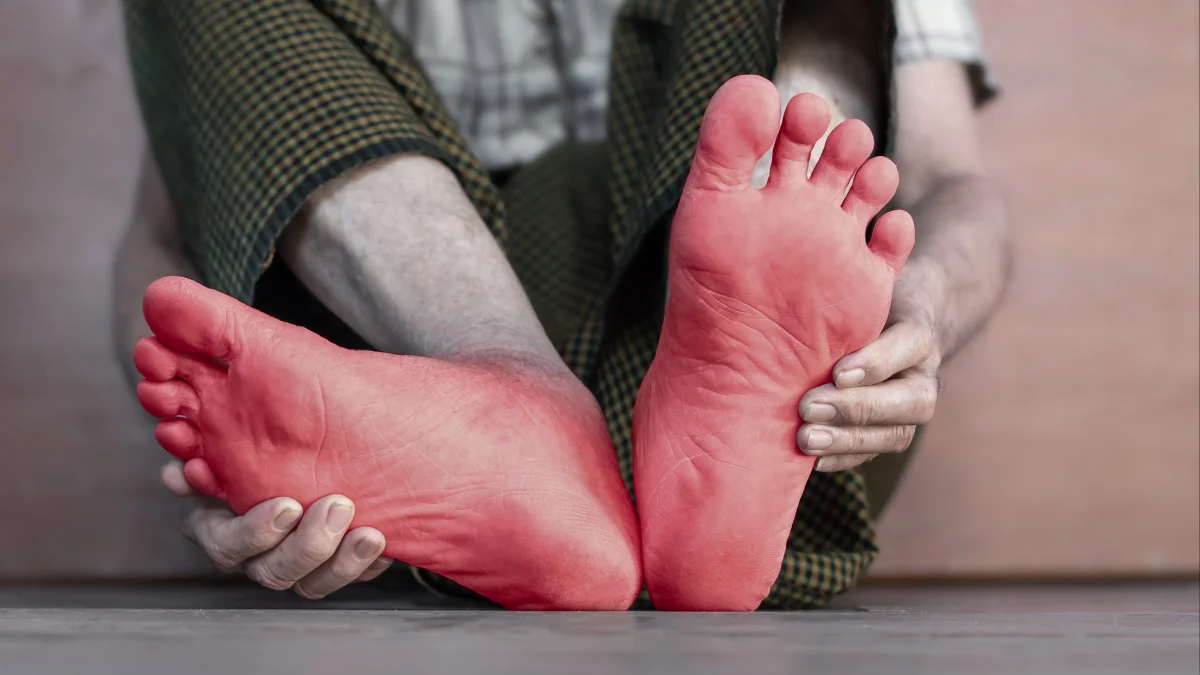
- red face due to great embarrassment;
- Increased heart rate;
- Trembling and sweating hands;
- Pause or nausea;
- occurrence of problems in the respiratory system;
- experience of dizziness or lightheadedness and black eyes;
- feeling of clearing the mind;
- muscle tension experience.
If you are also facing a combination of these symptoms, it is better to visit a mental health specialist at the right time and take action to treat social anxiety and deal with the damage caused by it.

How can I deal with social anxiety?
Fortunately, today there are many ways to deal with social anxiety. In this section, we will refer in detail to the solutions provided on the Journal of Anxiety Disorders medical site: journals.elsevier.com/journal-of-anxiety-disorders.-
Accurate identification of negative thoughts
The first important step to deal with social anxiety is to identify the negative thoughts that come to your mind in social situations. For example, you might think, "I look tired!" Or "People keep making fun of me!". For this, it is better to write negative thoughts on paper and challenge them. For this, ask yourself questions. Questions such as: "Is this thought really true?" Or "What evidence do I have to prove this thought?"
-
Change in attitude style
Keep in mind that the way you view yourself and others can have a great impact on social anxiety. Therefore, try to strengthen a positive and realistic attitude in yourself. Instead of focusing on your weaknesses, insist on your strengths.
-
Practice for exposure
One of the most effective ways to treat social anxiety is to gradually face situations that are considered scary for you. Start with easier situations and gradually move towards difficult situations. For example, if you are afraid of speaking in public, first practice with your close friends and then try it in a small group.
-
Learn communication skills
Appropriate and standard communication skills can help you feel more comfortable in different social situations. Some of these skills include active listening, making eye contact, using appropriate body language, and expressing emotions clearly.
-
Practice deep breathing
Deep breathing will always help you to keep calm in anxious moments. When you feel anxious, take a few deep breaths and focus on your inhalation and exhalation. For example, in non-normative situations to combat social anxiety sit or lie down in a quiet place. Close your eyes and breathe slowly through your nose. Fill your stomach with air and then slowly let it out through your mouth.
-
Exercise regularly
Regular exercise will help you to maintain your physical health and reduce anxiety and stress. Try to devote at least 30 minutes to exercise on average every day.
-
Eating a healthy diet
It is interesting to know that healthy nutrition plays a key role in your mental health. For this reason, it is recommended to eat healthy and nutritious foods and avoid eating processed foods and sweets. Consuming fruits, vegetables, whole grains and lean proteins can guarantee your mental health.
-
Get enough sleep
Sufficient sleep is essential for a healthy body and mind. Try to get 7 to 8 hours of sleep every night. For this, set a certain routine and go to bed at a certain time every night and wake up at a fixed time. Also, avoid caffeine and alcohol before going to sleep, and avoid working on the computer or mobile phone.
-
Cut out caffeine and alcohol
Alcohol and caffeine will aggravate the symptoms of social anxiety. Try to avoid or limit the consumption of these substances. Instead of coffee or soda, use herbal tea or fruit juice.
-
Use relaxation techniques
Relaxation techniques can help you reduce stress and anxiety. Therefore, to reduce anxiety, you can use relaxation techniques such as meditation, yoga, massage or listening to soothing music.
If this disorder is severe in you and challenges your daily life, the best way to treat social anxietyrefer to a psychologist or counselor. Experts in this field will help you identify and change negative thoughts and behaviors and learn skills to deal with anxiety.
-
Participate in group therapy
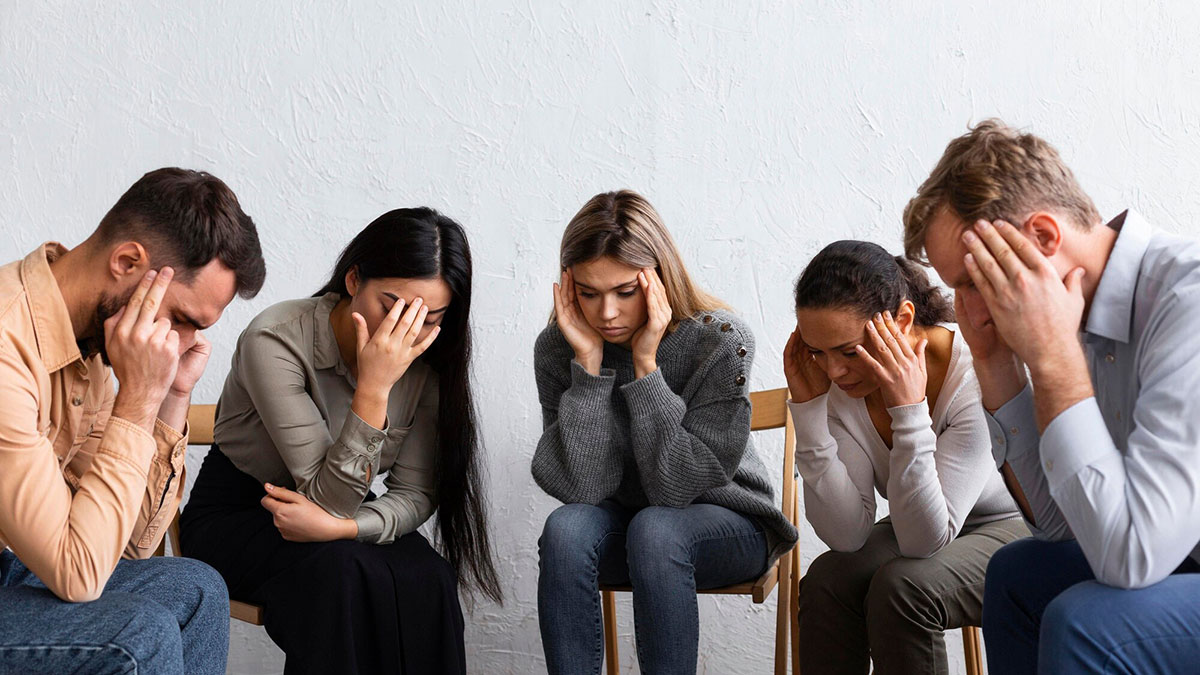
Group therapy allows you to connect with other people who suffer from this disorder and use their experiences to take control of your condition. By participating in these types of groups, you can also improve your social skills.
-
Drug therapy
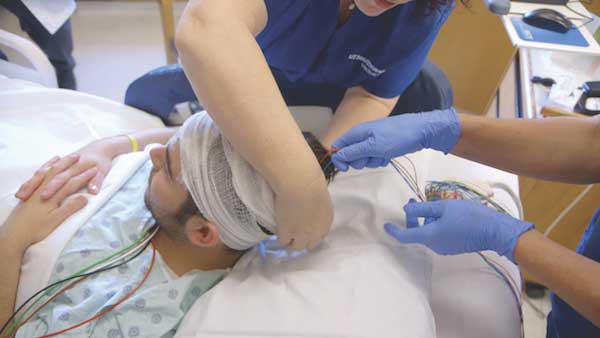
Of course, in some cases the psychiatrist may use drugs such as serotonin reuptake inhibitors (SSRIs) or benzodiazepines to deal with social anxiety. Drug therapy must be done under the supervision of a psychiatrist; Because it may have dangerous side effects. The use of RTMS technology provides a new opportunity to reduce the symptoms of social anxiety through targeted magnetic stimulation of the brain.
-
Accept yourself
-
Be patient and persevere
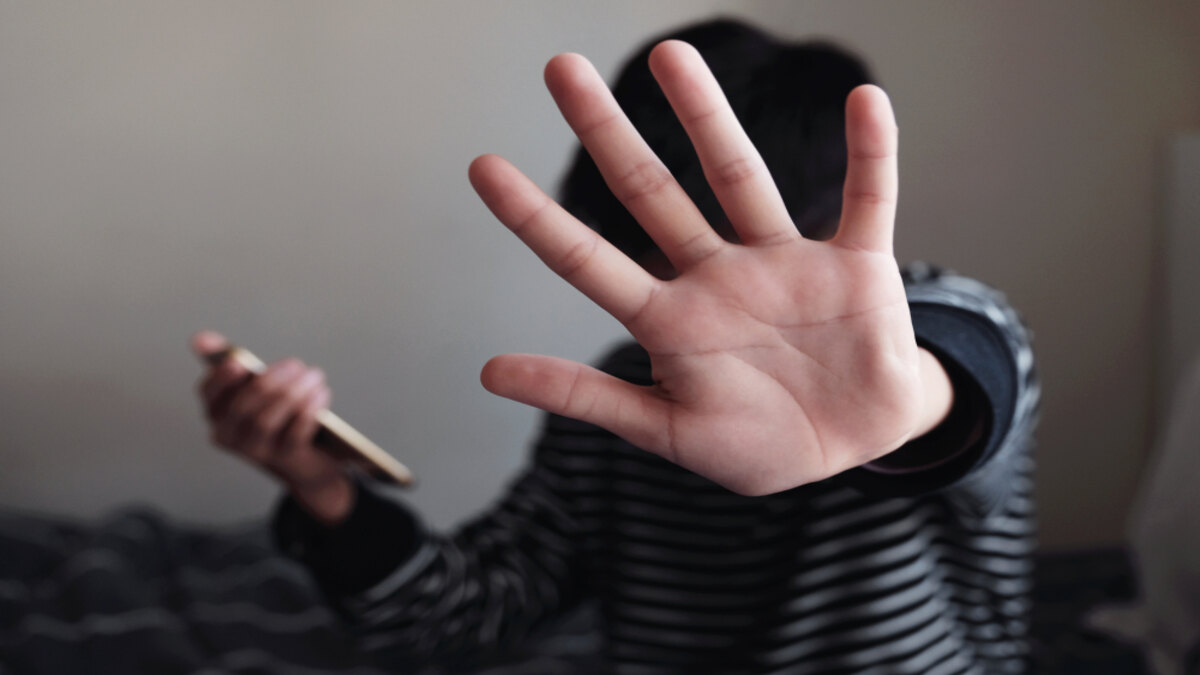
Methods to deal with social anxiety in children
In order to reduce social anxiety in our children, we need to help them by explaining what to expect in certain situations. For example, it is very important to prepare these children for attending parties and school. Also, talking directly about fears and teaching relaxation strategies such as deep breathing and exercise will be very helpful.
Encouraging the child to communicate with others and practice speaking in public will also help him feel better. Keep in mind that replacing negative thoughts with positive thoughts and teaching problem-solving skills are other key solutions that make the child appear in social situations without avoidance.
To deal with social anxiety in children, you can use sincere communication, empathize with their feelings and focus on progress instead of perfectionism in your interaction with the child.
Methods to deal with social anxiety in teenagers
The treatment of social anxiety in teenagers will require the use of various approaches. Because each person has his own characteristics and history. Therefore, effective treatment includes the use of psychotherapies and drug therapies. One of the most common methods of treating social anxiety in teenagers is cognitive behavioral therapy (CBT), which focuses on negative thoughts and unhealthy behaviors.
This therapy will help your teen better understand the connection between his thoughts, feelings, and behaviors and be able to deal with fears. Also, exposure therapy teaches teens to put themselves in fearful situations and face their anxieties. This method ultimately helps reduce anxiety and teaches your child how to tolerate and manage the anxiety caused by this presence.
On the other hand, drug therapy can also be useful in cases where there is significant functional impairment. Medications such as selective serotonin reuptake inhibitors (SSRIs) and benzodiazepines may be prescribed, but are not usually considered the first line of treatment and should be taken under the supervision of a specialist psychiatrist.
Methods to deal with social anxiety in young people
Combating social anxiety in young people requires the use of a combination of psychological and behavioral methods. In this section, we will provide some effective solutions to manage this disorder:
- Using Cognitive Behavioral Therapy (CBT): This treatment method will help you in individual counseling sessions to identify and change your negative and irrational thoughts regarding being in social situations.
- Exercise social skills: In this context, strengthening communication skills through training in low-pressure environments can help increase self-confidence.
- Use exposure practice: It is best to gradually introduce yourself to social situations to experience less social anxiety over time. Of course, this exercise requires patience.
- Social support: Communicating with trusted people and talking about your feelings can help reduce anxiety and increase your sense of security. In family counseling sessions, you can ask your parents to be with you on this path.
Finally, when a person uses the exercises and tips provided, he can effectively cure his social anxiety and dramatically strengthen social relationships and the ability to be in different situations.
Conclusion
Social anxiety disorder is one of the challenges for many people in the society at different ages. A disorder that can affect the type and way of daily life of people and has personality damage. Therefore, finding ways to treat social anxiety disorder is a concern of people suffering from this disorder, and we tried to present practical things to you in this article. Keep in mind that accurate knowledge and awareness of any kind of disorder will make the path of its repair and treatment easier. We hope that the contents have been useful for you and have been taken into consideration.