درمان بیماری زنان، یکی از مهمترین شاخههای پزشکی است که اهمیت زیادی در حفظ سلامت جسمی و روانی زنان دارد. This broad field includes the diagnosis and management of various problems such as genital tract infections, hormonal disorders, uterine diseases and fertility problems. Dr. Fatemeh Alizadeh, a gynecologist and obstetrician, is one of the most experienced doctors in this field. In this way, awareness of symptoms, diagnosis methods and effective treatments is the key to achieving sustainable health for women.

Most common diseases of women
Women face many diseases during their life, some of which are more common and well-known. Among these diseases, we can mention vaginal infections, polycystic ovary syndrome, uterine fibroids, endometriosis, menstrual disorders, and urinary infections. Also, hormonal problems and breast diseases such as cysts or non-cancerous masses are common among women. Recognizing these diseases, being aware of their symptoms and following appropriate treatment, prevents the development of problems and the occurrence of serious complications.
For advice, contact the number below.
Warning symptoms of women's diseases
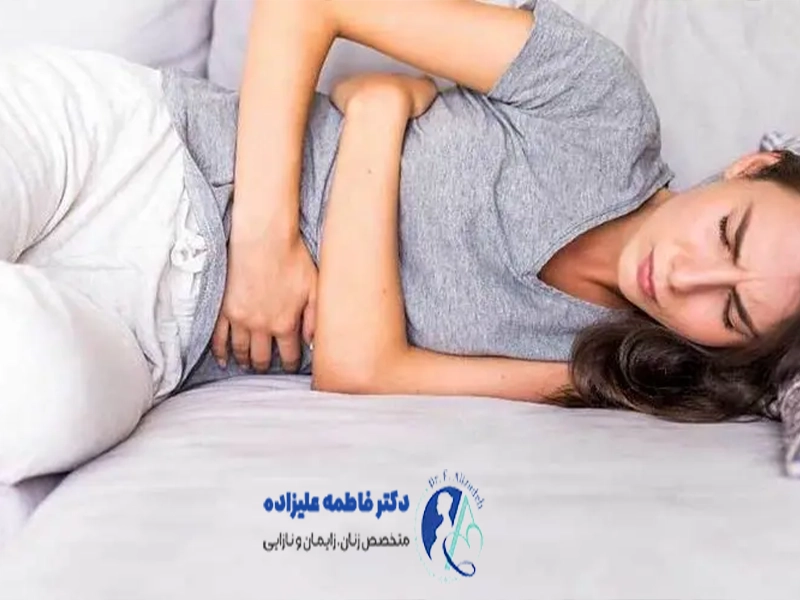
Some symptoms in women's bodies are signs of hidden diseases or important disorders that should not be ignored. The most important of these symptoms are chronic pelvic pain, irregular or very heavy periods, abnormal vaginal discharge, constant itching or burning in the genital area, pain during sex, chronic fatigue, abnormal changes in the breasts, and pain or burning during urination. Frequent or long-term occurrence of these symptoms is a warning for diseases such as infections, hormonal disorders, or even more serious diseases such as endometriosis or cancer.
diagnosis methods of women's diseases
Accurate and timely diagnosis of women's diseases is very important in the treatment and prevention of serious complications. The first step in this path is the clinical examination of the pelvis by a gynecologist, in which the condition of the vagina, cervix, uterus and ovaries is checked. One of the most common tests is the Pap smear test, which is used to identify abnormal cells in the cervix and prevent cancer. Also, blood tests are very useful to check the level of hormones, the presence of inflammation, anemia or signs of body infections. Ultrasound of the uterus and ovaries is used to more accurately diagnose diseases such as fibroids, cysts or polycystic ovaries. If there are suspicious symptoms such as a wound or mass in the cervix, the doctor recommends a biopsy (sampling) of the target tissue. The HPV test is performed to check the presence of the human papilloma virus, which is one of the main causes of cervical cancer.Laparoscopy is prescribed in more complicated conditions or for direct observation of internal organs of the pelvis. By making a small incision and inserting a camera, this method allows the examination of endometriosis, adhesions, or structural problems. Also, in some special cases, the doctor uses MRI or CT scan for more accurate diagnosis.
drug treatments for women's diseases
Treatment of many women's diseases is done using specialized drugs under the supervision of a doctor. Depending on the type of disease, the doctor uses antibiotics to treat bacterial infections of the vagina or urine. In cases such as hormonal disorders or polycystic ovaries, it is common to prescribe hormonal birth control pills or hormone regulating drugs such as metformin.
Anti-inflammatory drugs or pain relievers are effective in controlling chronic pelvic pain or painful periods. In certain conditions, such as large fibroids or advanced endometriosis, hormone-blocking drugs such as analogues are used to shrink the masses. The important thing is that arbitrary use of drugs is dangerous and any type of treatment should be done in consultation with a specialist doctor.
the role of nutrition in improving women's diseases
Healthy and balanced nutrition is important in maintaining women's health and improving many women's diseases. A proper diet helps regulate hormones, reduce inflammation, strengthen the immune system, and improve ovarian function. Consuming foods rich in antioxidants such as fresh fruits and vegetables, omega-3 fatty acids such as fish and walnuts, and high fiber are important recommendations in controlling diseases such as polycystic ovary syndrome, fibroids, and menstrual disorders.
Also, limiting the consumption of sugar, processed foods and saturated fats helps to reduce the symptoms of some women's diseases. Proper nutrition, along with medical treatments, is an important tool for prevention and better management of women's diseases.
importance of regular visits to gynecologists
Regular visit to a gynecologist is one of the most important ways to maintain physical health and prevent common diseases among women. Many problems such as infections, hormonal changes, cysts or even cervical cancer are asymptomatic in the early stages and can only be identified through periodic checkups and diagnostic tests.
Routine examinations such as pap smear, ultrasound of the uterus and ovaries, or hormone tests, help in early diagnosis and faster treatment of diseases. Even if you don't have any specific symptoms, it is very important to check your reproductive health, menstrual cycle and hormone status periodically.

prevention of common diseases of women
Prevention is always better than cure, especially in the case of common women's diseases, many of which can be controlled by following a few simple principles. Compliance with personal and sexual hygiene, healthy and balanced diet, stress management and regular exercise are the foundations of prevention. Using appropriate covers, regularly changing underwear and avoiding excessive use of detergents and deodorants in the genital area will prevent vaginal infections.
Also, periodic examinations, HPV vaccine and knowing the family history of diseases are very important in preventing diseases such as cervical or breast cancer. A healthy lifestyle, awareness and treatment of early symptoms reduce the possibility of many women's diseases.
Last word
Women's health is very important in the overall health of the family and society. Many women's diseases can be easily controlled or treated if diagnosed early and treated appropriately. Observance of personal hygiene, healthy eating, regular visits to a gynecologist and having a balanced lifestyle are among the most important prevention strategies. Remember that ignoring simple symptoms or being embarrassed to bring up women's issues will make the disease progress and treatment more difficult.





