Table of Contents
What are the symptoms of gastritis?
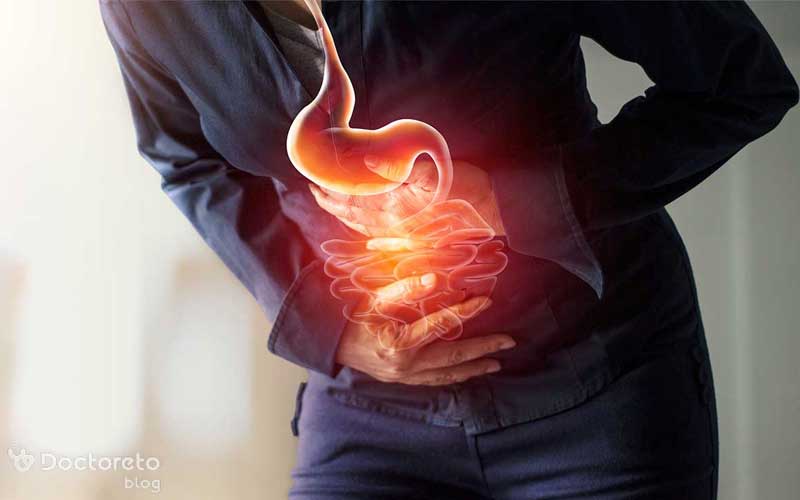
gastritis or gastritis is inflammation of the inner lining of the stomach, which can be acute or chronic, and the severity of its symptoms varies from mild to severe. These symptoms are usually caused by irritation or damage to the stomach lining and may worsen after eating, taking painkillers, or in stressful situations. Recognizing the symptoms of gastritis is very important, because if it persists or worsens, it can lead to complications such as stomach ulcer or gastrointestinal bleeding and requires medical examination and treatment. The common symptoms of gastritis are:
- Pain and burning: a feeling of pain or burning in the upper part of the abdomen, which may intensify after eating or in the fasting state
- Bloating and belching: feeling of fullness, accumulation of gas in the stomach and frequent belching, especially after meals
- Nausea and vomiting: mild to moderate nausea that is sometimes accompanied by vomiting and usually worsens after eating. Indigestion: feeling of discomfort, heaviness or fullness in the stomach and incomplete digestion of food.
- Decreased appetite and early satiety: reluctance to eat and feeling full after eating a small amount

1. Stomach pain and burning
Stomach pain and burning is one of the most common symptoms of gastritis, which is usually felt in the upper abdomen. This pain can be burning, shooting or vague and often worsens after eating, consuming spicy and fatty foods or during fasting. The intensity of the pain varies depending on the inflammation of the stomach lining and in some people it occurs periodically.2. Flatulence and belching
Bloating and belching are caused by food digestion disorders and increased stomach gas. In gastritis, the normal function of acid secretion and enzymes is disturbed, and this causes a feeling of fullness, heaviness and frequent belching, especially after eating.
3. Nausea and vomiting
Nausea is a common symptom of gastritis and usually occurs after eating. In more severe cases, vomiting may also occur. This state is caused by the irritation of the stomach mucosa and its increased sensitivity, and it can cause a decrease in food tolerance in a person.
4. Indigestion
Indigestion appears as a feeling of discomfort, fullness or heaviness in the stomach and is often associated with incomplete digestion of food. People with gastritis may feel this sensation even after eating a small amount of food, which indicates a disturbance in the normal functioning of the stomach.
5. Decreased appetite and early satiety
Decreased appetite and feeling full early are symptoms that are usually seen in chronic gastritis. Stomach inflammation causes a person to have less desire for food and to feel full after eating a small amount of food, which if continued can lead to weight loss.

English text:
nhs
Gastritis is when the lining of your stomach becomes irritated (inflamed). It can cause pain, indigestion and feeling sick. Treatments include antacids, alginates and antibiotics.
Text translation:
Gastritis is when the lining of the stomach is irritated. (Inflammation) This disease can cause pain, indigestion and feeling sick. Treatments generally include antacids, alginates and antibiotics.
symptoms of gastritis in pregnancy
Symptoms of gastritis during pregnancy Gastritis during pregnancy is usually caused by hormonal changes, loosening of the valve between the stomach and esophagus, slowing down of digestive movements and the pressure of the uterus on the stomach. These factors can irritate the stomach lining and cause symptoms that sometimes overlap with normal pregnancy symptoms. However, the persistence or severity of these symptoms may indicate gastritis and affect the mother's nutrition and comfort, so it is important to pay attention to them. Symptoms of gastritis in pregnancy include:
- Bloating and feeling of fullness: the stomach looks swollen and full of gas, and there is a feeling of heaviness, especially after eating
- Burching: frequent expulsion of gas from the stomach, which usually increases after eating
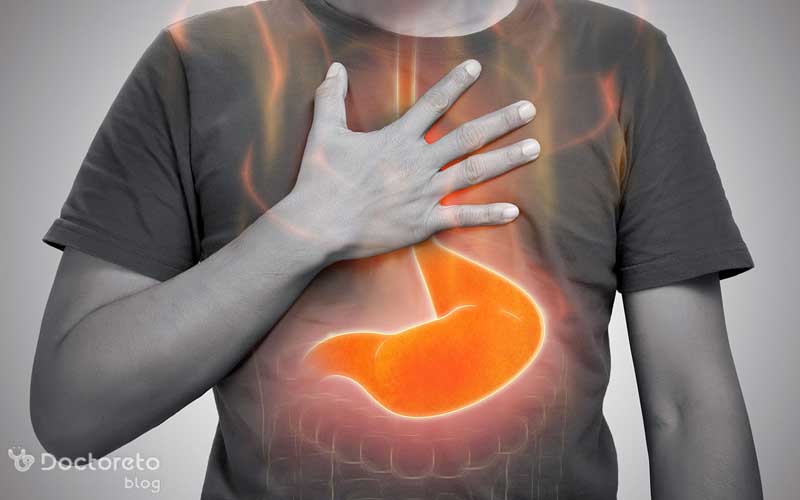
- Indigestion and heartburn: a burning sensation in the chest or upper abdomen that often worsens with eating or lying down
- Pain and cramping: occurrence of mild to moderate abdominal pain or spasms due to inflammation of the stomach mucosa
- Nausea and vomiting: causing nausea and sometimes vomiting which can be caused by gastric acid reflux
- Early satiety: creating a feeling of fullness in the stomach by eating small amounts of food, which may reduce appetite
symptoms of nervous gastritis
Stress gastritis refers to ulcers in the digestive system that cause stomach discomfort and bleeding. Symptoms include upper abdominal pain, nausea, vomiting, or blood in the stool. In stressful situations, excess acid is produced in the body's digestive system and the protective lining of the stomach is damaged, making it more susceptible to damage. Preventive treatment in intensive care units reduces the recurrence of stress ulcers.
| Symptom | Description |
|---|---|
| Pain or discomfort in the stomach area | Feeling of pain or burning in the upper part of the abdomen, which may increase or decrease after eating. |
| Bloating and feeling full in the stomach | Feeling of gas and swelling in the abdomen, even After eating a small amount of food. |
| Nausea and vomiting | The feeling of nausea or the urge to vomit, may be accompanied by a feeling of stomach discomfort. |
| Heartburn (gastroesophageal reflux) | Burning sensation or pain in the chest area, which is usually worse after eating or lying down. |
| Decreased appetite | Decreased desire to eat food or feeling full quickly when eating. |
| Stomach cramps or spasms | Feeling of spasms and cramps in the stomach area that may lead to severe pain. |
| Black or bloody stools | Stools that are black or Appears red, may be due to bleeding in the stomach or intestines. |
| Feeling of heaviness in the abdomen | Feeling of pressure or heaviness in the stomach area, which may cause discomfort. |
| Increased stomach acid | Sour taste in the mouth, which is caused by stomach acid rising into the esophagus. |
symptoms of gastritis in children
Although the symptoms of gastritis may be similar to other diseases, we will introduce them in this section. Of course, always consult a pediatric gastroenterologist for a more accurate assessment of the child's condition. The most common symptoms of gastritis in children include the following. However, each person may experience different symptoms.- stomach discomfort or pain
- Burp
- Hiccup
- Abdominal bleeding
- nausea
- vomiting
- Feeling of fullness or burning in the stomach
- Loss of appetite
- The presence of blood in vomit or stool
symptoms of chronic gastritis
Symptoms of chronic gastritis (chronic gastritis) include pain or discomfort in the stomach area, burning or bloating, nausea, loss of appetite, feeling full after eating, and sometimes vomiting or the presence of blood in the stool. These symptoms may appear gradually and continuously and are highly dependent on the type and severity of stomach inflammation. People with chronic gastritis may experience different symptoms. In general, the most common symptoms of chronic gastritis are:
- Pain or discomfort in the upper abdomen
- Feeling full
- Pain after eating
- nausea
- vomiting
When are the symptoms of gastritis serious?
Almost everyone has suffered from indigestion and heartburn at some point in their life. Indigestion usually does not last long and does not require medical attention. But if the symptoms of gastritis persist for more than a week, it is necessary to see a doctor or a medical center. If you have severe pain or are vomiting and cannot eat anything, you should see your doctor right away. Also, if you feel lightheaded or dizzy, tell your doctor right away. Finally, tell your doctor if you experience stomach upset after taking medications, especially aspirin or pain relievers. If you are vomiting blood, your stool is bloody, or your stool looks black, you should be monitored very soon. So go to a doctor or a medical center without any delay.
English text:
Gastritis is an inflammation of the stomach lining. The stomach lining is a mucus-lined barrier that protects the stomach wall. Weaknesses or injury to the barrier allows digestive juices to damage and inflame the stomach lining. Several diseases and conditions can increase the risk of gastritis. These include inflammatory conditions, such as Crohn's disease. Text translation: Gastritis is an inflammation of the stomach lining. The stomach lining is a mucous barrier that protects the stomach wall. Weakness or damage to this barrier causes digestive juices to damage the lining of the stomach and inflame it. Several diseases and certain conditions increase the risk of developing gastritis; These conditions include inflammatory diseases such as Crohn's disease.Which doctor should we see for gastritis?
For more information about gastritis, you can make an appointment with the best gastroenterology doctors in Iran.
No data found.
Next, you can see a list of the most prominent gastroenterology doctors in some different cities of Iran:Conclusion
Symptoms of gastritis range from mild to annoying and appear in different ways in different people depending on the type and severity of the inflammation. Stomach pain or burning, nausea, fullness and bloating are the most common symptoms, but in some cases the disease may be asymptomatic. It is very important to pay attention to the persistence of symptoms, their severity and accompanying symptoms such as weight loss or gastrointestinal bleeding. Recognizing these symptoms helps distinguish gastritis from other similar digestive disorders and provides a more accurate picture of the stomach's condition.
Your doctor takes care of your health!