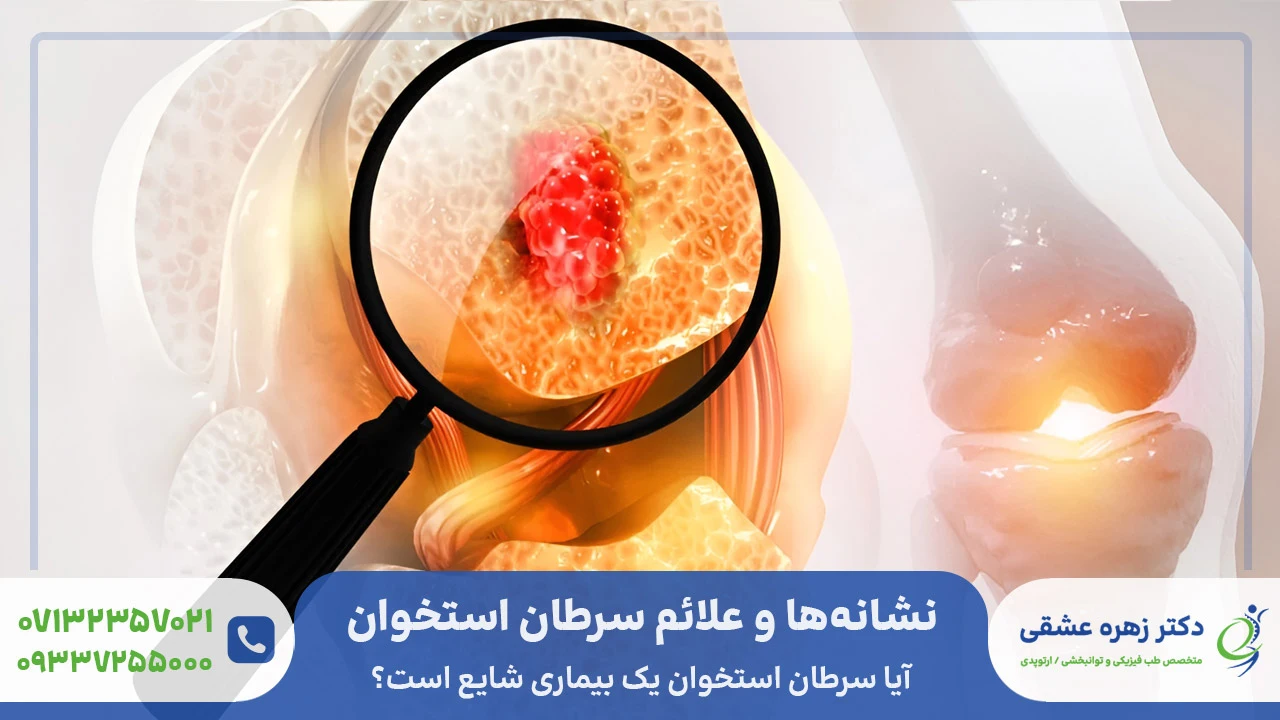

سرطان استخوان نوع نادری از سرطان است که از سلولهای استخوانی آغاز میشود. استخوانها از یک لایۀ سخت بیرونی به نام استخوان فشرده یا کورتیکال و یک لایۀ داخلی اسفنجی به نام استخوان ترابکولار تشکیل شدهاند.
سلولهای استخوانی جدید همیشه برای قوی نگه داشتن استخوانها در حال شکلگیری هستند. However, when cancer cells form in bone cells, a tumor forms and symptoms such as pain, swelling, and fractures begin.
Primary bone cancer (cancer that starts in the bone) is rare. This cancer usually occurs when the cancer starts in one area of the body, such as the lungs, breast, or prostate, and spreads to the bones.
Although that the disease rarely occurs but ⚠️ Knowing the symptoms of bone cancer is essential. In this case, it helps in early diagnosis and treatment begins.
Possible symptoms of bone cancer
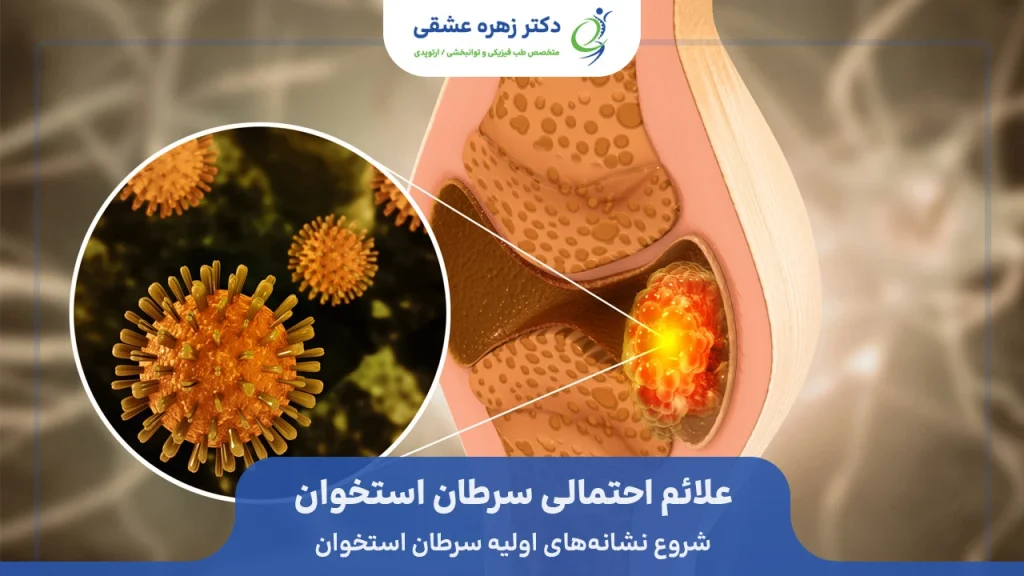
The symptoms described below are in no way based on whether or not the disease is certain, and in fact you should see an orthopedic specialist or Refer to a physical medicine and rehabilitation specialist.
pain in one area
The most common symptom of bone cancer is pain. The amount of pain depends on various factors such as the type of bone cancer, its location and the degree of cancer spread.
The pain of bone cancer first occurs at the tumor site, this pain is not continuous and sometimes it is present and sometimes it disappears by itself. It goes away, but this pain continues. The pain is often worse at night or when the bone is used.
As the bone cancer grows and spreads, the pain increases and remains constant. The location of the pain often depends on the type of cancer, which varies:
- Osteosarcoma: Occurs in the bones of the arm, legs, and pelvis.
- Ewing's sarcoma: Affects the pelvis, ribs, shoulder blades, spine, and legs
- Chondrosarcoma: In the hip, Legs, arms, ribs, shoulder blades and skull are formed.
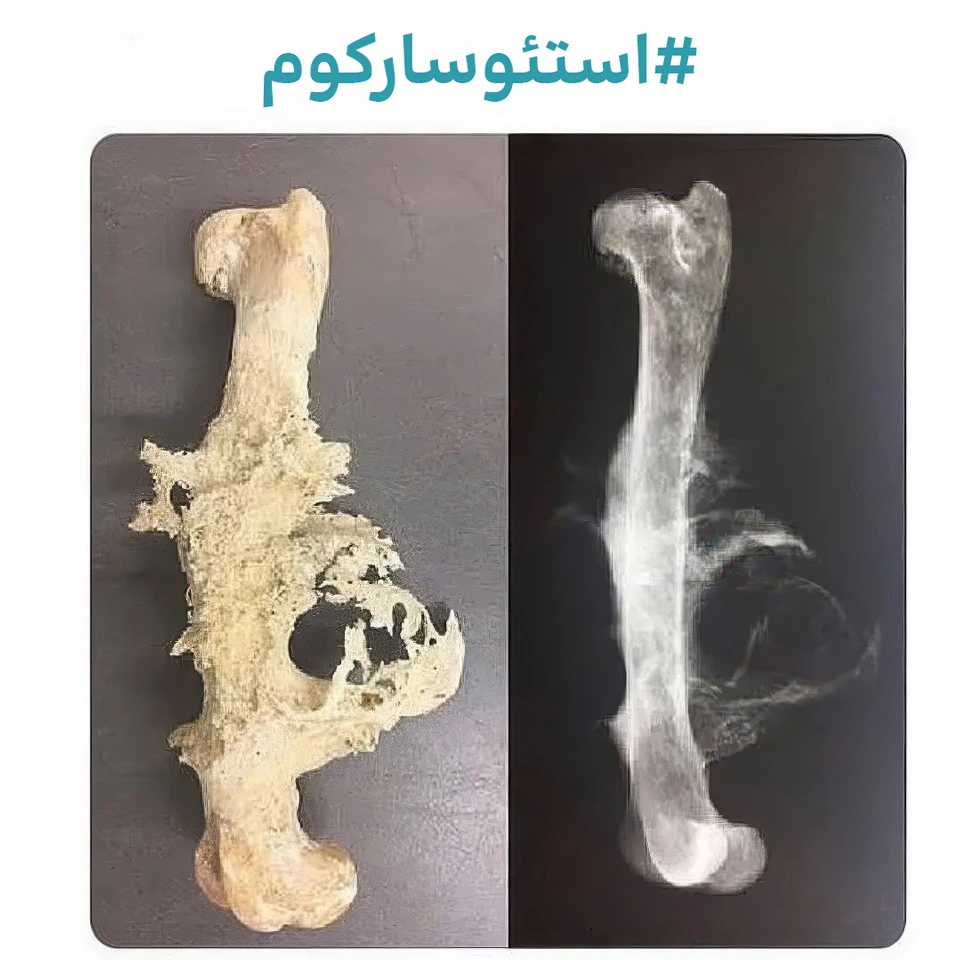
A 2018 study found that 21 to 37 percent of people with osteosarcoma and 19 percent of people with Ewing sarcoma experience worse pain at night.
Swelling or lump
Some people with bone cancer have a swelling or lump at the site. They experience a tumor. Most people with bone cancer feel pain first. As the tumor grows, there may be pain in the swelling area and the tumor site is warm to the touch. It is also red in color.
A lump or swelling also causes additional symptoms, for example, bone cancer in the neck may cause difficulty swallowing or breathing. If cancer affects the humerus, the swelling will cause more pain and reduced range of motion.
Fever and severe fatigue
Bone cancer causes frequent fevers. This fever is unexplained and comes and goes for weeks or months. If the fever is without other symptoms, you should see a doctor because it may be an underlying symptom of various problems.
Severe fatigue, unwanted weight loss are also factors that can be a sign of this disease or many other diseases.
Fracture
The tumor weakens the bones over time and the risk of fracture increases. Up to 8% of people with osteosarcoma (arm, leg, and hip) may have a fracture at some point.
A fracture caused by bone cancer will likely begin with severe pain and symptoms such as weakness and stiffness at the site of the tumor.
Neurological Symptoms
When bone cancer develops in the bones of the spine will lead to neurological symptoms related to the brain or spinal cord. This problem often occurs when the tumor puts pressure on the nerves of the spinal cord. Possible symptoms include:
- Numbness in the arms or legs
- Weakness
- Tingles all over the body
These symptoms are either constant or come and go.
👈 Don't worry: The above symptoms can simply be caused by nerve or disc involvement in the back that has nothing to do with bone cancer.

Advanced symptoms of bone cancer
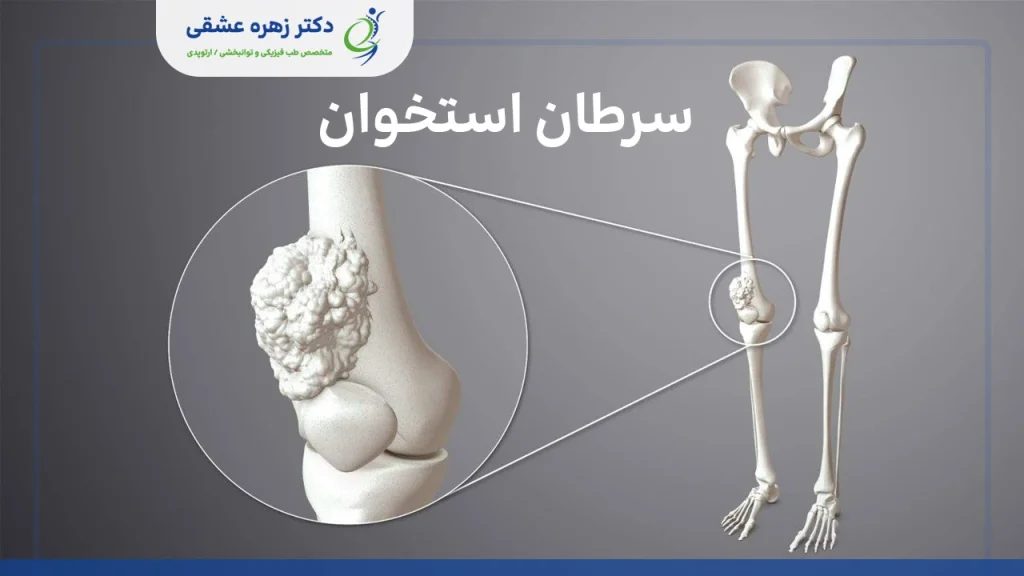
As bone cancer grows and spreads, symptoms become more severe over time. In advanced bone cancer, the following symptoms are experienced:
- Unwanted weight loss
- Difficulty breathing (especially if the cancer has spread to the lungs)
- Fatigue
Symptoms of bone cancer in children
Cancer Bone is formed in both children and adults. In general, the symptoms of bone cancer are the same regardless of age.
In both children and adults, pain is the most common symptom of bone cancer. Osteosarcoma is the most common type of bone cancer and occurs in children aged 10 to 19.
Ewing's sarcoma is the second most common type of bone cancer in children and adolescents. Other possible symptoms in children include lumps, swelling, and fever. Yes?
Yes, bone cancer can be cured or controlled in many cases, provided it is detected early. The type of treatment depends on the stage of the disease, the type of cancer (such as osteosarcoma, chondrosarcoma or Ewing's sarcoma), the location of the tumor and the general condition of the patient.
⚠️ In the early stages, the chance of complete treatment is much higher. Therefore, any long-term or unusual bone pain should be taken seriously and checked by an orthopedic or oncology specialist.
Time to see a doctor
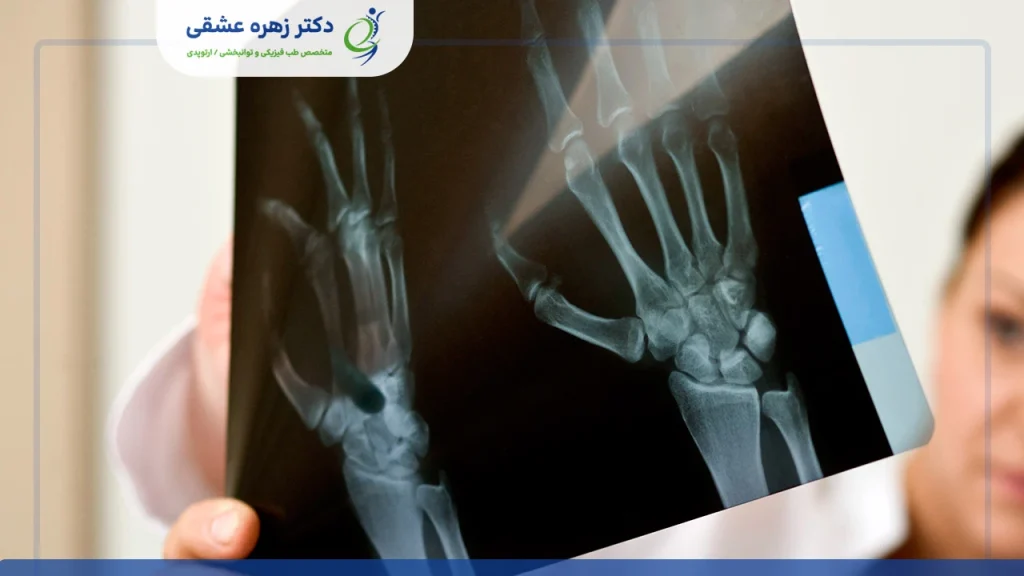
Experiencing multiple symptoms, especially pain, is worrying. If you have symptoms that last more than a week and do not go away on their own, contact your doctor as soon as possible for testing and proper diagnosis. The hope is that primary bone cancer is rare and accounts for less than 1% of all cancers. In most cases, the symptoms listed are caused by less serious factors such as injury or infection.
You may also experience a benign bone tumor that It has symptoms like cancer. Non-cancerous bone tumors include:
- osteoid osteoma
- osteoblastoma
- osteochondroma
- anchondroma
- chondromyxoid fibroma
If you have symptoms, don't wait. Early diagnosis can greatly improve the outlook of the disease.
What questions should you ask the doctor?
Prepared questions in a doctor's appointment will reduce a person's anxiety. Then you will know more about your condition.
Consider these questions:
- Could my pain be a sign of another disease?
- Is it safe to exercise when I have pain?
- Will this swelling go away on its own?
- What tests are currently available to diagnose bone cancer?
- What treatment do you recommend if I have bone cancer? Do you?
Conclusion
Bone cancer is an uncommon type of cancer and accounts for less than 1% of all cancers in the United States.
The first and most common symptom of bone cancer is pain at the site of the tumor. At first, this pain is not permanent, but as the cancer spreads, it is likely to remain constant. Other possible symptoms include swelling, bone fractures, and fever.
💡 This article is for information only and you should know that if you experience any pain or symptoms similar to those mentioned above regarding bone cancer, there is a 98 or 99% probability that it has nothing to do with cancer and it may just be a non-serious problem that can be treated.
If you are old, you should not ignore osteoporosis because this problem can cause fractures. in bones or other problems.
Read more: Diagnosis and treatment of acne Bone
Frequently asked questions
Symptoms vary by type and stage. Most bone cancers do not spread quickly, but if you notice that your symptoms are getting worse, see your doctor as soon as possible.
It is possible to have bone cancer without knowing it for months. be Sometimes, due to a tumor, you feel pain that is mistaken for normal pain.
This is especially true for older people who are at risk of bone and joint diseases.
Symptoms of cancer start from the location of the tumor, for example, if bone cancer is in the pelvis, pain will be experienced in the pelvis or back.
Dr. Zohra Eshghi bone and joint specialist in Shiraz, in case of bone pain and problems, you can visit this clinic to follow up and diagnose the cause.



![Knee Orthopedics in Shiraz [Knee Orthopedics Specialist]](/storage/articles/artopdy-zano-dr-shyraz-mtkhss-artopdy-zano_68f5aab56f95a.webp)




