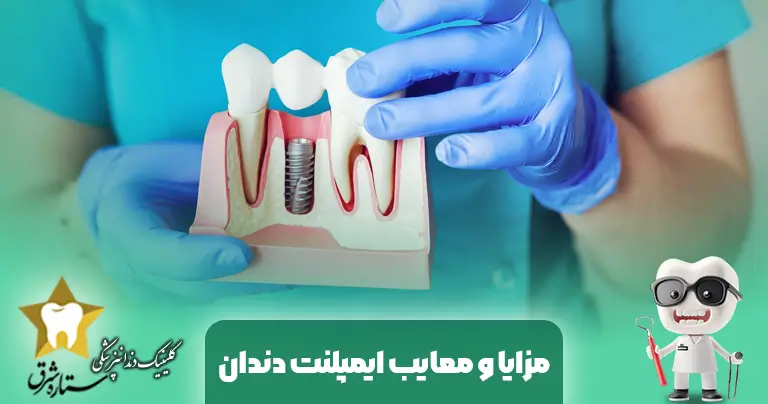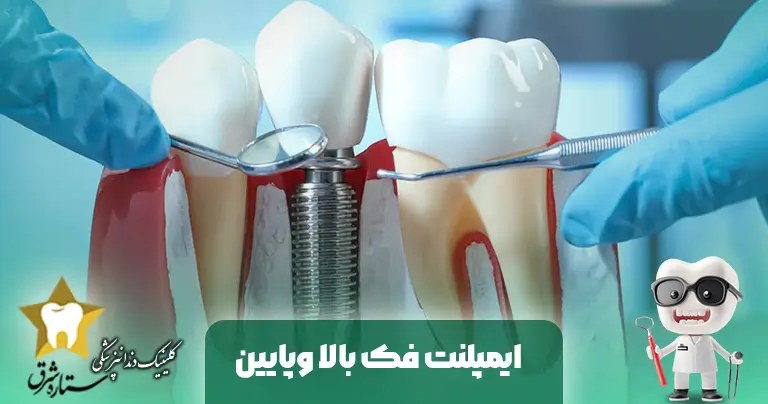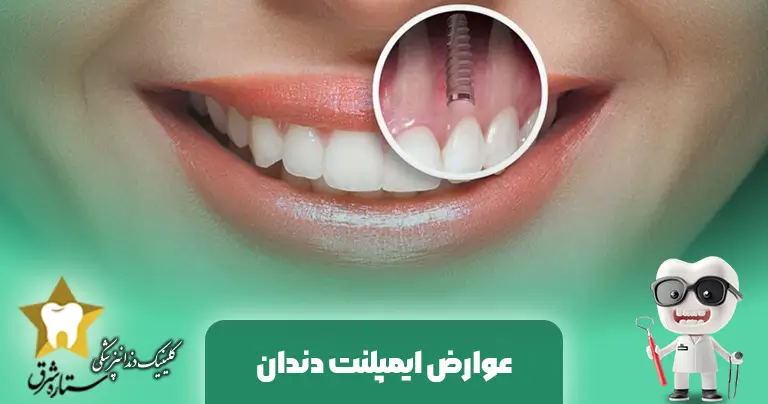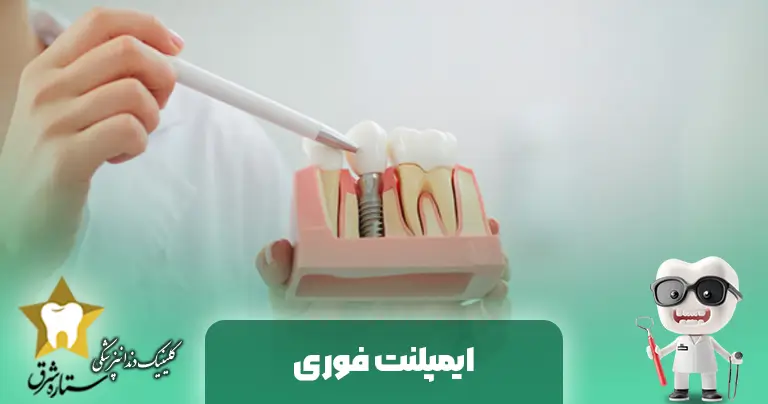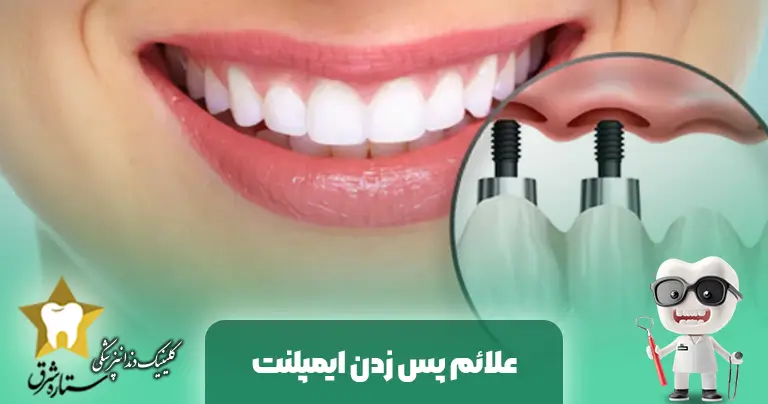

ایمپلنت دندان یکی از پیشرفتهترین و قابل اعتمادترین روشها برای جایگزینی دندانهای از دسترفته است. In this method, a base made of titanium or biocompatible materials is placed in the jawbone and over time, it is connected with the bone tissue like a natural root. The success rate of this treatment is very high and for many patients, it brings a stable and satisfactory result.
However, knowledge of the symptoms of dental implant rejection is necessary to ensure the health of this treatment. In rare cases, the body may show symptoms in the short term or even after a few months, which indicate a disturbance in the treatment process. Accurately understanding these symptoms will help patients avoid more advanced problems and still enjoy the benefits of the implant. If you have recently had an implant or are considering it, this article will help you learn about the signs of implant back-off and make more informed decisions about your oral health.
Main causes of dental implant rejection: Why do implants fail?
Although the implant success rate is high; But in rare cases, the body may not fully adapt to it for various reasons. The cause of implant rejection is usually due to one of the following reasons:

Insufficient ossification (Osseointegration Failure)
After placing the implant base in the jawbone, a natural process called "osseointegration" must begin; It means that over time, the bone will cover the metal base and bond with it. If this process is disrupted for reasons such as early infection, low bone density, or premature compression, the implant abutment will not fuse properly and may be pushed back. This is one of the most important reasons for failed implants.

Peri-implantitis
Peri-implantitis is a type of inflammation and infection in the surrounding soft and hard tissue It is an implant that is usually caused by the accumulation of bacteria, plaque or lack of oral hygiene. This infection can cause swelling of the dental implant, bone loss, and finally the base retreat. The effective factors in this problem are:
- Not observing oral and dental hygiene
- smoking
- underlying diseases such as uncontrolled diabetes
Early/Excessive Loading
If the pressure caused by chewing food or the crown of the tooth is prematurely applied to the implant, before the bone is well connected with it, there is a possibility of failure. The correct management of implant loading time by the dentist plays an important role in the success of the treatment.
Implant Component Failure Failure)
Sometimes the problem is not from the body, but from the implant parts. A fracture in the metal body, abutment or loosening of the connecting screws can cause the implant to become loose and unstable in the mouth.
Underlying diseases and medical conditions (Systemic Health Conditions)
Diseases such as diabetes, rheumatoid arthritis, autoimmune diseases or osteoporosis can affect wound healing and bone formation. In these patients, the probability of implant failure symptoms is higher and they need more careful monitoring.
Smoking and Alcohol Consumption
Cigarettes and alcohol disrupt the process of blood supply and tissue recovery. The effect of smoking on dental implants has been confirmed in numerous studies and its consumption is directly associated with an increased risk of infection and implant failure.
Reactions Allergic Reactions
In rare cases, the body may have an allergic reaction to certain metals such as titanium. Although these reactions are very rare; But if they occur, they may lead to rejection of the implant base.
Physical trauma or damage (Trauma)
Physical damage caused by falling, hitting or chewing on very hard objects can cause the implant to loosen or move and increase the probability of its failure.

Symptoms of Implant Rejection: Warning Signs You Should Take Seriously
In most cases, dental implants are successfully implanted in the jawbone; But if for any reason the implant stabilization process is disturbed, the body shows signs that should be taken seriously.
Primary signs (early)
These symptoms usually appear in the first days or weeks after implant placement and can indicate a disturbance in the initial fusion:
- persistent or increasing pain
- swelling and severe redness
- touch sensitivity
- lack of primary ossification
Secondary signs (late)
These symptoms appear weeks to months after surgery and can be a sign of failure of ossification, gingival recession, or advanced infection:
- Implant loosening or movement
- Bad breath or unpleasant taste
- purulent discharge or bleeding from around the implant
- Receding Gums
- pain when chewing or applying pressure
- Numbness or tingling sensation (rare)
Paying attention to these symptoms, especially when accompanied by loosening or gingival recession, is actually a sign of implant rejection and should not be ignored. be ignored.

Diagnosis of implant rejection: diagnostic measures by the dentist
If symptoms of implant rejection are observed, the dentist evaluates the condition of the implant with clinical examination and imaging in order to prevent the problem from progressing.
Clinical examination
The first step is to check the appearance and touch of the implant area. The doctor will look for signs such as redness, inflammation, discharge, bleeding, or exposure of part of the metal base. Gently touching the area is also done to check for pain, tenderness or abnormal movement of the implant.
Radiographic imaging (X-rays)
To assess the condition of the bone around the implant, accurate radiological images are needed. The dentist may use one of these techniques:
- periapical radiograph
- Panoramic radiography
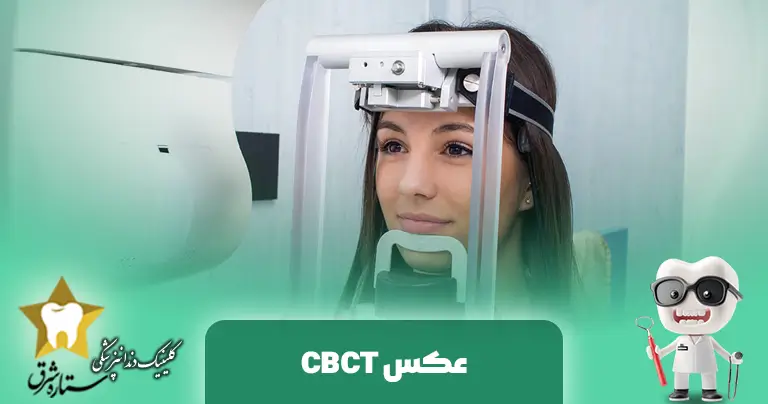
- CBCT (three-dimensional computed tomography)
Probing Depth
In this method, the depth of the space between the gums and the implant is measured with a special tool. A depth that is more than normal can indicate inflammation, gingivitis or the formation of a peri-implantitis pocket. Test)
If the dentist feels during the examination that the implant is even slightly loose, it is most likely that the implant has failed and the ossification process has not been completed.

Treatment of implant rejection: available solutions to save the implant or replace it
In case of complications of dental implant rejection or seeing warning signs, the dentist, according to the severity of the damage, He suggests the following treatment methods. The goal is to preserve the implant if possible and, in severe cases, to replace it in a safe and principled way.
Non-surgical treatments
In cases where retraction is detected in the early stages, conservative treatment can be sufficient:
- antibiotic therapy
- Washing and debridement of the infected area
- Improving oral hygiene
Surgical treatments
If there is no response to initial treatments or there is extensive damage, surgical interventions are necessary:
- Peri-implantitis Surgery
- Explant removal
- Bone Grafting
- implant replacement

Preventing implant rejection: Tips to extend the life of your implant
Although the success rate of dental implants is high; But paying attention to care factors can make this success more sustainable. Many cases of implant rejection are preventable; Provided that care before, during and after treatment is properly followed.
Choosing an expert and experienced dentist
Experience, accuracy and familiarity with reputable brands and patient conditions are the most important factors in the success of treatment. Visiting Dental implant specialist in East Tehran in licensed clinics significantly reduces the risk of subsequent problems.
Careful oral and dental hygiene
Keeping the area around the implant clean with a soft toothbrush, implant dental floss and antibacterial mouthwashes prevents the accumulation of bacteria and the onset of inflammation.
Regular visits to the dentist
Periodic visits and regular scaling will help detect infection or loosening early and prevent further damage.
Quit smoking and reduce alcohol consumption
Smoking disturbs the process of bone fusion and increases the possibility of infection. Alcohol consumption also damages the healing process.
Control of underlying diseases
Diabetes, autoimmune diseases, osteoporosis and other systemic disorders must be controlled under the supervision of a doctor so as not to affect the success of the implant.
proper diet
A diet containing calcium, vitamin D and minerals helps to strengthen bones and accelerate tissue repair.
Avoidance of habits Harmful
Habits such as nail biting, breaking hard objects or opening the door of some appliances with teeth can put pressure on the implant and weaken its connection.
Using a dental guard at night (night guard)
If you have bruxism, using a night guard is essential. This tool prevents chronic pressure on the implant.

Frequently Asked Questions (FAQ) about dental implant rejection
Is implant rejection painful?
In many cases, implant rejection is accompanied by constant, sharp, or increasing pain. This pain can be a sign of infection, inflammation or loosening of the base. Of course, all pain does not necessarily mean withdrawal, especially in the first days after surgery.
Can a retruded implant be treated?
Yes, with timely diagnosis, it can be treated with medication, surgery or even replacement of the base.
How long does it take to recover after implant rejection treatment?
If the treatment is non-surgical, a few weeks are enough; In case of surgery and bone grafting, it may take several months.
installment implants with a fair dental tariff.Is any pain after the implant a sign of rejection?
No, initial mild pain is normal; But if dental implant pain is severe, persistent or accompanied by swelling, discharge or loosening, it should be checked.
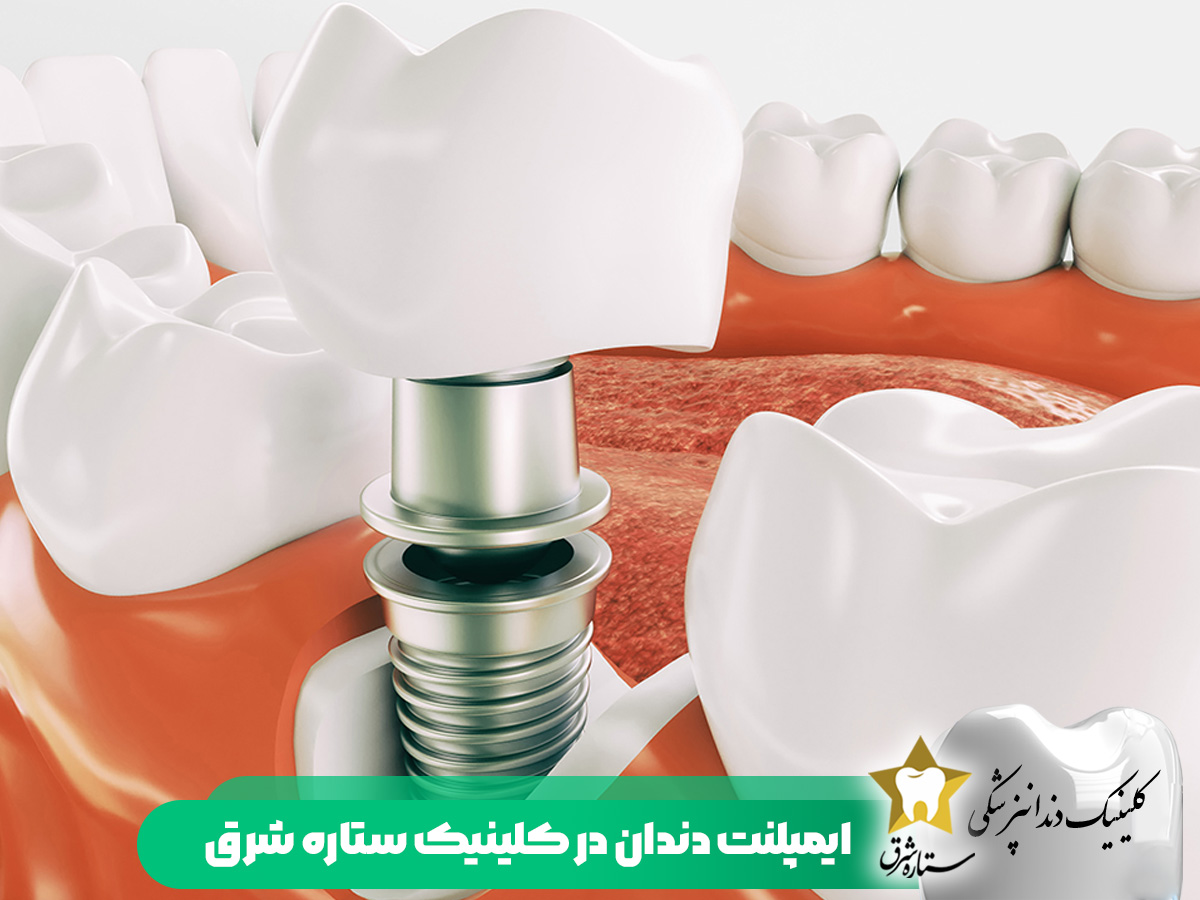
Doing a reliable dental implant at the East Star Dental Clinic
Dental implants are one of the long-term investments for health and quality of life; But this investment will pay off when it is done by an expert team, with standard equipment and post-treatment care. Setareshargh Dental Clinic is known as one of the best dental implant centers in East Tehran by relying on specialized experience, a sterile environment and the use of reputable implant brands.
In this clinic, all stages of consultation and examination of bone conditions From implant placement and regular follow-ups are done with high precision. The presence of a dental implant specialist in Sharq Tehran, along with the possibility of installment implants with a fair tariff, has made this center a safe option for applicants.
Conclusion: dental implant, an investment that requires care
Dental implant is not just a replacement for a missing tooth; It is the basis for the return of self-confidence, comfort in eating and the beauty of a smile. However, its success is no accident. Awareness of the symptoms of implant rejection, choosing a specialist doctor and basic care are the three main sides of this success.
If you are looking for lasting, high-quality treatment under expert supervision, Clinic Setera Sharq Dentistry, with its professional team, the possibility of installment implants and the use of the best global brands, will be your reliable companion on the way to treatment.
kksr-auto kksr-align-center kksr-valign-bottom" data-payload='{"align":"center","id":"11452","slug":"default","valign":"bottom","ignore":"","reference":"auto","class":"","count":"2","legendonly":"","readonly":"","score":"3","starsonly":"","best":"5","gap":"5","greet":"Rate this article","legend":"3\/5 - (2 points)","size":"24","title":"Implant Rejection Symptoms Teeth: a comprehensive guide to diagnosis and treatment","width":"84.5","_legend":"{score}\/{best} - ({count} {votes})","font_factor":"1.25"}'>