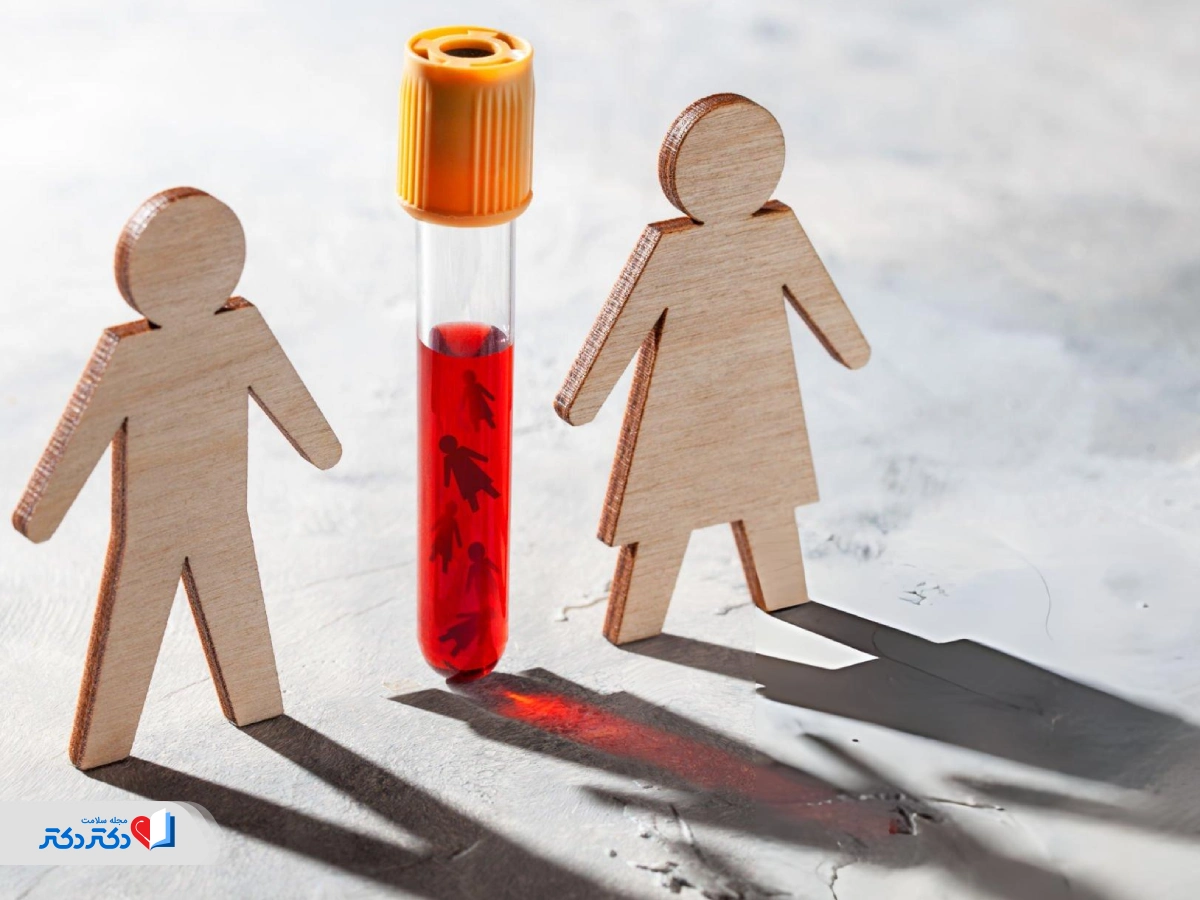
تالاسمی یکی از شایعترین اختلالات خونی ارثی در دنیاست که افراد بسیاری، بدون آنکه خودشان خبر داشته باشند، ناقل آن هستند. تالاسمی باعث اختلال در تولید هموگلوبین و در نتیجه، به تدریج باعث کمخونی و مشکلات متعددی در بدن میشود. اهمیت شناخت این بیماری بهویژه زمانی که صحبت از ازدواج و فرزندآوری باشد، بیشتر میشود. In this article, we will examine in simple language what is thalassemia and what are its symptoms, what is the difference between minor and major type, what are the methods of its diagnosis and why it is important to check the genetics of couples before marriage to prevent the birth of an affected child. class="lwptoc_i">
مقاله تخصصی
Thalassemia minor and major symptoms, marriage and risk
1 week ago
832 بازدید

Dr. Reza Bahadur
MashhadOrthopedic specialist
What is thalassemia?
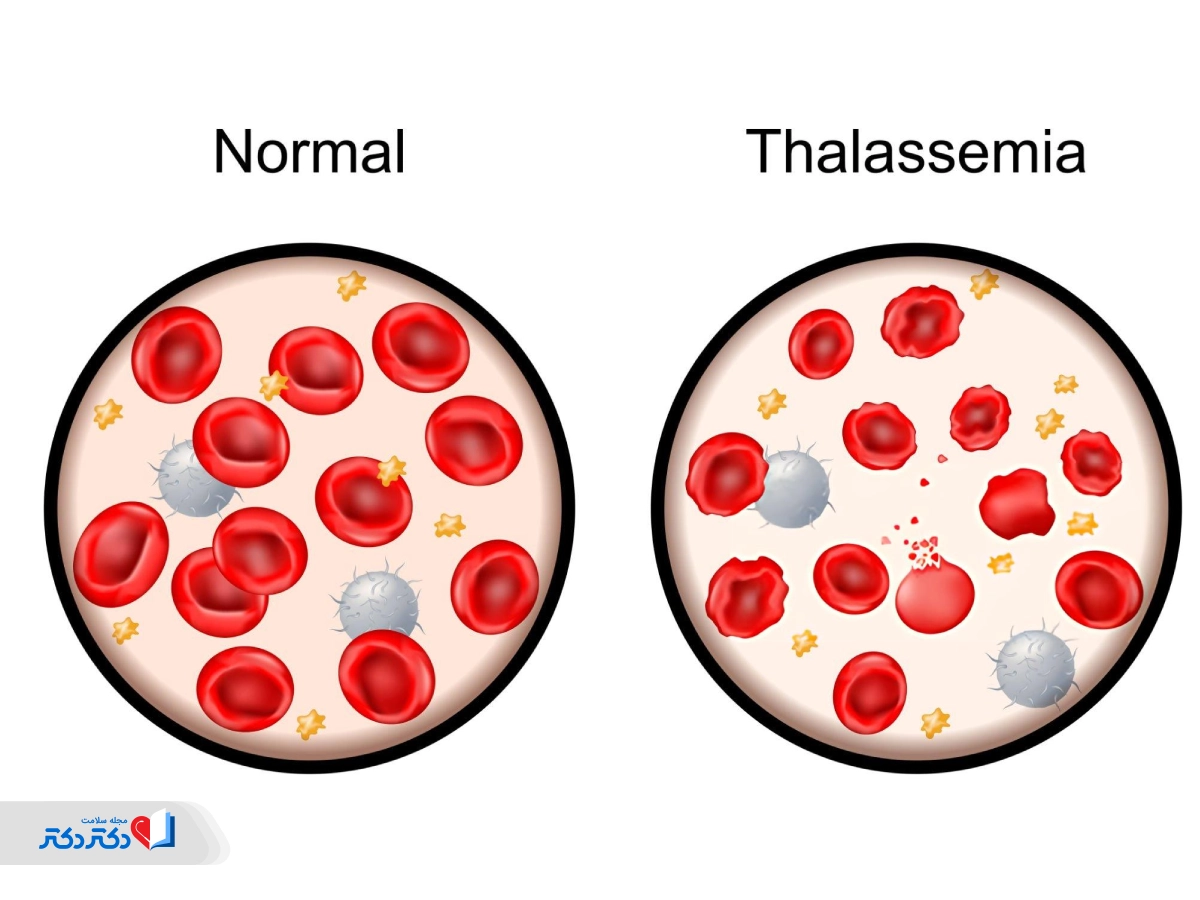
Thalassemia is an inherited blood disorder that affects the body's ability to It affects the production of normal hemoglobin. Thalassemia causes the amount of hemoglobin protein in the body to be lower than normal. Hemoglobin in red blood cells helps them carry oxygen. A lack of hemoglobin or a decrease in red blood cells can lead to anemia, which makes a person feel tired and weak.
The mild type of the disease, that is, thalassemia minor (or carrier) usually does not require special treatment. But in more severe types, regular blood transfusions may be needed; It means receiving blood from a donor. Lifestyle changes are also very important. For example, a healthy diet and regular physical activity can help manage feelings of fatigue and weakness.
Alpha and beta thalassemia What is it?
Thalassemia is caused by gene changes in the cells that make hemoglobin. These gene changes are passed from parents to children. The difference between alpha and beta thalassemia is in the type of defective or missing protein chains. Hemoglobin molecules are made of protein chains called alpha and beta chains. These chains are affected by genetic changes. In thalassemia, the body does not produce enough alpha or beta chains. For this reason, a person suffers from alpha thalassemia or beta thalassemia, which are the two main types of this disease.
In beta thalassemia, a gene change means a change in DNA, which is called mutation or "genetic change". In alpha thalassemia, the DNA change involves the deletion of one or more copies of the four genes that program the alpha chain. This state is called "gene deletion".
In alpha thalassemia, the severity of the disease depends on the number of deleted genes. The greater the number of deleted genes, the more severe the disease.
In beta thalassemia, the severity of the disease depends on which part of the hemoglobin molecule is affected.
Next, we will explain more about each one.
What is alpha thalassemia?
4 genes play a role in producing the alpha chain of hemoglobin. have Two genes from each parent. The severity of alpha thalassemia depends on the number of deleted genes:
- 1 gene deleted: the person has no symptoms but is a carrier of the disease and can pass it on to children. This condition is called silent thalassemia minor or alpha thalassemia minimal. This condition is called thalassemia minor or thalassemia minor alpha (thalassemia minor with alpha trait).
- 3 genes are deleted: Symptoms are usually moderate to severe. This condition is called hemoglobin H disease.
- Deletion of all 4 genes: This condition is rare and usually leads to the death of the fetus or infant. Babies born alive usually die shortly after birth, or require lifelong blood transfusions. In some cases, the child can be treated with regular blood transfusions and stem cell transplantation.
What is beta thalassemia?
2 genes are involved in the production of beta chain; One gene from each parent. Unlike alpha thalassemia, which is caused by deletion of genes, in beta thalassemia, slight changes in the gene cause the production of the beta chain to decrease. This condition is called thalassemia minor or thalassemia minor with beta trait. If the person is asymptomatic, it may be called "non-transfusion dependent thalassemia".
- 2 genes are altered: Symptoms are usually moderate to severe. This condition is called transfusion-dependent beta thalassemia or thalassemia major.
Babies born with 2 abnormal beta genes appear healthy at birth, but symptoms usually appear in the first 2 years of life. However, in some cases, with the presence of 2 defective genes, the severity of the disease may be milder.
What is the difference between thalassemia minor and major?
In addition to biological classification, this disease is also divided into major and minor thalassemia types based on the severity of symptoms. Thalassemia is divided into four categories to show the severity of the disease: Trait, Minor, Intermediate and Major. This category is a spectrum. The carrier or minor state usually causes mild or even asymptomatic anemia and often does not require treatment. But thalassemia major is the most severe type and usually requires regular treatment.
What is thalassemia minor disease?
In alpha and beta thalassemia minor, which is often called thalassemia minor, a person has received 1 defective gene from one of the parents. This thalassemia usually has no symptoms or may have mild symptoms. Thalassemia minor usually does not cause serious health problems, but the affected person may still pass the defective gene on to future generations.
What is beta thalassemia minor?
It is caused by a disorder of the beta chain genes in hemoglobin. This type of thalassemia minor is better known and has a more accurate laboratory diagnosis.
What is thalassemia major?
In this type, both beta chain genes are deleted or defective, which causes the most severe type of beta thalassemia. Patients with thalassemia major need blood transfusions for life, they must be continuously monitored to check the complications of the disease and be treated to prevent anemia and iron accumulation caused by repeated injections.
In the first to second year of life, the affected child may be pale, restless, have little appetite, and suffer frequent infections. Without proper treatment, the spleen, liver, and heart will eventually enlarge and the bones will become thin and brittle. One of the most important problems is the accumulation of iron in the heart and other organs, which may cause heart failure in some patients during adolescence or early adulthood. Fortunately, today, thalassemia treatment methods have improved a lot and the results of treatment in patients have significantly improved.
Symptoms of thalassemia minor and major in children and adults
Symptoms of thalassemia will be different depending on the type of thalassemia and its severity.
Asymptomatic (no symptoms)
If a person has only 1 alpha gene If it is missed, it usually has no symptoms. If you don't have 2 alpha genes or 1 beta gene, the disease may be completely asymptomatic or cause only mild anemia symptoms such as fatigue.
Mild to moderate symptoms
Beta thalassemia intermedia may cause only mild anemia symptoms, or may have the following symptoms:
- Growth problems;
- Delayed puberty;
- none;">
- Bone problems such as osteoporosis;
- Spleen enlargement.
Surgery may be needed in the future to correct bone problems. Also, if the spleen becomes too large, the doctor may consider it necessary to remove the spleen.
Severe symptoms
The loss of 3 alpha genes (hemoglobin H disease) usually causes anemia symptoms from birth and leads to lifelong severe anemia. Symptoms of thalassemia major in children, especially beta-thalassemia major (Gypsy anemia), including severe anemia, usually appear by the age of 2 years.
Symptoms of severe anemia include mild and moderate cases, but may also include the following symptoms:
- Anorexia;
- Pale or yellow skin;
- Urine Dark;
- Abnormal changes in the shape of the facial bones, which causes the affected person's face to change in thalassemia major.
Diagnosis of thalassemia in blood tests and Symptoms
In most children with moderate to severe thalassemia, symptoms appear in the first 2 years of life. To diagnose thalassemia major and minor, the doctor may order different blood tests:
- Complete blood count (CBC) test: This test shows the amount of hemoglobin, the number and size of red blood cells. People with thalassemia have fewer healthy red blood cells and lower hemoglobin than normal. Their red blood cells may also be smaller than normal.
- Reticulocyte count test: Reticulocytes are young red blood cells. A decrease in their number can indicate that the bone marrow does not produce enough red blood cells.
- Checking iron levels: This check helps to determine if the anemia is due to iron deficiency or thalassemia.
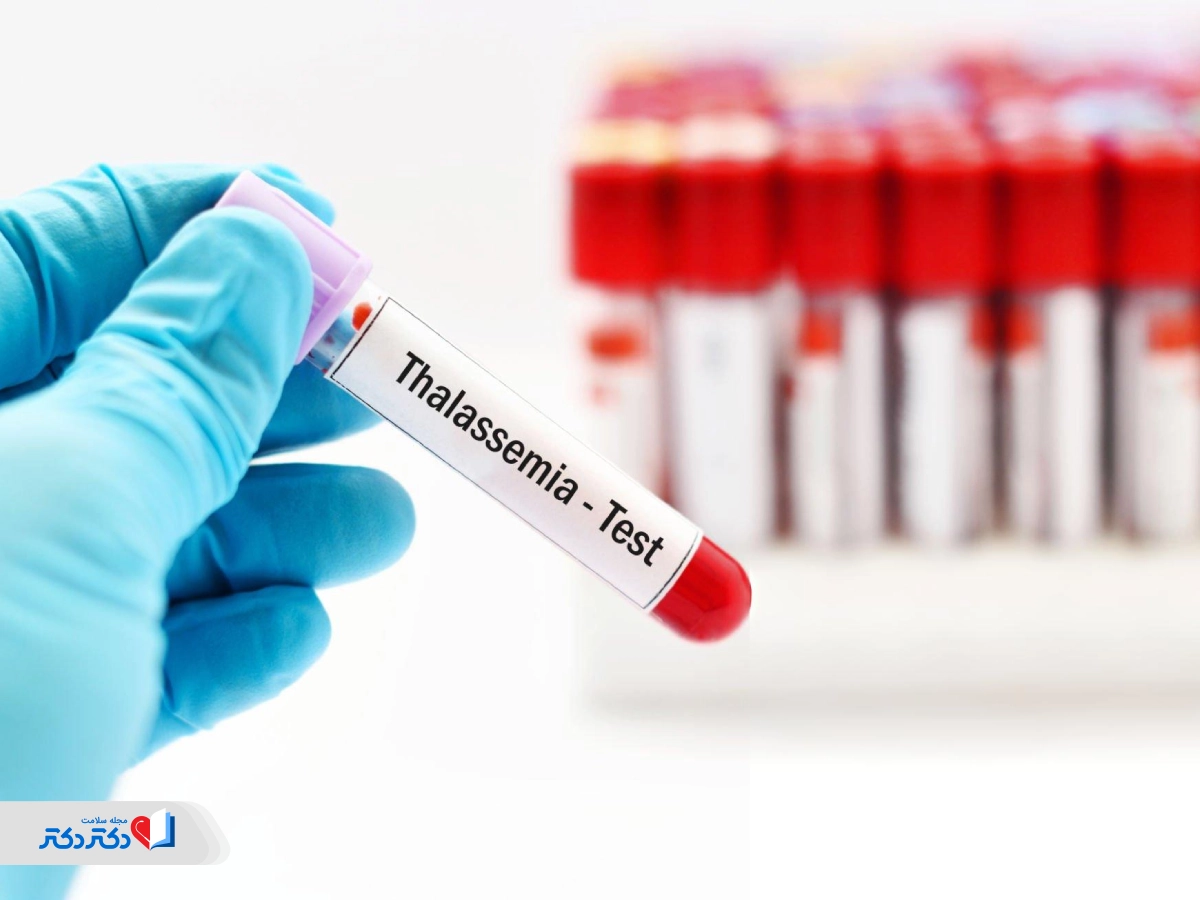
- Hemoglobin electrophoresis: a common method for diagnosing thalassemia minor in Blood test which is usually used to detect beta type.
- Genetic testing: Used to diagnose alpha thalassemia.
Blood tests can show the number of red blood cells and abnormal changes in their size, shape, or color. Also, with a blood test, gene changes in DNA can be checked.

Tests during pregnancy to diagnose thalassemia
Before birth, tests can also be done to determine if the fetus has thalassemia, and how severe it is. Common tests include:
- placental villus sampling (CVS): In this method, a small part of the placenta tissue is removed and examined in the laboratory. This test is usually performed in the 11th week of pregnancy.
- Amniocentesis: In this test, a sample of the fluid surrounding the fetus in the uterus is examined. This test is usually done in the 16th week of pregnancy.
Alpha and beta thalassemia marriage (major and minor)
Thalassemia is a hereditary disorder; That is, it is passed from parents to children through genes. Therefore, it is important to check the genetics of both parties before making a decision about having children.
People who receive a defective hemoglobin gene from one parent and a healthy gene from the other parent are carriers of thalassemia. Carriers usually have no symptoms but can pass the defective gene to their children. People with moderate or severe types of thalassemia have inherited defective genes from both parents. Therefore, it is very important for couples to know which type of alpha and beta thalassemia they are suffering from. Infection
Healthy Carrier Healthy or carrier 50% healthy - 50% carrier Carrier Carrier Healthy, carrier or infected (major) 25% healthy - 50% carrier - 25% infected carrier infected carrier or infected 50% carrier - 50% infected infected infected infected 100% infected healthy healthy in appearance Thalassemia, but a carrier of alpha gene deletion or another mild type Depending on the type of deleted or changed genes Need genetic examination By knowing which type of thalassemia minor or major you have and knowing the possibility of your child having thalassemia, you can make an informed decision about having children.
Parent status 1 Parent status 2 Probability of healthy child Probability of thalassemia minor child Probability of thalassemia child Major Healthy Minor 50% 50% 0% S Elm major 0% 100% 0% minor minor 25% 50% 25% Minor Major 0% 50% 50% major major 0% 0% 100% probability Infecting or being a carrier depends entirely on the genetic makeup of the parents. This shows the importance of genetic testing and the vital role of premarital counseling in preventing the birth of affected children. If you are planning to have a baby, you can make an online appointment with a geneticist at Doctor Doctor or make an appointment.
What are the complications of thalassemia minor?
People with thalassemia minor usually have no symptoms. If there are any symptoms, they are usually mild. Therefore, you usually do not need common thalassemia treatments such as blood transfusions or iron therapy.
Sometimes doctors mistakenly prescribe iron supplements to people with thalassemia minor, because they mistake its symptoms for anemia caused by iron deficiency. This can be dangerous, as excessive accumulation of iron in the body can lead to serious health problems. Therefore, in order to avoid unnecessary treatments, it is very important that the doctor prescribes a blood test to determine whether the problem is really iron deficiency or not.
What are the complications of moderate and severe thalassemia?
Moderate to severe thalassemia may be associated with the following complications and health problems:
- Iron overload: People with thalassemia may have Excessive accumulation of iron in the body. This happens because of the disease itself or because of repeated blood injections. A large amount of iron can cause damage to the heart, liver, and glands that produce and release hormones.
- Infection: People with thalassemia are more at risk of infection. This is especially common when the person's spleen has been removed. Severe thalassemia may lead to the following problems: Bone changes: One of the complications of thalassemia is the creation of spongy bone tissue, which causes the bones to widen and change shape, especially in the face and skull. An enlarged bone marrow also makes the bones thin and fragile, increasing the chance of fractures.
- Enlarged spleen: The spleen helps the body fight infection and rid the body of old or damaged blood cells. The large number of destroyed red blood cells caused by thalassemia causes the spleen to become enlarged and overactive. An enlarged spleen can worsen anemia and shorten the life of red blood cells received through blood transfusions. If the spleen becomes too large, the doctor may suggest removing it.
- Growth retardation: Anemia can slow a child's growth and delay puberty.
- Heart problems: Heart failure and irregular heartbeats may be associated with thalassemia major.
Treatment Thalassemia
Now that you know what thalassemia is and what its complications are, it's time for treatment. Thalassemia minor usually does not require special treatment. But the standard treatments for thalassemia major include blood transfusions and iron reduction (chelation therapy). In moderate or severe thalassemia, blood transfusion is usually done once every 4 months. In beta thalassemia major, blood transfusion is usually required every 2 to 4 weeks. In hemoglobin H disease or beta thalassemia intermedia, blood transfusion may be required only in special cases such as during infection.
- none;">

- Iron reduction: One of the side effects of blood transfusion is excessive accumulation of iron in the body, which can cause damage to organs. For this reason, iron depletion treatment is prescribed in people who have frequent blood transfusions. Iron reduction medicine is usually taken in pill form.
- Folic acid: Taking a folic acid supplement helps the body produce healthy red blood cells.
- Bone marrow or stem cell transplant: is the only definitive treatment for thalassemia. In this method, stem cells are received from a person who is genetically compatible with the patient. In this method, the stem cells enter the body through a vein and usually within a month they start producing healthy red blood cells. produce more red.

Is thalassemia minor or major dangerous? Is it?
If you have mild thalassemia, you are expected to have a normal life expectancy. Even in moderate or severe thalassemia, if you strictly follow your treatment plan (such as regular blood transfusions and treatment of iron overload anemia), the chances of long-term survival are very good.
Heart diseases caused by iron accumulation are the most common cause of death in thalassemia patients, so regular continuation of iron removal treatment is very important in increasing the life expectancy of thalassemia major patients.
Thalassemia Minor Diet
Although thalassemia minor and thinness are not usually associated, a balanced diet rich in fruits and vegetables is usually recommended for people with thalassemia minor to promote good health. Even if you do not suffer from anemia caused by thalassemia, this type of nutrition is a healthy choice.
Unlike other types of anemia, increasing iron consumption in people with thalassemia may be dangerous. Instead, doctors may recommend reducing iron intake.
What should people with thalassemia minor eat and not eat?
If you have thalassemia minor, it is recommended:
- from Use more vegetable proteins and white meat (such as chicken and turkey).
- Avoid red meat and seafood; These foods contain large amounts of "heme" iron, which is easily absorbed and even increases the absorption of other types of iron. Take them separately because vitamin C increases iron absorption.
- Choose foods that contain non-heme iron because the body absorbs it less, such as:
- eggs;
- chocolate;
- cereal Breakfast;
- root vegetables such as potatoes and carrots;
- dried fruits such as raisins, peaches dried, plums and figs.
- Choose foods that contain non-heme iron because the body absorbs it less, such as:
- Consume dairy products such as milk, cheese and yogurt, because calcium both prevents osteoporosis and reduces iron absorption.
- Use grains and legumes such as wheat, corn, oats, rice, beans, soy, lentils and peas.
- Drink tea and coffee; Because there are compounds called tannin in them that reduce iron absorption. class="wp-block-list">
- Fruits such as peaches and asparagus;
- Vegetable oils such as sunflower, soy, corn and olive;
- Nuts such as peanuts, hazelnuts, almonds and walnuts.
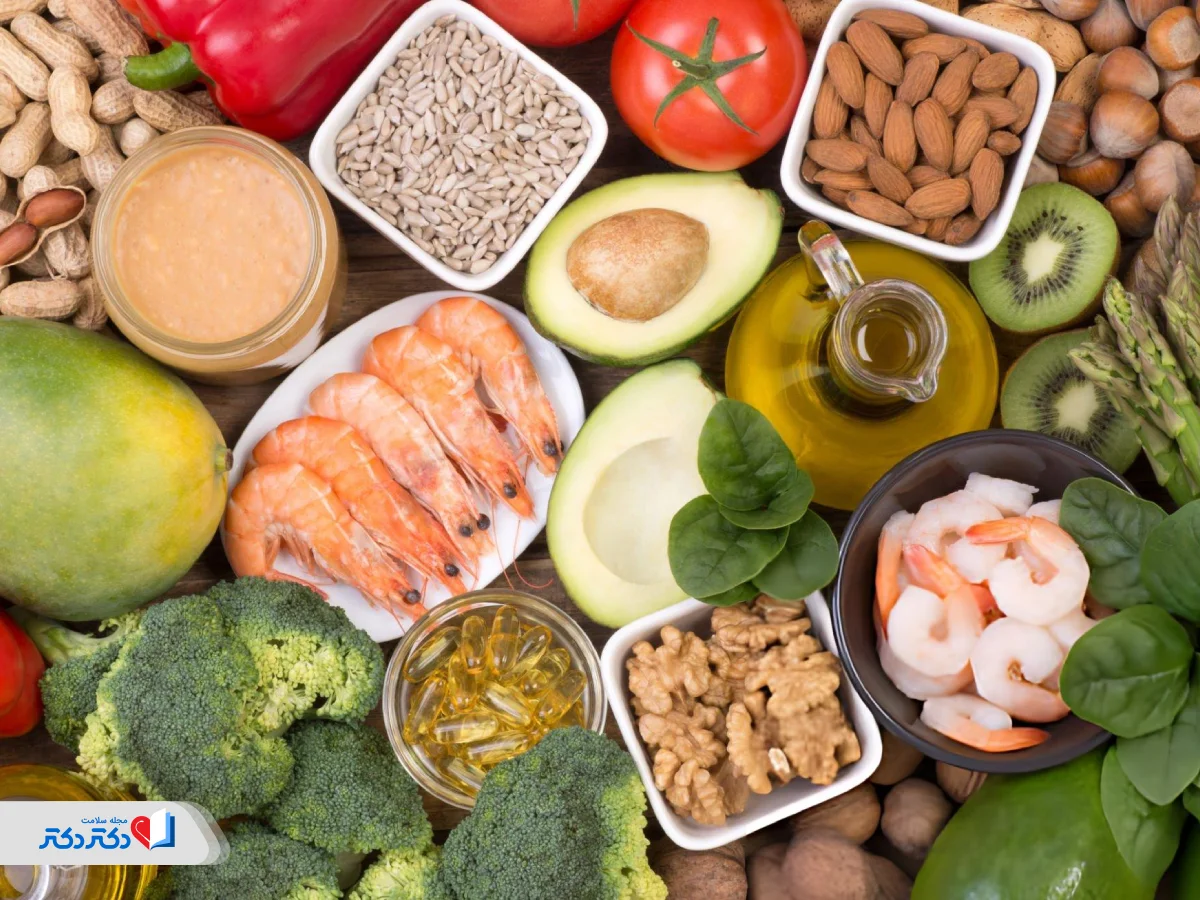
If you have thalassemia minor, you may need to limit your dietary iron intake, but you should do this with your doctor's advice. Some iron-rich foods include:
- Fish;
- Red meat;
- iron-enriched foods such as some breakfast cereals;
- spinach and some other vegetables.
In addition to reducing the intake of foods Iron-rich, it is best to avoid alcohol, as it can cause problems related to anemia. Smoking and drugs are also not recommended for people with thalassemia minor, because in addition to having a negative effect on general physical and mental health, they may harm bone growth.
Although the symptoms of thalassemia minor in children and adults are mild, health professionals usually recommend a nutritious diet rich in fruits and vegetables and low in fat. A doctor may recommend taking a multivitamin, especially for children with developmental problems. However, some multivitamins are high in iron and may not be suitable for people with thalassemia. Therefore, it is important to consult a pediatrician or a nutritionist before starting to take a multivitamin.
Doctor's Last Word
Thalassemia is a genetic blood disorder caused by a defect in the production of hemoglobin. Thalassemia occurs in minor and major types with mild to very severe symptoms. Affected people may suffer from anemia, fatigue, paleness, growth problems, and in severe cases, need continuous blood transfusions. Early diagnosis, genetic tests and pre-pregnancy counseling play an important role in treating and preventing the transmission of this disease to the next generation. Although there is no definitive treatment for all types of thalassemia, with proper management such as regular blood transfusions, removal of excess iron from the body, proper nutrition and continuous medical care, patients' quality of life can be greatly improved. Now you know what thalassemia is and how to treat it and, most importantly, prevent it. Knowing the symptoms, diagnosis methods and ways of care is the best way to reduce the complications of this disease and help the health of patients and families. In this way, Dr. Doctor's experts are available and with you.
Frequently Asked Questions
What is the difference between thalassemia minor and major?
In thalassemia minor, a person only carries the thalassemia gene and usually does not have serious symptoms. But thalassemia major is the most severe type of disease and the patient needs continuous blood transfusions and specialized treatments such as iron removal due to severe hemoglobin deficiency. icon-opened" style="display:none"> What is thalassemia minor alpha?
style="display:none"> Most people are asymptomatic. Symptoms of thalassemia minor in children and adults are usually mild, such as mild weakness or fatigue, mild anemia, and mild pallor. Many only find out through a blood test.
Is thalassemia major dangerous? Is it?
What are the conditions of marriage with alpha and beta thalassemia and major marriage with a healthy person?
Are the symptoms Thalassemia minor is different in the blood test of children and adults?
Is it Thalassemia? Is minor dangerous in pregnancy?
Resources
mayoclinic clevelandclinic chop.edu healthline hoacny healthdirect healthline
Tags:
The content of this article is for your general information only and does not constitute medical prescription.