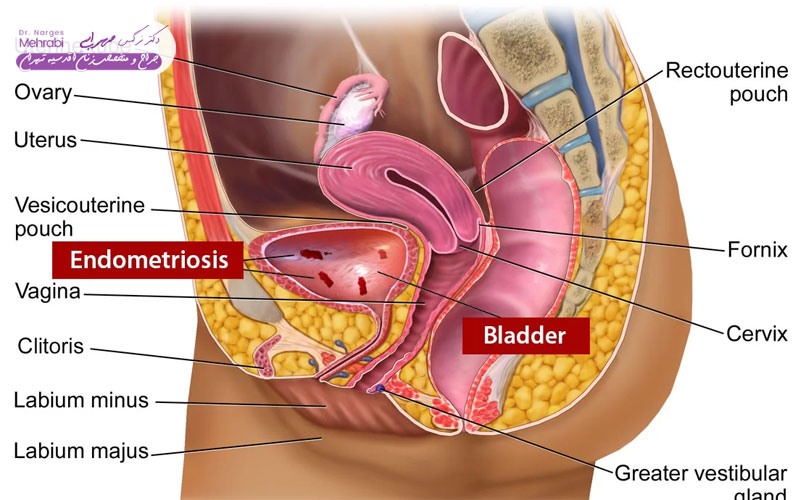
Bladder endometriosis is one of the lesser-known subcategories of endometriosis, which is usually diagnosed with a delay due to the similarity of its symptoms with common urinary problems. Many women live with pelvic pain, frequent urination, or blood in the urine for years and think these symptoms are caused by a urinary tract infection or simpler problems, when the root cause could be bladder involvement with endometrial tissue. This complexity doubles the need to be aware of the symptoms of bladder endometriosis.
In recent years, with the increase of studies in the field of women's health, more attention has been drawn to the effect of this disease on the quality of life, fertility and daily performance. Bladder endometriosis, unlike more common forms of endometriosis, can directly affect the functioning of the urinary system and cause symptoms that are often overlooked. Accurate understanding of these symptoms not only helps in early diagnosis, but also prevents the disease from turning into more advanced forms.
Recognizing this disease requires a comprehensive examination of the symptoms, their relationship with the menstrual cycle, and attention to physical changes. In this article, an attempt has been made to review all bladder endometriosis symptoms in a simple and scientific language in order to provide a comprehensive guide for women who are looking for an accurate and practical answer. href="#%D8%AF%D8%B1%D8%AF-%D9%88-%D8%B3%D9%88%D8%B2%D8%B4-%D9%87%D9%86%DA%AF%D8%A7%D9%85-%D8%A7% D8%AF%D8%B1%D8%A7%D8%B1-%DA%A9%D8%B1%D8%AF%D9%86-%D8%AF%DB%8C%D8%B3%D9%88%D8%B1%DB%8C%D8%A7">pain and burning when urinating (dysuria) Blood in the urine (hematuria)
Pain and burning when urinating is one of the most common symptoms of endometriosis of the bladder and it usually gets worse gradually. This pain can be similar to heat or burning that is felt in the urinary tract, and sometimes patients confuse it with symptoms of infection. However, unlike an infection, this burning sensation is often associated with the menstrual cycle.
In more severe stages, this burning may be felt even without urinating and at rest. This condition usually indicates advanced inflammation. This inflammation can cause the bladder tissue to swell and create a constant feeling of pressure and discomfort.
Finally, this type of pain can directly affect the quality of sleep, concentration, and daily activities. Therefore, any chronic heartburn that does not resolve with conventional treatments should be considered as an important symptom in the diagnosis of endometriosis of the bladder. Bladder endometriosis symptoms are usually noticed as the disease progresses. In this case, a person feels that his bladder is constantly full, even if there is a small volume of urine in it. This abnormal feeling is caused by the stimulation of pain and pressure receptors in the bladder wall.
In many cases, this recurrence is more intense in the days close to menstruation. The reason is the cyclical growth and inflammation of the endometrial tissue in the bladder, which becomes more active during the period. This issue causes women with endometriosis of the bladder to have to go to the bathroom many times day and night and their sleep is disturbed.
In some patients, the urgency to urinate is so intense that the patient must urinate immediately after feeling the need; Otherwise, it will have pain or a lot of pressure. This condition can be confused with an overactive bladder, but its relationship with the menstrual cycle is the most important indicator of diagnosis. Further, if these symptoms are ignored, it may lead to pelvic floor muscle weakness, anxiety and reduced quality of life. Therefore, paying attention to the frequency of unexplained urination and examining it, along with other symptoms, plays an important role in diagnosing endometriosis of the bladder. is Many women first think that blood in the urine is caused by infection, kidney stones or kidney problems, but a closer examination shows that the bleeding can be caused by endometrial tissue infiltrating the bladder. Blood in the urine can be mild (mild pink color) or severe (bright red color). The important thing is that this symptom is usually aggravated in the days before, during or after menstruation. This time pattern helps doctors to suggest the possibility of endometriosis.
Blood in urine (Hematuria)
Over time, repeated bleeding may cause chronic inflammation and swelling of the bladder tissue and aggravate other symptoms such as pain and frequency of urination. This inflammatory process can disrupt the normal functioning of the bladder and even lead to
Symptoms Bladder endometriosis is less diagnosed due to the low severity of symptoms. As the disease progresses and the endometriosis tissue penetrates deeper layers, the symptoms become more severe. At this stage, many patients experience constant pain that continues even outside of menstruation. These pains may worsen when the bladder is full, straining, or even when bending over and sitting for long periods of time. In addition, periodic urinary bleeding—which usually coincides with the menstrual cycle—may appear. This stage of the disease usually indicates a deep involvement of the bladder wall and severe irritation of its nerves.
In more advanced stages, endometriosis tissue can cause adhesions between the bladder, uterus and intestines, and this problem complicates the pattern of symptoms. In this situation, the person not only experiences the symptoms of endometriosis of the bladder, but may also have digestive pains or bowel evacuation problems at the same time. This overlap of symptoms often makes the diagnosis process more difficult, and the patient may have to travel between different specialists for a long time until an accurate diagnosis is finally made. Finally, if endometriosis is not treated and reaches the stage of deep and wide penetration, the normal function of the bladder may be disturbed and the person may experience a decrease in bladder capacity, the need to urinate very frequently, and even severe pelvic pain around the clock. Therefore, the severity and pattern of the symptoms of bladder endometriosis is a gradual process that starts with mild symptoms and turns into complex and debilitating symptoms if not diagnosed and treated. Recognizing this process is very important for early diagnosis and preventing permanent damage.
conclusion
Complete understanding of bladder endometriosis symptoms helps women to get to the root of their discomfort faster. This disease often remains undiagnosed for years due to its similarity with common urinary problems. But paying attention to the temporal pattern of symptoms, especially in relation to the menstrual cycle, is the key to its diagnosis.
Early diagnosis of bladder endometriosis not only controls inflammation and pain, but also prevents the progression of the disease and the involvement of other organs. Timely treatment can also greatly help to maintain fertility and improve quality of life. Finally, awareness and investigation of abnormal symptoms in the body is the first step in the management and treatment of this disease. If you or your loved ones suffer from frequent urinary or pelvic pain, it is very important to see a doctor and get a specialist examination. class="wp-block-uagb-info-box uagb-block-8e5821ed uagb-infobox__content-wrap uagb-infobox-icon-above-title uagb-infobox-image-valign-top">
Is endometriosis of the bladder diagnosed by urine test?
No. A urine test is usually normal because it is not an infection. But the presence of blood in the urine can be a sign of it.
Does bladder endometriosis cause infertility?
No directly, but it is usually associated with pelvic endometriosis that It can interfere with fertility.
Do the symptoms of this disease appear only during menstruation?
No, but usually the pain and bleeding around menstruation are more severe.
What is the difference between bladder endometriosis and urinary infection?
In infection, there are bacteria; But in bladder endometriosis, the misplaced endometrial tissue causes inflammation and the urine test is usually normal.
Can this disease be treated without surgery?
Depending on its severity, hormonal drug therapy can be effective. but in advanced cases, surgery may be necessary.
What is the most important symptom of endometriosis of the bladder?
combination of urinary pain, frequency of urination and exacerbation of these symptoms during menstruation are the most important indicators are.
Bladder endometriosis symptoms.
This article is being updated and expanded to comply with SEO standards.