

راه های کاهش درد دندان درآوردن کودک
راه های کاهش درد دندان درآوردن کودک
آیا درد دندان در آوردن کودکتان شب ها شما را بیدار نگه می دارد؟ Teething is full of pain, fever, and whining, and your child needs care during this period. To ease the pain of teething, which is one of the most difficult times of a child's development, learn how to relieve gum pain and care for your baby's new teeth.
Drying from the mouth and weak gums and crying during teething can cause discomfort for babies and parents; Here are some tips to help ease the pain for both of you
Although this timing varies widely, babies often start teething at 6 months of age. The two lower teeth (lower central teeth) usually appear first, followed by the two upper teeth (upper central teeth).
The old signs and symptoms of tooth extraction are:
- Water flowing from the mouth
- Chewing objects
- Gum excitability and laxity
- Wound or sensitive gums
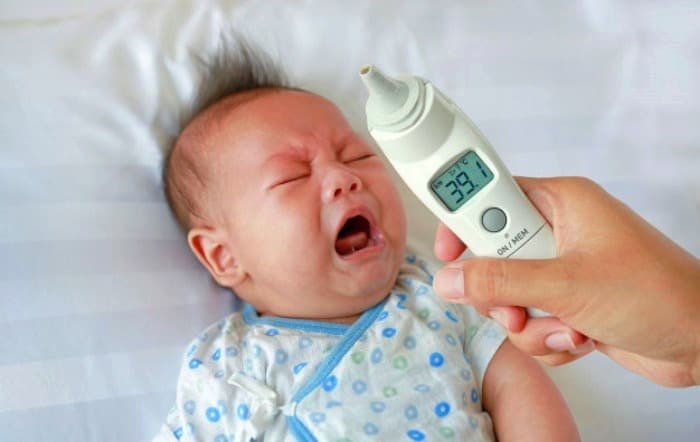
- Fever (2.37) degrees Celsius
Many parents believe that teething causes increased fever and diarrhea, but researchers say that these are not teething symptoms. If your child has a fever of 38°C or diarrhea, talk to your doctor.

Ways to reduce the pain of teething a child
What is the way to relieve gum pain?
If your baby is uncomfortable, consider these simple tips:
Apply
Use a clean finger or wet dressing pad to rub your baby's gums. Pushing can reduce your baby's discomfort.
Keep it cool
A small towel, spoon, or cold teething ring can relieve a child's gum pain. However, do not give the baby a frozen teething ring. Wash a small towel in water, wrap it and then freeze it for at least an hour, after leaving the freezer, let the baby chew it a little.
Try hard
If your baby eats solid food, you can try snacks, such as cucumber or carrot, chopped and cold. However, be aware of your child because there is a possibility of suffocation with solid materials for the child.
Excessive drooling is part of the teething process. The saliva of the child's mouth is created and flows by taking a tooth ring, fingers or other objects in the mouth.
So we suggest you to use a clean cloth to dry the baby's chin and use a moisturizer such as cream or water-based lotion to avoid burning the baby's skin when saliva flows from his mouth.
You can usually manage teething at home, but if your baby has a fever or seems uncomfortable, or has other symptoms of illness that could be unrelated to teething, call your doctor.

Ways to reduce the pain of teething a child
And the fastest home and herbal methods to relieve the pain of teething in a child
Ways to relieve the pain of child teething:
press
When teething, babies like to feel the pressure on the gums because this relieves the brain from the sudden pain. If your baby does not accept cold things, scratching his gums at room temperature may trick him.
Some teeth are vibrating. If one type does not work for your child, try another type until you find one that works for you. Unsweetened toothache crackers can also help. Or gently rub your baby's gums with a clean finger.
>
If nothing works and your child needs help, your doctor may suggest a pain reliever such as acetaminophen. If using acetaminophen for a child under 2 years of age, ask your doctor for the appropriate dosage.
Note: Do not give new medicines to the baby without first checking with the doctor.
For babies at least 6 months old, ibuprofen is another option to reduce inflammation in your baby's gums. But keep in mind that this drug can irritate the stomach.
Avoid homeopathic pills and medications that contain benzocaine or lidocaine. They can be harmful or even fatal for your child.
Parents have been using herbal remedies for hundreds of years to help ease their baby's teething pain (and many other ailments).
Here are some ideas:
Rose
Full of vitamin c and antioxidants, rose tea is great for boosting the immune system. In addition, it is known that rose has anti-inflammatory properties.Chamomile is one of the most common natural ingredients for treating teething. بابونه به آرامش و تسکین کج خلقی کمک می کند.
Clove
Clove flower is a natural anesthetic and has also been found to be used as a local anesthetic to reduce pain.
Prepare the tea, any of these herbs can be made into a tea, which can be soaked in a towel before freezing. So, in fact, these suggested plants are placed on your child's gums after the towel is soaked in it, and they are not edible.
Apply directly on the gums: You can apply the decoction of the plant directly on the gums or put the herbs in a small container and cover it with olive oil. Boil it for 4 to 6 minutes and keep the oil in the refrigerator. If necessary, put some cold oil on the baby's gums.

Ways to reduce the pain of teething a child
Reduce Inflammation due to teething in a child
Inflammation caused by teething can stimulate the nerves that cause pain, so reducing the inflammation is one of the ways to reduce the child's pain.
Try low-inflammation
White foods such as refined sugar and flour, apples and even dairy products can cause inflammation. A variety of fresh fruits and vegetables, edible meats, wild seafood, healthy fats (coconut, avocado, butter and whole eggs) are useful for reducing inflammation.
Reducing stress
Over time, stress can cause inflammation. Make sure the baby gets enough rest and eats healthy foods in addition to breast milk or formula.
Blood sugar balance
To maintain stable blood sugar levels, focus on whole foods instead of processed snacks. Try to eat healthy carbs (like sweet potatoes and fruit) with protein and plenty of healthy fats.
Strengthening the immune system
Many parents notice the symptoms of a runny nose or fever when teeth fall out. Strengthening the child's immune system at this time can help prevent the child from encountering dual diseases.
Babies are better off being breastfed because they use their milk antibodies to help build their immune system.
giving vitamin D to Child
Many of us and our babies are deficient in vitamin D due to less exposure to direct sunlight, and vitamin D plays an important role in supporting immune system function. Babies can take vitamin D drops to bring their levels up to normal.
Probiotics to infants
Since most of the immune system is in the gut, creating a healthy gut is very important for health and safety, so include foods with probiotics in the child's diet.
Frozen fruit or vegetables
Place fruit and vegetables in a mesh or silicone container for small babies and freeze for at least an hour. For older babies, put a banana in the freezer for a tasty snack that is also one of the best natural remedies.
cold spoon
Put a metal spoon in the refrigerator for at least 15 minutes, then place it on the baby's gums.

Ways to reduce the pain of teething a child
Should I take care of my baby's new teeth?
Ideally, you should put a clean wet wipe or toothbrush on your baby's gums every day. If you haven't already, now is a good time to start. Cleaning can prevent bacteria from working in your child's mouth.
When your baby's first teeth appear, use a small, soft and firm toothbrush.
Until your child learns to brush his teeth - around 3 years of age, use a fluoride toothpaste, not a lot but the size of a grain of rice, and after 2 to 3 years of age, use a pea size.
Also, it's time for regular dental checkups, the American Dental Association and the American Academy of Pediatric Dentistry recommend that you check your child after their first tooth erupts, not later than their first birthday.
Your baby's teeth and gums will also be checked during detailed newborn exams. Remember that regular dental care is a helpful step in creating a lifetime of healthy teeth and gums.
Ways to reduce the pain of teething in a child Ways to reduce the pain of teething in a child Ways to reduce the pain of teething in a child