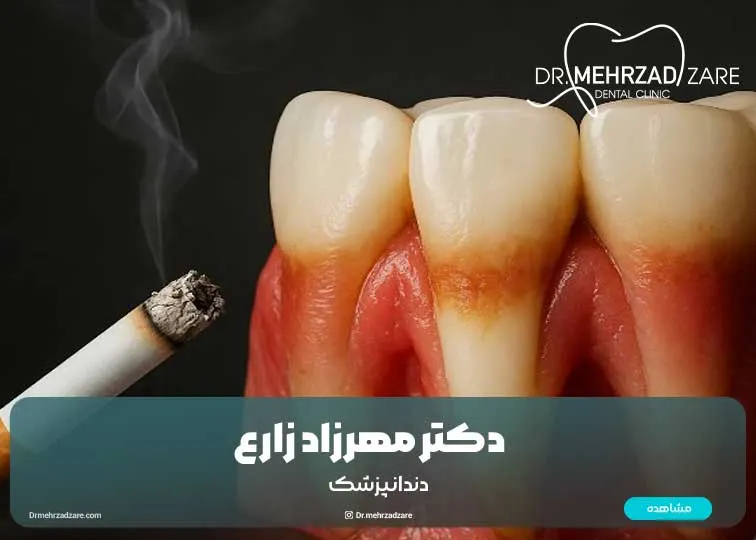

Smoking has been known as one of the biggest enemies of oral and dental health for years. People who smoke are more likely to suffer from gingivitis, gingivitis, bleeding gums, bad breath and even tooth loss. Gum hygiene and smoking have a direct and sensitive relationship; The more you smoke, the faster the health of the soft tissue of the mouth is damaged. This article explains from a scientific, practical and completely human perspective how smoking threatens gum health, what are the ways to prevent it, and how to control or treat its damage.
Defining the relationship between gum health and smoking
Gum hygiene includes daily care of gum tissue, microbial plaque control, correct toothbrush, is periodic scaling and prevention of gum infections.
Cigarette disrupts all these processes by causing extensive changes in blood flow, immune system and gum tissue. Therefore, the relationship between gum health and smoking is a very effective and direct relationship; The more a person smokes, the higher the level of care required to maintain gum health.
reasons for the negative effect of smoking on the gums
1. Decreased gum blood circulation
Cigarette causes contraction of blood vessels. This event reduces the blood supply to the gums and the body cannot deliver enough repair materials and oxygen to the gums.
2. Weakening of the immune system
Nicotine consumption reduces the body's defense power and the gums become less resistant to bacteria.
3. Rapid growth of bacterial plaque
Cigarettes leave sticky compounds on the teeth. These substances increase sedimentation and the growth of bacteria.
This situation provides the basis for gingivitis and pyorrhea.
4. Impairment of gum repair
When the body tries to repair a wound or gum inflammation, nicotine slows down the cell repair process. For this reason, smokers are treated later.
5. Hide signs
The most important symptoms of gum health damage due to smoking
Bad breath Dark or red gums Bleeding while brushing Loose teeth The best way to keep your gums healthy is to reduce your smoking and try to quit smoking altogether. Gradual reduction also helps a lot. Cleaning the interdental areas prevents the accumulation of plaque. Smokers should brush their teeth twice a day and at least once 3. Penalty and periodical checkup
Doctors recommend that smokers take a blood test every 6 months. This greatly reduces the possibility of gingivitis. Anti-inflammatory mouthwashes can reduce the amount of bacteria and prevent the progression of the disease. Cigarette dries the mouth. Dry mouth provides an environment for the growth of bacteria. Stress increases the desire to smoke and increases inflammation in the body. Regular exercise reduces stress and strengthens the immune system. The doctor first removes hardened plaques. Then he cleans under the gums to reduce the inflammation. Laser is a powerful way to reduce inflammation, destroy bacteria and stimulate tissue repair. If gingival erosion is extensive, flap surgery or soft tissue grafting may be needed. The doctor may prescribe topical antibiotics or specialized mouthwash. Ozone can kill bacteria and disinfect the gums. This method is very useful for smokers. Besides medical treatments, it is necessary to modify nutrition, reduce smoking and perform relaxation exercises. Some people withdraw more easily with acupuncture and their withdrawal symptoms are less severe. These vitamins help increase gum healing and reduce inflammation. Gentle massage with a finger or a special brush can improve blood flow. Probiotics increase the beneficial bacteria in the mouth and prevent the growth of harmful microbes. These exercises are simple but effective: Massage the gums with circular movements for 2 minutes daily. Press the tongue behind the lips to activate the mouth muscles. Apples, carrots and celery stimulate the gums and increase blood flow. The relationship between gum health and smoking is quite clear; Smoking threatens gum health and increases the possibility of gum disease and tooth loss. Smokers with more careful care, regular weighing, reduction of smoking, correct use of toothbrush and If a person quits smoking, the gums will be repaired better and the quality of his life will increase noticeably. 1. Does smoking cause bleeding gums? 2. How many times a year should smokers take a blood test? 3. Does quitting smoking make the gums heal? 4. Does electronic cigarette damage the gums? 5. Is teeth whitening suitable for smokers? 6. Is mouthwash enough for smokers? 7. Does smoking cause bad breath? 8. Do smokers' gums heal slower? 9. Do implants cause problems for smokers? 10. Can drinking water reduce the effect of smoking? Smoking only damages the lungs. The gums of smokers are stronger. Cigarette reduces gum bleeding, so it is not harmful. If we brush our teeth once a day, smoking is not a problem. E-cigarette is safe. Crushing causes loose teeth. Smokers do not need mouthwash. Gingivitis always hurts. Dark gums are always genetic. Smoking has no effect on orthodontic treatment.
Methods to prevent smoking damage on gums
1. Reducing and quitting smoking
2. Correct use of toothbrush and dental floss
4. Using antibacterial mouthwash
5. Drinking water and eating healthy food
Consumption of water, fruits and vegetables helps a lot in gum health.6. Daily exercise and stress reduction
Effective treatments for gum damage caused by smoking
1. Scaling and periodontal treatment
2. Gum laser therapy
3. Gum surgery for severe analysis
4. Drug treatment
5. Ozone therapy
6. Lifestyle modification
Alternative and complementary therapies to improve gum health in smokers

1. Acupuncture to reduce smoking dependence
2. Consumption of vitamin C and D
3. Gum massage
4. Oral probiotic supplements
Suitable exercises to strengthen gums and reduce the effects of smoking
1. Blood flow stimulation exercise
2. Language practice
3. Chewing hard and healthy foods
Conclusion
Frequently Asked Questions
Yes, nicotine irritates the gums and increases the possibility of bleeding.
At least twice a year.
Yes, quitting smoking improves the healing process faster.
Yes, vapor containing nicotine causes inflammation of the gums.
Yes, but the gums must be treated first.
It helps, but it does not take the place of brushing and flossing.
Yes, smoke compounds stay on the gums and tongue.
Yes, nicotine slows down the healing process.
Yes, the possibility of implant failure increases.
Water reduces dry mouth and limits the environment for the growth of bacteria.Beliefs False





