Table of contents
- What is the nervous system?
- Division of the nervous system
- What are the main components of the nervous system?
- The functions of the nervous system in the body
- How does the nervous system work?
- Disorders related to the nervous system Nervous
- How to strengthen the nervous system?
- for Which doctor should we refer to for the treatment of neurological problems?
- Conclusion
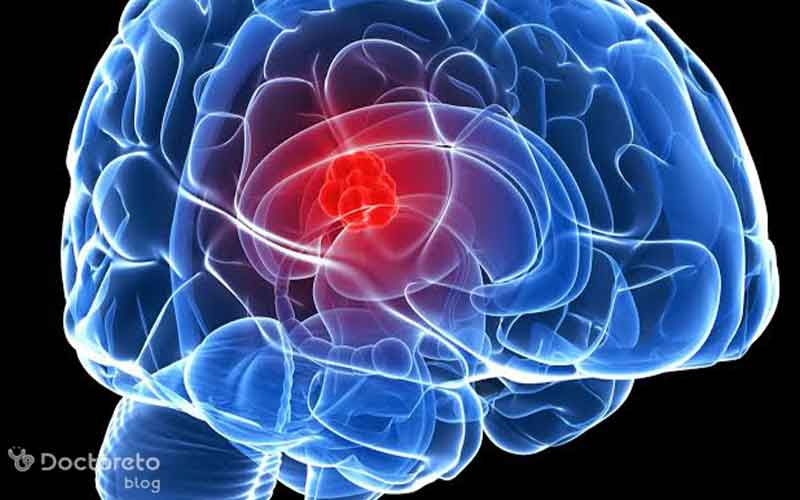
Nervous system is the command center of the body and consists of brain, spinal cord and nerves. This system works by sending electrical messages and signals between the brain and other parts of the body, telling you to breathe, move, speak or see. The nervous system monitors what is happening inside and outside the body and decides how to respond to each situation. In addition to regulating complex processes such as thoughts and memory, it plays an important role in doing things that the body does without thinking; Like sweating and blinking. In the continuation of this article from Doktorto, we will introduce you to this amazing and complex system. Knowing more about your nervous system will delight you.
What is the nervous system?
The human nervous system is a network that controls and coordinates the body and consists of the brain, spinal cord and nerves. This system allows you to do things like walking, talking, swallowing, breathing and learning. Disturbance in any of these functions necessitates the need to see a neurologist specialist. The nervous system also manages how the body reacts to stressful situations. The nervous system interprets the information collected through the senses and responds to them. In simple words, its main function is to create a communication network between the body and the internal and external environment so that messages can be accurately sent and received.
Division of the nervous system
The nervous system is divided into two main parts: the central nervous system (CNS) and the peripheral nervous system (PNS). The CNS includes the brain and spinal cord and is responsible for receiving, processing and responding to sensory information. While the peripheral nervous system includes all the nerves that connect the brain and spinal cord to other parts of the body.
1. Central nervous system
The central nervous system includes the brain and spinal cord and is considered the information processing center of the body. This part is responsible for controlling and coordinating body functions and acts as the commander part of the nervous system. The brain is the main commander of all body functions and the spinal cord transmits messages between the brain and other parts of the body. Overall, the CNS plays a vital role in coordinating and controlling physical and mental activities. If you want to know more about the central nervous system, you should know how the human brain works.
2. Peripheral nervous system
The peripheral nervous system is located outside the brain and spinal cord, and its role is to send information from different parts of the body to the brain and execute the brain's commands throughout the body. Simply put, the PNS is the messenger of the nervous system and allows your body to coordinate with its environment and internal state.
English text:
quoted from kidshealth
The nervous system includes the brain, spinal cord, and a complex network of nerves. This system sends messages back and forth between the brain and the body. The brain is what controls all the body's functions. Farsi translation: The nervous system includes the brain, spinal cord and a complex network of nerves. This system exchanges messages between the brain and the body. The brain is the part that controls all the functions of the body.
3. Parasympathetic nervous system
The parasympathetic nervous system is part of the body's autonomic system and has the role of balancing the sympathetic nervous system. While the sympathetic system activates the body's "fight or flight" response, the parasympathetic system regulates the body's function during rest and energy recovery.
4. Sympathetic nervous system
The sympathetic nervous system is the part of the autonomic nervous system that manages the body's unconscious actions. Its main function is to activate the fight or flight response when faced with stress or threat. However, this system is constantly active at the base level to maintain the body's balance (homeostasis) and keep the body's vital functions stable.
| Part of the nervous system | Type of activity and function |
|---|---|
| Central nervous system | Center for processing information and controlling body functions |
| Peripheral nervous system | Messenger between the body and Brain |
| Sympathetic nervous system | Activating the fight or flight response and maintaining the basic balance of the body |
| Parasympathetic nervous system | Regulating the body's function during rest and energy recovery |
What are the main components of the nervous system?
The nervous system consists of the brain, spinal cord, and a complex network of nerves that transmits messages between the brain and other parts of the body. Together, these components provide the possibility of controlling body functions and coordinating activities. Together, these components regulate and coordinate the complex functions of the body.
1. Neurons
Neurons, or nerve cells, are the basic units of the nervous system that send messages throughout the body. These cells allow you to breathe, talk, eat, walk, and think. Each neuron consists of a cell body, dendrites (message receivers) and axons (message transmitters). These cells communicate with each other through synapses and transfer information quickly and accurately between different parts of the nervous system. Neurons play a key role in controlling movements, emotions and mental activities.
2. Glial cells (Neuroglia)
Glial cells (also called gliocytes or neuroglia) are non-neuronal cells of the nervous system. These cells do not produce electrical impulses, but they play an important role in supporting, nourishing and protecting neurons and maintaining the healthy functioning of the nervous system, and they are present in both the CNS and PNS.
Tasks of the nervous system in the body
The main job of the nervous system is to send messages between the brain and other parts of the body so that the body knows what to do. These messages not only regulate body movements and balance, but also manage thoughts, memory, learning, and emotions. The nervous system maintains the health and harmony of the body by receiving information from the environment and the body, processing them and responding appropriately. The main functions of the nervous system include the following:
-
Receiving and transmitting information: the nervous system receives information from the environment and the body through the senses, processes them and creates appropriate reactions; such as moving muscles or feeling pain.
- Information processing and interpretation: The brain receives and processes sensory information and produces appropriate responses such as movement, feeling, communication and thinking.
- Response to stimuli: The nervous system reacts to stimuli. For example, when you touch a hot plate, your hand automatically retracts and at the same time a pain signal is sent to the brain. Controlling body actions: The nervous system uses neurons to send messages from the brain to the spinal cord and then to the body's nerves. Billions of neurons together create a communication network.
- Movement and coordination: The nervous system and hormones work together to coordinate the voluntary and involuntary movements of the body. Messages are transmitted through electrical impulses.
- Thinking and emotions: The nervous system directs daily activities, automatic processes such as breathing and complex processes such as thinking, memory, reading and emotions, and also controls the growth and development of the brain.
- Regulating body homeostasis: the nervous system maintains the internal balance of the body, such as body temperature and heart rate, using feedback mechanisms. For example, temperature receptors detect changes and send signals to the hypothalamus so that the body can react appropriately.
How does the nervous system work?
The nervous system controls the functioning of the body by receiving information from the senses, processing them and creating appropriate responses. For example, when you touch a hot plate, the nervous system unconsciously pulls your hand back and simultaneously sends pain signals to the brain. This process shows how the nervous system transmits and manages environmental and internal information so that the body can react properly.
Disorders related to the nervous system
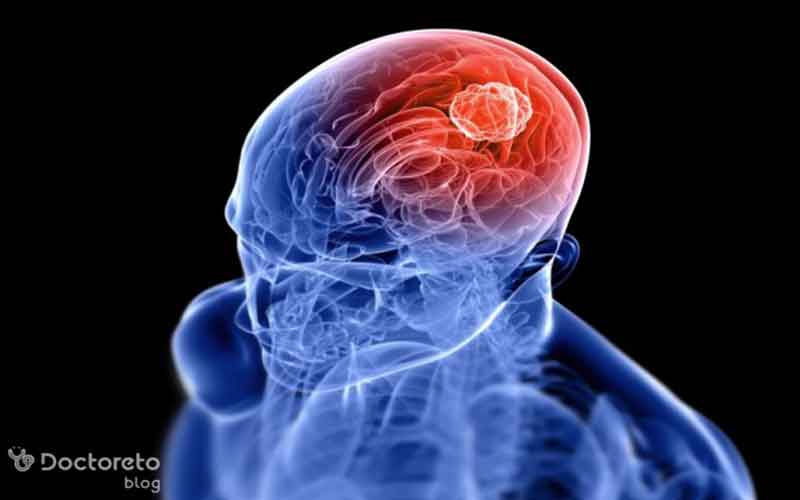
Generally, nervous system disorders can be divided into five main categories: vascular, infections, structural, functional, and degeneration. Vascular disorders include problems with cerebral vessels such as stroke, transient ischemic attack, and cerebral hemorrhages. Infections can be caused by bacteria, viruses, fungi or parasites and cause diseases such as meningitis, encephalitis and epidural abscess. Structural disorders include injury or trauma to the brain and spinal cord such as Bell's palsy, carpal tunnel syndrome, and brain or spinal cord tumors.
Functional disorders are caused by problems in the way signals are communicated in the brain and include headache, epilepsy, confusion and neuralgia. Degeneration is caused by the destruction of nerves over time and leads to brain and nerve diseases such as Parkinson's, multiple sclerosis, Alzheimer's and Huntington's disease.1. Depression and mental disorders
Mental disorders are related to the brain, but clinically they are mainly classified in the field of psychiatry and mental health. The symptoms of these disorders, such as depression, can vary from mild to severe and can interfere with a person's ability to perform daily activities. For this reason, the importance of their timely diagnosis and management is very high.
2. Neurological diseases (such as Parkinson's, Alzheimer's, MS)
Neurodegenerative diseases such as Alzheimer's disease, MS and Parkinson's disease gradually destroy nerve cells and reduce a person's motor, cognitive and memory abilities. These diseases disrupt the normal functioning of the nervous system and require long-term treatment and care.
English text:
quoted from healthdirect
The nervous system is made up of the brain, spinal cord and nerves. It controls many aspects of what you think, how you feel and what your body does. It allows you to do things such as walk, speak, swallow, breathe and learn. It also controls how the body reacts in stressful situations. Farsi translation: The nervous system consists of the brain, spinal cord and nerves. This system controls many aspects of how your body thinks, feels, and functions. This system allows you to do things like walk, talk, swallow, breathe and learn. It also controls how the body reacts in stressful situations.
3. Brain and spinal injuries and injuries
Brain and spinal cord injuries can be caused by infections or structural disorders. For example, meningitis, encephalitis or epidural abscess, brain or spinal cord injuries, cervical spondylosis, carpal tunnel syndrome, and brain or spinal cord tumors, as well as seizure disorders such as epilepsy, are examples of these injuries that disrupt the functioning of the nervous system.
How to strengthen the nervous system?
Nutrition and a healthy lifestyle play an important role in strengthening the brain and nerves and the nervous system. Regular physical activity, such as walking, swimming, and yoga, improves blood flow and delivers nutrients and oxygen to nerve cells. A healthy diet including omega-3 fatty acids (in salmon) and curcumin (in turmeric) can improve nerve function and flexibility in the brain and spinal cord, but the evidence is still inconclusive. B vitamins, especially B1, B6 and B12, play a vital role in the health of neurons and work as a team to maintain the overall function of the nervous system.
Which doctor should we refer to for the treatment of brain and nerve problems?
For more information about neurological problems, you can make an appointment with the best neurologists in Iran.
In the following, you can see a list of the most prominent neurologists in some different cities of Iran:
Conclusion
The nervous system is the command center of the body that receives, processes and responds to information so that movements, emotions and vital functions of the body are carried out correctly. Awareness of neurological disorders and ways to strengthen the nervous system, such as healthy eating and regular physical activity, help maintain the health of the brain and spinal cord and reduce the risk of neurological problems.
Your doctor takes care of your health!