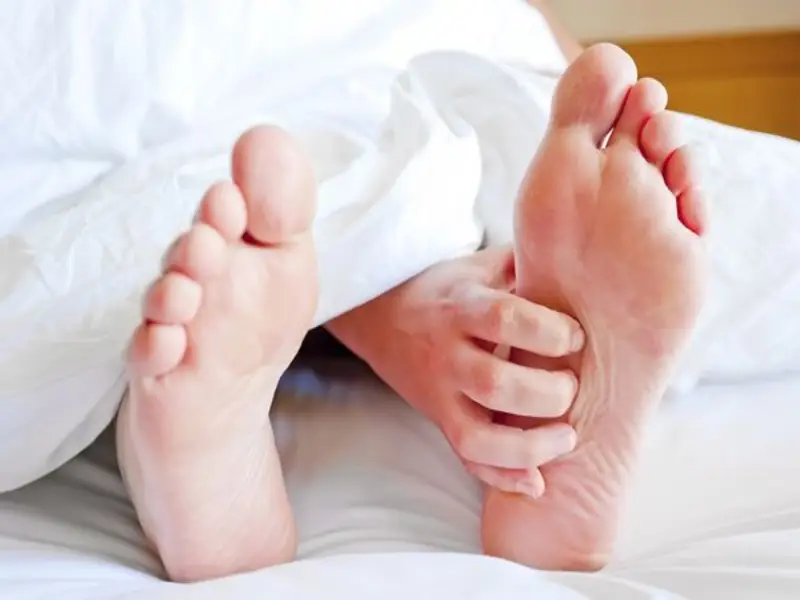

سندرم پای بیقرار (Restless Legs Syndrome یا RLS) یکی از اختلالات حرکتی است که با احساسات ناخوشایند در ناحیه پاها و تمایل غیرقابل کنترل به حرکت آنها همراه است. این سندرم معمولاً در شبها و در حالت استراحت بروز میکند و میتواند برای فرد اختلال خواب ایجاد کند، و کیفیت زندگی را تحت تاثیر قرار دهد. افراد مبتلا به سندرم پای بیقرار ممکن است توصیف کنند که احساس خارش، سوزش یا درد خفیف در پاهایشان دارند که تنها با حرکت دادن آنها تسکین مییابد. این اختلال میتواند به دلایل مختلفی از جمله ژنتیک، اختلالات عصبی و عوامل محیطی بروز کند و درمان آن معمولاً به مدیریت علائم و بهبود کیفیت خواب معطوف میشود. In this article, the causes, symptoms and treatment methods available for restless leg syndrome will be discussed.

Acquaintance with restless leg syndrome: causes, symptoms and treatments
Restless legs syndrome (RLS) is a neurological disorder characterized by an unpleasant and often uncomfortable feeling in the legs and the urge to move them. These sensations are often aggravated at rest, especially at night, and are temporarily relieved by moving the legs. It can cause sleep disorder for the person. slow Symptoms can include itching, burning, stretching, pain, or discomfort in the legs. These sensations often occur in one or both legs and do not usually occur on one side of the body. RLS can severely affect sleep quality and lead to fatigue, daily fatigue, and behavioral problems.
In addition to physical symptoms, restless legs syndrome can be accompanied by symptoms such as mental restlessness, concentration problems, and irritability. The severity of RLS symptoms can vary over time and in different people. In some cases, the symptoms may be mild and occur only in certain situations, such as at night, while in others, the symptoms are chronic and severe and interfere with a person's daily life. Accurate diagnosis of this disorder often requires careful examination of symptoms by medical professionals.
cause of restless leg syndrome
The exact cause of restless legs syndrome (RLS) is still not fully understood, but research suggests that the disorder may be the result of a combination of genetic, chemical, and environmental factors. Some studies suggest that this condition may be linked to an imbalance of dopamine in the brain, which plays a key role in controlling body movements. Also, a family history of RLS can indicate the presence of genetic factors; Especially in patients whose symptoms started at a young age. On the other hand, environmental factors such as trauma, lack of sleep, anemia caused by iron deficiency, and some diseases such as diabetes and kidney disorders can also be effective in the occurrence of RLS. Some medications, especially those that affect the nervous system, such as antidepressants and antihistamines, can also aggravate the symptoms of this syndrome. In general, restless leg syndrome is most likely the result of a complex interaction of several factors that may vary from person to person.
symptoms of restless leg syndrome
Restless legs syndrome (RLS) is characterized by a specific set of symptoms that occur mainly at rest or at night. Unpleasant feeling in the legs is one of the most obvious symptoms of this disorder; These sensations can include itching, burning, pulling, pain, or a feeling of pressure that is relieved only by moving the legs. Sufferers typically describe the sensation as uncontrollably forcing them to move their legs. Symptoms are usually worse when sitting or lying down, especially when sleeping, and can greatly reduce the quality of a person's sleep. Also, the disorder may cause psychological symptoms, such as anxiety, irritability, and difficulty concentrating. In some cases, sufferers may experience involuntary leg movements during sleep, known as "sleep leg movements" and can lead to poor quality sleep and daytime fatigue. Finally, the intensity and type of symptoms in each patient may be different and can change over time.

Restless legs syndrome in children
Restless legs syndrome (RLS) in children is a movement disorder that causes unpleasant sensations in the legs and is usually accompanied by the need to move them. This condition often peaks at night and during rest or sleep and can disturb children's sleep. Symptoms of restless leg syndrome include a tingling, burning, or pain in the legs that prompts the child to move or stretch. In general, this disorder may be caused by genetic factors, iron deficiency or neurological disorders. Early detection and proper management can help improve the quality of sleep and improve the child's daily life. Treatment may include lifestyle changes, counseling, and in some cases medication.
dangers of restless legs syndrome in children
Risks of Restless Leg Syndrome (RLS) in children, although not directly life-threatening, can have significant negative consequences on their health and development. These risks include the following:
Sleep disturbances: RLS is usually worse at night, causing frequent awakenings or disturbed sleep and low levels of REM sleep. This leads to fatigue, poor performance in school, concentration problems, mood swings and reduced ability to learn.
Academic problems: Children with RLS may have trouble concentrating and learning in school due to lack of sleep. This can lead to a drop in academic performance, a decrease in self-confidence and social problems.Behavioral disorders: Lack of sleep and chronic fatigue caused by RLS can lead to impulsive behaviors, aggression, disobedience, or other behavioral problems. Also, the child may show more anger and irritability.
Social problems: Lack of sleep and behavioral problems caused by RLS may negatively affect the child's social relationships. It may be difficult to establish relationships with peers and participate in social activities.
Long-term health problems: While RLS itself is not a serious condition, the sleep problems and chronic fatigue it causes can increase your risk of developing other health problems in the future.
Impact on the quality of life: Inadequate sleep and behavioral problems caused by RLS can significantly affect the quality of life of the child and his family. This includes stress, tension and psychological pressure for the family.
It is important to note that the severity of these risks may vary from child to child and depends on several factors. Early diagnosis and treatment of RLS can significantly prevent or reduce these risks.
restless-leg-syndrome-treatment-methods
Restless legs syndrome (RLS) treatment methods in children and adults have differences, but the general goal is to improve symptoms and quality of life. Treatment varies based on the severity of symptoms, the person's age, and the presence of other medical conditions.
Treatment methods include:
Medications:
Dopamine receptor agonists: This class of drugs is one of the most common and effective drugs for the treatment of RLS. For children, doses and types of drugs may be different and prescribed with caution and under the supervision of a doctor.
Anti-seizure medications: In some cases, anti-seizure medications such as gabapentin or pramipexole may be helpful in controlling symptoms.
Other medications: Other medications, such as some anti-anxiety or antidepressant medications, may be helpful in controlling symptoms in certain cases.
Important: drug prescription should always be done by a doctor and under the close supervision of a doctor. The dose and type of medicine for children should be chosen carefully.
Behavioral interventions:
Controlling the sleeping environment: creating a calm and comfortable sleeping environment, with the right temperature, darkness and silence, can be very effective.
Lifestyle changes: regular exercise, stress management and establishing healthy sleep habits (such as having a regular sleep and wake schedule) play an important role in controlling symptoms.
Regular exercise: Regular exercise, but not too close to bedtime, can reduce RLS symptoms.
Avoid caffeine, alcohol, and nicotine: These substances can make RLS symptoms worse.
Using a compress: heat or cold in the leg area may be helpful.
Massage: In some cases, massage can reduce symptoms.
Physiotherapy: In cases where there are problems in muscles and joints, physiotherapy can be useful.
Complementary treatments:
Ozone therapy: This method is known to be useful in some cases to control pain and symptoms, but it needs more investigation and more research.
Relaxation techniques: deep breathing exercises, yoga and meditation can be effective in reducing anxiety and stress.
Important:
Correct diagnosis: It is necessary to diagnose restless leg syndrome by a specialist doctor.
Comprehensive evaluation: The doctor should also check other possible medical conditions.
Continuity of treatment: treatment should be done continuously and under the supervision of a doctor.
Individualized recommendations: The best treatment for each person is different based on their specific needs and medical conditions.
Important note: The information in this answer is not a substitute for medical advice. To treat restless leg syndrome in children, be sure to consult a specialist doctor.
Conclusion
Restless legs syndrome (RLS) is a neurological disorder characterized by discomfort, itching, or restlessness in the legs, especially at night. The exact cause of RLS is still not fully understood, but genetic, environmental, and certain medical conditions may play a role. There are a variety of treatments, including dopamine agonist drugs, lifestyle changes, and in some cases, physical therapy, to manage symptoms and improve the quality of life of sufferers. Lack of treatment can lead to sleep problems, fatigue, mood disorders and reduced daily functioning.