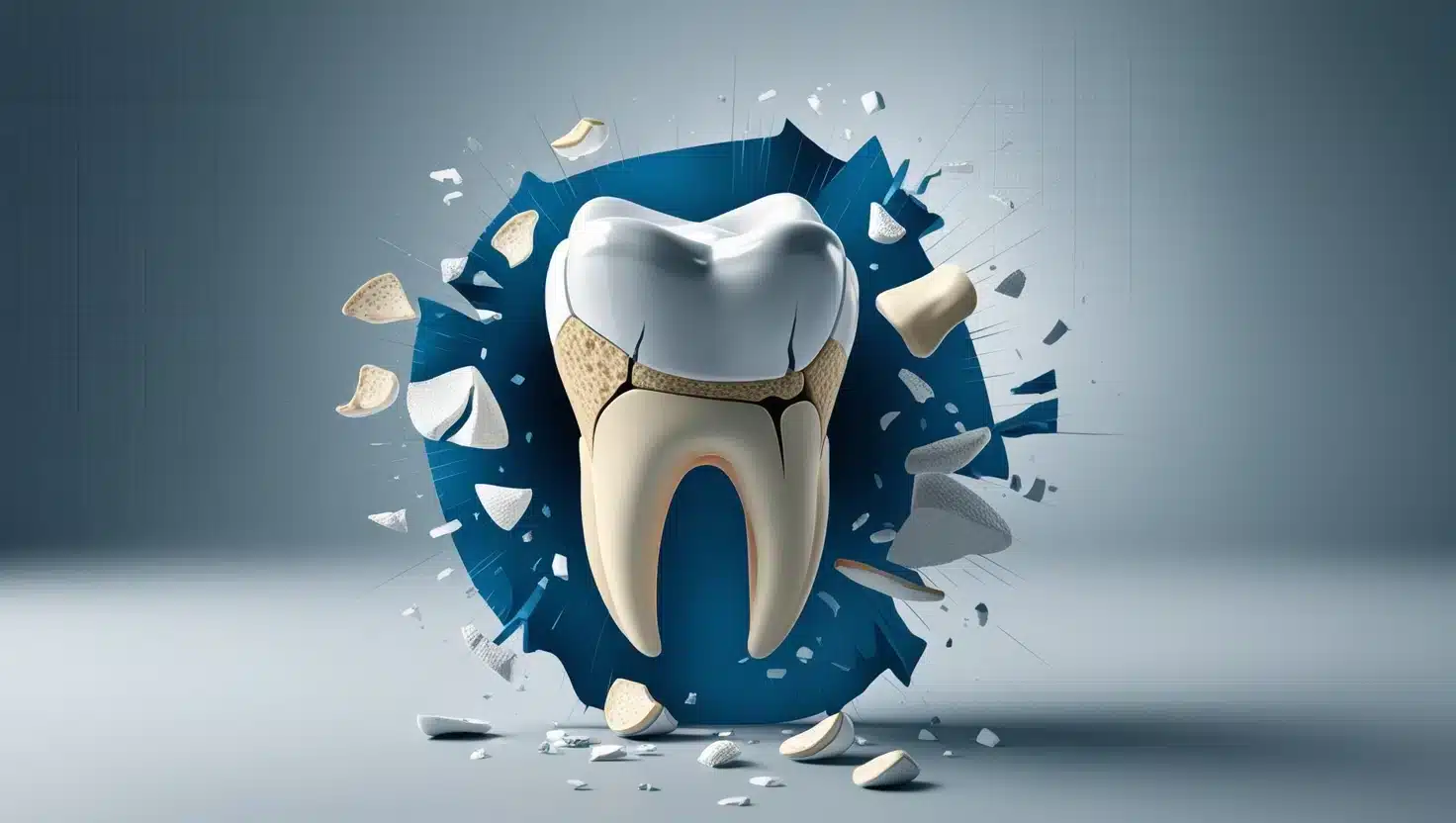

سندروم ترک دندان (Dental Fracture Syndrome) به مجموعهای از علائم و نشانهها اطلاق میشود که ناشی از وجود ترکها یا شکستگیهای کوچک در ساختار دندانها، به ویژه دندانهای خلفی مانند دندانهای آسیاب است. This condition is usually caused by physical stress, bad dental habits (such as grinding teeth) or previous injuries to the teeth.
“If left undetected, tooth decay can cause chronic pain, root damage, and even tooth loss.” — American Dental Association (ADA)
This syndrome can affect the patient's quality of life, because eating, speaking and even the beauty of the smile are affected. In the rest of this blog from Saadat Clinic Bthe best dental clinic in Mashhad we will discuss this more.
Clinical symptoms of tooth gap syndrome
Symptoms of tooth crack syndrome can be diverse and vary depending on the severity and type of cracks. The most important symptoms are:
pain and sensitivity
- Sudden pain: One of the most common symptoms is sudden and severe pain that may be felt during chewing or pressure on the teeth.
- Sensitivity to temperature: Patients may be allergic to hot or cold foods and drinks, which manifests as pain or discomfort.
pain when chewing
- Patients may feel pain or discomfort when chewing. This pain is usually concentrated in the area where the tooth crack was created.
Dull pain, swelling and inflammation
- In some cases, the pain may be felt vaguely and scattered in the mouth and it is difficult to determine its exact location.
- Swelling and inflammation in the area of the damaged tooth can be caused by infection or inflammation of the surrounding tissues.
Change in chewing habits
- The patient may unconsciously change their chewing habits to avoid pain, which can put more pressure on other teeth.
Problems in tooth restoration
- Cracked teeth can cause previous restorations such as fillings to not function properly and cause pain or discomfort.
Changes in the appearance of teeth
- Cracks may be visible as fine lines or larger fractures on the tooth.
Diagnosis of tooth gap syndrome

Diagnosing teeth syndrome teeth gap can be challenging because the symptoms are similar to other dental problems. Dentists usually use the following methods:
- Clinical examination: Examination of medical history and current symptoms, pain intensity and dental habits of the patient.
- Diagnostic tests: Use of temperature (hot and cold) or pressure to evaluate tooth sensitivity.
- Imaging: X-ray images to identify internal cracks and fractures, which sometimes require more advanced imaging.
- Differential diagnosis: Separation of tooth cracks from decay, dental infection and gum problems.
- Consultation with an expert: In complex cases, cooperation with an endodontist or prosthodontist for a more accurate diagnosis.
"Correct and early diagnosis of tooth decay is the key to maintaining dental health and avoiding complicated surgeries."
— Dr. John Smith, endodontist specialist
Effective factors in tooth gap syndrome
Tooth gap syndrome is influenced by a set of physical, biological, therapeutic, psychological, structural and nutritional factors:
Physical factors
- Pressure and tension: Grinding teeth or clenching teeth
- Impact: fall, accident or direct injury
Biological agents
- Tooth decay: Weakening of tooth structure
- Gum diseases: inflammation and damage to the tissues around the teeth
therapeutic agents
- False restorations: Poor filling or restoration
- Using inappropriate materials: low quality restoration materials
Psychological factors
- Stress and anxiety: Increase in incorrect dental habits such as teeth grinding
Structural factors in tooth gap syndrome
- Age: aging and natural changes in tooth structure
- Tooth structure: Thin or weak teeth
Nutritional factors
- Improper diet: excessive consumption of hard or sticky foods
- Deficiency of minerals: calcium and vitamin D deficiency

Treatment of tooth gap syndrome
Treatment includes non-surgical and surgical methods depending on the severity of the cracks and the condition of the teeth.
Non-surgical treatments
- Tooth restoration: use of composite or ceramic fillings
- Dental bonding: to strengthen teeth and prevent the development of cracks
- Dental guard: reducing the pressure caused by grinding teeth
- Pain management: Analgesic and anti-inflammatory drugs
"The most important measure to prevent serious tooth damage is the early diagnosis of tooth decay syndrome and timely care."
— International Association of Endodontists
Surgical treatments
- Nervectomy (endodontic): in case of nerve damage
- Dental prosthesis: in case of severe and irreparable cracks, replacement with an implant or bridge
- Prevention and education: modification of dental habits and patient education
- Follow-up and care: Regular examinations to detect problems early
Conclusion
Tooth gap syndrome is a common and important problem that, if not treated in time, can lead to chronic pain, infection, and even tooth loss. Correct diagnosis and regular follow-up by the dentist, along with changing bad habits and taking care of the teeth, is the key to maintaining dental health and preventing more serious complications.
Sources:
Frequently asked questions about tooth decay (FAQs)
How common is tooth decay?
Tooth cracking is more common in posterior teeth and teeth with fillings.
Does tooth decay always hurt?
No, some cracks are small and asymptomatic, but they should be under the supervision of a dentist.
Can tooth decay be prevented?
Yes, using a dental guard, avoiding chewing hard objects and observing oral hygiene.
Can a cracked tooth be repaired?
Depending on the severity of the crack, it can be treated with filling, bonding, nerve extraction or dental prosthesis.



