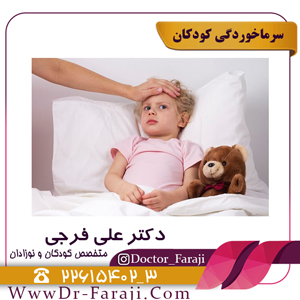


سرماخوردگی در کودکان یکی از شایعترین بیماریهای تنفسی است که معمولا به دلیل ویروسها ایجاد میشود و علائمی مانند آبریزش بینی، سرفه، گلودرد، تب و احساس کسالت را به دنبال دارد. با توجه به سیستم ایمنی ناتمام کودکان، آنها بیشتر در معرض ابتلا به ویروسهایی هستند که باعث سرماخوردگی میشوند. همچنین، به دلیل فعالیتهای روزانه و تماس با همسالان، امکان انتقال ویروسها در مدارس و مراکز بازی بسیار بالا است. اگرچه سرماخوردگی معمولاً بیماریای خفیف است و به خودی خود بهبود مییابد، اما میتواند برای کودکان ناراحتیهایی ایجاد کند و گاهی به عوارضی مانند عفونت گوش یا سینوزیت منجر شود. In the meantime, parents' awareness of symptoms, preventions and treatment methods can help reduce the severity of the disease and speed up the recovery process.
Watch the video of pediatrician Dr. Ali Faraji's explanation about children's colds:

common cold in children
common cold-symptoms in children
Common cold symptoms in children are:
- Running nose or nasal congestion: It is one of the first symptoms of a cold, which usually appears as a clear or yellow discharge from the nose.
- Cough: Dry cough or phlegm is another common symptom that can be caused by inflammation of the respiratory tract.
- Sore throat: The child may complain of pain or dryness in the throat.
- Mild fever: In many cases, a cold causes a fever, but the fever is usually mild and limited.
- Decreased appetite: The child may have less desire to eat due to discomfort and boredom.
- Feeling tired and lethargic: Children may feel tired and lethargic due to viral infection.
- Sneezing: Frequent sneezing is one of the initial symptoms of a cold, which occurs due to irritation of the respiratory tract.
- Inflammation of the eyes: Sometimes the eyes are red and watery, which indicates mild inflammation in the eye area.
- Muscle pain: In some cases, children may complain of pain in their muscles or body.
Although these symptoms are usually mild and temporary, if the symptoms become more severe or the child has difficulty breathing, you should immediately seek best pediatrician be.

What are the causes of colds in children?
Colds in children occur due to various factors that are usually caused by viruses. Some of the main causes of colds in children are:
- Viruses: Viruses such as Rhinovirus, which is the most common cause of colds, can cause cold symptoms such as runny nose, cough, sore throat, and fever.
- Bacterial infections: Another type of cold infections are bacterial, the bacterial infection often resolves in a longer period of time and the child with The child and severe cough experience the symptoms.
- Weak immune system: Due to their incomplete immune system, children are more susceptible to viral diseases such as colds.
- Contact with infected people: Close contact with children who have a cold or with older people who are infected with these viruses increases the possibility of contracting this disease.
- Cold air: Cold air or extreme temperature changes can affect the respiratory system of children and make the body susceptible to respiratory infections.
- Air pollution: Exposure to environmental pollution or chemicals in the air can irritate a child's lungs and airways and increase the risk of catching a cold.
- Failure to observe personal hygiene: Not washing hands and not using tissue when coughing or sneezing can spread viruses.
To prevent colds, it is recommended to observe personal hygiene, strengthen the immune system with proper nutrition and avoid close contact with sick people.
It is necessary to pay attention to the fact that each of the mentioned infections and causes has a specific treatment, and families should not prescribe arbitrarily medicines for the child for treatment. It is necessary to examine the child under the supervision of a pediatrician and prescribe the necessary medicines according to the child's virus and symptoms.
The fastest way to treat a cold
Treatment in these cases depends on whether the infection is viral or bacterial. If a viral infection is the cause of a cold, the fastest way to treat it is to relieve the symptoms, because there is no cure for viral infections. Dr. Ali Faraji chooses the type of antibiotic based on the type of bacteria, and for allergy cases, anti-inflammatory drugs href="https://dr-faraji.com/%d8%a2%d9%84%d8%b1%da%98%db%8c-%d8%af%d8%b1-%da%a9%d9%88%d8%af%da%a9%d8%a7%d9%86/">children's allergy which may sometimes be used in the long term.

Cold treatment methods for children
Methods of preventing colds in children
Following health tips is very effective in preventing colds. Especially if there is a child in the family who goes to school or kindergarten, he is the main carrier for transmitting germs. Paying attention to the season and the amount of pollution in the air is not ineffective in preventing colds. All of the things mentioned can prevent colds in children. It is better to consult a pediatrician after observing the smallest symptoms of a cold.





