Child and Adolescent Psychiatrist - Dr. Mehdi Afshari, specialist in newborns, children and adolescents

Child and adolescent psychiatrist
Childhood and adolescence are sensitive and transformative years in every person's life. In these years, in addition to physical growth, mental health and character formation are also very important.
Unfortunately, psychological problems are increasing in children and adolescents, and timely identification and intervention are vital for them. Meanwhile, the role of the child and adolescent psychiatrist as a pediatric specialist who focuses on the diagnosis, treatment and prevention of mental disorders in this age group becomes very prominent.
Who is a child and adolescent psychiatrist?
A child and adolescent psychiatrist is a specialist doctor who, after completing the general medical course, completes the general psychiatry specialty course and then enters the child and adolescent psychiatry subspecialty course. This long and specialized educational path enables them to:
have a deep understanding of the natural growth and development of children and adolescents in cognitive, emotional, social and behavioral aspects.
Recognize the differences between normal behavior and signs of mental disorder at different ages.
Know the biological, psychological and social factors affecting children's mental health.
Use different treatment methods including drug therapy, psychotherapy, and family interventions.
This specialty enables the psychiatrist to evaluate and treat comprehensively and, if needed, collaborate with other specialists such as child neurologists, psychologists, occupational therapists, and speech therapists.

When should you visit a child and adolescent psychiatrist?
Parents may be concerned when faced with a wide range of behavioral or emotional changes in their children. Visiting a child and adolescent psychiatrist is recommended when the behavioral, emotional, intellectual or social changes of a child or adolescent are out of the normal and expected state for his age and:
Severe and persistent: symptoms last for a long time (for example, several weeks or months) and are not transient.
Affect his functioning: interfere with school, peer relationships, family activities, or self-care.
cause suffering and discomfort to the child or the people around them
Some of the most common reasons for visiting a child and adolescent psychiatrist are:
Anxiety disorders: separation anxiety, specific phobia, generalized anxiety disorder, obsessive-compulsive disorder (OCD) and panic attacks.
Mood disorders: depression (such as persistent sadness, loss of interest, changes in sleep and appetite), bipolar disorder.
Attention-deficit/hyperactivity disorder (ADHD): concentration problems, extreme restlessness, impulsivity.
Autism spectrum disorders (ASD): difficulties in social interactions, verbal and non-verbal communication, repetitive behaviors and limited interests. (Diagnosis and management of related symptoms)
Behavior disorders and confrontational disobedience: aggressive behaviors, breaking rules, lying, bullying.
Eating disorders: anorexia nervosa, bulimia, binge eating disorder.
Tic disorders and Tourette syndrome: involuntary and repetitive movements or sounds.
Self-harm and suicidal thoughts: any signs of self-harm or talking about death and suicide.
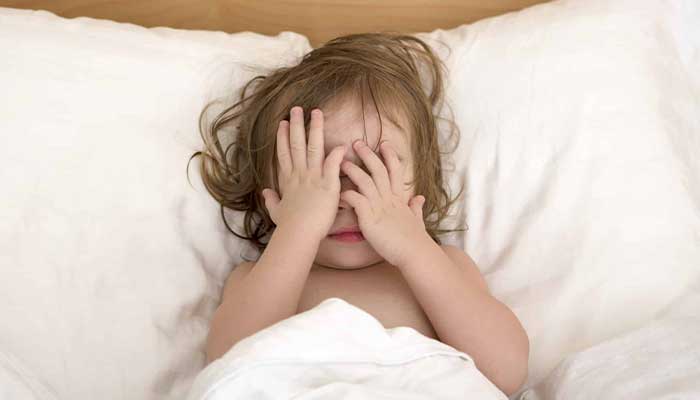
Sleep problems: insomnia, frequent nightmares, night terrors.
Response to traumatic events: PTSD symptoms caused by accidents, abuse or loss of loved ones.
Communication and social problems: difficulty making friends, social withdrawalDiagnosis and treatment process
The child and adolescent psychiatrist uses a comprehensive approach to assessment and treatment, which includes the following steps:
Preliminary assessment
Interview with parents and child/adolescent: collect detailed information about developmental history, development, educational, family status, peer relationships, and current symptoms.
Observe the behavior of the child/adolescent: during the session.
Clinical examination: to rule out medical causes of behavioral problems.
Checking previous documents and reports: from school, psychologists or other doctors.

Diagnostic tests (if necessary)
Standardized questionnaires: to assess symptoms of ADHD, anxiety, depression and other disorders.
Psychological tests: in collaboration with a psychologist, to evaluate intelligence, attention, memory and personality aspects.
Medical tests: in case of suspicion of biological causes or to rule out physical problems (such as thyroid problems).
Diagnosis and formulation of the case: After collecting sufficient information, the psychiatrist provides an accurate diagnosis based on diagnostic criteria (such as DSM-5) and proposes a comprehensive formulation of the factors affecting the child's problem.
Treatment planning
Psychotherapy
Cognitive-behavioral therapy (CBT): to change maladaptive thought and behavioral patterns.
Supportive therapy: to help the child cope with stress and challenges.
Play therapy: for younger children who express their feelings through play.
Family-based therapies: to improve relationships and communication skills in the family.
Medication: in cases where symptoms are severe and not controlled by psychotherapy alone, or in disorders with a stronger biological basis (eg, severe ADHD, major depression, bipolar disorder). Medicines are prescribed carefully and under strict supervision.
Parent counseling and training: teaching parents how to deal with behaviors, effective parenting techniques and child support.
School-based interventions: cooperation with the school to create a supportive and appropriate environment for the child's learning and development.
Refer to other specialists: occupational therapy, speech therapy, children's neurologist and...
What is the difference between a child and adolescent psychiatrist and a child psychologist?
These two specialties are often confused with each other, but they have key differences:
Child and adolescent psychiatrist
He is a doctor, he can make a medical diagnosis, prescribe medicine and perform various types of psychotherapy.
Child psychologist
Has a master's degree or doctorate in psychology, can perform psychological assessments and provide psychotherapy (other than prescribing medication). A psychologist cannot prescribe medicine.

Summary
Caring for the mental health of children and teenagers is as important as their physical health. Dr. Mehdi Afshari With his specialized knowledge and experience, the child and adolescent psychiatrist plays a vital role in helping children to overcome psychological challenges, flourish their potential and achieve a healthy and happy life.
If you are worried about your child's mental health as a parent, visiting an experienced child and adolescent psychiatrist can be the first and very important step in helping him. Early detection and intervention can make a big difference in your child's future.
To get a consultation appointment, call 02166602506 or online make an appointment.
TagsMental disorders Paediatrician Dr. Mehdi Afshari href="https://doctorafshari.ir/author/drafshari/">drafshari July 9, 20250 140 It takes 4 minutes to read this article Facebook Twitter LinkedIn Pinterest Reddit VKontakte Share by email Print
drafshari
Similar articles

Signs of obesity in children
May 15, 2025teaching the use of demyar in children
January 9, 2022
tips for parents on Children's health field
March 15, 2025Important recommendations for parents to perform circumcision
March 31, 2022Write your opinion Cancel Answer
See also close- patient education
 online consultation of pediatrician doctor Afshari February 11, 2025