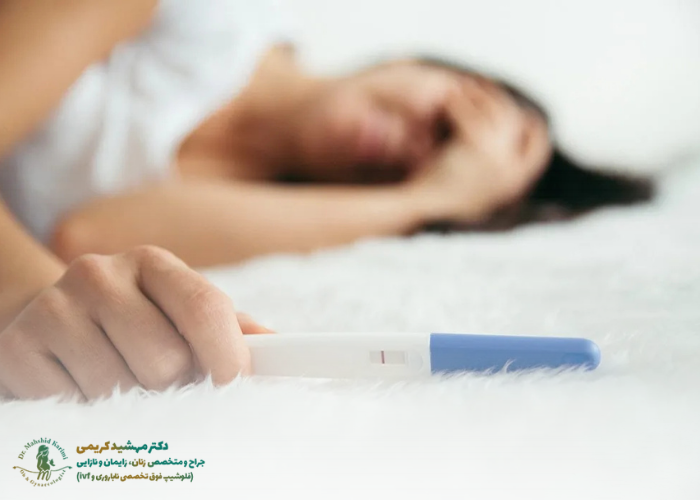
در مسیر درمان ناباروری، زوجها معمولاً با امید فراوان وارد فرایند IVF میشوند؛ But the result of this treatment does not always go as expected. IVF being negative is a topic that can concern every couple's mind and raise many questions about the causes. Knowing the reasons for negative IVF will help you manage the treatment better and make a more prepared decision for the next steps. This introduction tries to provide an initial look at the effective factors with a simple, formal and clear language so that the rest of the reading will be more useful and understandable for you.
Need advice? Right now with the best gynecologist and obstetrics Dr. Mahshid Karimi contact:

reasons of IVF failure and embryo transfer
Infertility experts declare that the quality of gametes, uterine condition, hormonal conditions, mother's age and lifestyle play a decisive role in the success or failure of embryo transfer. Scientific understanding of the reasons for negative IVF helps couples enter the treatment process with more preparation and increase the chances of IVF success.
Low-quality egg
Egg quality is considered the most important factor in the success of IVF. A healthy egg should be capable of cell division, proper growth and the formation of an acceptable embryo. Advanced age, decreased ovarian reserve, polycystic ovary syndrome, genetic defects, and unhealthy lifestyle reduce egg quality. When the egg is not of good quality, the embryo does not have enough strength to grow and implant, and the IVF process fails.
inappropriate sperm quality
Healthy sperm should participate in the fertilization process with sufficient number, proper motility and normal shape. Factors such as smoking, severe stress, environmental pollution, hormonal disorders and testicular varices reduce sperm quality. Weak sperm does not have the ability to fully fertilize the egg, and as a result, an embryo with the desired quality is not formed. These conditions increase the probability of embryo transfer failure.
low-quality embryo
A healthy embryo should be able to grow continuously, have regular cell division and genetic structure without defects. Chromosomal disorders, poor egg and sperm quality, or asymmetric embryo development cause a weak embryo. Even if these embryos are transferred, they will not be able to implant in the uterus. Infertility centers use methods like PGT to select a healthier embryo to reduce the chance of failure.
structural or functional problems of the uterus
Improper conditions of the uterus is another reason for IVF being negative. The uterus must provide a stable and suitable environment for the development of the fetus. The presence of polyps, fibroids, intrauterine adhesions, endometriosis, abnormal shape of the uterus or chronic infections disrupts the implantation path. Women with inappropriate endometrium (too thin or too thick) also face problems in accepting the embryo. Doctors check the state of the uterus with ultrasound, hysteroscopy and specialized tests to prevent embryo transfer failure.
Immune-system disorders
The immune system must strike a fine balance between protecting the body and accepting the fetus. In some women, the immune cells of the fetus are recognized as a foreign agent and show a defensive reaction. This disrupts the implantation reaction. The presence of antiphospholipid antibodies, overactivity of natural killer (NK) cells or coagulation problems are some of the immune factors that affect the success of IVF.
hormonal problems and glandular imbalance
Hormones play a major role in the growth of follicles, egg formation, preparation of the uterus and stabilization of pregnancy. Thyroid disorders, high prolactin, progesterone deficiency or insulin resistance disrupt the treatment process and cause IVF failure. When these hormones are not in balance, the body does not create a suitable environment for embryo implantation, and the result of IVF is associated with failure.
old age
Old age is another reason for IVF to be negative, which reduces women's fertility. After the age of about 38 years, the quality of eggs drops significantly and the possibility of creating a healthy embryo decreases. With age, the uterus loses its flexibility to a certain extent, and the reproductive system shows less power to accept the fetus. For this reason, the possibility of IVF failure increases in middle-aged women.
unhealthy lifestyle
The body needs stable conditions to accept the fetus. Things like alcohol and smoking, lack of sleep, improper nutrition, obesity, severe weight loss, long-term stress and exposure to polluted environments reduce the quality of eggs and sperm. Inappropriate lifestyle also puts hormones in an unstable state and negatively affects the quality of the endometrium. Modifying lifestyle before starting IVF improves treatment results.
Error in scheduling embryo transfer
The time of embryo transfer must be precise and coordinated with the greatest readiness of the uterus. If the doctor transfers the embryo at a time when the endometrium is not in the best position for reception, the chances of IVF failure increase. A careful examination of the thickness of the endometrium, the level of hormones and the physical condition of the mother determines the ideal transfer time.
problems related to the laboratory and the treatment process
The quality of laboratory equipment, the conditions of embryo storage, the temperature of incubators, the fertilization method and the skill of the expert team affect the success of IVF. Any error in these stages disrupts the development of the embryo and affects the final result. Choosing reliable infertility centers reduces the possibility of these problems.
The best age for IVF is when Infertility treatment with ivf It should be done before the age of 35, because the chances of success are higher in this age range.
What to do after IVF is negative?
After the failure of IVF, couples should first talk to an infertility specialist so that the treatment process and the quality of the embryos can be carefully checked. Examining hormonal tests, the state of the uterus and re-evaluating the quality of eggs and sperm will clarify the treatment path. Lifestyle modification, stress reduction, adequate sleep and proper nutrition increase the chances of success in the next cycle. After an unsuccessful cycle, many couples achieve a favorable result by changing medications, choosing a better embryo, or correcting uterine problems in subsequent cycles.
Complications after unsuccessful IVF
After the failure of IVF, women's body and mind are affected by hormonal changes and psychological pressure. Most side effects are temporary and resolve within a few weeks, but knowing them will help you better manage the condition. Common complications after unsuccessful IVF are:
- Mild lower abdominal pain
- Spotting or change in menstruation
- Mood swings due to discontinuation of hormonal drugs
- headache and fatigue
- Breast sensitivity or heaviness
- bloating or mild digestive discomfort
- Anxiety, sadness or disappointment caused by a negative result
- Decreased energy and mental fatigue
When to do the next IVF cycle?
The next cycle of IVF should be planned after a complete examination of the body and hormonal status. Doctors usually recommend at least one or two periods between cycles so that the body and uterus have a chance to recover. In the meantime, lifestyle modification, hormone regulation and psychological management of the individual will increase the chances of success in the next cycle. Consultation with an infertility specialist will determine the right time to start the next cycle.
Those who have had successful IVF usually performed at a more suitable age for pregnancy and had favorable physical and mental conditions.
Methods of preventing IVF failure
To increase the chances of success of IVF, couples should thoroughly check the condition of eggs, sperm and uterus before embryo transfer. Regulating hormones, correcting uterine problems and following a healthy lifestyle play an important role in the success of implantation and fetal growth. Also, choosing a healthy embryo with genetic methods reduces the possibility of IVF failure. The methods to prevent IVF failure are:
- Checking and improving the quality of eggs and sperm
- Precise regulation of hormones
- Inspection and correction of uterine problems such as fibroids, polyps or adhesions
- Adhering to a healthy lifestyle: proper nutrition, adequate sleep, stress reduction
- Avoidance of smoking and alcohol consumption
- Selecting a healthy embryo with genetic methods such as PGT
final speech
IVF is an effective way to treat infertility, but its success depends on several factors such as egg and sperm quality, uterine condition, hormones and lifestyle. IVF failure is normal in a cycle and should not cause despair. A detailed examination of the causes, modification of lifestyle and consultation with an infertility specialist will increase the chances of success in subsequent cycles and make the fertility path clearer for couples.