افتادگی رحم یکی از مشکلات شایع زنان، بهویژه در سنین میانسالی است که میتواند کیفیت زندگی فرد را تحت تأثیر قرار دهد. A gynecologist usually evaluates this problem based on the severity of the symptoms and the individual's condition and suggests the best method of management. This condition occurs when the ligaments and muscles supporting the uterus weaken and the uterus is pulled down. Although prolapsed uterus may be associated with symptoms such as pressure or heaviness in the pelvic area, back pain, or urinary problems, there is nothing to worry about; Because there are different ways to manage it.
Non-surgical treatment of uterine prolapse is a minimally invasive and safe option that can reduce symptoms and improve the quality of life with the help of lifestyle changes, specialized sports and the use of supportive devices such as pelvic floor or similar devices. Familiarity with these methods and how to perform them correctly will help women to have more control over their health without the need for surgery and prevent possible complications.
Finally, you can refer to Dr. Mahshid Karimi for expert advice.
What is uterine prolapse?
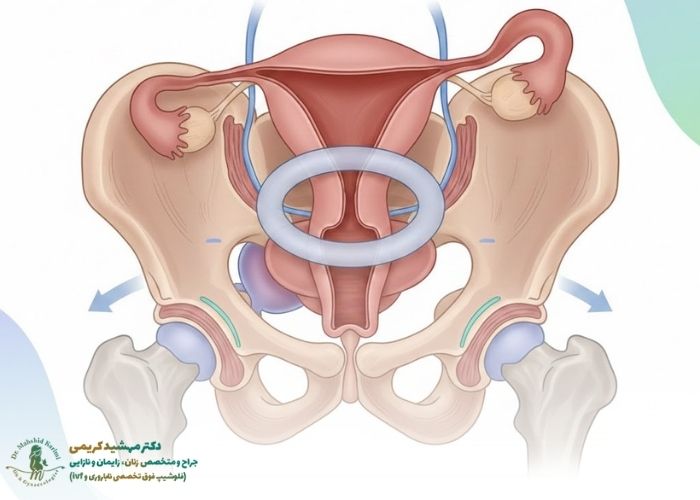
Uterine prolapse is a condition in which the uterus moves down and near or even enters the vagina due to the weakness or relaxation of the muscles and ligaments in the pelvis. This problem is more common in middle-aged and older women, but it can happen at any age, especially after multiple births or pelvic surgeries. The severity of uterine prolapse can vary from mild, which can only be detected by examination, to severe, where the uterus visibly protrudes outside the vagina. To solve this problem, the non-surgical treatment of uterine prolapse is surgery.
causes of uterine prolapse
Uterine prolapse is usually caused by a combination of factors that cause weakness in the pelvic support system:
- Multiple natural births: The pressure applied to the muscles and ligaments of the pelvis during childbirth can cause them to stretch and weaken.
- Aging and menopause: Decrease in the level of estrogen hormone reduces the strength and elasticity of pelvic tissues.
- Obesity: Excess weight puts more pressure on the muscles and ligaments that support the uterus.
- Stressful activities or constant lifting of heavy objects: Chronic pressure on the pelvis can weaken the supporting tissue.
- Chronic cough or lung problems: Persistent coughing increases intra-abdominal pressure and can contribute to uterine prolapse.
- Heredity: Some women genetically have weaker connective tissue, which increases the possibility of uterine prolapse.
- Previous pelvic surgeries: Some surgeries can weaken the supporting structure of the pelvis.
Uterine prolapse can cause pressure and discomfort, but it can be controlled with simple and minimally invasive solutions. Consulting a gynecologist will help you choose the best way to treat and improve your symptoms.

Is it possible to treat non-surgical treatment of uterine prolapse?
Uterine prolapse is a common problem in women that can cause a feeling of heaviness, pelvic pressure or urinary problems. Fortunately, in many cases, this condition can be managed without the need for surgery. Non-surgical treatment of uterine prolapse can help reduce symptoms, improve quality of life and prevent disease progression. With regular follow-up and attention to pelvic health, many women can have more control over their condition and continue an active and comfortable life.
Non-surgical treatment of uterine prolapse
Uterine prolapse is one of the common problems in women that can affect the quality of life. Although surgery may be necessary in severe cases, in many mild and moderate cases, non-surgical treatment of uterine prolapse can be effective and reduce symptoms. The main goal of these treatments is to strengthen the muscles and supporting tissues of the pelvis, reduce the pressure on the uterus and improve the quality of life.
Lifestyle change
Modifying lifestyle plays a very important role in controlling and preventing uterine prolapse. Weight control is especially important, because excess weight puts more pressure on pelvic muscles and ligaments and can aggravate uterine prolapse. Avoiding lifting heavy objects and managing heavy daily activities are also important factors. Also, preventing constipation and avoiding straining during defecation reduces intra-abdominal pressure. Using a high-fiber diet, drinking enough fluids, and regular exercise can help in this regard. In addition, preventing chronic coughs and quitting smoking preserves the strength of the pelvic connective tissues.
Pelvic floor exercises (Kegel exercises)
Kegel exercises are one of the most effective methods of non-surgical treatment of uterine prolapse. These exercises strengthen the pelvic floor muscles and improve the natural support of the uterus and other pelvic organs. Doing these exercises regularly can reduce the feeling of pressure or heaviness in the pelvis, prevent prolapse and reduce urinary problems associated with this condition. It is very important to do Kegel exercises correctly, and if needed, a consultation with an expert physiotherapist can provide detailed guidance.
Pelvic-pelvic use (vaginal support devices)
Pelf is a device that is placed inside the vagina and keeps the uterus in place. This device can reduce symptoms of pelvic pressure, pain and discomfort during daily activities. Choosing the right type and size of the Pelf should be done by a gynecologist, because its correct use can have a significant effect on reducing symptoms and improving the quality of life.local hormone therapy
In menopausal women, the decrease in the level of estrogen hormone weakens the supporting tissues of the pelvis. Using local estrogen cream or suppositories can strengthen tissues and increase the flexibility and resistance of pelvic muscles and ligaments. This method can also help reduce the progression of uterine prolapse and reduce the symptoms of discomfort.
specialized pelvic physiotherapy
Specialist physical therapists can provide comprehensive exercise programs that include pelvic floor muscle strengthening exercises, pelvic and abdominal stabilization exercises, breathing exercises, and posture correction. These methods improve the function of the pelvic muscles, reduce symptoms and prevent further prolapse, and play a very effective role in non-surgical treatment.
Regular visit to a gynecologist to check the state of the pelvis, perform regular exercises and care, and manage risk factors such as obesity, chronic cough, and heavy activities can make the process of non-surgical treatment of uterine prolapse more effective and prevent the progression of uterine prolapse.
final speech
Uterine prolapse is a problem that many women may face during their lifetime, but there is nothing to worry about; Because minimally invasive non-surgical treatment of uterine prolapse can also be effective in managing and controlling this condition. Adhering to a healthy lifestyle, regular pelvic floor exercises, use of support equipment and, if needed, hormone therapy and physical therapy can help reduce symptoms, prevent disease progression, and improve quality of life.