
ما در این مقاله به مبحث درمان عفونت پروستات می پردازیم. For consulting and performing all services in Jahanshahr urology center such as: prostate laser, treatment of genital warts and erectile dysfunction, microscopic varicocele and impotence treatment, laser kidney stones, men's cosmetic surgery, bladder strip, erection shockwave, Peyronie's plaque shockwave, shockwave, ambulatory vasectomy in Karaj, infertility treatment in Karaj, treatment of prostate cancer and urinary incontinence, flexible cystoscopy, treatment of genital and urinary infection, surgery Genital reconstruction, venereal disease and vasectomy in Karaj. In Jahanshahr Karaj You can contact our consultants for consultation and request an appointment.
Contents
- Prostate infection treatment
- Causes of infection Prostate href="#i-8">More advanced treatments
- Care and recommendations after treatment
- Prostate infection prevention
- Frequently asked questions about prostate infection treatment
- Jahanshahr Urology Center: prostate laser, treatment Genital warts and erectile dysfunction, microscopic varicocele and impotence treatment, laser kidney stones, men's cosmetic surgery in Karaj, bladder tape, erection shock wave, Peyronie's plaque shock wave, prostate shock wave, outpatient vasectomy in Karaj, vasectomy in Karaj, infertility treatment in Karaj, prostate cancer treatment and urinary incontinence, flexible cystoscopy, genital and urinary infection treatment, genital reconstructive surgery, venereal disease And... In Jahanshahr Karaj
prostate infection treatment
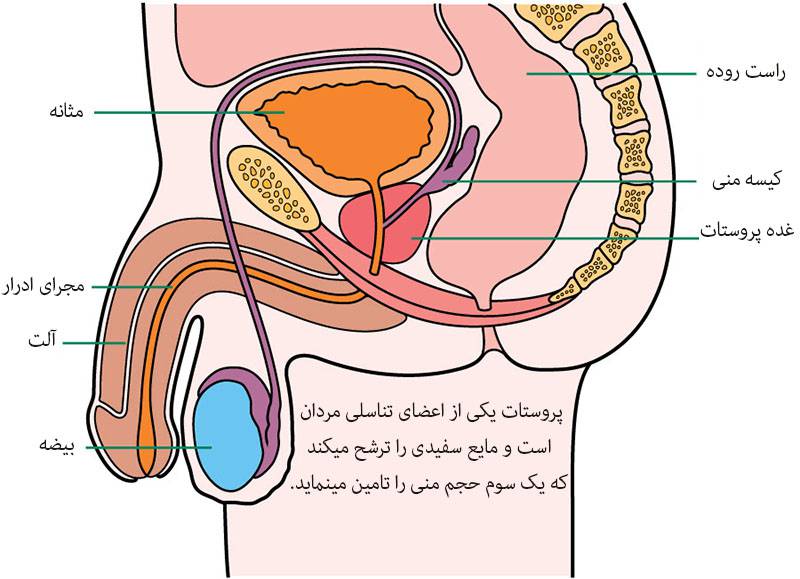
prostate infection or prostatitis or prostatitis is one of the common and painful problems among men, which occurs due to inflammation or infection in the prostate gland. This small gland is located under the bladder and in front of the rectum and plays an important role in the production of semen. When the prostate becomes inflamed, bacteria or non-bacterial agents may cause this inflammation. This disease can disrupt a person's daily life, reduce the quality of sex, and cause more serious complications if not treated.
Prostatitis is divided into two main types: acute and chronic. In the acute form, symptoms are sudden and severe and usually require immediate treatment. In the chronic type, the symptoms are milder but more persistent and may recur periodically. Knowing the difference between these two types is very important to choose the prostate infection treatment method.
Causes of prostate infection
Prostate infection usually occurs when bacteria enter the prostate gland from the urethra or bladder. Escherichia coli (E.coli) is one of the most common bacteria that cause this disease. But sometimes prostatitis occurs without the presence of bacteria, in which case it is called non-bacterial prostatitis.
Risk factors for prostate infection include:
- Unprotected sex and transmission of bacteria from sexual partners
- Repeated urinary tract infections
- Long-term sitting, Especially in drivers and office workers
- weak immune system or the presence of chronic diseases such as diabetes
- use of urinary catheter for a long time
- surgery or injury in the pelvic area
- low fluid intake and sedentary lifestyle
The combination of these factors can cause inflammation of the prostate. Knowing them helps prevent and treat prostate infection more accurately.
Symptoms and signs of infection Prostate
Symptoms of prostate infection vary depending on whether it is acute or chronic, but the most common symptoms include:
- Feeling pain and burning when urinating
- Frequent need to urinate, especially at night
- Difficulty starting to urinate or weak flow of urine
- Pain in the lower back, lower abdomen, or between the legs
- Pain In the testicles or penis
- fever, chills and extreme fatigue (in the acute type)
- pain during ejaculation or decreased libido
- blood in the urine or semen
in the chronic type, the symptoms may be intermittent and intensify over time. This condition often causes anxiety, depression and reduced quality of life. If the symptoms continue for more than a few days, it is necessary to see a urologist.
prostate infection diagnosis methods
In order to choose the best treatment method for prostate infection, accurate diagnosis of the type of disease is very important. The doctor usually uses a combination of physical examination, medical history review and specialized tests. From symptoms to surgery
The most important diagnostic methods are:
- Digital examination of the prostate through the anus: By touching the prostate, the doctor checks the degree of inflammation, swelling or sensitivity.
- Urine test and bacterial culture: To detect the presence of bacteria and Type of infection.
- Blood test: check the level of white blood cells and indicators of inflammation.
- Ultrasound or MRI of the prostate: To detect swelling or blockage in the prostate ducts.
- Sampling (in special cases): If there is a possibility of cancer or chronic infection.
Treatment of infection Prostate
Prostate infection treatment is selected according to the type, severity of symptoms and the underlying factor. The main goal of treatment is to eliminate infection, reduce inflammation, improve urine flow and restore normal prostate function.
Drug treatment
- Antibiotics: are the most important treatment option for bacterial prostate infection. Your doctor may prescribe medications such as ciprofloxacin, levofloxacin, or doxycycline. The duration of treatment is usually between 4 and 6 weeks, but in chronic cases it may be longer.
- Anti-inflammatory drugs: Drugs such as ibuprofen or naproxen are used to reduce inflammation and pain.
- Bladder muscle relaxants: These drugs, such as tamsulosin, help improve urine flow and reduce pain caused by muscle contractions.
- Relieving and relaxing drugs Section: In cases where the pain is severe, the doctor may use stronger painkillers.
Home treatment and natural methods
Besides drug treatment, lifestyle changes and following care tips can play an important role in treatment and speeding up the recovery process:
- Drinking plenty of water to clean the urinary tract
- Using a warm compress or warm water bath to reduce pelvic pain
- Consuming foods rich in antioxidants such as fresh vegetables, garlic, turmeric and green tea
- Avoid alcohol, caffeine and spicy foods
- Having regular physical activity such as daily walks
- Reducing stress by doing meditation or exercises Respiratory
More advanced treatments
In some patients, more advanced treatment methods are needed:
- Prostate massage: is performed by a doctor under certain conditions and causes the discharge of prostate secretions and improves blood circulation.
- Pelvic floor physical therapy: To strengthen muscles and reduce chronic pain.
- Surgery: In rare cases of severe obstruction or chronic infection, surgery may be recommended.
Post-treatment care and recommendations
After treating prostate infection, it is very important to follow post-treatment care to prevent the disease from returning:
- Completing the course of drug treatment even in case of improvement Symptoms
- Avoid sitting for long periods of time
- Drink enough water during the day
- Maintain safe and regular sex for normal discharge of prostate secretions
- Regular medical follow-up to check the state of the prostate
Read more: Warning signs of benign prostatic hyperplasia Prostate> Necessary
Avoid holding urine for a long time Eat a healthy diet including vegetables, fruits, whole grains and fish Avoid smoking and alcohol Get enough sleep and reduce daily stress Frequently asked questions about treatment of infection Prostate
Is prostate infection completely cured?
Yes, in most cases with timely and thorough treatment, prostate infection is completely curable. Only in the chronic type, the treatment process may be longer.How long does the treatment of prostate infection take?
The duration of treatment varies depending on the type and severity of the disease. In the acute type, it usually resolves within a few weeks, but in the chronic type, it may take several months.Is sex allowed during treatment?
In the acute type, it is better to avoid sex until the end of the treatment. In the chronic type, it is possible by observing hygiene and using a condom.Does prostate infection cause infertility?
In severe and untreated cases, it may affect the quality of semen, but in most cases, with proper treatment, it has no effect on fertility.Is home treatment alone enough?
No, home remedies only help to improve symptoms and are not a substitute for drug treatment. In any situation, a doctor should be consulted.Jahanshahr Urology Center: prostate laser, treatment of genital warts and erectile dysfunction, microscopic varicocele and impotence treatment, kidney stone laser, men's cosmetic surgery in Karaj, cystoscopy, erection shockwave, Peyronie's plaque shockwave, prostate shockwave, outpatient vasectomy in Karaj. Vasectomy in Karaj, infertility treatment in Karaj, treatment of prostate cancer and urinary incontinence, flexible cystoscopy, treatment of genital and urinary infection, genital reconstructive surgery, venereal disease, etc. In Jahanshahr Karaj
for consulting and performing all services in Urology Center Jahanshahr like: Laser Prostate, treatment of genital warts and erectile dysfunction, microscopic varicocele and impotence treatment, laser kidney stones, men's cosmetic surgery in Karaj, bladder strip, erection shockwave, Peyronie's plaque shockwave, prostate shockwave, outpatient vasectomy in Karaj, infertility treatment in Karaj, treatment of prostate cancer and urinary incontinence, flexible cystoscopy, treatment of genital and urinary infection, genital reconstructive surgery, venereal disease, etc. در جهانشهر کرج میتوانید جهت مشاوره و درخواست نوبت خود با مشاوران ما در ارتباط باشید





