نحوه انجام آنژیوگرافی از دست
بطور کلی آنژیوگرافی به عنوان یک روش برای تشخیص گرفتگی رگها و در برخی موارد نیز به جهت رفع این گرفتگی ها، کاربرد بسیار زیادی دارد. This operation may be done by foot or hand. In manual angiography, a tube with the scientific name of a catheter is inserted into the vein through a very narrow cut in the wrist and is guided to different parts of the heart. Angiography through the hand may cause pain, and in the rest of the article, we are going to examine the methods of treatment of hand pain after angiography together.
Steps of performing hand angiography
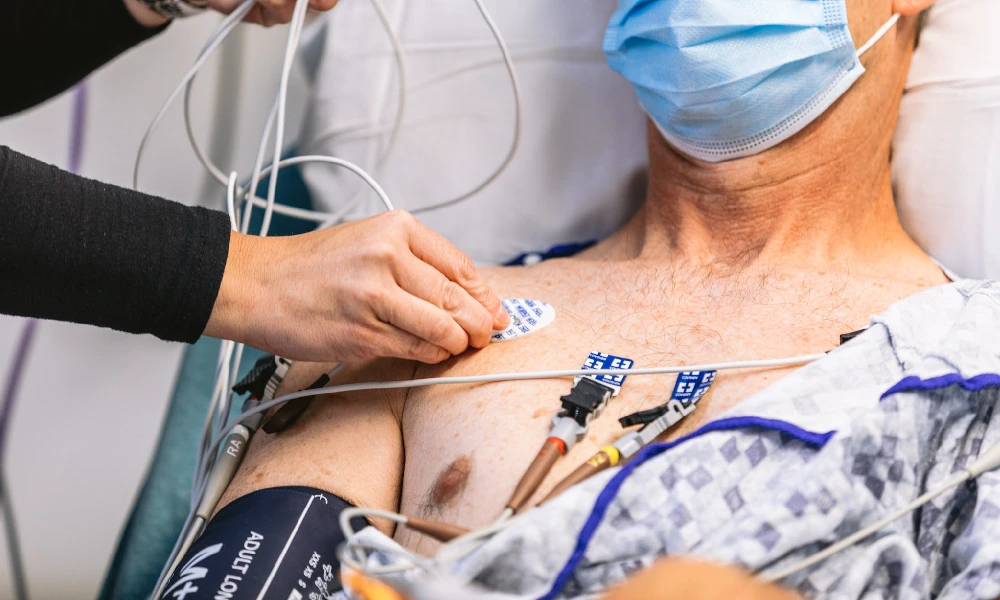
To perform angiography of the hand, observing that the patient is fasting, after anesthetizing the wrist, a small incision is made on it and the catheter is sent into the vein. Then, a contrast material is inserted into the vein for a better view, and while the catheter is inserted into different parts of the heart, images of the veins are taken, and the examination of these images determines the degree of blockage and obstruction of the vessels and helps the doctor to make decisions in the field of choosing the treatment method of the disease.
The importance of care after hand angiography
In general, after performing an angiography of the hand, having rest, using medicines prescribed by the attending physician, proper nutrition and diet, and general care of the catheter insertion site in order to prevent and reduce pain in the hand after angiography, helps to recover faster and treat complications related to the operation, including the treatment of hand pain.
What are the benefits of angiography of the hand?
Manual angiography has many advantages compared to other methods, which has made this method known as one of the most widely used methods for diagnosing and treating diseases related to heart vessels. Benefits such as those mentioned below:
- The accuracy of this method is very high due to the high resolution of the images taken and it depends on a more accurate diagnosis by the doctor.
- This method has a much lower risk of bleeding compared to angio through the groin, and as a result, the risk of blood clots at the catheter site is also minimized.
- Since the tissue of the wrist is softer than the foot, the possibility of bruising and swelling is also reduced.
- In this method, the hospitalization time, the patient's recovery period and the pain caused by the operation are reduced and the patient can return to his daily activities faster.
Reduction of anxiety in the patient due to the simplicity of the procedure, lower costs due to shorter hospitalization time, and performing this procedure for patients who for some reason cannot perform angiography through the leg are other advantages of this method.

Find out the cause of hand pain after angiography!
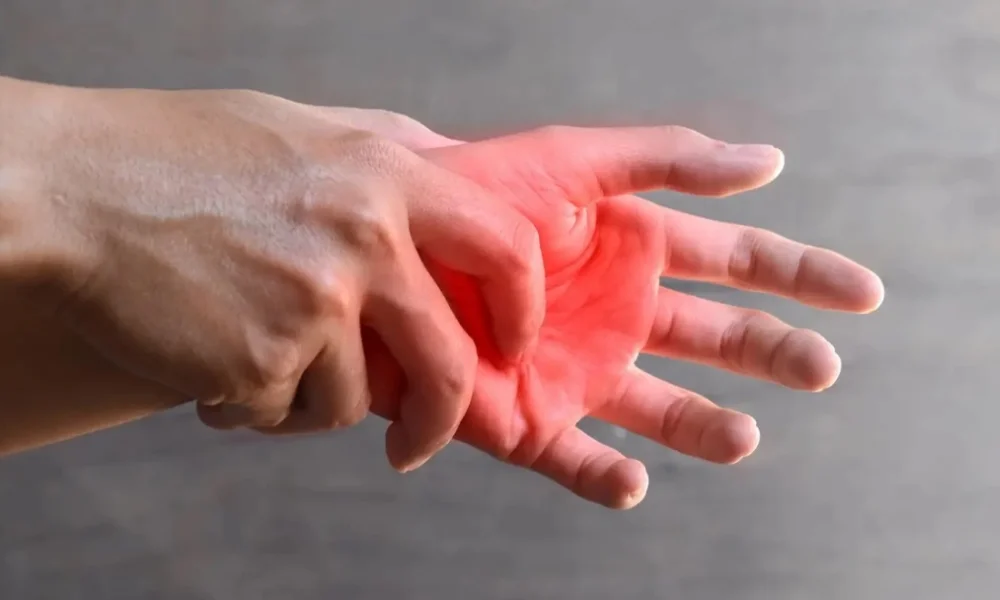
As mentioned in this article, hand pain after angiography is a normal and common complication. This pain can be caused by various reasons, including the following.
- When the catheter is inserted into the vein, the wall of the vein and the tissues around it are damaged and eventually become inflamed and painful. In addition, this entry can cause the nerves around the vessel to be stretched or put under pressure.
- Allergic reactions to the injected substance cause inflammation in the surrounding tissues, which may also lead to pain and swelling.
- Minor bleeding at the catheter insertion site also leads to bruising and ultimately pain in the hand after angiography.
- Creation of infection due to non-observance of sterilization principles and blood clotting can be considered as other causes of hand pain.
How long will the hand pain last after angiography?
How long the hand pain lasts after angiography is different for each patient according to the individual conditions of the patient and the type and accuracy of the angiography. The amount of damage to the veins is directly related to the length of time the pain lasts.
The skill and experience of the specialist doctor during angiography is effective on the amount of damage and, as a result, on the duration of pain. On the other hand, each person's body presents a different and unique response to the damage done to its tissues. In general, the duration of hand pain after angiography varies from a few days to a few weeks. In most of the operations, the pain gradually decreases and is completely cured by taking care after angiography.
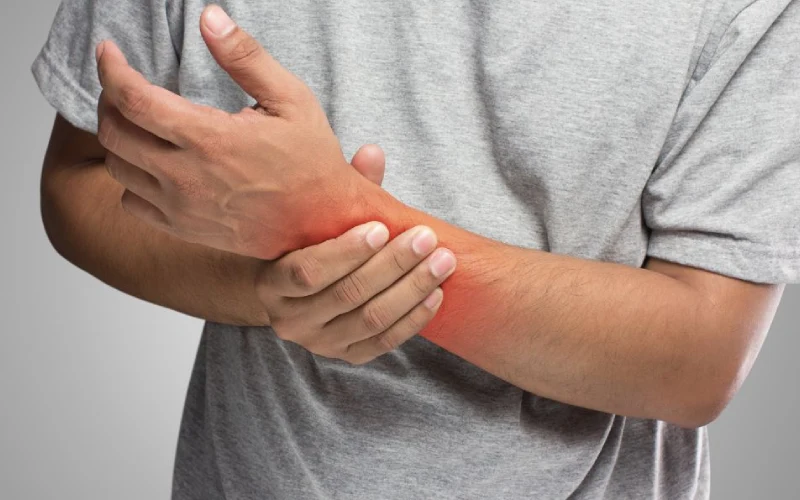
Getting to know the methods of treating hand pain after angiography
Treatment of hand pain after angiography is possible and fruitful according to its causes. Today, there are various methods to reduce and treat this pain.
- After the angiography, give your hands complete and absolute rest and refrain from heavy activities.
- Cold water compress in the form of placing an ice bag wrapped in a cloth on the painful area for 15 to 20 minutes and repeating it every few hours reduces the pain and swelling of the hand.
- After angiography, it is recommended to keep your hands up to relieve pain.
- In some cases, physiotherapy sessions by doing special exercises to strengthen muscles, improve movements and reduce pain.
- Non-steroidal anti-inflammatory drugs also reduce hand pain.
- Sometimes the doctor also prescribes muscle relaxants or corticosteroid injections.
- If the pain is severe, an anesthetic drug may be injected around the nerve to reduce the pain.
- Consumption of liquids, especially enough water to help eliminate toxins. Removing the injected substance from the body helps to improve the treatment process and reduce side effects.

Reviewing complications of hand angiography
Although hand angiography has fewer risks than other methods, it is not completely without complications. In the following, we have talked more about common complications (normal and common) and rare complications of hand angiography that occur in very special cases:
Common complications of hand angiography
The most common side effects related to hand angiography include pain, bruising, and swelling at the catheter insertion site. In some cases, limited and mild bleeding may occur at the place of cutting and insertion of the tube. There is also a possibility of infection if sterile methods are not used.
Rare complications of hand angiography
In very limited and even rare cases, due to the insertion of the catheter, it is possible to damage the nerves or veins around the site of the tube, which causes numbness and pain in the hand after angiography. In addition, the presence of a blood clot in the vein will lead to more serious problems. Sometimes there is a possibility that the patient is allergic to the injected substance, which leads to minor or even severe allergic reactions. Damage to the kidneys due to the injected substance is one of the rare side effects of missing angiography for patients who have previous kidney problems.
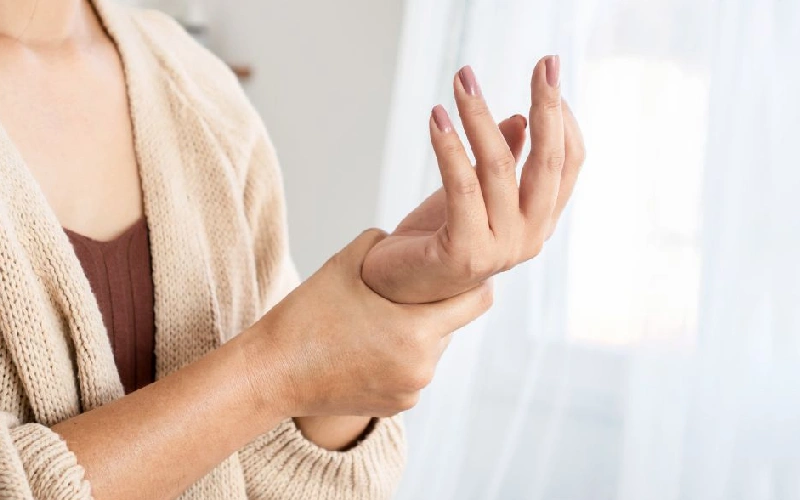
What is the cause of left hand pain after angiography?
Hand pain after angiography is one of the common side effects of this procedure. This pain causes pain in the left hand if the catheter is inserted in the left hand. Cutting the wrist and inserting the catheter and inflammation caused by the injected substance can cause hand pain after angiography. The intensity and duration of pain varies according to the patient's condition. If this pain persists after a few days and side symptoms such as severe swelling, fever, or numbness occur, it is necessary to see a doctor to check the possibility of infection.
Is right arm pain normal after angiography?
Angiography through the hand Like the left hand, pain in the hand follows after angiography. The characteristics and causes of this complication are similar to left hand pain after angiography.